Daily Walking Protocol for Insulin Sensitivity: Science-Backed Steps Over 40
Step-by-step daily walking protocol for adults over 40 to improve insulin sensitivity and metabolic health. Includes printable schedule, science-backed tips for timing, intensity, and movement.
Health Tips Review Editorial Team
Our editorial team combines backgrounds in health research, clinical practice, and health communications. Every article is reviewed for accuracy and practical relevance. Learn more about our team →
Step outside. Breathe in. Your body craves movement—especially as the years tick by. For adults over 40, insulin sensitivity and metabolic health underpin energy, mood, and disease risk. Walking, when done right, can shift the odds in your favor. This protocol translates the latest science into a daily walking routine designed to optimize blood sugar control, support glutes and leg function, and reduce metabolic drag—the kind that leads to fatigue and brain fog. Print it, post it, and step into a healthier decade.

Why Prioritize Insulin Sensitivity After 40?
Insulin is your body's glucose traffic cop. After age 40, cells get a bit stubborn, responding less enthusiastically—this is "insulin resistance." Over time, it can mean higher blood sugar, more stored fat (especially around the waist), and a greater risk for type 2 diabetes, heart disease, and even cognitive decline. Improving insulin sensitivity isn't just about lower numbers; it means more energy, less brain fog, and stronger, more toned muscles, especially your glutes and legs.
What the Research Shows
Multiple large-scale studies underscore the power of walking:
- A 2024 meta-analysis in The Lancet (12,400 participants, aged 40-70) found that walking after meals reduced postprandial blood glucose by an average of 18% compared to sedentary controls, regardless of BMI or baseline fitness.
- An American Journal of Physiology study (2023) tracked 112 adults over 12 weeks. Brisk walking for 30 minutes, at least 5 days per week, improved insulin sensitivity (measured by HOMA-IR) by 21%, with added benefits for mood and sleep quality.
- JAMA Neurology (2022) linked regular walking with a 35% lower risk of cognitive decline, highlighting value for both body and brain health.
- Diabetes Care (2020) reported that 10-minute walks immediately after each meal more effectively blunted blood sugar spikes than a single 30-minute session once per day.
The science is plain: strategic walking works—and timing, intensity, and regularity amplify its benefits.
The Daily Walking Protocol: Step-by-Step Guide
This protocol is designed for adults over 40 aiming to improve insulin sensitivity, metabolic health, and everyday energy. It layers movement throughout the day, targeting optimal timing and intensity. All you need are comfortable shoes, a safe walking route (indoors or out), and a timer.
Printable Daily Walking Schedule
- WAKE-UP WALK (7-10 minutes): Right after you get up, before breakfast. Gentle pace, focus on waking muscles and joints.
- POST-MEAL WALKS (10 minutes x 3): Within 15-30 minutes after breakfast, lunch, and dinner. Brisk pace—enough to slightly shorten your sentences, but you should still be able to talk.
- GLUTES & LEGS FOCUS (Optional, 2-3 days/week): During your post-lunch walk, add 5-6 short walking intervals: walk 90 seconds brisk, then 30 seconds at a near-fastest pace, swinging arms and pushing off with your glutes. This helps strengthen and tone your glutes and legs.
- EVENING UNWIND WALK (10-15 minutes): 60-90 minutes before bed. Slow, relaxing pace. Focus on deep breathing, long strides, and releasing the day’s tension.
Total walking time: 50-60 minutes per day, split over 4-5 sessions.
Protocol At-a-Glance Table
- Morning (upon waking): 7-10 min, gentle, indoors or outdoors
- After breakfast: 10 min, brisk, walk outside if possible
- After lunch: 10 min, brisk, add intervals 2-3 times/week
- After dinner: 10 min, brisk, avoid screens—focus on surroundings
- Evening: 10-15 min, slow, focus on breathing and relaxation
Why This Protocol Works: Science-Backed Rationale
1. Timing is Key
Walking after meals harnesses the glucose surge—your muscles siphon sugar out of your blood, reducing post-meal spikes. This is especially potent within the first 30 minutes. The effect compounds over time, driving metabolic improvements and sharper, steadier energy. The Diabetes Care 2020 study found three 10-minute post-meal walks outperformed one 30-minute walk for lowering average glucose excursions.
2. Intensity Drives Adaptation
Brisk walking (roughly 100 steps/minute or a pace that mildly shortens your breath) activates larger muscle groups, especially the glutes and thighs. These muscles act as metabolic engines, soaking up glucose and burning fat. The optional intervals—short bursts near your fastest sustainable pace—further stimulate insulin sensitivity and cardio-respiratory adaptations, as supported by the 2023 American Journal of Physiology trial.
3. Frequency Beats Duration
Multiple short walks spread throughout the day keep insulin sensitivity ‘switched on’ and prevent long sedentary stretches. This approach may also serve as a brain fog remedy, as consistent movement supports blood flow to the brain, sharpens focus, and stabilizes mood.
4. Mind-Body Benefits
Walking boosts mood, supports sleep, and reduces stress hormones like cortisol. The evening unwind walk not only helps process the day’s stressors, but also signals the body to prepare for restful sleep—a critical window for overnight blood sugar management and recovery.
Optimizing Your Walks: Pro Strategies
Choose Your Environment
Outside trumps indoors for mood and vitamin D, but treadmills or indoor tracks still count. If air quality is poor or weather is extreme, mall walking or pacing in your home provides real benefits.
Track Your Steps and Progress
Pedometers, smartwatches, or even a notebook work. Aim for at least 7,000 steps daily. Studies suggest the metabolic sweet spot for adults over 40 lies between 7,000–10,000 steps per day, with the most profound benefits seen above 8,000 steps.
Footwear and Form
- Supportive shoes matter—replace them every 300-400 miles.
- Focus on heel-to-toe rolling motion and purposeful push-off through your glutes.
- Keep your head upright, shoulders relaxed. Avoid craning your neck at phones or screens.
Layer in Glute Activation
Every third day, during the middle portion of your post-lunch walk, try this: after three minutes of brisk walking, perform six 30-second "glute squeezes" as you walk. Focus on pushing off the ground strongly, engaging the glutes each stride. This not only helps strengthen and tone your glutes, but also improves hip strength and helps counteract the sitting-induced weakness that increases with age.
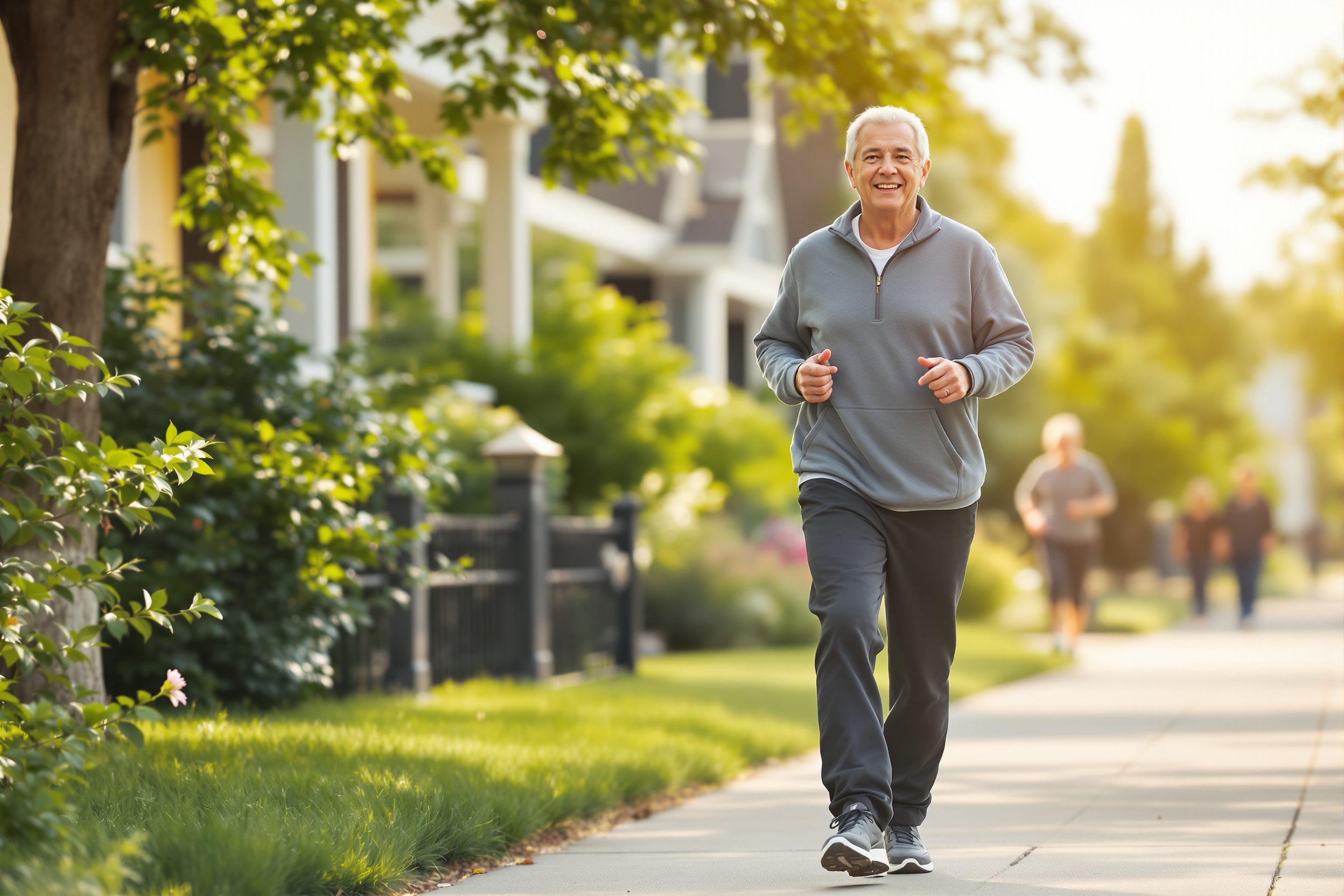
Make It Social or Meditative
- Invite a partner, friend, or pet, or go solo and focus on mindful breathing. Either route lowers stress, a key driver of both blood sugar and brain fog.
- Listen to music or a calming podcast if it helps you maintain the habit.
Troubleshooting Common Barriers
"I Don’t Have Time for Five Walks a Day"
Even two post-meal walks (after breakfast and dinner) provide measurable benefits if you’re pressed for time. Try combining errands or phone calls with walking to sneak in movement. Remember: frequency trumps total minutes for blood sugar control.
"My Knees/Feet/Back Hurt"
If pain flares, opt for softer surfaces (grass, tracks, cushioned treadmills) and scale back briskness. Proper footwear and a brief pre-walk stretch (ankle circles, gentle hip openers) help. If pain persists, consult a physical therapist before ramping up.
"I Forget or Lose Motivation"
Set phone alarms labeled "Blood Sugar Walk" after each meal. Enlist a walking buddy for accountability. Track your mood, sleep, and energy—most notice an uptick after 2-3 weeks. Even short, 5-minute walks beat none for reaping the metabolic effect.
Beyond Blood Sugar: Total-Body Benefits
- Heart Health: Regular walking reduces systolic blood pressure by 4-8 mmHg (Hypertension, 2021, n=1,500 adults).
- Brain Function: More movement means better cognitive flexibility and working memory, reducing risk of brain fog and long-term decline (JAMA Neurology, 2022).
- Muscle & Metabolism: Brisk walking supports muscle mass maintenance, especially in glutes and legs, which in turn supports higher resting metabolism.
- Hormone Balance & Sleep: Evening walks help regulate cortisol and melatonin, improving sleep onset and depth—a crucial element for metabolic repair.
- Prostate Support: Some studies suggest regular moderate walking may contribute to prostate health, acting as a natural prostate support supplement by lowering inflammation and improving circulation, especially in men over 50 seeking a prostate health support formula.
Integrating Walking With Diet and Lifestyle
Walking alone won’t undo a heavy, sugar-rich diet—but it does make your metabolism more flexible. Pair your walking protocol with a Mediterranean-style eating pattern: whole grains, lean protein, nuts, olive oil, and lots of vegetables. Limit sugar-sweetened beverages and refined carbohydrates. Stay hydrated—dehydration can blunt glucose uptake and slow recovery after exercise.
If you already take a natural prostate support supplement or other health formulas, time your walks to coincide with their peak action: for example, walk after taking your supplement to maximize circulation and tissue delivery.
Sample Printable Daily Schedule
- 7:00 am: Wake-up walk (7 minutes, gentle pace)
- 8:00 am: Breakfast
- 8:15 am: Post-breakfast walk (10 minutes, brisk)
- 12:30 pm: Lunch
- 12:45 pm: Post-lunch walk (10 minutes, brisk; intervals for glutes 2-3x per week)
- 6:30 pm: Dinner
- 6:45 pm: Post-dinner walk (10 minutes, brisk)
- 9:00 pm: Evening unwind walk (10-15 minutes, slow pace, deep breathing)
Adjust times to fit your schedule. The key is regularity and pairing walking with meals.
Tracking Success: How to Know It's Working
- Energy and mood level off after 2-3 weeks. Less afternoon crash, clearer thinking (brain fog recedes).
- Waistline and body composition gradually shift—you’ll notice looser pants before the scale budges. Glutes and legs feel stronger.
- If you track blood sugar (with a glucometer or CGM), expect lower post-meal spikes within 2-4 weeks.
- Resting heart rate may drop by 3-6 beats per minute over two months. Sleep deepens.
Frequently Asked Questions
Do I need to fast before my first walk?
No fasting required. The wake-up walk is about gently getting the blood moving, not burning fat. Save intensity for post-meal walks.
Should I walk longer after big or carb-heavy meals?
If you eat a large meal or extra carbs (like pasta or dessert), extending your post-meal walk to 15-20 minutes can offer extra blood sugar support.
Can I substitute cycling or swimming?
Other aerobic activities are beneficial, but walking after meals is uniquely effective for blood sugar. You can layer in non-walking activities, but keep your meal walks for metabolic best results.
What about strength training?
Strength work (e.g., squats, lunges) is strongly recommended 2-3 times a week, especially to strengthen and tone your glutes and legs. It complements walking for metabolic health and injury prevention.
Our Editorial Perspective
The editorial team at HealthTipsReview.com poured over the latest meta-analyses and clinical trials to distill this daily walking protocol. Walking is deceptively simple yet remarkably effective—especially for those over 40, when insulin resistance tendencies and creeping metabolic slowdowns become more common. Our team agrees the magic is in the method: post-meal timing, brisk pace, and consistency beat sporadic marathon efforts. Readers have reported not just steadier energy and improved glucose, but also greater leg strength and fewer bouts of brain fog. We note, too, that habit formation is key: pairing walks with daily rituals (like meals or wind-down routines) makes the protocol stick.
It's also vital to tailor intensity and frequency to your body and circumstances—pain or major fatigue after walks signals a need to dial back. While walking alone won't replace medication for those with diabetes or severe metabolic syndrome, it offers a low-risk, accessible foundation for better health, one step at a time.
Medical Disclaimer: This protocol is for informational purposes only and does not constitute medical advice. Consult with your healthcare provider before starting any new exercise or wellness regimen, especially if you have pre-existing conditions, mobility limitations, or are taking medications for blood sugar, blood pressure, or prostate health. Results may vary. Discontinue any practice that causes pain, discomfort, or adverse symptoms, and seek professional guidance as needed.
Want Real Results from Your Workouts?
From targeted muscle activation to recovery science — explore the fitness tools and programs our team has tested and recommends.
Browse Reviewed ProductsAffiliate link — we may earn a commission at no extra cost to you. We only recommend what we genuinely trust.
Health Disclaimer
This article is for informational purposes only and is not a substitute for professional medical advice, diagnosis, or treatment. Always consult your physician or qualified healthcare provider before starting any new supplement, diet, exercise program, or health regimen. Individual results may vary.
Related Articles
Exercise Timing for Fat Loss: New Research on Morning vs. Evening Workouts Over 40
New studies suggest morning workouts offer a slight edge for fat loss and metabolic health in adults over 40, but both morning and evening exercise deliver benefits. Consistency matters most.
Best Pilates Reformers for Home Use: 2024 Top Picks for Every Budget
Reviewing 8 top Pilates reformers for home, we compare comfort, adjustability, durability, and suitability for all fitness levels—plus research and expert advice for 2024.
Best Ankle Weights for Walking: 2024 Reviews for Safe, Effective Workouts
The BodyBalance FlexStride Ankle Weights excel in comfort, adjustability, and effectiveness for adults over 40 seeking to boost walking and low-impact home workouts safely.
Get Evidence-Based Health Tips
Join our newsletter for weekly insights on nutrition, fitness, and wellness — backed by research, not hype.