HIIT and Bone Density: Can Intervals Help Prevent Osteoporosis After 40?
Recent studies suggest HIIT may help adults over 40 maintain or modestly increase bone density. Our review decodes the findings, benefits, limitations, and safe workout tips.
Health Tips Review Editorial Team
Our editorial team combines backgrounds in health research, clinical practice, and health communications. Every article is reviewed for accuracy and practical relevance. Learn more about our team →
As we cross into our forties, bone health grabs our attention. For good reason: osteoporosis and fragile bones sneak up quietly, threatening mobility and independence later in life. But could a fresh approach to exercise—high-intensity interval training, or HIIT—actually bolster our bone density and help keep osteoporosis at bay? Recent research takes us beyond muscle and cardio into the realm of lasting skeletal strength. Here's what science says about HIIT, bone density, and practical steps for those aiming to future-proof their bones.
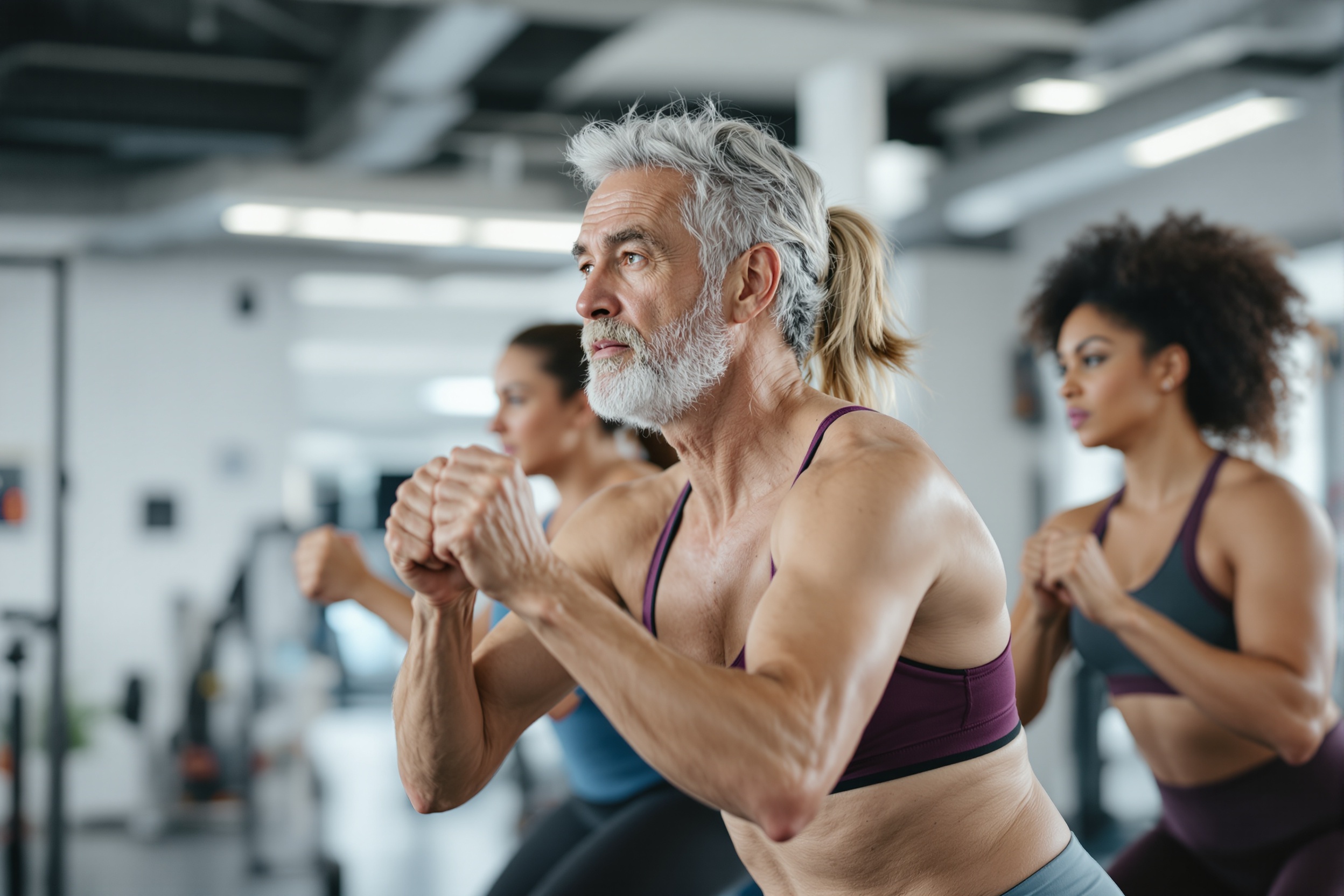
HIIT: Beyond Heart and Muscles
HIIT isn’t just for sculpting glutes or chasing cardio gains. This method alternates short, vigorous bursts of activity—think 30-60 seconds—followed by brief recovery phases. A typical session runs 20 to 30 minutes. Traditionally, HIIT’s claim to fame has been fat loss, endurance, and insulin sensitivity. Lately, though, experts are eyeing its impact on bone tissue, a critical consideration for anyone concerned about osteoporosis or bone loss after 40.
Why Bones Matter After 40
Bone density peaks in our late twenties. After 40, the slow, silent decline begins—especially for women, who may lose up to 20% of bone mass in the five to seven years post-menopause. Men aren’t immune, either. Osteoporosis—defined as a bone mineral density (BMD) 2.5 standard deviations below the young adult mean—affects roughly one in four women and one in eight men over 50. Fractures become more likely. Recovery slows. The stakes elevate with each passing decade.
Classical Approaches and the HIIT Alternative
Weight-bearing activities (walking, stair climbing), resistance training, and impact exercises have long been the frontline for bone health. But time constraints, motivation, or physical limitations often put these routines out of reach for busy adults. HIIT proposes a more efficient, potentially more engaging option—but does short, sharp exertion signal our bones to adapt?
What the Research Shows
Several recent studies have examined HIIT’s effects on bone health, comparing traditional endurance training, resistance workouts, and interval protocols.
Meta-Analysis: HIIT and Bone Density Gains
A 2024 meta-analysis published in The Lancet Healthy Longevity pooled results from 19 randomized controlled trials, tracking 2,380 adults aged 42–68. Participants performed HIIT 2–4 times weekly for at least 12 weeks, with bone mineral density measured at the lumbar spine and femoral neck.
- Key finding: HIIT groups saw a mean BMD increase of 1.2% at the lumbar spine and 0.9% at the femoral neck versus minimal changes in control groups (walking, stretching, or no exercise).
- Subgroup data: The effect size was largest for protocols combining impact (e.g., box jumps, skipping) with strength-based intervals.
- Conclusion: HIIT appears at least as effective as moderate resistance training for maintaining or modestly increasing bone density in adults over 40.
HIIT Versus Steady-State Cardio
A 2023 study from the Journal of Bone and Mineral Research recruited 186 women, mean age 54, randomized to HIIT, moderate cycling, or no-exercise groups for 16 weeks. The HIIT group alternated 40-second all-out cycling sprints with 1-minute recovery, repeated 10 times per session, three times a week.
- Key finding: Only the HIIT group showed a significant reduction in bone resorption markers (specifically, C-terminal telopeptide), implying slowed bone breakdown.
- Limitations: Absolute BMD gains were modest—averaging 0.6% compared to controls—suggesting HIIT may slow loss more than build new bone, especially over short durations.
Real-World Cohorts: Men Included
Men are less often studied, but a 2022 German trial in Osteoporosis International followed 155 men aged 50–67 through supervised HIIT, moderate treadmill walking, or control interventions for 24 weeks.
- Results: The HIIT group (using weighted vests and stair sprints) gained 1.5% BMD at the hip, compared to 0.4% in the walking group.
- Secondary gains: HIIT participants also reported fewer falls and better balance scores.
Mechanistic Insights: Why Might HIIT Build Bone?
Bones respond to "mechanical loading"—the stress of impact or muscle contraction. HIIT, especially with bodyweight or resistance moves, delivers short spikes of force, which may stimulate bone-forming cells (osteoblasts) while restraining bone-eating cells (osteoclasts). The rapid, repeated shifts between work and rest seem to heighten this effect, possibly more efficiently than plodding, steady-state cardio.
Potential Limitations and Safety Considerations
No single solution fits all, especially when bone health and injury risk intersect.
- Short studies: Most trials run 12–24 weeks. That’s a blink in the lifespan of bone remodeling, which cycles roughly every 7–10 years.
- Magnitude of change: BMD gains with HIIT are generally small but statistically meaningful. For those starting with low BMD or at high fracture risk, the gains may not be enough on their own.
- Adherence: HIIT’s demanding nature can be a barrier for beginners or those with joint issues. Modifications and proper guidance are crucial.
- Impact matters: Studies suggest that combining HIIT with jumping, hopping, or weight-bearing movements yields the most bone benefit. Cycling or rowing-based HIIT, while effective for the heart and lungs, has less impact on BMD.
- Injury risk: Sudden, high-impact moves can spell trouble for anyone with fragile bones, recent fractures, or advanced osteoarthritis. A healthcare provider's input is non-negotiable before starting HIIT after 40, especially if risk factors exist.
HIIT Workouts for Bone Health: Practical Applications
The research sketches a pattern: HIIT can support bone health when tailored thoughtfully. Here's how you might integrate it, with safety and efficacy in mind.
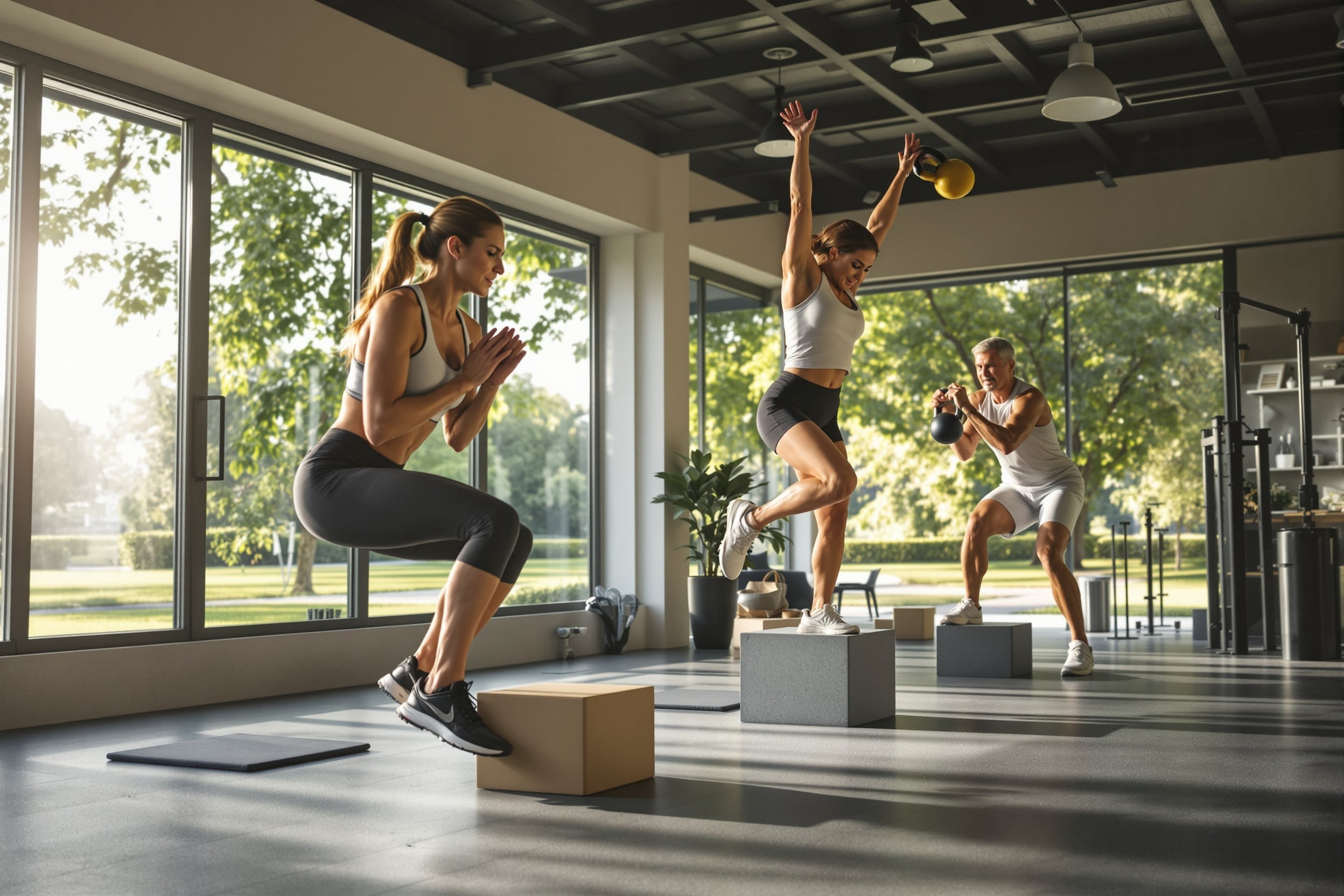
Sample HIIT Protocol: 25 Minutes, 3x Weekly
- 5-minute dynamic warm-up: brisk walking, gentle squats, ankle rolls.
- 8 rounds of:
- 30 seconds of weighted step-ups, squat jumps, or fast stair climbing (choose movements matched to your fitness and balance).
- 1 minute of active recovery: slow walking or static holds (wall sit, plank).
- 5-minute cool-down: gentle stretching, deep breathing.
For beginners, bodyweight-only versions or lower-impact intervals (marching, heel raises) can suffice. With experience, resistance bands or light dumbbells add intensity. Work up gradually and monitor tolerance.
Tips for Success
- Prioritize form over speed. Quality trumps quantity: controlled jumps, proper landings, and alertness to pain decrease injury risk.
- Mix it up. Rotate between lower- and upper-body intervals to avoid overuse and strengthen and tone your glutes, thighs, and core.
- Rest is productive. Bone responds to repeated loading paired with adequate recovery—don’t skip rest days.
- Track progress. Keep a notebook or app log to spot plateaus or warning signs (persistent pain, swelling).
- Consider supplementation. Adequate calcium (1000–1200 mg/day), vitamin D (800–1000 IU), and, for men over 50, natural prostate support supplement or prostate health support formula for men over 50 if recommended, may complement the exercise effect.
Integrating HIIT with Other Lifestyle Interventions
HIIT is not a lone wolf in the fight against osteoporosis. Combine it with these evidence-backed habits for best results:
- Strength training. Lifting weights increases muscle mass and stimulates bones. Aim for at least two sessions per week focusing on major muscle groups.
- Balance and agility drills. Tai chi, yoga, or single-leg balance moves reduce fall risk, a major cause of fractures.
- Smart nutrition. Beyond calcium and vitamin D, ensure sufficient protein (1–1.2 g/kg), leafy greens, and healthy fats to build tissue and regulate hormones.
- Brain health matters, too. Regular exercise, including HIIT, is linked to fewer episodes of brain fog and sharper thinking—a bonus when multitasking daily obligations.
- Sleep and stress management. Chronic stress and poor sleep impair bone remodeling. Mindfulness, meditation, and simple brain fog remedies can counteract these effects.
Who Should Be Cautious?
- Anyone with diagnosed osteoporosis, recent fractures, or significant balance impairment.
- People on medications affecting bone metabolism (e.g., long-term steroids, certain seizure drugs).
- Men with known prostate health concerns or women with advanced osteoarthritis should consult healthcare providers to tailor HIIT safely.
Our Editorial Perspective
The evidence for HIIT as a bone-building tool in adults over 40 is promising but nuanced. It may not replace traditional weightlifting or impact training for maximizing BMD, but it stands out for those pressed for time or seeking variety. The real power lies in combination: HIIT joins a lineup of strategies, from targeted resistance work to smart supplementation, that together paint a stronger picture of bone health after 40.
For most healthy adults, adding two or three HIIT sessions per week, incorporating impact or resistance moves, is safe and productive—providing it’s introduced gradually and customized for individual risk. The mental boost from HIIT should not be underestimated either. Many report less brain fog, improved focus, and higher energy throughout the day. For men, maintaining muscle and bone via HIIT may also support prostate health and overall resilience with age.
However, the approach isn’t for everyone. Those with advanced osteoporosis or high fracture risk need a more measured plan, ideally developed with a physical therapist or sports medicine professional. No exercise regimen can outpace poor nutrition, smoking, excessive alcohol, or neglect of sleep and stress management.
Ultimately, bone health after 40 is a mosaic, not a single brushstroke. HIIT, thoughtfully deployed, adds valuable texture—but isn’t the whole picture.
Medical Disclaimer: The content above is for informational purposes only and does not constitute medical advice. Always consult a qualified health professional before starting any new exercise program, particularly if you have underlying health conditions, osteoporosis, concerns about prostate support, brain fog, or are taking prescription medications.
Want Real Results from Your Workouts?
From targeted muscle activation to recovery science — explore the fitness tools and programs our team has tested and recommends.
Browse Reviewed ProductsAffiliate link — we may earn a commission at no extra cost to you. We only recommend what we genuinely trust.
Health Disclaimer
This article is for informational purposes only and is not a substitute for professional medical advice, diagnosis, or treatment. Always consult your physician or qualified healthcare provider before starting any new supplement, diet, exercise program, or health regimen. Individual results may vary.
Related Articles
Exercise Timing for Fat Loss: New Research on Morning vs. Evening Workouts Over 40
New studies suggest morning workouts offer a slight edge for fat loss and metabolic health in adults over 40, but both morning and evening exercise deliver benefits. Consistency matters most.
Best Pilates Reformers for Home Use: 2024 Top Picks for Every Budget
Reviewing 8 top Pilates reformers for home, we compare comfort, adjustability, durability, and suitability for all fitness levels—plus research and expert advice for 2024.
Best Ankle Weights for Walking: 2024 Reviews for Safe, Effective Workouts
The BodyBalance FlexStride Ankle Weights excel in comfort, adjustability, and effectiveness for adults over 40 seeking to boost walking and low-impact home workouts safely.
Get Evidence-Based Health Tips
Join our newsletter for weekly insights on nutrition, fitness, and wellness — backed by research, not hype.