How Resistance Bands Boost Strength & Mobility in Adults 50+: Latest Study Insights
Recent studies show resistance band training offers safe, effective strength and mobility gains for adults over 50. Learn key findings, practical routines, and safety tips.
Health Tips Review Editorial Team
Our editorial team combines backgrounds in health research, clinical practice, and health communications. Every article is reviewed for accuracy and practical relevance. Learn more about our team →
Muscle strength and mobility often decline as we age, but recent scientific findings suggest that it doesn't have to be inevitable. Resistance band training—those stretchy, colorful bands found in gyms and living rooms alike—is emerging as a practical, effective tool for adults over 50 who want to boost both strength and functional mobility. For many, this method offers a joint-friendly, portable, and cost-effective alternative to traditional weightlifting. Here’s an in-depth look at the most recent research, what it means for you, and how to get started safely and effectively.
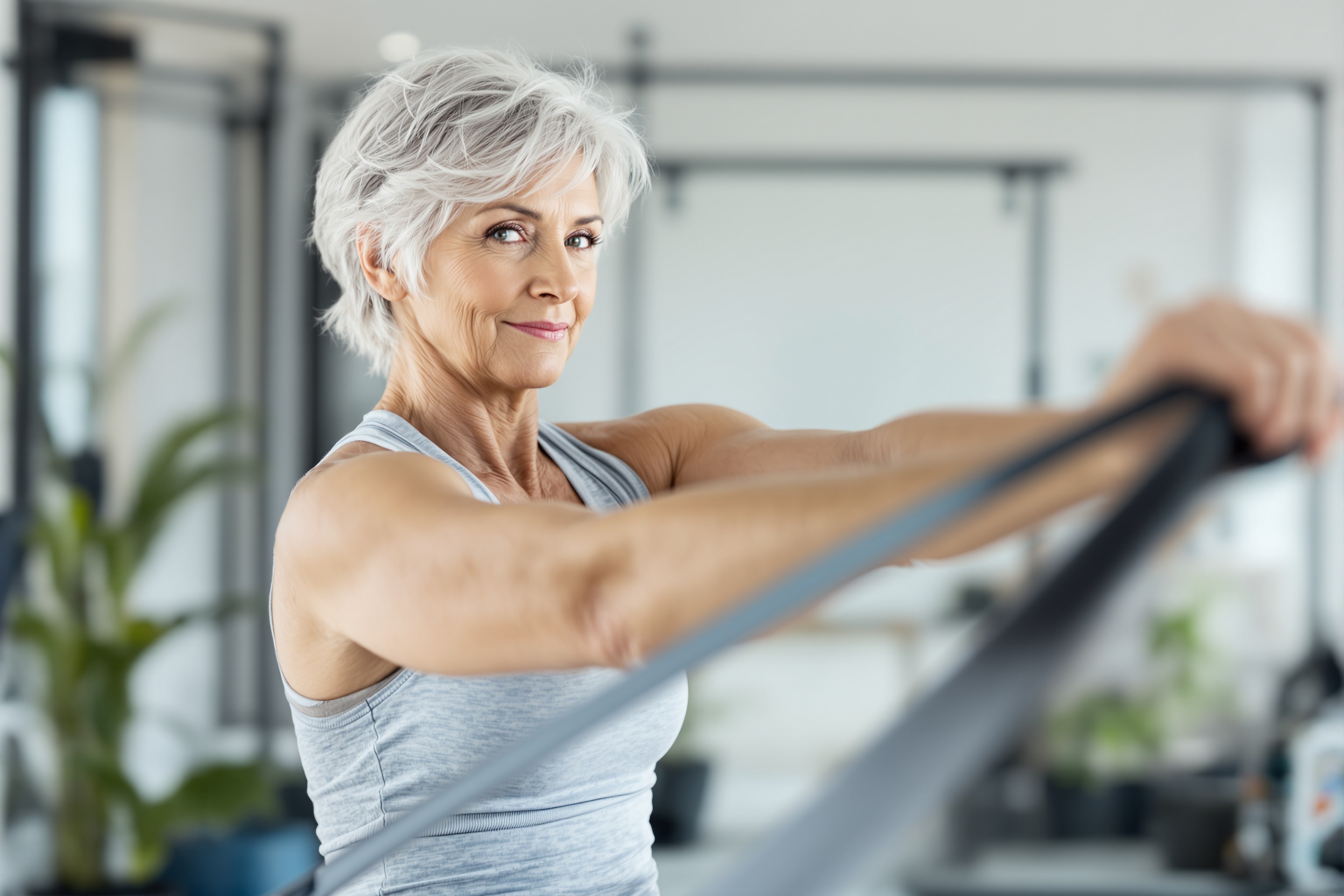
Why Resistance Bands? The Aging Muscle Dilemma
After the age of 50, most adults lose about 1–2% of muscle mass per year—a condition known as sarcopenia. This process not only weakens muscles but can also impact balance, walking speed, and the ability to perform daily activities. Loss of muscle strength is closely linked to decreased mobility, increased risk of falls, and a decline in overall quality of life. For many, that means a greater risk of losing independence.
Traditional resistance training—think dumbbells, barbells, and gym machines—can absolutely help. But not everyone has access to a gym, or the confidence to start lifting weights. Resistance bands offer a solution that’s accessible, adjustable, and gentle on aging joints. These bands provide resistance in both the upward and downward phases of a movement, challenging muscles in unique ways. They’re also easy to scale by simply choosing a thicker band or increasing the number of repetitions.
What the Research Shows
Meta-Analysis: Resistance Bands vs. Free Weights
A 2024 meta-analysis published in The Lancet Healthy Longevity reviewed 17 randomized controlled trials involving 3,200 adults aged 50–85. Researchers compared outcomes from participants using resistance bands to those using free weights or engaging in no structured strength training. Over 12–24 weeks, both resistance bands and free weights groups saw significant improvements in muscle strength—measured by grip strength, leg press, and chest press. The resistance band group improved strength by an average of 18%, while free weights groups improved by 21%. Importantly, both groups experienced similar gains in functional mobility—walking speed improved by 9–11%, and chair stand performance improved by 16–18%.
Mobility and Balance Gains
Another 2023 study in the Journal of Geriatric Physical Therapy followed 68 adults with mild mobility limitations over 16 weeks of supervised resistance band training. Participants engaged in twice-weekly sessions targeting major muscle groups: glutes, quads, hamstrings, chest, back, and arms. Results showed a 14% improvement in the Timed Up and Go (TUG) test—a key measure of functional mobility and fall risk. Balance, measured by single-leg stance time, improved by 21%.
Real-World Feasibility
A 2022 pragmatic trial in Preventive Medicine observed 100 adults aged 65+ performing a home-based resistance band program for six months. Participants received minimal supervision—a single in-person instruction session and monthly check-ins. Adherence rates topped 76%, with 81% reporting greater ease in daily movements like standing up, climbing stairs, and carrying groceries. Fewer than 5% reported any injury or discomfort, underscoring the safety and accessibility of resistance band routines for older adults.
Secondary Benefits: Cognitive and Metabolic Impacts
Emerging research is also exploring how resistance training, including bands, supports brain health and metabolic function. A 2023 pilot study in Neurobiology of Aging suggested that regular resistance band exercise in adults over 60 was associated with modest improvements in short-term memory and reduced symptoms of brain fog. Participants also showed improved insulin sensitivity—a crucial marker for diabetes prevention. These findings hint that resistance band training could have far-reaching health benefits beyond muscle alone.
How Bands Build Strength and Mobility
What Makes Bands Effective?
Resistance bands provide progressive resistance: as the band stretches, the resistance increases. This challenges muscles throughout the entire range of motion, making every repetition count. Unlike free weights that rely on gravity, bands can work muscles from unique angles—especially the glutes, rotator cuff, and hip stabilizers, all vital for walking, standing, and balance. Many classic band exercises, such as squats, rows, or lateral walks, specifically strengthen and tone your glutes, which act as a foundation for core stability and mobility.
Training Frequency and Volume
Most studies used two to three resistance band sessions per week, each lasting 30–40 minutes, with 8–12 exercises per session. Sets ranged from 2–4 per movement, with 10–15 repetitions. This structure mirrors traditional resistance training, but the lower joint stress allows more frequent movement for some individuals. Progression is achieved by increasing band thickness, reps, or sets over time. For many, this steady increase translates to continual strength gains and improved confidence in daily tasks.
Targeting Functional Movements
Unlike machine-based routines, bands excel at mimicking real-world movements—pushing, pulling, squatting, stepping, and twisting. These compound exercises help adults over 50 maintain or regain the ability to perform life’s basics: getting up off the floor, reaching overhead, carrying groceries, or navigating stairs. Functional mobility is more than a buzzword; it’s the difference between independence and reliance on others.
Limitations of Current Research
No study is perfect. The majority of published research to date includes relatively healthy, motivated adults—often those who volunteered for intervention trials. Few studies have examined outcomes among adults with severe frailty, multiple chronic illnesses, or recent injuries. Adherence in supervised trials tends to be higher than in real-world settings, where motivation can wane without support.
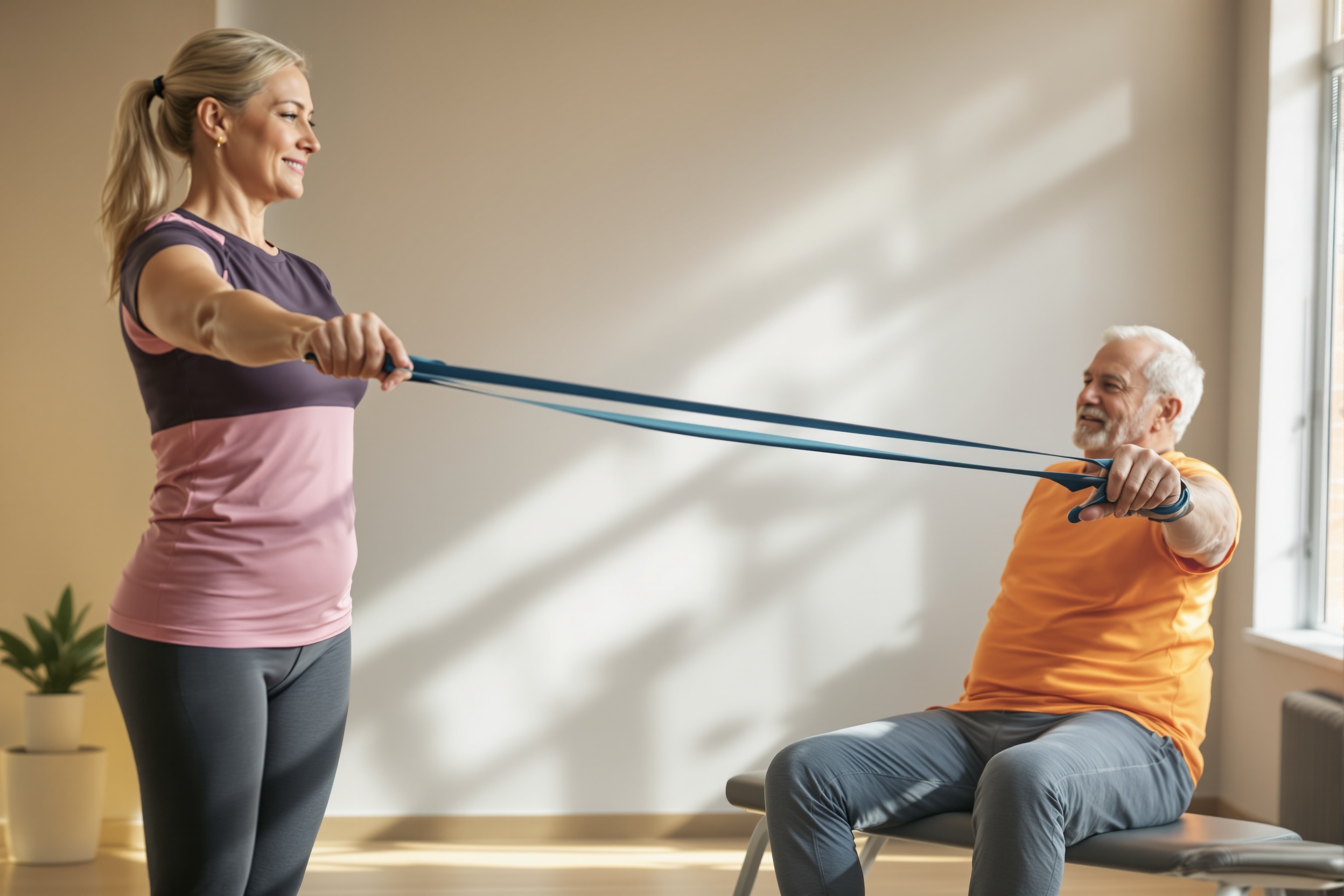
Another caveat: most trials used standard bands (yellow, red, green, or blue) and moderate resistance levels. Less is known about the upper limits of resistance, or how band training compares to heavier free weights for very advanced trainees. Long-term results (beyond one year) are also sparse. Moreover, while gains in muscle strength and mobility are clear, it’s harder to directly link band training to reduced falls or lasting independence due to the complexity of aging and lifestyle factors.
Practical Takeaways: Getting Started Safely
Band Selection
- Start with a set of light (yellow or red) and medium (green or blue) bands. Thicker bands provide more resistance for lower body exercises.
- Flat bands are best for anchoring under feet or around thighs; tube bands with handles are useful for exercises like rows or chest presses.
Sample Resistance Band Routine (2–3x/week)
- Squats (band under feet, band across shoulders or held in hands)
- Standing rows (anchor band at door or under feet)
- Lateral band walks (band above knees or ankles to strengthen and tone your glutes)
- Chest press (band anchored behind back or at door)
- Hip bridges (band around thighs, lying on back)
- Bicep curls (band under feet, curl handles toward shoulders)
- Overhead presses (band under feet, press handles overhead)
Perform 2–3 sets of 10–15 repetitions for each movement. Rest 30–60 seconds between sets. If the last few reps feel challenging but doable, you’ve chosen the right resistance.
Safety Tips
- Check bands before each use for cracks or tears.
- Anchor bands securely to avoid slippage.
- Maintain good posture, especially when performing pulling or pushing movements.
- If you have a history of joint pain, recent surgery, or unstable balance, consult a healthcare provider or physical therapist before starting.
Making It a Habit
Consistency beats intensity. Many adults over 50 see meaningful gains with just two to three sessions per week. Pairing band sessions with a daily walk, gentle stretching, or balance work can amplify results. Some find that keeping bands in visible places—on a doorknob, beside the TV, or in a bag—serves as a simple reminder to move. If you’re new to resistance work, consider joining a beginner class or accessing free video routines designed for older adults.
Beyond Muscle: Whole-Body Benefits
Supporting Joint Health
Resistance band movements typically place less compressive force on joints compared to lifting heavy free weights. For those with osteoarthritis or recovering from minor injuries, bands offer a safer entry point to strength work. Maintaining muscle around the hip, knee, and shoulder joints helps stabilize and protect these high-risk areas. This is especially relevant for men over 50, for whom joint health and overall mobility are deeply intertwined with long-term independence.
Prostate and Metabolic Health
Though most studies focus on strength and mobility, a handful point toward indirect benefits for prostate health and overall metabolic function. Keeping active with resistance band routines may support a healthy weight and lower body fat—two important factors related to prostate health support formula for men over 50. While not a substitute for a natural prostate support supplement, maintaining healthy muscle and metabolic function can play a supporting role in prostate support as you age.
Mental & Cognitive Boosts
Movement fuels the brain as much as the body. Studies show regular strength training, including with bands, can decrease symptoms of brain fog—that frustrating mental cloudiness linked to both aging and metabolic changes. Improved blood flow, greater physical confidence, and better sleep all contribute. While resistance band training isn’t a cure-all, it’s a practical pillar in a regimen of effective brain fog remedies.
Our Editorial Perspective
The evidence for resistance band training in adults over 50 is compelling—gains in strength and mobility are both achievable and maintainable, even without heavy weights or expensive equipment. For many, bands can bridge the gap between inactivity and more advanced strength work, serving as a safe and scalable entry point. We’ve seen readers and contributors alike report greater ease getting out of chairs, climbing stairs, or simply keeping up with grandchildren after just a few months of consistent band use.
However, no single exercise or tool is a magic bullet. The best fitness programs for older adults are those that combine strength, balance, and aerobic activity in ways that are enjoyable and sustainable. Resistance bands can be a key part of that mix, especially when paired with regular walking, stretching, and social movement (like group classes or partner workouts). For individuals facing significant health challenges, consulting with a professional before starting new exercise routines remains essential.
We recommend starting slowly, choosing a few core band exercises that target the major muscle groups, and building consistency first. If you’re able to layer in additional activities—yoga, swimming, or cycling—all the better. The goal is not perfection, but progress: more ease of movement, fewer aches, and a greater sense of independence. As always, listen to your body and seek support if in doubt. With the right approach, resistance bands can help you not only maintain but enhance your strength and functional mobility well into your 50s, 60s, and beyond.
Medical Disclaimer: The content provided in this article is for informational purposes only and is not a substitute for professional medical advice, diagnosis, or treatment. Always consult a qualified healthcare provider before starting any new exercise program, especially if you have underlying health conditions or mobility limitations.
Want Real Results from Your Workouts?
From targeted muscle activation to recovery science — explore the fitness tools and programs our team has tested and recommends.
Browse Reviewed ProductsAffiliate link — we may earn a commission at no extra cost to you. We only recommend what we genuinely trust.
Health Disclaimer
This article is for informational purposes only and is not a substitute for professional medical advice, diagnosis, or treatment. Always consult your physician or qualified healthcare provider before starting any new supplement, diet, exercise program, or health regimen. Individual results may vary.
Related Articles
Exercise Timing for Fat Loss: New Research on Morning vs. Evening Workouts Over 40
New studies suggest morning workouts offer a slight edge for fat loss and metabolic health in adults over 40, but both morning and evening exercise deliver benefits. Consistency matters most.
Best Pilates Reformers for Home Use: 2024 Top Picks for Every Budget
Reviewing 8 top Pilates reformers for home, we compare comfort, adjustability, durability, and suitability for all fitness levels—plus research and expert advice for 2024.
Best Ankle Weights for Walking: 2024 Reviews for Safe, Effective Workouts
The BodyBalance FlexStride Ankle Weights excel in comfort, adjustability, and effectiveness for adults over 40 seeking to boost walking and low-impact home workouts safely.
Get Evidence-Based Health Tips
Join our newsletter for weekly insights on nutrition, fitness, and wellness — backed by research, not hype.