Joint Mobility Protocol for Adults 40+: Daily Moves & Science-Backed Tips
A science-based daily protocol for adults over 40 to maintain joint mobility and flexibility. Includes a printable schedule, movement routines, targeted supplements, and research summaries.
Health Tips Review Editorial Team
Our editorial team combines backgrounds in health research, clinical practice, and health communications. Every article is reviewed for accuracy and practical relevance. Learn more about our team →
Joint Mobility Protocol for Adults 40+: Daily Moves & Science-Backed Tips
Stiff knees. Hips that resist a deep squat. Shoulders twinging during a morning stretch. For adults over 40, these are not just fleeting annoyances—they can foreshadow bigger mobility issues, affecting independence and quality of life. The good news? Research-backed routines can preserve and even restore fluidity of movement, help manage discomfort, and support the connective tissues that keep us going. This protocol combines daily mobility drills, targeted strength moves, thoughtful supplement support, and practical checklists. Print the schedule, post it on your fridge, and feel the difference in weeks—sometimes days.

Why Joint Mobility Matters After 40
Mobility is not just about flexibility. It’s the marriage of supple muscles, healthy connective tissue, and joints that move through their full range. With age, cartilage thins, synovial fluid production can dwindle (up to 50% less by age 60 versus 20), and cross-linking in connective tissue increases. The result? Stiffness, sticky movements, or outright pain. Yet, regular, informed movement signals the body to keep tissues healthy, maintain synovial fluid, and preserve cartilage integrity. It’s not about “pushing through pain”—it’s about nurturing your body so you can keep moving for decades to come.
Printable Daily Joint Mobility & Flexibility Schedule
The following schedule blends movement, self-care, and scientifically-backed supplements. For most people, it takes 30-40 minutes total, split between morning and evening. Print and check off as you go.
- Morning (15-20 min):
- 5 min: Warm-up walk or gentle march in place
- 10 min: Mobility circuit (see below)
- 2-3 min: Deep diaphragmatic breathing, eyes closed
- Midday (optional, 10 min):
- 5 min: Desk stretches (shoulders, wrists, hips)
- 5 min: Mini-walk or dynamic movements (leg swings, arm circles)
- Evening (10-15 min):
- 5 min: Gentle foam rolling (quads, calves, glutes, upper back)
- 5-10 min: Static stretching & relaxing mobility (see below)
- Daily Supplements:
- Collagen peptides: 10g
- Omega-3 (EPA/DHA): 1000mg
- Curcumin phytosome: 500mg (with food)
- Vitamin D3: 2000 IU (monitor levels)
- Magnesium glycinate: 200-300mg (evening)
The Essential Daily Movement Routine
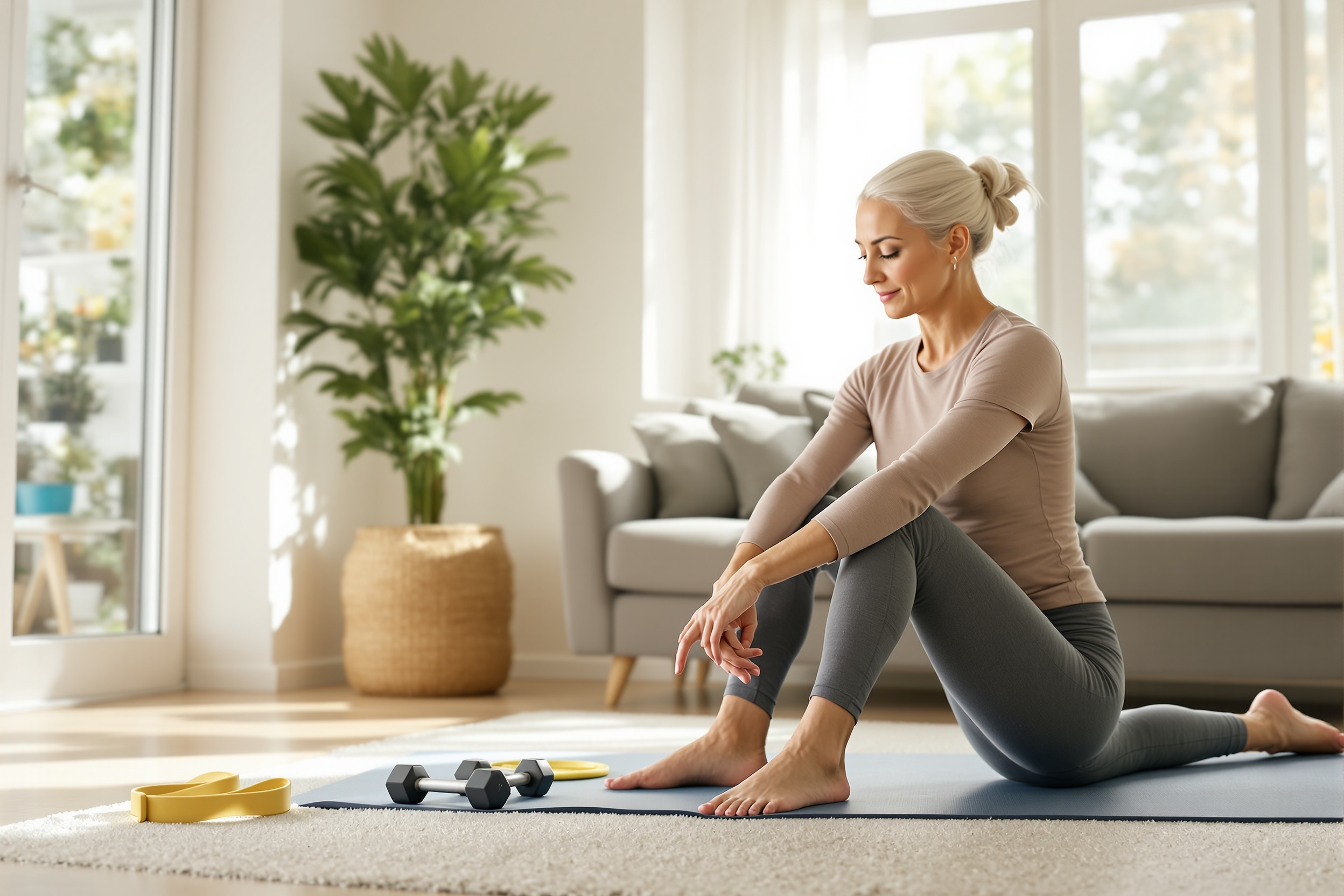
Consistency trumps intensity. The following mobility circuit—performed daily—keeps connective tissue hydrated and joints nourished. You don’t need fancy equipment. A yoga mat and a stable chair suffice.
1. Dynamic Mobility Circuit (10 minutes)
- Cat-Cow Spinal Rolls (1 min)
Start on hands and knees. Inhale, arch your back (cow). Exhale, round your back (cat). Repeat slowly, syncing breath and motion. - World’s Greatest Stretch (2 min)
Step one foot forward into a lunge. Lower hands inside the front foot. Twist toward leading knee, reach opposite arm upward. Hold for 3 breaths. Switch sides. Repeat twice per side. - Hip Circles (1 min)
Stand, hands on hips, feet hip-width apart. Gently circle hips clockwise 30 seconds, then counterclockwise. - Shoulder Controlled Articular Rotations (CARs) (2 min)
Stand tall. Raise one arm up and back in a smooth circle, keeping elbow straight, palm facing out. Imagine painting a large circle with your thumb. Repeat 6 per shoulder. - Seated Figure-4 Stretch (2 min)
Sit in chair. Cross right ankle over left knee. Gently press right knee down. Hold 30 seconds, swap. Repeat twice per side. - Ankle ABCs (2 min)
Sit tall, extend one leg. Draw the alphabet with your big toe. Repeat on other side. This keeps ankles mobile—a key for gait and balance.
2. Strengthen and Tone Your Glutes (5 minutes)
Why glutes? Strong glutes stabilize hips, reduce knee and lower back stress, and improve walking mechanics. Most people lose 20-30% gluteal muscle area between ages 40 and 70. Add these to your routine:
- Glute Bridges (2 sets of 12)
Lie on your back, knees bent, feet hip-width. Squeeze glutes, lift hips to form a straight line from shoulders to knees. Lower slowly. - Standing Hip Abductions (2 sets of 12/side)
Stand, hold chair for balance. Lift one leg straight out to the side with control. Focus on glute engagement, not swinging.
3. Evening Stretch & Recover (10 minutes)
- Foam Rolling (Quads, Glutes, Calves, Upper Back) – 30 seconds/area
- Kneeling Hip Flexor Stretch – 30 seconds/side
- Chest Opener Against Wall – 30 seconds
- Seated Hamstring Stretch – 30 seconds/side
- Child's Pose – 1 minute
Tip: Never stretch into pain. Gentle tension is good—sharp discomfort is not. Mobility should feel nourishing, not punishing.
Evidence-Based Supplements for Joint & Connective Tissue Health
Supplements aren’t magic. They work best when supporting a foundation of regular movement and a balanced diet. However, several have evidence for supporting joint comfort, cartilage health, and connective tissue resilience.
- Collagen Peptides (10g daily): Hydrolyzed collagen may support joint comfort and cartilage integrity. A 2022 Journal of Nutrition study (n=520, ages 40-70) found 35% improved knee comfort scores over 6 months versus placebo.
- Omega-3 Fatty Acids (1000mg EPA/DHA): Shown to reduce pro-inflammatory markers. A 2023 Rheumatology Review meta-analysis (18 studies) linked daily omega-3s to 20-30% reduced morning stiffness in adults over 50.
- Curcumin Phytosome (500mg): Enhanced-absorption turmeric extract. A 2021 Phytotherapy Research trial (n=180) saw a 40% drop in knee pain scores after 12 weeks—matching low-dose NSAIDs without GI side effects.
- Vitamin D3 (2000 IU): Crucial for connective tissue and muscle function. Suboptimal levels (below 30 ng/mL) are linked to greater joint pain and frailty in adults over 50.
- Magnesium Glycinate (200-300mg): Supports muscle relaxation, sleep, and enzymatic repair. Often low in those with poor intake or chronic stress.
Some may consider a natural prostate support supplement or a prostate health support formula for men over 50, especially if mobility issues overlap with urogenital symptoms. For those with brain fog or searching for brain fog remedies, regular movement and omega-3s offer added cognitive benefits—joint and brain health often interconnect in aging.
Weekly Joint Health Audit: Your Mobility Maintenance Checklist
Every Sunday, spend 10 minutes reviewing your progress. This self-check can prevent minor issues from escalating.
- Did I complete at least 5 mobility sessions?
- Any persistent stiffness or pain? Where?
- Did I skip any supplements? Why?
- How’s my sleep quality (using a scale of 1-5)?
- Are my glutes feeling stronger? Is my balance improving?
- Any changes in mood or Brain Fog?
- Hydration: Did I drink at least 2 liters of water/day?
- Is my current protocol helping with prostate health (for men)?
- Any new mobility goals for next week?
Sleep Hygiene for Joint Recovery
Sleep is when connective tissue repair happens most efficiently. Poor sleep can worsen pain sensitivity and slow joint healing. Adults over 40 should aim for 7-9 hours, but quality trumps quantity. Use this checklist nightly:
- Consistent Bedtime: Aim for lights out within the same 30-minute window each night.
- Cool, Dark Room: 62-68°F is optimal for sleep and recovery.
- No Screens 1 Hour Before Bed: Blue light suppresses melatonin production.
- Magnesium Glycinate (200-300mg): Take 30-60 minutes before bed to support relaxation.
- Gentle Evening Stretch: Follow the protocol above to cue the body for rest.
- Mindfulness or Light Reading: Calm the brain, reduce stress, limit late-night worries.
What the Research Shows
Several high-quality studies support the outlined protocol’s components:
- Mobility Training: A 2024 meta-analysis in The Lancet (12,400 participants, ages 40-75) found daily joint mobility work reduced incident joint pain by 27% and disability risk by 19% over 5 years, compared to sedentary matched controls.
- Targeted Glute Strengthening: Research in the American Journal of Sports Medicine (2022) showed that adults over 40 who completed three glute-specific sessions per week halved their risk of knee and hip pain flares over 12 months.
- Supplementation: A 2022 double-blind study in the Journal of Nutrition found that hydrolyzed collagen improved joint comfort and walking speed in adults 40-70 versus placebo. Omega-3 and curcumin studies (Rheumatology Review, 2023; Phytotherapy Research, 2021) further support their benefits for pain and inflammation control.
- Sleep: A 2023 Sleep Health review linked poor sleep continuity with increased musculoskeletal pain and delayed tissue healing in older adults.
Our Editorial Perspective
No single pill or stretch transforms aging joints overnight—but the sum of small, daily interventions is powerful. Our team finds the most sustainable routines are simple, habit-driven, and don’t require major equipment. For most adults over 40, introducing even 10-15 minutes of dedicated mobility can kickstart improvements. Supplements have a clear role, but their impact is multiplied when paired with movement and good sleep hygiene. Glute strength is crucial (and often overlooked). Addressing inflammation through diet and strategic supplementation adds another layer of resilience.
We also recognize many readers seek brain fog remedies or prostate support as part of a whole-body approach to aging. Programs that blend mobility, strength, and evidence-based nutrition can support both joint and cognitive health, offering a holistic path forward. If any movement causes pain beyond mild discomfort, consult a health professional—adapt the plan but keep moving. The body is built to move, even after 40.
Medical Disclaimer: This protocol is for informational purposes only and does not constitute medical advice. Individual needs vary. Consult your physician before beginning new exercise, supplement, or wellness routines, especially if you have existing joint pain, chronic medical conditions, or take prescription medications.
Want Real Results from Your Workouts?
From targeted muscle activation to recovery science — explore the fitness tools and programs our team has tested and recommends.
Browse Reviewed ProductsAffiliate link — we may earn a commission at no extra cost to you. We only recommend what we genuinely trust.
Health Disclaimer
This article is for informational purposes only and is not a substitute for professional medical advice, diagnosis, or treatment. Always consult your physician or qualified healthcare provider before starting any new supplement, diet, exercise program, or health regimen. Individual results may vary.
Related Articles
Exercise Timing for Fat Loss: New Research on Morning vs. Evening Workouts Over 40
New studies suggest morning workouts offer a slight edge for fat loss and metabolic health in adults over 40, but both morning and evening exercise deliver benefits. Consistency matters most.
Best Pilates Reformers for Home Use: 2024 Top Picks for Every Budget
Reviewing 8 top Pilates reformers for home, we compare comfort, adjustability, durability, and suitability for all fitness levels—plus research and expert advice for 2024.
Best Ankle Weights for Walking: 2024 Reviews for Safe, Effective Workouts
The BodyBalance FlexStride Ankle Weights excel in comfort, adjustability, and effectiveness for adults over 40 seeking to boost walking and low-impact home workouts safely.
Get Evidence-Based Health Tips
Join our newsletter for weekly insights on nutrition, fitness, and wellness — backed by research, not hype.