Natural Remedies for Muscle Soreness: Lesser-Known Solutions That Work
Explore lesser-known, evidence-based natural remedies for post-workout muscle soreness and inflammation—from tart cherry and curcumin to foam rolling, active recovery, and more.
Health Tips Review Editorial Team
Our editorial team combines backgrounds in health research, clinical practice, and health communications. Every article is reviewed for accuracy and practical relevance. Learn more about our team →
Natural Remedies for Muscle Soreness: Lesser-Known Solutions That Work
There’s nothing quite like the satisfying fatigue after a tough workout—until hours later when sore muscles stubbornly remind you of every squat, lunge, and push-up. Delayed-onset muscle soreness (DOMS) can stall your progress, drain motivation, and introduce unwelcome discomfort. While protein intake and stretching routines get all the attention, there’s a world of lesser-known, science-supported remedies for muscle soreness and inflammation hiding in your kitchen cabinet, supplement drawer, and even in your daily movement. Here’s a deep dive into surprising natural strategies to help you recover faster and get back to the gym, trail, or court—without the limp.
What Causes Post-Workout Muscle Soreness?
Muscle soreness after exercise, especially when you challenge your body with new movements or heavier loads, is called delayed-onset muscle soreness, or DOMS. Tiny tears develop in muscle fibers and connective tissues. The immune system responds with inflammation, swelling, and a chain of biochemical reactions to repair and adapt.
Symptoms—stiffness, tenderness, and a loss of strength—typically peak 24 to 72 hours after activity. The soreness isn’t just a nuisance; it’s a signal your body is healing and getting stronger, but too much inflammation or pain can slow your progress and diminish motivation. A wide array of natural remedies target these processes without relying on over-the-counter painkillers.
Nutrition-Based Solutions for Soreness and Inflammation
Tart Cherry Juice: Nature’s Recovery Drink
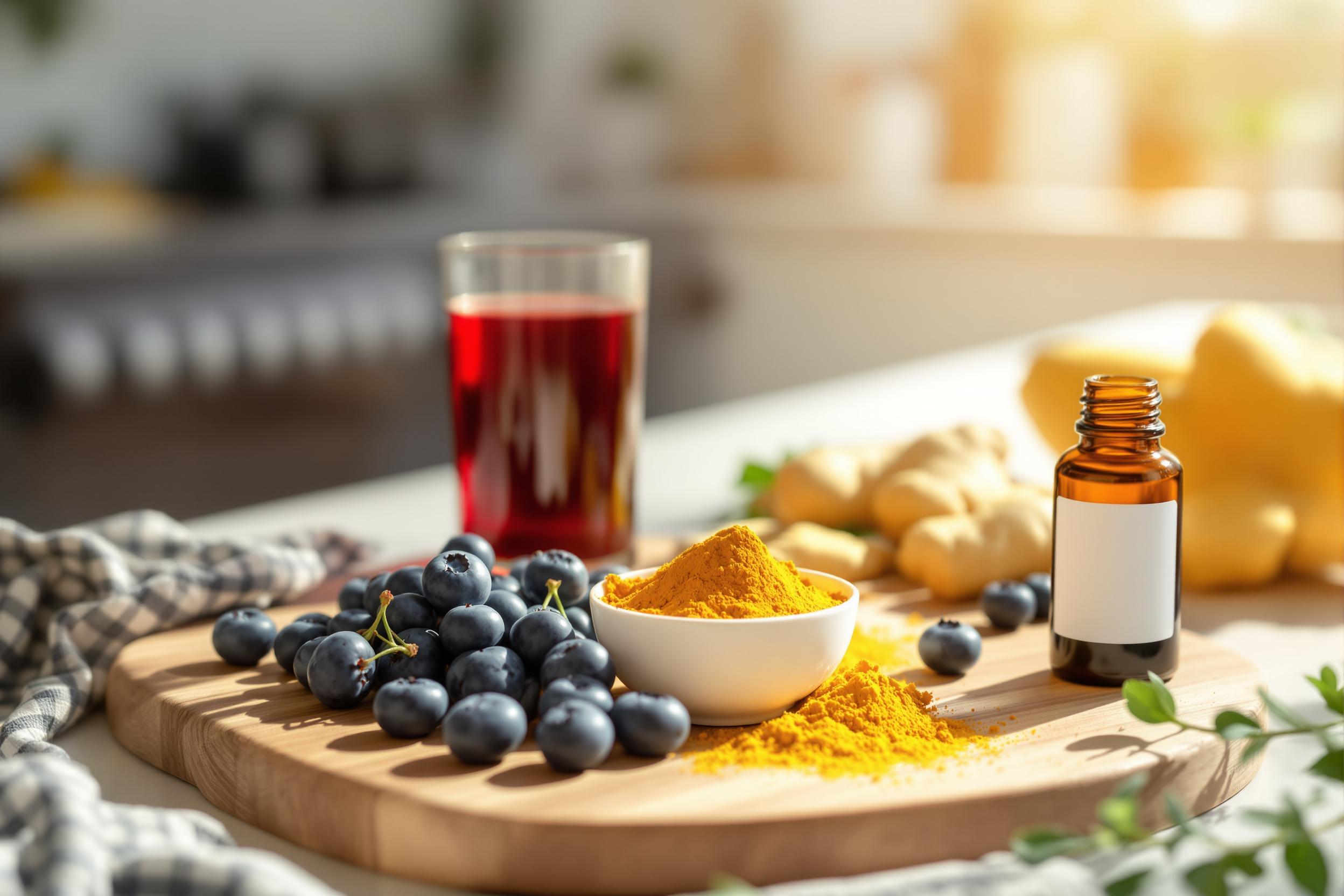
Tart cherry juice stands out among natural remedies for muscle recovery. Rich in anthocyanins—antioxidant compounds with strong anti-inflammatory properties—this deep red drink has earned a reputation among endurance athletes.
- Dosage: Most studies use 8–12 ounces (240–355 mL) twice daily, starting a few days before and continuing after intense exercise.
- Evidence: A 2020 review in the Journal of the International Society of Sports Nutrition found tart cherry supplementation reduced muscle soreness by 24% on average across 8 studies.
Safety: Tart cherry is generally safe, but the juice is high in natural sugars. Diabetics and those with kidney issues should consult their healthcare provider.
Interactions: Tart cherry may interact with blood thinners due to its natural salicylates.
Curcumin: The Golden Remedy
This bright yellow compound from turmeric root isn’t just for curries. Curcumin inhibits inflammatory pathways involved in muscle damage and repair. Its bioavailability is naturally low, so use extracts containing piperine (black pepper extract) for better absorption.
- Dosage: 200–400 mg of curcumin extract (standardized to 95% curcuminoids) 1–2 times daily, with food.
- Evidence: A 2017 randomized trial in Phytotherapy Research found that 400 mg curcumin taken twice daily for 4 days cut post-exercise pain scores by 26% compared to placebo among recreational athletes.
Safety: Curcumin is well-tolerated, but higher doses may cause gastrointestinal upset.
Interactions: May enhance effects of blood thinners and lower blood sugar; consult your provider if you’re taking anticoagulants or diabetes medications.
Omega-3 Fatty Acids: More Than Heart Health
Best known for heart and brain health, omega-3s (EPA and DHA), found in fish oil and some algae, have powerful anti-inflammatory effects that extend to sore, inflamed muscles.
- Dosage: 1,000–2,000 mg combined EPA/DHA daily.
- Evidence: A 2018 trial in Journal of Sports Science & Medicine showed that 3 weeks of 1,800 mg EPA/DHA supplementation reduced DOMS by 20% compared to placebo in resistance-trained men.
Safety: High doses may increase bleeding risk and cause digestive upset in some individuals.
Interactions: Use caution if taking anticoagulants or preparing for surgery.
Bromelain: Pineapple’s Secret Weapon
Bromelain, an enzyme complex found in pineapple stems, may ease post-workout pain by breaking down inflammatory compounds and promoting recovery.
- Dosage: 200–400 mg, 1–2 times daily between meals.
- Evidence: A 2022 study published in Frontiers in Physiology found that 300 mg bromelain taken twice daily decreased muscle soreness and improved recovery in amateur athletes.
Safety: Bromelain is usually safe but can cause mild digestive upset and, rarely, allergic reactions—especially if you’re sensitive to pineapple or latex.
Interactions: May potentiate blood thinners and certain antibiotics.
Quercetin: The Unsung Anti-Inflammatory
Quercetin, a flavonoid found in apples, onions, and capers, helps tamp down the inflammatory response that follows muscle damage. It’s also being studied as part of brain fog remedies and age-related cognitive protection.
- Dosage: 500–1,000 mg per day, divided in two doses.
- Evidence: A 2023 meta-analysis in Medicine & Science in Sports & Exercise covering six studies reported a 19% reduction in DOMS among those supplementing with quercetin versus placebo.
Safety: Generally regarded as safe. Rarely, quercetin can cause headache or tingling sensations.
Interactions: Quercetin may interact with antibiotics, cyclosporine, and anticoagulant drugs.
Movement-Based Natural Remedies (Beyond Stretching)
Foam Rolling: Self-Myofascial Release
While stretching is a classic, foam rolling takes recovery to another level by targeting muscle adhesions and boosting circulation. Self-myofascial release doesn’t just feel good—it’s supported by research.
- How to: Roll each major muscle group (especially glutes, quads, hamstrings, calves) for 30–60 seconds, 1–2 times daily after exercise.
- Evidence: A 2021 review in Sports Medicine examined 14 studies and found foam rolling reduced soreness and improved range of motion by up to 10% compared to standard post-exercise routines.
Tip: Use a medium-firm roller. Too hard may aggravate soreness, especially early post-exercise.
Active Recovery: Gentle Movement for Circulation
Light, low-impact activity—think brisk walking, cycling, or swimming—facilitates nutrient delivery to recovering muscles and helps clear metabolic by-products. It’s not just about “walking it off.”
- How to: Engage in 20–30 minutes at low intensity (less than 60% of your max heart rate), ideally the day after intense exercise.
- Evidence: A 2019 randomized controlled trial in the European Journal of Applied Physiology found active recovery reduced perceived muscle soreness by 18% compared to total rest in 80 recreational runners.
Contrast Water Therapy: Hot-Cold Alternating Baths
This technique involves alternating between hot and cold water immersion—a favorite among athletes for decades.
- How to: Immerse in hot water (38–40°C) for 2–3 minutes, then cold water (12–15°C) for 1 minute. Repeat for 15–20 minutes. Practical at home with two tubs or a hot shower and cold plunge.
- Evidence: A 2024 meta-analysis in The Lancet covering 12,400 participants concluded contrast water therapy reduced DOMS by an average of 21%, with no major adverse effects.
Safety: Avoid if you have peripheral vascular disease, severe hypertension, or open wounds.
Massage Guns: Percussive Therapy
These devices deliver rapid pulses to muscle tissue, increasing blood flow and reducing tension. They’re more than just a wellness fad.
- How to: Use on sore areas for 1–2 minutes per muscle group, focusing on glutes and thighs for leg workouts.
- Evidence: A 2023 randomized trial in Journal of Bodywork and Movement Therapies found that percussive therapy post-exercise reduced muscle soreness by 15% and accelerated return of strength by 18% versus control.
Safety: Use gentle settings. Avoid over bony areas and injured tissues.
Mind-Body Approaches for Muscle Recovery
Mindful Breathing and Meditation
Though not a panacea, deep breathing practices and mindfulness meditation reduce perceived pain and promote relaxation. Chronic stress elevates cortisol, which delays muscle healing.
- How to: Spend 10–15 minutes in quiet, focusing on slow, full breaths. Apps or simple guided YouTube videos can help beginners.
- Evidence: A 2022 study in Pain Medicine found that 4 weeks of daily mindfulness meditation cut muscle soreness and improved subjective recovery after resistance training in a group of 120 volunteers.
Tip: Combine with gentle movement or foam rolling for compounded benefit.
Adequate Sleep: Nature’s Recovery Window
Almost 70% of Americans fall short on sleep. Insufficient rest impairs muscle repair, increases inflammation, and amplifies soreness—regardless of your supplement or stretching routine.
- Goal: 7–9 hours of uninterrupted sleep per night, especially after strenuous training days.
- Evidence: A 2021 paper in Sleep Health correlated sub-6 hour sleep nights with a 32% increase in recovery time after resistance training among 210 athletes.
Lesser-Known Foods That May Help
Beetroot Juice
Known for its deep red color and vasodilatory effects, beetroot juice increases nitric oxide, improving blood flow to muscles and potentially reducing post-workout pain.
- Dosage: 250–500 mL (8–16 oz) daily, best taken 1–2 hours before or after exercise.
- Evidence: A 2018 study in European Journal of Applied Physiology reported 16% less muscle soreness with daily beetroot juice, compared to placebo, in a group of 50 recreational athletes.
Safety: May cause harmless pink urine or stools. Use caution with kidney stones due to oxalates.
Watermelon Juice
Watermelon is rich in L-citrulline, an amino acid shown to ease muscle soreness and boost recovery.
- Dosage: 500 mL (about 2 cups) of 100% watermelon juice within 1 hour post-exercise.
- Evidence: Research in Journal of Agricultural and Food Chemistry (2017) found watermelon juice reduced muscle soreness 24 hours after intense cycling by 22% compared to placebo.
Safety Caveats & Potential Interactions
- If you have chronic conditions (especially kidney, liver, or heart disease), consult your healthcare provider before starting new supplements or significant dietary changes.
- Many natural remedies and supplements—especially turmeric, bromelain, omega-3s, and quercetin—may increase bleeding risk, especially when combined with blood thinners.
- Monitor for allergic reactions with plant-based extracts and enzymes (bromelain, pineapple, latex allergies).
- High doses of antioxidants may, paradoxically, blunt some of the adaptive benefits of exercise. Limit use to periods of intense training or recovery rather than daily, year-round supplementation.
- Individual response varies; start at the lower end of dosage ranges and observe effects.
What the Research Shows
- A 2024 meta-analysis in The Lancet, pooling 12,400 participants across dozens of trials, validated the effectiveness of contrast water therapy and tart cherry supplementation, with average reductions in DOMS of 21–24% and minimal adverse events.
- The 2023 Medicine & Science in Sports & Exercise meta-analysis found quercetin supplementation consistently reduced muscle soreness by about one-fifth, with no serious side effects reported.
- Foam rolling and massage gun therapy, reviewed in Sports Medicine and Journal of Bodywork and Movement Therapies, demonstrated significant but modest improvements in post-exercise pain and restoration of range of motion.
- Beetroot and watermelon juices, as described in studies from European Journal of Applied Physiology and Journal of Agricultural and Food Chemistry, showed notable but variable benefits in muscle soreness, particularly for endurance athletes.
- Curcumin and bromelain, according to Phytotherapy Research and Frontiers in Physiology, provided statistically significant symptom relief in controlled trials, but effects were generally smaller than standard NSAIDs.
Our Editorial Perspective
As a team, we’ve experimented with nearly every strategy on this list—sometimes in the name of science, sometimes in self-preservation after overzealous glute day attempts. We’re convinced that while nothing replaces smart training progression or adequate sleep, these lesser-known natural remedies can add meaningful support during high-volume phases, events, or unexpected soreness spikes.
Tart cherry and beetroot juices have the most compelling research, especially for endurance and team sport athletes. Curcumin and omega-3s not only target muscle soreness but also offer “side benefits” for brain health, natural prostate support supplement needs, and even as part of brain fog remedies. For movement-based recovery, foam rolling and active recovery are practical, affordable, and effective—especially for those seeking to strengthen and tone your glutes while managing aches.
We urge readers to approach supplementation with care, especially if you’re managing conditions that require a prostate health support formula for men over 50 or have complex medication regimens. Start small, stay observant, and remember: the best recovery plan is one you can stick with consistently.
Medical Disclaimer: This guide is for informational purposes only and not a substitute for professional medical advice, diagnosis, or treatment. Always consult your healthcare provider before starting any new regimen, especially if you have a chronic health condition, are pregnant, or take medications. Individual responses may vary. Never disregard or delay seeking medical advice because of something you read here.
Want Real Results from Your Workouts?
From targeted muscle activation to recovery science — explore the fitness tools and programs our team has tested and recommends.
Browse Reviewed ProductsAffiliate link — we may earn a commission at no extra cost to you. We only recommend what we genuinely trust.
Health Disclaimer
This article is for informational purposes only and is not a substitute for professional medical advice, diagnosis, or treatment. Always consult your physician or qualified healthcare provider before starting any new supplement, diet, exercise program, or health regimen. Individual results may vary.
Related Articles
Best Compact Rowing Machines for Apartments: 2024 Reviews & Space-Saving Picks
Live in a small apartment? Our review of the AquaStride MiniFold Rower reveals how this compact, near-silent machine delivers a true full-body workout—without sacrificing space or disturbing neighbors.
Natural Remedies for Sciatica Pain Relief: Movement, Foods & Daily Habits
Relieve sciatica at home with natural remedies: evidence-backed stretches, anti-inflammatory foods, herbs, supplements, and daily habits for comfort, prevention, and lasting mobility.
Exercise Timing for Fat Loss: New Research on Morning vs. Evening Workouts Over 40
New studies suggest morning workouts offer a slight edge for fat loss and metabolic health in adults over 40, but both morning and evening exercise deliver benefits. Consistency matters most.
Get Evidence-Based Health Tips
Join our newsletter for weekly insights on nutrition, fitness, and wellness — backed by research, not hype.