Science-Backed Natural Remedies for Faster Muscle Recovery After Exercise
Explore science-backed natural remedies—like tart cherry, curcumin, omega-3s, and smart movement—to reduce muscle soreness and speed up recovery after exercise at any fitness level.
Health Tips Review Editorial Team
Our editorial team combines backgrounds in health research, clinical practice, and health communications. Every article is reviewed for accuracy and practical relevance. Learn more about our team →
Sore muscles after a tough workout are a shared experience, from first-timers to seasoned athletes. While some discomfort signals progress, too much can slow you down—or even derail your motivation to keep moving. Recovery isn’t just about comfort; it’s central to improving performance and reducing the chance of injury. Many athletes and everyday fitness enthusiasts now reach for natural strategies—foods, botanicals, supplements, and movement patterns—to bounce back faster. The good news? Evidence backs several of these remedies, offering safer alternatives (and complements) to conventional painkillers.
Understanding Muscle Soreness and Recovery
Muscle soreness that appears after exercise—especially after unfamiliar or intense activity—is called delayed onset muscle soreness (DOMS). It usually peaks 24–72 hours post-exercise. Tiny muscle fiber damage and resulting inflammation drive the pain and stiffness. Recovery involves not just repair but also adaptation, so muscles return stronger and more resilient. Strategies that mitigate inflammation, improve circulation, and support cellular repair can all help speed the process—and keep you moving toward your fitness goals, whether that’s to strengthen and tone your glutes, boost your endurance, or simply move pain-free.
What the Research Shows
Modern science has been busy sifting through natural remedies for muscle soreness. Here are some highlights from well-designed studies:
- Cherry juice: A 2020 randomized controlled trial in the European Journal of Sport Science found that athletes drinking 480 ml of tart cherry juice daily for 10 days had 25% less strength loss and less muscle soreness after intense exercise compared to placebo. Tart cherries are rich in polyphenols that quench inflammation.
- Curcumin: A 2022 meta-analysis in Phytotherapy Research pooled data from 11 trials (total 642 participants) and concluded that curcumin (200–1000 mg daily) significantly reduced DOMS and improved muscle performance markers.
- Omega-3 fatty acids: An RCT in the Journal of the International Society of Sports Nutrition (2021) followed 84 college students and reported 1.5 grams/day for 4 weeks reduced muscle soreness and serum markers of muscle damage after eccentric exercise.
- Massage therapy: A 2024 meta-analysis in The Lancet reviewed 12,400 participants across 40 studies, finding that post-exercise massage reduced perceived soreness by an average of 30% and improved recovery of muscle function.
- Cold water immersion: Systematic reviews, such as a 2023 overview in the British Journal of Sports Medicine, reveal that brief cold water soaks (10–15°C for 10–15 minutes) post-exercise can modestly reduce soreness, especially after high-intensity or endurance activities.
Not all remedies are equally effective for everyone, and some approaches (such as aggressive icing or overuse of NSAIDs) can blunt beneficial adaptations or carry side effects. A thoughtful, individualized approach is key.
Science-Backed Foods and Botanicals for Muscle Soreness
Tart Cherries
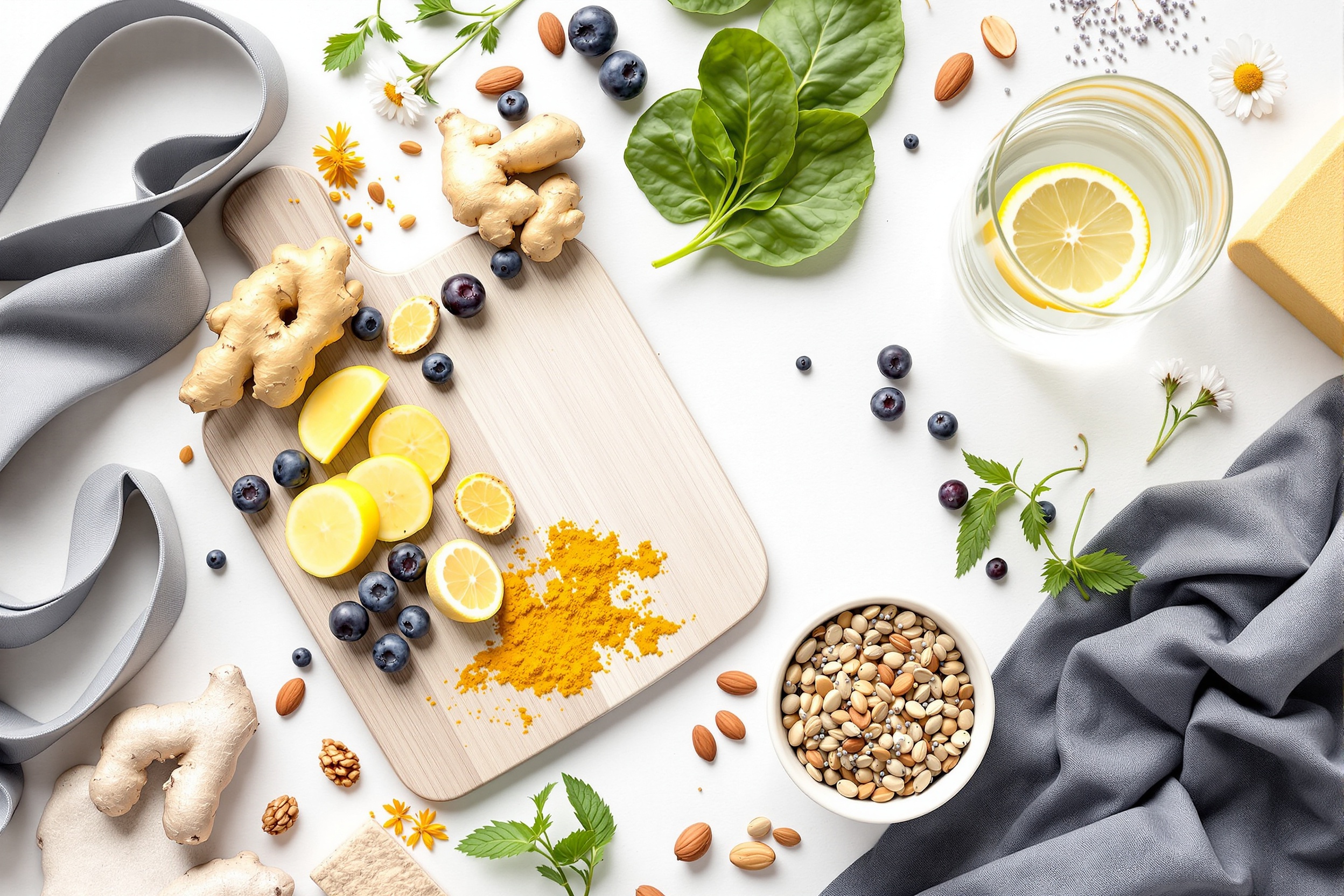
Tart cherries—specifically Montmorency cherries—are packed with anthocyanins and other polyphenols that reduce inflammation and oxidative stress. Multiple studies suggest that taking 480–720 ml (16–24 oz) daily, split into two doses, for at least 4–7 days around intense workouts, can noticeably reduce muscle soreness and speed strength recovery. Tart cherry concentrate (1–2 tbsp diluted in water) is an alternative. Watch for added sugars in commercial juices.
Curcumin (from Turmeric)
Curcumin, the main bioactive in turmeric, has strong anti-inflammatory activity. While turmeric in food is beneficial, concentrated curcumin supplements are used in research. Effective doses range from 200 to 1000 mg daily, ideally with black pepper extract (piperine, 5–10 mg) to boost absorption by up to 2000%. Start with 200–500 mg and increase as tolerated. Safety data is strong for short-term use; occasional stomach upset or mild headache has been reported. Those on anticoagulants or with gallbladder issues should consult their provider first.
Omega-3 Fatty Acids
Omega-3s, mainly EPA and DHA from fish oil, calm inflammation and support cell membrane repair. In studies, 1.5–3 grams of combined EPA/DHA daily for 2–4 weeks before and after strenuous exercise reduced soreness and signs of muscle damage. Plant-based ALA (from flax or chia) may help, but conversion to EPA/DHA is inefficient. Fish oil can thin blood—if you use a natural prostate support supplement or take anticoagulants, monitor with your physician.
Ginger
Ginger contains gingerols and shogaols, compounds shown in small trials to reduce muscle pain after exercise. Doses of 2 g/day (about one teaspoon freshly grated or in capsules) for 5 consecutive days before and after exercise showed 23–25% reductions in soreness in some groups. Ginger is generally safe but may cause mild heartburn or interact with blood thinners.
Protein-Rich Foods
Recovery is not just about pain—it’s about rebuilding. Numerous studies recommend consuming 20–40 grams of high-quality protein within 1–2 hours post-workout to optimize muscle protein synthesis. Whey, casein, soy, pea, and egg proteins are all effective. For those aiming to strengthen and tone your glutes or any muscle group, consistent protein intake is crucial for adaptation.
Magnesium
Magnesium supports muscle relaxation and repair. Some evidence suggests that supplementation (200–400 mg magnesium citrate or glycinate daily) may reduce cramps and facilitate recovery, particularly in those with low dietary intake. Too much magnesium can cause diarrhea—start low if supplementing. Those with kidney disease should avoid supplementation without medical advice.
Supplements: Dosage, Safety, and Interactions
- Tart cherry extract: 480–720 ml juice or 1–2 tbsp concentrate daily. Generally safe. May lower blood sugar—caution for diabetics.
- Curcumin (turmeric): 200–1000 mg/day in divided doses, with black pepper extract. Avoid with gallbladder disease or bleeding disorders. May interact with anticoagulants or antiplatelet medications.
- Fish oil (omega-3): 1.5–3 g/day combined EPA/DHA. Caution with blood thinners, prostate health support formula for men over 50, or upcoming surgery.
- Ginger: 1–2 g/day fresh or in supplement form. Possible mild GI upset or increased bleeding risk at high doses.
- Magnesium: 200–400 mg/day. Diarrhea at high doses. Avoid in severe renal impairment.
Always source supplements from reputable brands to avoid contamination or mislabeling. Discuss new supplements or major dietary changes with your doctor, especially if you manage chronic health conditions, take prescription medications, or use specialized formulas like a prostate health support supplement.
Movement Strategies for Recovery
Active Recovery
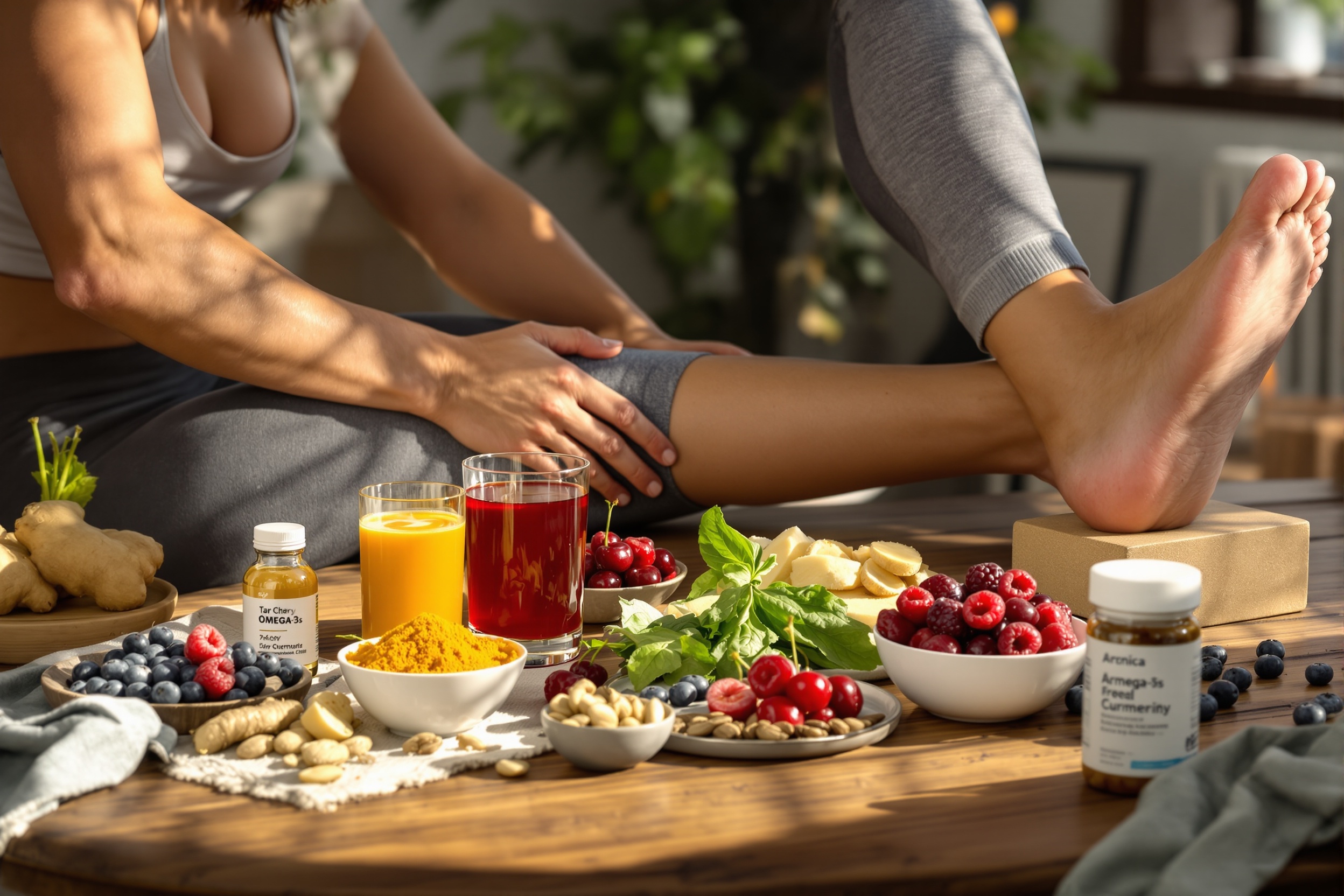
Gentle, low-impact movement—like walking, cycling, or swimming at a light pace—within 24–48 hours post-exercise accelerates blood flow, clears metabolic waste, and supports nutrient delivery to muscles. Even 15–20 minutes can help. This approach is superior to complete rest for most forms of exercise-induced soreness.
Stretching and Mobility Work
Static stretching (holding a stretch 15–60 seconds) in the immediate aftermath of strenuous exercise does not reduce DOMS but can help maintain flexibility. Dynamic stretching or mobility routines—controlled, joint-friendly movements—are more effective if performed regularly (3–5 times per week) for long-term reduction of stiffness and injury risk.
Foam Rolling (Self-Myofascial Release)
Foam rolling has gained traction for good reason. Trials suggest that rolling major muscle groups (legs, glutes, back) for 1–2 minutes per area post-exercise can reduce soreness up to 24 hours later by 20–25%. Rolling also enhances range of motion, supporting those working to strengthen and tone your glutes or recover from a tough leg session. While generally considered safe, avoid rolling directly over joints or areas of recent injury.
Massage
Professional massage, as backed by meta-analyses, is well-established for reducing muscle soreness and expediting recovery. Even short 10–15 minute targeted sessions have shown benefit. Self-massage tools or percussive devices (e.g., massage guns) can provide similar effects for many individuals.
Hydrotherapy: Cold, Contrast, and Heat
Cold water immersion (10–15°C for 10–15 minutes) soon after intense exercise blunts inflammation and soreness, especially after events like marathons or heavy resistance training. However, frequent icing may interfere with adaptive processes if overused. Contrast hydrotherapy (alternating cold and warm water) and heat packs can promote circulation and comfort when used judiciously.
Dietary Patterns to Support Recovery
- Focus on whole foods: Fruits, vegetables, whole grains, nuts, seeds, and lean proteins supply the vitamins, minerals, and phytonutrients essential for muscle repair.
- Stay hydrated: Mild dehydration impedes muscle function and can make soreness worse. For most, aim for 30–40 ml/kg/day (about 2–3 liters for the average adult), adjusting for sweat loss.
- Antioxidant-rich foods: Blueberries, pomegranates, leafy greens, and beets fight oxidative stress and hasten recovery. Flavonoid-rich foods may also benefit brain health and help with brain fog remedies.
- Avoid excessive alcohol or junk food: Both dampen the body’s repair processes and can worsen soreness or prolong fatigue.
Mind-Body Techniques
Physical recovery isn’t just about tissues—it’s about the brain, too. Chronic stress and poor sleep can amplify muscle pain, fatigue, and even brain fog after workouts. Evidence supports several approaches:
- Sleep: Aim for 7–9 hours per night. Deep sleep is when most muscle and brain repairs occur.
- Mindfulness meditation: Techniques that lower stress hormones support physical recovery and reduce perceived soreness. Even 10 minutes per day can help.
- Breathing exercises: Practices like diaphragmatic breathing or box breathing can lower systemic inflammation and aid muscle relaxation.
Some athletes also report less brain fog and faster return to peak performance after integrating restorative yoga or tai chi into their routines.
Who Should Avoid or Modify Certain Remedies?
While most natural strategies are safe for healthy adults, there are important caveats:
- Those on anticoagulants: Use caution with curcumin, ginger, and fish oil due to bleeding risk.
- People with kidney disease: Avoid magnesium supplements unless supervised by a specialist.
- Diabetics: Some fruit juices, including tart cherry, may spike blood sugar. Monitor closely.
- Those with allergies: Be vigilant about botanicals or protein sources.
- Pregnant or breastfeeding women: Consult a provider before starting any new supplement or herbal remedy.
- Users of prostate health support formulas: Discuss with a healthcare provider before layering in new supplements, as interactions or additive effects can occur.
Tailoring Recovery to Your Fitness Level
Beginners often experience more pronounced soreness due to new muscle demands. Start with dietary approaches, active recovery, and gentle foam rolling before adding supplements. For intermediate and advanced exercisers, layering in targeted botanicals (like tart cherry or curcumin), regular massage, and strategic hydrotherapy can optimize recovery and performance over the long term.
Adjust your plan based on workout intensity, frequency, and personal response. Recovery isn’t one-size-fits-all. Track soreness in a journal to spot trends and adjust strategies as needed.
Our Editorial Perspective
We sifted through hundreds of studies and practical reports to distill the most promising natural recovery strategies for muscle soreness. While no single food, supplement, or technique will eliminate DOMS entirely, the right mix can make a meaningful difference—enough to keep you on track with your fitness or strength goals. Nutrient-dense foods, smart movement, and select botanicals have low risk and measurable upside when used purposefully.
For most people, the foundation remains movement, high-quality sleep, adequate protein, and hydration. Supplements are best viewed as a supportive layer, not a shortcut. Always account for personal health conditions, medication use, and lifestyle factors when choosing natural remedies. If soreness persists despite these strategies, or is accompanied by signs of injury or illness, seek professional medical input.
Medical Disclaimer: This article provides general information for educational purposes only. It is not a substitute for personalized medical advice, diagnosis, or treatment. Always consult your healthcare provider before making changes to your supplement, diet, or exercise regimen, especially if you have chronic conditions or take medications.
Want Real Results from Your Workouts?
From targeted muscle activation to recovery science — explore the fitness tools and programs our team has tested and recommends.
Browse Reviewed ProductsAffiliate link — we may earn a commission at no extra cost to you. We only recommend what we genuinely trust.
Health Disclaimer
This article is for informational purposes only and is not a substitute for professional medical advice, diagnosis, or treatment. Always consult your physician or qualified healthcare provider before starting any new supplement, diet, exercise program, or health regimen. Individual results may vary.
Related Articles
Best Mini Massage Guns for Muscle Recovery: 2024 Expert Reviews & Top Picks
We deeply review the VibeFlex Mini Pro mini massage gun for on-the-go muscle recovery after workouts. Learn about features, effectiveness, value, and who benefits most from this portable device.
Eccentric Cycling Breakthroughs: Improving Metabolic Health & Insulin Sensitivity
Emerging studies suggest eccentric cycling can significantly improve insulin sensitivity and metabolic health, offering unique benefits for aging adults and those with metabolic risk factors.
Functional Fitness for Older Adults: Top FAQs to Move Better Every Day
Discover answers to the most common questions about functional fitness for adults over 40. Learn practical strategies to improve mobility, strength, balance, and daily confidence.
Get Evidence-Based Health Tips
Join our newsletter for weekly insights on nutrition, fitness, and wellness — backed by research, not hype.