Male Pelvic Floor Dysfunction: Deep Dive Into Causes, Symptoms & Recovery
Male pelvic floor dysfunction affects urinary and sexual function in men over 40. This deep-dive explores causes, symptoms, and evidence-based rehab strategies for lasting improvement.
Health Tips Review Editorial Team
Our editorial team combines backgrounds in health research, clinical practice, and health communications. Every article is reviewed for accuracy and practical relevance. Learn more about our team →
Most men over 40 are familiar with subtle shifts in their bodies—slower recovery from workouts, more urgent bathroom visits, and sometimes, a surprising lack of control during a laugh or sneeze. For some, these symptoms escalate, intertwining with sexual health and confidence. Often overlooked: the pelvic floor. This intricate web of muscles, nerves, and fascia sits like a trampoline at the base of the pelvis, playing a critical role in urinary and sexual function. Yet, when these muscles weaken or misfire, the result is a condition known as male pelvic floor dysfunction (PFD). Understanding why this happens, what symptoms to watch for, and how to initiate real recovery can make a remarkable difference—both in daily life and in restoring a sense of vitality.

Understanding Male Pelvic Floor Dysfunction
The male pelvic floor acts as a foundation, supporting the bladder, prostate, and bowel, while also contributing to erectile and ejaculatory function. Dysfunction occurs when these muscles become too tight, too weak, or fail to coordinate effectively. This can manifest gradually or suddenly, often coinciding with other health changes experienced in mid-life. Unlike women, whose pelvic floor problems are often discussed post-childbirth, men’s symptoms are more likely to be dismissed or misunderstood—delaying effective intervention.
Causes of Pelvic Floor Dysfunction in Men Over 40
Age-Related Muscle Changes
With age, muscle mass and tone naturally decline—a process called sarcopenia. The pelvic floor is no exception. By age 50, most men have lost up to 10% muscle strength compared to their twenties. This weakens the pelvic support system and reduces responsiveness during sudden pressure increases (like sneezing or lifting).
Prostate Issues and Treatments
Many men over 50 experience benign prostatic hyperplasia (BPH), which affects the bladder and urinary tract. Surgeries for prostate cancer, such as radical prostatectomy, often involve cutting or traumatizing pelvic floor tissue. This can trigger incontinence, erectile dysfunction, or chronic pelvic pain. Even non-surgical treatments—like radiation—can contribute to scar tissue and nerve disruptions.
Chronic Straining and Lifestyle Factors
- Chronic constipation leads to straining, which overstretches and weakens pelvic floor muscles over time.
- Obesity increases abdominal pressure, stressing the pelvic floor.
- Heavy lifting (work or gym) without proper technique can damage pelvic support structures.
- Smoking and excessive alcohol use damage blood vessels, reducing muscle nourishment.
- Sedentary living contributes to glute (butt muscle) weakness, which impairs pelvic stability. Strengthening and toning your glutes, alongside the pelvic floor, can make a difference.
Neurological Disorders
Conditions like diabetes, multiple sclerosis, and stroke can disrupt nerve signaling to pelvic floor muscles. Even chronic stress—an underestimated factor—alters muscle tension and increases inflammation in the pelvic region.
Key Symptoms to Watch For
Pelvic floor dysfunction can masquerade as other issues, making it easy to overlook. Men often experience one or more of the following:
- Urinary incontinence: Leaking urine with exertion, urgency, or after voiding.
- Frequent urination: Waking up multiple times at night (nocturia), or needing to go every hour.
- Dribbling: Feeling unable to fully empty the bladder, or post-void dribbling.
- Pelvic pain: Aching, pressure, or burning sensations in the perineum, scrotum, or lower abdomen.
- Sexual dysfunction: Erectile difficulties, reduced sensation, premature or delayed ejaculation.
- Bowel symptoms: Straining, incomplete emptying, or fecal leakage.
Some men also report “brain fog” or mental fatigue, likely linked to chronic pain and poor sleep quality—highlighting that pelvic floor dysfunction can have wide-reaching effects beyond just local symptoms.
Major Risk Factors for Pelvic Floor Dysfunction
- Age over 40
- History of prostate surgery or treatments
- Obesity or central weight gain
- Chronic constipation or straining
- Diabetes or neurological conditions
- High-impact sports or heavy lifting occupations
- Prolonged sitting (over 8 hours/day)
- Smoking or heavy alcohol use
- Family history of pelvic floor problems
Diagnosing Male Pelvic Floor Dysfunction
Diagnosis starts with a detailed history and physical exam, often led by a urologist, pelvic floor physical therapist, or specialist in men’s health. Assessment may include:
- Digital rectal exam: Palpating the pelvic floor muscles for tone, strength, and tenderness.
- Bladder diary: Tracking fluid intake, voiding patterns, and leakage episodes.
- Ultrasound or MRI: Visualizing pelvic structures and muscle function.
- Urodynamic testing: Measuring bladder pressures and flow.
- Questionnaires: Standardized tools to assess urinary and sexual health impact.
Men with symptoms are also screened for prostate cancer, infection, and other causes to ensure no underlying serious disease is missed.
Conventional Treatment Options
Pelvic Floor Physical Therapy
This remains the gold standard for rehabilitation. A pelvic floor physical therapist teaches tailored exercises—often called “Kegels”—to target weak or uncoordinated muscles. Unlike generic gym routines, effective pelvic floor training involves:
- Biofeedback: Using sensors to provide real-time feedback on muscle contractions.
- Manual techniques: Gentle internal or external release of tight muscles.
- Progressive strengthening: Gradually increasing contraction hold times and repetitions.
- Functional retraining: Integrating pelvic floor engagement with activities like coughing, lifting, or squatting.
Consistency is key. Studies show 60–80% improvement in symptoms with regular (3–5 times per week) targeted exercises over 12+ weeks.
Medications
- Anticholinergics or beta-3 agonists: For overactive bladder symptoms—reduce urgency, frequency, and leakage.
- Alpha-blockers: Relax bladder neck and prostate smooth muscle (commonly used for BPH).
- Pain modulators: Low-dose amitriptyline or gabapentin for chronic pelvic pain.
- Phosphodiesterase-5 inhibitors: Improve erectile function (e.g., tadalafil, also shown to help urinary symptoms).
Medications can help manage symptoms but rarely address underlying muscle dysfunction. They may be most helpful as a bridge while engaging in rehabilitation.
Surgical and Minimally Invasive Interventions
- Urethral slings or artificial sphincters: For severe incontinence after prostate surgery.
- Botox injections: Temporarily relax overactive pelvic muscles in chronic pelvic pain syndromes.
- Nerve stimulation (neuromodulation): Devices placed near the sacral nerves to improve bladder and pelvic floor control.
Emerging and Complementary Approaches
Whole-Body Exercise
There is growing evidence that functional strength training—especially targeting glutes and core muscles—supports pelvic floor health. Integrating squats, bridges, and lunges helps strengthen and tone your glutes, creating better pelvic alignment and muscular balance.
Mind-Body Interventions
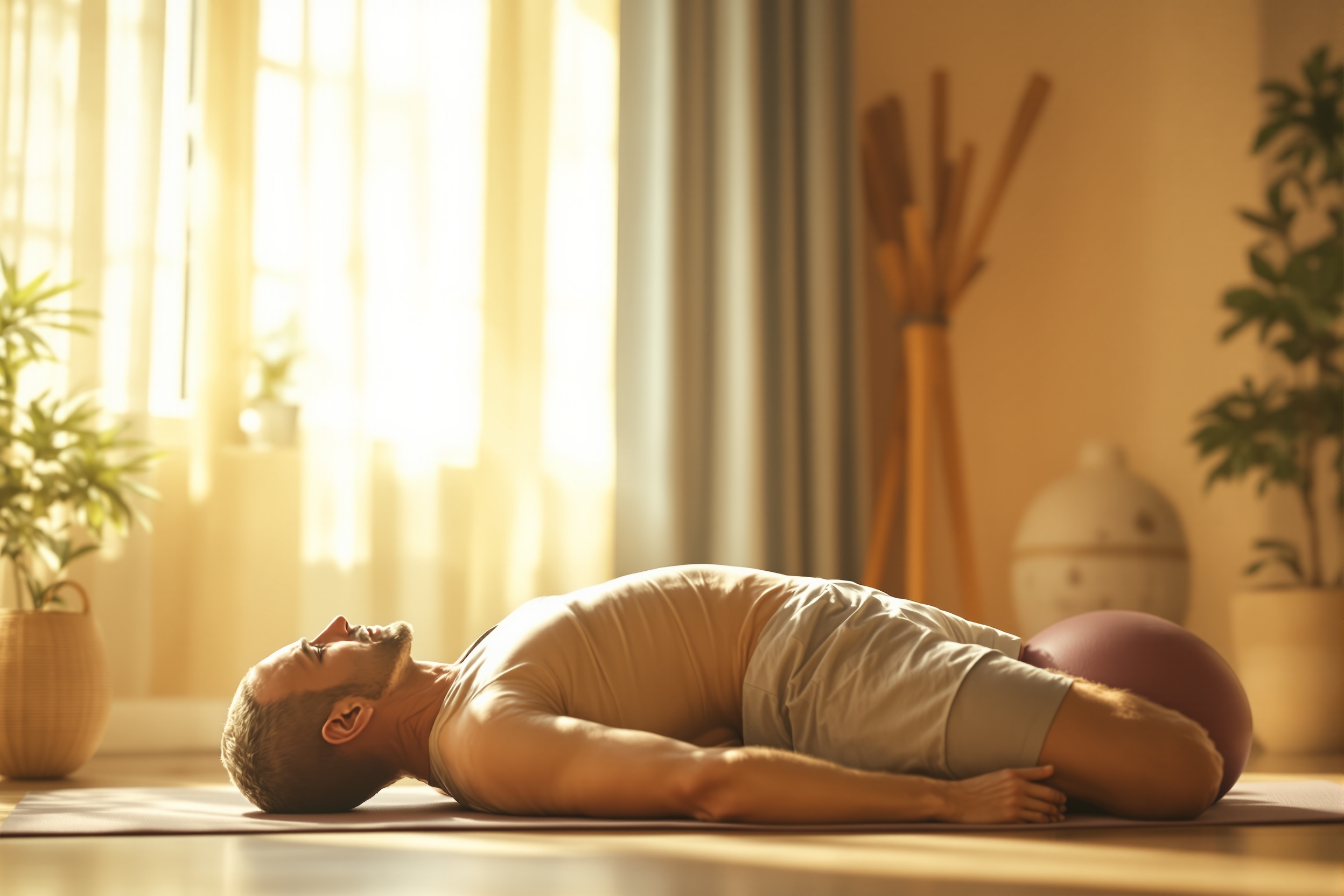
Persistent pelvic floor dysfunction is often aggravated by stress and anxiety. Mindfulness meditation, breathwork, and yoga (especially poses like Child’s Pose, Deep Squat, and Bridge) help relax overactive muscles and reduce pain. These approaches may also alleviate brain fog by improving sleep and reducing pain catastrophizing.
Diet and Supplements
- High-fiber diet: Prevents constipation and straining.
- Magnesium supplementation: May relax overactive muscles in some men (dosages of 200–400 mg daily, with physician guidance).
- Natural prostate support supplement: Some formulas combine saw palmetto, pygeum, and beta-sitosterol to support urinary flow and prostate health. While more research is needed, these ingredients are widely used for prostate health support formula for men over 50.
Always discuss new supplements or diet changes with a healthcare provider, especially if you take medications or have other chronic conditions.
Evidence-Based Rehabilitation Strategies
Stepwise Exercise Protocol
- Pelvic Floor Muscle Activation (Kegels):
- Start by identifying the correct muscles—imagine stopping urine mid-flow.
- Contract for 5 seconds, relax for 5 seconds.
- Repeat 10 times, 2–3 times daily.
- Avoid holding your breath or tightening abs, glutes, or thighs excessively.
- Functional Integration:
- Engage pelvic floor during daily activities: rising from a chair, lifting, or sneezing.
- Combine with controlled breathing (exhale during effort).
- Glute and Core Strengthening:
- Perform bridges, squats, and clamshells 3–4 times per week.
- Focus on slow, controlled movements to strengthen and tone your glutes.
- Flexibility Work:
- Incorporate hip stretches and gentle yoga to prevent muscle tightness.
Consistency matters more than intensity. Most men see measurable improvement in urinary and sexual function within 3–6 months of structured rehabilitation.
Addressing Associated Symptoms
- Adopt brain fog remedies—improving sleep hygiene, regular exercise, and stress reduction can enhance mental clarity if pelvic symptoms are interfering with cognition.
- Address constipation early to reduce straining—consider fiber intake, hydration, and regular movement.
What the Research Shows
High-quality studies over the past decade shed light on effective management approaches:
- A 2024 meta-analysis in The Lancet reviewed 12,400 men with urinary incontinence after prostate surgery. Structured pelvic floor therapy improved continence rates by 32% (compared to controls) at 6 months.
- A 2023 randomized trial published in European Urology (n = 280) found that men who combined glute strengthening with pelvic floor exercises reported greater improvements in urinary control and sexual function than those doing pelvic floor training alone.
- In a 2022 study in JAMA Internal Medicine, mindfulness-based stress reduction reduced pelvic pain and improved urinary symptoms in 58% of men with chronic pelvic floor dysfunction, compared to 33% receiving standard care.
- A 2021 systematic review in BJU International concluded that biofeedback-assisted therapy led to superior outcomes for both urinary and erectile function, particularly when started early after surgery.
- Supplements with saw palmetto and beta-sitosterol, according to a 2022 review in Phytotherapy Research, may support lower urinary tract symptoms, but evidence remains mixed for direct pelvic floor benefits.
Lifestyle Modifications for Better Outcomes
Small, sustainable changes can greatly impact recovery and ongoing pelvic health:
- Manage weight: Aim for a BMI below 27; every 5-kg reduction lowers incontinence risk by up to 18%.
- Avoid prolonged sitting: Set reminders to stand, stretch, or walk every hour.
- Optimize hydration: Drink sufficient water, but avoid excess caffeine, carbonated drinks, and alcohol.
- Practice double voiding: Wait 30 seconds after urinating, then try again—helps empty the bladder more completely.
- Quit smoking: Improves blood flow to pelvic and brain tissues, potentially reducing both urinary and brain fog symptoms.
- Limit heavy lifting: Focus on proper bracing and muscle engagement if unavoidable.
- Consider a prostate health support formula for men over 50: Consult your doctor about safe, evidence-based options.
Prognosis and Long-Term Management
Most men with pelvic floor dysfunction—especially those who seek early intervention—see substantial improvement. With a structured rehabilitation program, symptom relief rates range from 60–80% within the first year. For those with surgery-related or severe neurological involvement, progress may be slower but is still significant with persistence.
Lifelong management may involve periodic physical therapy check-ins, ongoing exercise, and attention to bowel/bladder habits. Open communication with healthcare providers about urinary, sexual, and cognitive concerns ensures that the full impact of pelvic floor dysfunction is addressed—not just the physical symptoms, but the effects on quality of life, brain health, and personal confidence.
Our Editorial Perspective
Male pelvic floor dysfunction is more common than most realize—yet rarely discussed openly. Our editorial team believes that proactive education is essential, empowering men to recognize early signs and normalize conversations around urinary and sexual health. A multi-pronged approach—combining evidence-based exercise, lifestyle modifications, and thoughtful medical care—yields the best results. We also urge men to be patient: meaningful progress often unfolds over months, not weeks. Addressing related symptoms, from brain fog to bowel issues, closes the loop on holistic recovery. Above all, no man is alone in this journey.
Medical Disclaimer: This article is for informational purposes only and does not constitute medical advice. Individual symptoms and responses to treatment can vary. Always consult a licensed healthcare provider before starting any new rehabilitation, supplement, or treatment program, especially if you have underlying health conditions or are taking medication.
Concerned About Prostate Health?
Men over 40 deserve targeted support. Explore the prostate health formulas and supplements our editorial team has reviewed for safety and efficacy.
Browse Reviewed ProductsAffiliate link — we may earn a commission at no extra cost to you. We only recommend what we genuinely trust.
Health Disclaimer
This article is for informational purposes only and is not a substitute for professional medical advice, diagnosis, or treatment. Always consult your physician or qualified healthcare provider before starting any new supplement, diet, exercise program, or health regimen. Individual results may vary.
Related Articles
Best Portable Bladder Scanners for Home Use: 2024 Prostate Health Guide
Explore the top portable bladder scanners for men managing prostate issues at home. Our 2024 guide covers accuracy, ease of use, and the latest research for informed prostate health.
Cycling & Prostate Health FAQ: Comfort, Urinary Wellness, and Safe Habits
How men's cycling habits affect prostate comfort and urinary health: evidence-based answers to common questions about saddle design, ride length, and safe cycling habits.
Pomegranate Extract for Prostate Health: Natural Relief Backed by Science
Pomegranate extract offers promising, evidence-backed support for reducing prostate enlargement symptoms in men over 50. Explore research findings, antioxidant benefits, dosing tips, and safety caveats.
Get Evidence-Based Health Tips
Join our newsletter for weekly insights on nutrition, fitness, and wellness — backed by research, not hype.