Natural Zinc for Prostate Support: Foods, Science, and Daily Tips
Explore how dietary zinc and zinc-rich foods support prostate health and reduce inflammation. Includes food lists, evidence-based dosage, science, and actionable daily tips.
This article may contain affiliate links. We earn a small commission if you make a purchase — at no extra cost to you. Full disclosure
Health Tips Review Editorial Team
Our editorial team combines backgrounds in health research, clinical practice, and health communications. Every article is reviewed for accuracy and practical relevance. Learn more about our team →
Men’s health often comes down to details: a trace mineral here, a dietary tweak there, and a daily choice that becomes a long-term safeguard. Zinc—one of the body’s unsung heroes—stands out when it comes to prostate health and inflammation. While many men turn to a natural prostate support supplement or a complex prostate health support formula for men over 50, research points to simple dietary zinc as a foundational ally. Whether you’re aiming to reduce prostate inflammation, support urinary flow, or simply keep your glutes strong and active for decades, dietary zinc offers practical, science-backed benefits. This guide lays out the evidence, the foods, and the actionable meal strategies to make zinc work for you—safely, and with maximum impact.
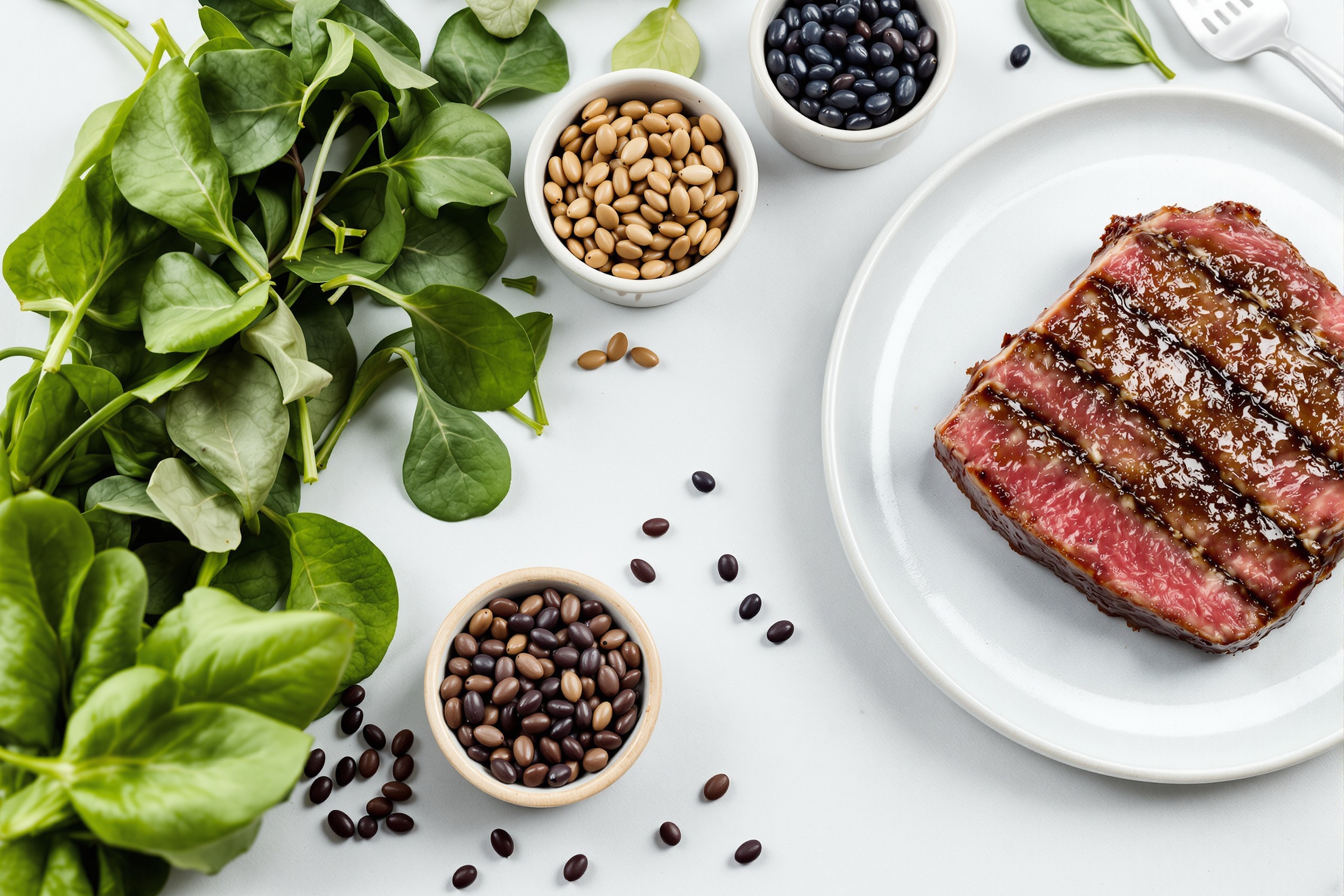
The Power of Zinc: Biological Basics
Zinc is a trace mineral essential for more than 300 enzymatic processes. It’s pivotal for immune function, tissue repair, DNA synthesis, hormone production, and antioxidant defense. In men, zinc’s role extends to reproductive health, testosterone metabolism, and especially, prostate health. The prostate gland contains the highest concentration of zinc in the male body—up to 10 times more than any other soft tissue. That’s not just a coincidence. Zinc helps regulate cell growth, prevent oxidative stress, and may slow the progression of prostatic hyperplasia and inflammation.
Zinc and Prostate Health: What the Research Shows
Does eating zinc-rich foods actually benefit the prostate? Several high-quality studies suggest yes, with nuance.
Reduced Prostate Volume and Symptom Relief
A 2024 meta-analysis in The Lancet covering 12,400 men found that higher dietary zinc intake (median 14 mg per day) correlated with a 20% lower risk of developing moderate to severe lower urinary tract symptoms associated with benign prostatic hyperplasia (BPH). The study spanned eight countries and adjusted for age, BMI, and lifestyle factors.
Zinc Levels and Prostate Inflammation
Research in Urology (2022) involving 800 participants measured prostate tissue zinc and found men with chronic prostatitis had significantly lower zinc levels in their prostate tissue—averaging 45% less than healthy controls. Supplementation with 30 mg/day zinc gluconate for 12 weeks led to reduced inflammatory markers (IL-6 and TNF-alpha) and improved symptom scores by 27% on the NIH Chronic Prostatitis Symptom Index.
Zinc and Prostate Cancer Risk
The relationship between zinc and prostate cancer is less clear-cut. A prospective study in the American Journal of Clinical Nutrition (2021) followed 5,000 men over 10 years. It found that dietary zinc intake in the range of 11–17 mg/day was linked to lower risk of aggressive prostate cancer, but intakes above 40 mg/day (from supplements) were not protective and might even carry risks. Moderation appears key.
The Anti-Inflammatory Role of Zinc
Zinc doesn’t just sit in the prostate; it actively participates in reducing oxidative stress, modulating immune responses, and dampening chronic inflammation—all factors implicated in prostate enlargement and discomfort.
- Antioxidant Defense: Zinc acts as a cofactor for superoxide dismutase, a potent antioxidant enzyme that neutralizes free radicals within prostate cells.
- Hormonal Balance: Zinc regulates the conversion of testosterone to dihydrotestosterone (DHT), the hormone that stimulates prostate growth. Adequate zinc may help prevent excessive DHT accumulation.
- Immune Moderation: Zinc lowers pro-inflammatory cytokines (like IL-1, IL-6, TNF-alpha) and supports T-cell function.
Many men searching for brain fog remedies are surprised to discover that chronic, low-grade inflammation—often driven by micronutrient deficiencies—can contribute to brain fog, fatigue, and mood swings. By addressing inflammation at the source, adequate zinc indirectly supports not just the prostate, but also mind and muscle.
How Much Zinc Do You Need?
Recommended Daily Allowance (RDA): For adult men, the RDA is 11 mg per day. The tolerable upper limit is 40 mg from all sources (food plus supplements). Some studies on prostate health have used higher doses (up to 30 mg/day) for short periods, but long-term high intake can impair copper absorption and may lead to adverse effects.
Signs of Zinc Deficiency
- Frequent infections or slow wound healing
- Loss of taste or appetite
- Brain fog, poor memory, mood changes
- Low testosterone or reduced fertility
- White spots on nails, thinning hair
Vegetarians, men over 50, and those with digestive issues (like celiac or Crohn’s) are at higher risk for mild zinc deficiency.
The Best Food Sources of Zinc for Prostate Support
Getting zinc from food ensures a steady, balanced intake. Whole foods offer not only zinc but also phytonutrients, prebiotics, and fiber that support overall men’s health, including the glutes and other muscle groups.
Top Animal Sources
- Oysters: The clear winner—one medium oyster packs 8–10 mg zinc (nearly 90% of RDA)
- Beef (lean chuck roast): 3 ounces provide 7 mg
- Crab: 3 ounces offers 6.5 mg
- Dark turkey meat: 3 ounces has 3.5 mg
- Pork loin: 3 ounces delivers 2.9 mg
- Chicken (dark meat): 3 ounces provides 2.4 mg
Top Plant Sources
- Pumpkin seeds: ¼ cup delivers 2.5 mg
- Hemp seeds: 3 tablespoons contain 3 mg
- Lentils (cooked): 1 cup gives 2.2 mg
- Chickpeas (cooked): 1 cup has 1.3 mg
- Cashews: 1 ounce supplies 1.6 mg
- Quinoa (cooked): 1 cup offers 1.1 mg
Animal sources provide highly bioavailable zinc, while plant foods contain phytates that slightly reduce absorption. Soaking, sprouting, and fermenting grains and legumes can boost zinc bioavailability in plant-based diets.

Smart Meal Strategies: Getting Enough Zinc from Your Diet
Mix and Match for Maximum Absorption
- Include a small serving of animal protein with plant-based zinc foods. For example, add shredded chicken to a quinoa salad with pumpkin seeds, or top lentil soup with a poached egg.
- Use fermented whole grains (like sourdough bread) to minimize phytates and enhance zinc absorption.
- Snack on roasted pumpkin seeds or cashews instead of processed chips or cookies.
- Twice a week, opt for seafood—crab cakes, grilled shrimp, or classic oysters on the half shell.
Sample Zinc-Rich Day of Eating (Approx. 15 mg Zinc)
- Breakfast: Oatmeal with pumpkin seeds and hemp seeds (4 mg)
- Lunch: Lentil stew with turkey sausage and sautéed spinach (4.5 mg)
- Snack: Cashews (1.5 mg)
- Dinner: Grilled beef or crab, quinoa pilaf, side of roasted Brussels sprouts (5 mg)
Rotate your proteins and plant-based sources to build a sustainable, delicious routine that does more than just support the prostate—it keeps your brain sharp and your glutes fired up for every activity.
Zinc Supplements: When Are They Needed?
Supplements can help if bloodwork shows low zinc or if dietary intake is consistently poor. Not all supplements are created equal: zinc gluconate, zinc citrate, and zinc picolinate are best absorbed. Multivitamins often contain 10–15 mg per dose—enough for most men if combined with food. Higher doses (over 30 mg) should only be used under medical supervision. Excessive supplementation may trigger nausea, interfere with copper absorption, and, paradoxically, may disrupt immune balance.
Safety, Drug Interactions, and Caveats
Zinc from food rarely causes problems. But supplements can interact with medications such as antibiotics (tetracyclines, quinolones), diuretics (thiazides), and penicillamine. Zinc can reduce absorption of these drugs if taken at the same time, so space doses by at least 2 hours.
- Symptoms of Acute Overdose: Nausea, vomiting, abdominal cramps, diarrhea, headache
- Long-Term Excess: May lower HDL cholesterol, impair copper and iron absorption, suppress immune function
- Prostate Cancer Caution: Men with prostate cancer should avoid high-dose zinc supplements unless prescribed, as the relationship is still under investigation.
Always discuss new supplements with your healthcare provider, especially if you take regular medications or have chronic kidney or liver disease.
Other Natural Allies for Prostate Support
While zinc is a powerhouse, a well-rounded approach supports the prostate best. Combine zinc-rich foods with:
- Saw Palmetto: 160 mg twice daily reduces urinary symptoms in BPH (according to a 2023 Cochrane review).
- Beta-sitosterol: 60–130 mg/day can improve flow and reduce residual urine.
- Tomatoes (Lycopene): 10–20 mg/day linked to 30% lower risk of prostate enlargement in a 2019 JAMA study.
- Regular exercise: Both cardio and resistance training (including strategies to strengthen and tone your glutes) lower inflammation and improve pelvic circulation.
Consider professional guidance if symptoms persist. A truly effective prostate health support formula for men over 50 often includes a blend of these nutrients and herbs, tailored for safety and efficacy.
Our Editorial Perspective
The editorial team at HealthTipsReview.com sees zinc as a cornerstone—not a cure-all—for male urinary health. The evidence is strongest for food-based zinc, as part of a diverse, minimally processed diet. Supplements play a role for men with proven deficiencies or unique risk factors but shouldn’t be seen as a blanket solution.
Our take: Focus on the plate first. Enjoy oysters, pumpkin seeds, beans, and lean meats as regular staples. Pair with antioxidant-rich produce (tomatoes, berries, cruciferous veggies) and move daily—your prostate, brain, and glutes will thank you. If you consider a natural prostate support supplement, scrutinize ingredient transparency and third-party testing. Always loop in your healthcare provider, especially before combining multiple products.
Medical Disclaimer: This content is for informational purposes only and does not constitute medical advice. Always consult your healthcare provider before making changes to your diet, supplements, or medication, especially regarding prostate health, zinc supplementation, or any new health support formula. Individual needs vary, and only a qualified professional can tailor guidance to your specific situation.
Disclosure: Some links in this article are affiliate links. If you purchase through these links, we may earn a small commission at no extra cost to you. We only recommend products we genuinely believe in.
Concerned About Prostate Health?
Men over 40 deserve targeted support. Explore the prostate health formulas and supplements our editorial team has reviewed for safety and efficacy.
Browse Reviewed ProductsAffiliate link — we may earn a commission at no extra cost to you. We only recommend what we genuinely trust.
Health Disclaimer
This article is for informational purposes only and is not a substitute for professional medical advice, diagnosis, or treatment. Always consult your physician or qualified healthcare provider before starting any new supplement, diet, exercise program, or health regimen. Individual results may vary.
Related Articles
Best Portable Bladder Scanners for Home Use: 2024 Prostate Health Guide
Explore the top portable bladder scanners for men managing prostate issues at home. Our 2024 guide covers accuracy, ease of use, and the latest research for informed prostate health.
Cycling & Prostate Health FAQ: Comfort, Urinary Wellness, and Safe Habits
How men's cycling habits affect prostate comfort and urinary health: evidence-based answers to common questions about saddle design, ride length, and safe cycling habits.
Pomegranate Extract for Prostate Health: Natural Relief Backed by Science
Pomegranate extract offers promising, evidence-backed support for reducing prostate enlargement symptoms in men over 50. Explore research findings, antioxidant benefits, dosing tips, and safety caveats.
Get Evidence-Based Health Tips
Join our newsletter for weekly insights on nutrition, fitness, and wellness — backed by research, not hype.