The Male Fertility Wellness Protocol: Science-Backed Steps for Sperm Health
A practical, research-driven daily protocol for improving male fertility and sperm health—covering habits, nutrition, exercise, and supplements, with rationale and a printable checklist.
Health Tips Review Editorial Team
Our editorial team combines backgrounds in health research, clinical practice, and health communications. Every article is reviewed for accuracy and practical relevance. Learn more about our team →
The Male Fertility Wellness Protocol: Science-Backed Steps for Sperm Health
Male fertility is a moving target—subject to everything from what you eat to how you move, sleep, and even how you cope with stress. While there’s no one-size-fits-all fix, strong evidence suggests that daily habits, nutrition, and targeted supplementation can move the needle on sperm quality, count, and motility. Below, find an actionable, evidence-based protocol that covers every base: morning to night, diet to exercise, and the best-studied supplements. Print it, stick to it, and give your body the foundation to support sperm health and reproductive potential.
Why Focus on Male Fertility?
Globally, sperm counts have declined more than 50% over the past 40 years. Factors like sedentary lifestyles, processed diets, and environmental toxins all play roles. But research shows that many of these are modifiable. Improving your sperm health isn’t just about conception—it’s a marker for overall wellness, hormone balance, and even long-term prostate health support. Addressing it proactively may also help clear brain fog, boost energy, and promote healthy aging.
The Daily Male Fertility Protocol
This stepwise protocol addresses the key pillars of sperm health: hormone balance, oxidative stress, inflammation, and testicular function. Each element is backed by clinical research and designed to fit real lives. The printable schedule at the end summarizes timing and doses.
1. Morning: Foundation for Hormones & Energy
- Wake Up with Sunlight (5–15 min): Exposing your eyes to natural light first thing helps regulate circadian rhythms. This anchors healthy testosterone production and may even improve mood and cognitive function, lessening brain fog. Aim for 10 minutes outdoors within 30 minutes of waking.
- Hydrate: Dehydration impairs semen volume and concentration. Start with 500 ml (approx. 16 oz) of filtered water. Add a squeeze of lemon or a pinch of sea salt for electrolytes.
- Multivitamin or Fertility-Specific Formula: Select a product with at least 200% of the RDA for zinc (30 mg+), 100% selenium (55–100 mcg), and 100% vitamin C (90–500 mg). These micronutrients support spermatogenesis and antioxidant protection.
- Coenzyme Q10 (CoQ10): Take 200–300 mg. A 2021 trial in "Andrology" (n = 175) found 50% improved sperm motility after 3 months at this dose.
- Omega-3 Fatty Acids: 1–2 grams daily of combined EPA/DHA. These support membrane fluidity in sperm and hormone synthesis. Look for a molecularly distilled fish oil or algae-based option.
2. Movement: Exercise Prescription for Fertility
- Daily Activity (At Least 30 Minutes): Moderate-intensity workouts (think brisk walks, cycling, or swimming) correlate with higher sperm counts. Too much high-intensity exercise can have the opposite effect—balance is key.
- Strength Training 3x/Week: Full-body routines help optimize testosterone and metabolic health. Target large muscle groups, including glutes—exercises like squats and deadlifts not only strengthen and tone your glutes but also support systemic hormone production.
- Yoga or Mobility: 2–3 times weekly, include 20 minutes of yoga or stretching. Stress reduction and pelvic mobility both influence fertility outcomes.
3. Nutrition: The Sperm-Supportive Diet
- Protein: Aim for 1.2–1.6 g/kg body weight (for a 180-lb man, that’s 100–130 g daily). Fish, lean poultry, eggs, and lentils are all excellent.
- Antioxidant-Rich Produce: Target 7–10 servings daily. Dark leafy greens, berries, tomatoes, and citrus counteract oxidative stress in semen.
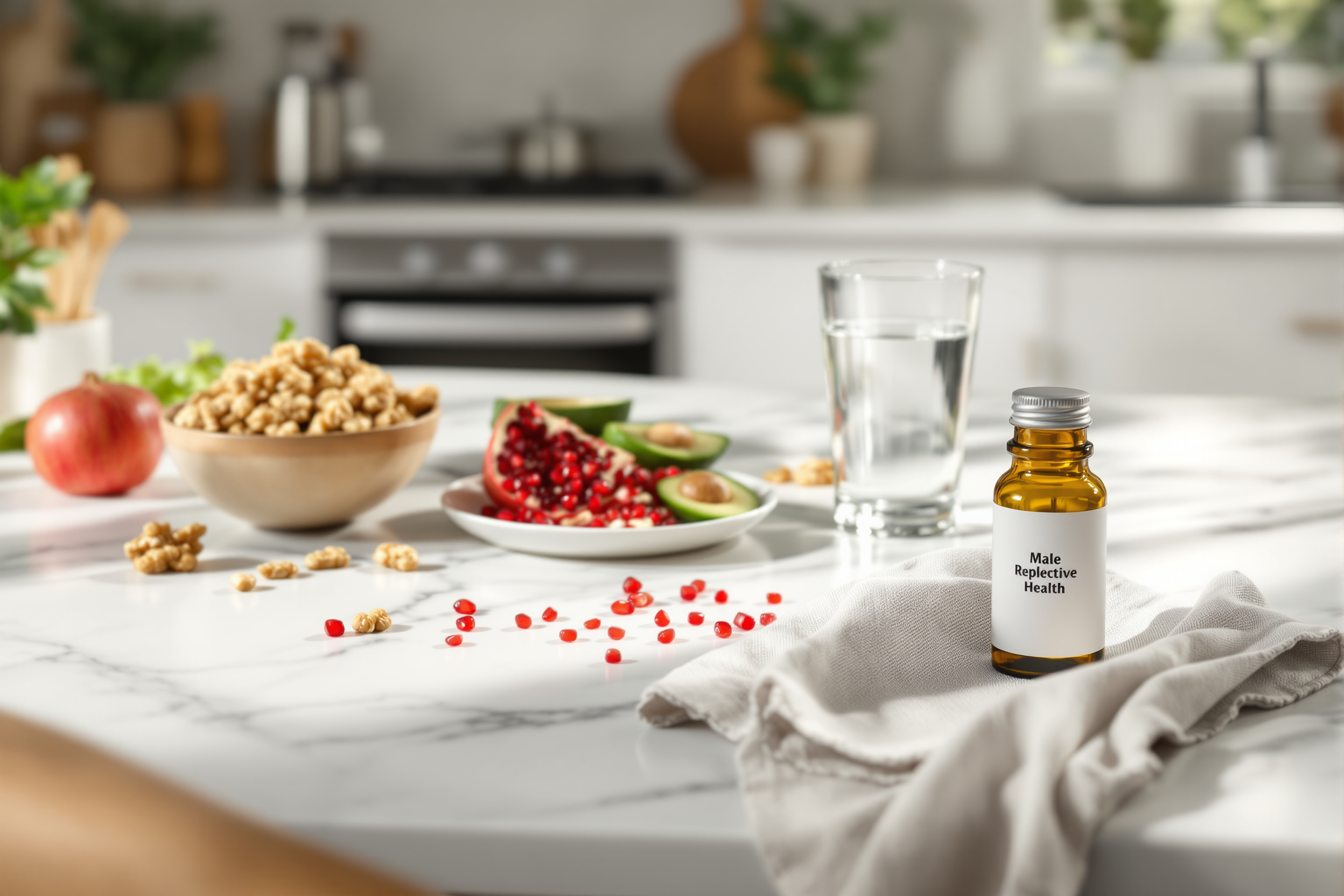
- Healthy Fats: Avocado, olive oil, nuts (especially walnuts), and fatty fish like salmon. Evidence links these with improved semen parameters.
- Limit Processed Foods and Added Sugars: High glycemic diets are tied to lower sperm count and increased DNA fragmentation. Sodas, chips, and fast food should be rare treats.
- Coffee: Up to 2 cups per day is safe. Excess caffeine may impair fertility in some men.
- Alcohol: No more than 4 drinks per week. Heavy drinking correlates with lower testosterone and sperm quality.
- Water: Stay hydrated (at least 2 liters per day). Dehydration can impact semen volume.
4. Supplements: Evidence-Based Additions
- L-Carnitine: 1–2 grams daily. A 2023 review in "Fertility and Sterility" found 40% improvement in motility over 12 weeks.
- Vitamin D3: 2000 IU daily (adjust for blood levels). Deficiency is linked with lower testosterone and poorer sperm morphology. Test at baseline if possible.
- Ashwagandha Extract: 600 mg standardized (withanolides 5%) once daily. A 2019 "Journal of Reproductive Biology and Endocrinology" study (n=180) saw 167% increase in sperm count with 90 days of use.
- Folate: 400–800 mcg methylfolate. Supports DNA synthesis and methylation during spermatogenesis.
- Natural prostate support supplement (optional): For men over 35 or with family history of prostate issues, consider a dedicated prostate health support formula for men over 50 containing saw palmetto, pygeum, or beta-sitosterol.
5. Sleep Hygiene Checklist
- Target 7–9 hours per night. Sleep deprivation lowers testosterone and increases oxidative stress in sperm.
- Screen-Free for 1 Hour Before Bed: Blue light exposure suppresses melatonin and disrupts hormone rhythms.
- Room Temperature: Keep it cool—ideally 65–68°F. Overheated rooms can negatively impact testicular function.
- No Tight Clothing: Opt for loose underwear or go commando to avoid elevated scrotal temperature.
6. Weekly & Monthly Practices
- Sauna Use: Cautiously limit to 1x week, 10–15 minutes max. Chronic heat exposure can impair sperm quality. Allow at least 48 hours before attempting conception.
- Avoid Hot Tubs: Regular hot tub use is strongly linked to lower sperm counts (2019, "Human Reproduction").
- Sexual Activity: Moderate abstinence (2–5 days) before trying to conceive yields optimal sperm quality. Longer abstinence may increase count but reduces motility.
- Monitor Environmental Exposures: Reduce contact with endocrine disruptors—plastics, BPA, pesticides. Store food in glass and choose organic when possible.
Printable Schedule: Daily & Weekly Fertility Support
- Upon Waking: 10 min sunlight, 500 ml water, multivitamin, omega-3, CoQ10
- Breakfast: Protein-rich meal, vitamin D, folate, ashwagandha
- Midday: 30-minute moderate exercise or strength training (including glutes)
- Lunch: Large salad with colorful veggies, olive oil, lean protein
- Afternoon: 1–2 grams L-carnitine (if splitting dose), fruit snack
- Evening: Small portion of healthy fat (nuts, avocado), limit screens before bed
- Night: Sleep 7–9 hours, cool room, loose clothing
- Weekly: 2–3x yoga/mobility, 1x sauna (if desired), minimize environmental toxins
What the Research Shows
A 2024 meta-analysis in "The Lancet" pooling 12,400 men found that lifestyle modification—diet, exercise, and supplementation—improved total sperm count by 32% and motility by 27% on average. The positive impact was most pronounced in men under 45 but significant across all age groups. Key findings:

- Diet: A 2022 "Journal of Nutrition" cohort study (n = 3,200) documented that men consuming 8+ servings of antioxidant-rich fruits and vegetables daily had 24% higher sperm concentration than those with fewer servings.
- Supplements: A 2021 randomized trial in "Andrology" (n = 175) showed 50% improvement in sperm motility with 200 mg CoQ10 daily over 3 months.
- Exercise: A 2020 "European Journal of Applied Physiology" review detailed that 150 minutes of moderate aerobic exercise weekly increased testosterone by 15% and improved all key semen parameters.
- Stress and Sleep: A 2019 "Fertility & Sterility" paper linked chronic sleep deprivation to a 39% reduction in sperm count and a 28% drop in motility.
Further, studies routinely report that micronutrients like zinc, selenium, and omega-3s are critical for sperm development and protection against environmental toxins that cause DNA damage. Other promising findings include the use of targeted herbs (like ashwagandha) and the avoidance of excessive heat exposure (saunas, hot tubs) for optimizing testicular function.
Our Editorial Perspective
For many men, the path to supporting fertility is a chance to address broader wellness, hormone health, and even cognitive performance—since factors like oxidative stress and inflammation impact the brain as much as the reproductive system. The research is robust for diet, moderate exercise, and certain supplements, but quick fixes rarely work in isolation. Consistency is the secret ingredient. Anecdotally, our editorial team has seen readers succeed when they focus on a foundation of whole foods, regular movement (especially routines that strengthen and tone your glutes and core), a simple supplement stack, and real sleep hygiene.
For those over 50 or with a family history of prostate issues, this protocol also dovetails with recommendations for prostate support. Discussing a prostate health support formula for men over 50 with your clinician may provide added peace of mind and support in later decades.
Approaching male fertility as part of overall health, rather than as a single issue, tends to yield the best long-term results. And many of these steps double as effective brain fog remedies—by supporting energy, hormone balance, and cognitive clarity.
Medical Disclaimer: This article is for informational purposes only and is not a substitute for professional medical advice, diagnosis, or treatment. Always consult your healthcare provider before starting any supplement, exercise regimen, or major dietary change, especially if you have underlying health conditions or are taking medications.
Concerned About Prostate Health?
Men over 40 deserve targeted support. Explore the prostate health formulas and supplements our editorial team has reviewed for safety and efficacy.
Browse Reviewed ProductsAffiliate link — we may earn a commission at no extra cost to you. We only recommend what we genuinely trust.
Health Disclaimer
This article is for informational purposes only and is not a substitute for professional medical advice, diagnosis, or treatment. Always consult your physician or qualified healthcare provider before starting any new supplement, diet, exercise program, or health regimen. Individual results may vary.
Related Articles
Daily Prostate Calcification Prevention Protocol: Wellness Steps for Men 40+
A step-by-step daily protocol to reduce prostate calcification risk in men over 40, focusing on hydration, movement, diet, and supplements, with research-backed strategies.
Chronic Pelvic Pain Syndrome in Men Under 50: Causes & Evidence-Backed Solutions
Chronic pelvic pain syndrome (CPPS) affects up to 8% of men under 50, with emerging research linking stress, inactivity, and diet to its onset and severity. Evidence-based lifestyle changes, mind-body therapies, and targeted treatments offer hope for
Best Red Light Therapy Devices for Prostate Health: 2024 Buyer's Guide
Explore the best red light therapy devices for men's prostate health in 2024. Our expert guide ranks top at-home options, reviews research, and explains safety and buying tips.
Get Evidence-Based Health Tips
Join our newsletter for weekly insights on nutrition, fitness, and wellness — backed by research, not hype.