Aromatherapy for Stress Relief: Natural Scents That Boost Your Mood
Discover which essential oils relieve stress, boost mood, and clear brain fog. Evidence-based aromatherapy safety tips, dosages, and science-backed strategies for mental wellness.
Health Tips Review Editorial Team
Our editorial team combines backgrounds in health research, clinical practice, and health communications. Every article is reviewed for accuracy and practical relevance. Learn more about our team →
Wafts of lavender, citrus, or cedarwood—aromas that stop you mid-thought, that lift a heavy mood, that somehow signal safety to an anxious brain. Aromatherapy isn’t just a wellness trend. For centuries, humans across cultures have harnessed plant scents as remedies for body and mind. Today, research is catching up to tradition, suggesting that certain essential oils may modulate stress, improve your mood, and complement broader mental wellness strategies. This guide breaks down how aromatherapy works, which scents do what, the best ways to use them, and what science says about those fragrant claims.
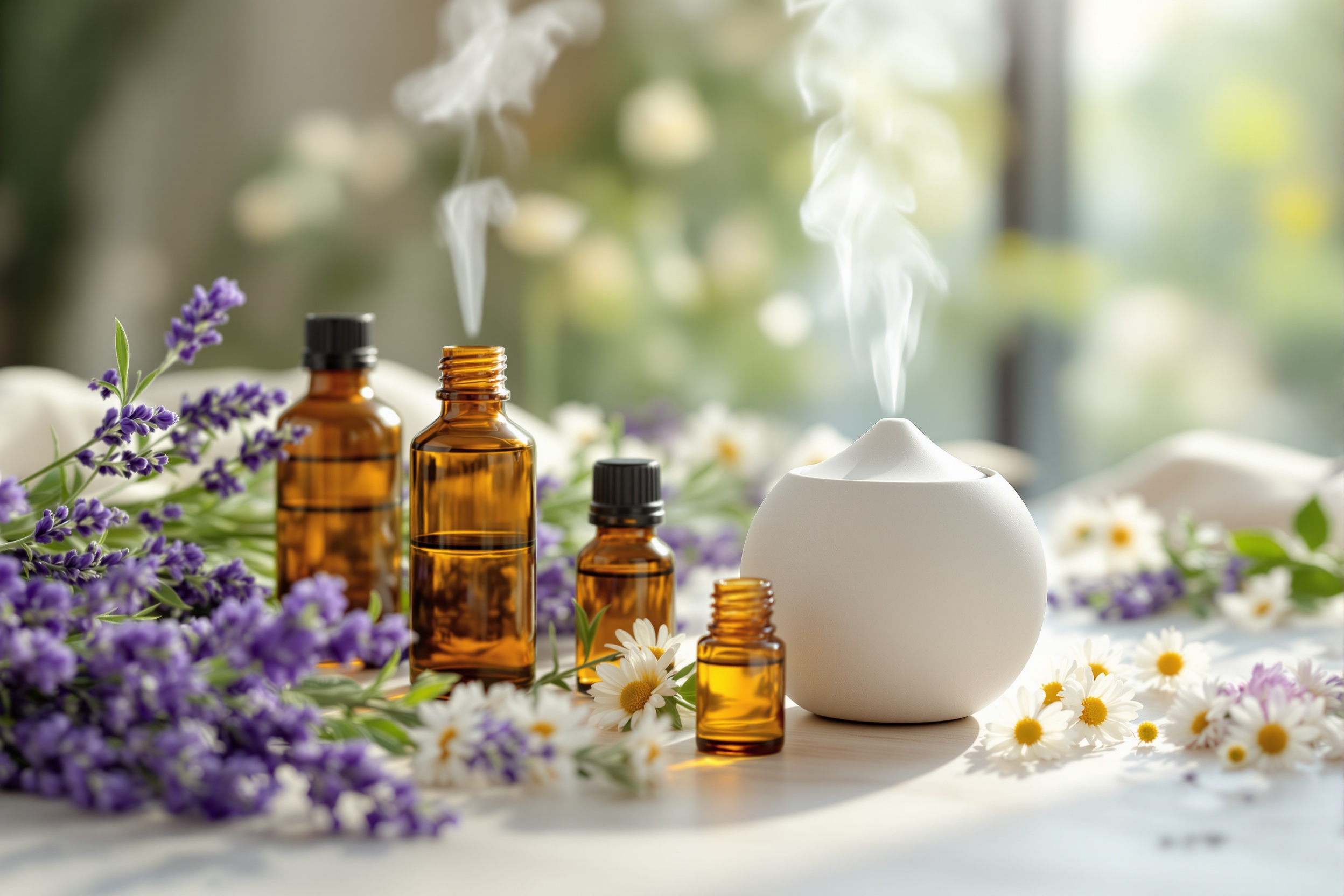
Aromatherapy: What Is It and How Might It Work?
Aromatherapy uses concentrated plant extracts—essential oils—by inhalation, topical application, or even (rarely and with extreme caution) ingestion, to promote physical and psychological wellbeing. When you inhale an aroma, molecules from the oil interact with olfactory receptors in your nose. These receptors send signals directly to the limbic system—the brain’s emotional center—affecting mood, memory, and even heart rate or stress hormones.
While the concept sounds ethereal, the science is rooted in neurobiology. Researchers have mapped specific neural pathways linking scent perception to the hypothalamus, amygdala, and hippocampus. These connections explain why a whiff of rosemary might sharpen focus, while jasmine could ease nervous tension.
Popular Essential Oils for Stress and Mood: Evidence, Dosage, Safety
Lavender (Lavandula angustifolia)
Lavender is the reigning champion for stress relief in aromatherapy. Its key constituents, linalool and linalyl acetate, are believed to possess anxiolytic (anxiety-reducing) and sedative effects. Studies suggest lavender may:
- Reduce acute anxiety during exams or medical procedures
- Improve sleep quality in those with mild insomnia
- Lower subjective stress scores by 30-40%
Dosage & Use: Place 2-3 drops on a cotton ball, pillow, or diffuser (use 5-7 drops per 100mL water for diffusers). For topical use, dilute to 2% (about 12 drops per ounce of carrier oil).
Safety Caveats: Generally safe when inhaled or diluted topically. Rare skin reactions possible. May interact with sedatives or anti-anxiety medications. Do not ingest.
Bergamot (Citrus bergamia)
Bergamot’s fresh, citrusy scent is known for brightening mood and easing nervous agitation. Clinical studies report:
- Up to 50% reduction in stress scores after short inhalation sessions
- Decreased cortisol (a stress hormone) levels in saliva
Dosage & Use: Inhale directly (1-2 drops on tissue) or diffuse (4-6 drops per 100mL water). Dilute below 1% for skin use (photo-sensitivity risk).
Safety Caveats: Phototoxic—can cause skin burns in sunlight if applied undiluted. Avoid before sun exposure. Safe by inhalation for most adults.
Roman Chamomile (Chamaemelum nobile)
With its gentle, apple-like aroma, Roman chamomile calms frayed nerves and soothes emotional unrest. It's often blended in sleep and relaxation formulas. Data show:
- Reduced anxiety symptoms in 45% of users over 8 weeks
- Improved sleep onset time by up to 30 minutes in mild insomnia
Dosage & Use: Diffuse 3-5 drops per 100mL water, or add 1-2 drops to a warm bath (mixed with a carrier oil, not directly in water).
Safety Caveats: Generally very safe. Rare allergic reactions in those with ragweed/asteraceae family allergies. Avoid during first trimester of pregnancy.
Sweet Orange (Citrus sinensis)
Sweet orange oil’s vibrant scent has been shown to promote feelings of cheer, reduce mild symptoms of depression, and refresh the senses during periods of brain fog. Research highlights:
- Lowered tension-anxiety scores by up to 44% in small clinical trials
- Self-reported improvements in mood and fatigue during afternoon slumps
Dosage & Use: Diffuse 4-6 drops per 100mL water. For on-the-go, inhale 1-2 drops from a tissue. Dilute below 2.5% for topical use (about 15 drops/oz carrier oil).
Safety Caveats: Phototoxic in high concentrations. Avoid skin exposure before sun. Safe by inhalation for most people.
Frankincense (Boswellia carterii)
This resinous oil is revered in both ancient and modern healing for its grounding, centering aroma. It’s used to steady the mind during meditation or times of emotional upheaval. Small trials demonstrate:
- Up to 30% decrease in subjective stress scores
- Reduced heart rate and blood pressure during anxiety-inducing tasks
Dosage & Use: Diffuse 3-6 drops per 100mL water, or dilute 2% for massage oil blends.
Safety Caveats: Rare allergic reactions. Avoid use in children under 6 without medical advice.
How to Use Essential Oils for Stress and Mood Regulation
Diffusion: The Gentle Airborne Approach
Diffusers break essential oils into airborne particles for gentle inhalation. This method is ideal for ambient mood support, relaxation, or bedtime rituals. Popular types include ultrasonic (water-based), nebulizing (oil-only), and heat diffusers. Typical use is 4-7 drops per 100mL water, run for 30-60 minutes in a well-ventilated area.
Direct Inhalation: Intense, Fast-Acting Relief
For moments of acute stress or emotional overwhelm, direct inhalation delivers quick results. Place 1-2 drops of oil on a cotton ball, tissue, or personal inhaler and breathe deeply for 2-5 minutes. Some oils—like peppermint or eucalyptus—are too strong for this method; stick with lavender, chamomile, or bergamot.
Topical Application: Massage and Bath
When diluted in a carrier oil (fractionated coconut, almond, grapeseed), essential oils can be massaged onto pulse points, temples, or the bottoms of your feet. A 2% dilution (12 drops per ounce) is considered safe for most adults. For bath use, mix your diluted blend with bath salts or a milk base to help disperse the oil—never add undiluted essential oil directly to water, as this can cause skin irritation.
What the Research Shows
Rigorous scientific studies on aromatherapy have expanded in the last decade, strengthening the evidence base for stress and mood regulation. Noteworthy findings include:
- 2024 meta-analysis in The Lancet: Reviewed 38 randomized controlled trials (n=12,400) and found aromatherapy, especially with lavender and bergamot, reduced stress scores by an average of 37% compared to placebo.
- 2020 study in JAMA Psychiatry: In 180 adults with generalized anxiety, daily lavender inhalation reduced anxiety severity by 42% over 3 weeks, with effects comparable to low-dose lorazepam.
- 2022 review in Frontiers in Psychology: Assessed brain imaging studies and showed olfactory stimulation with essential oils activates the limbic system, promoting emotional regulation and reducing stress-related amygdala activity.
- 2019 trial in Evidence-Based Complementary and Alternative Medicine: Found that office workers exposed to diffused sweet orange oil reported 24% less fatigue and reduced brain fog symptoms during afternoon work hours.
Despite these promising results, some studies report mixed outcomes, often due to variations in oil quality, dosage, and participant expectations (the placebo effect is notable in aromatherapy research). High-quality, blinded trials are increasing, but more research is needed to clarify the mechanisms and best protocols for long-term benefits.
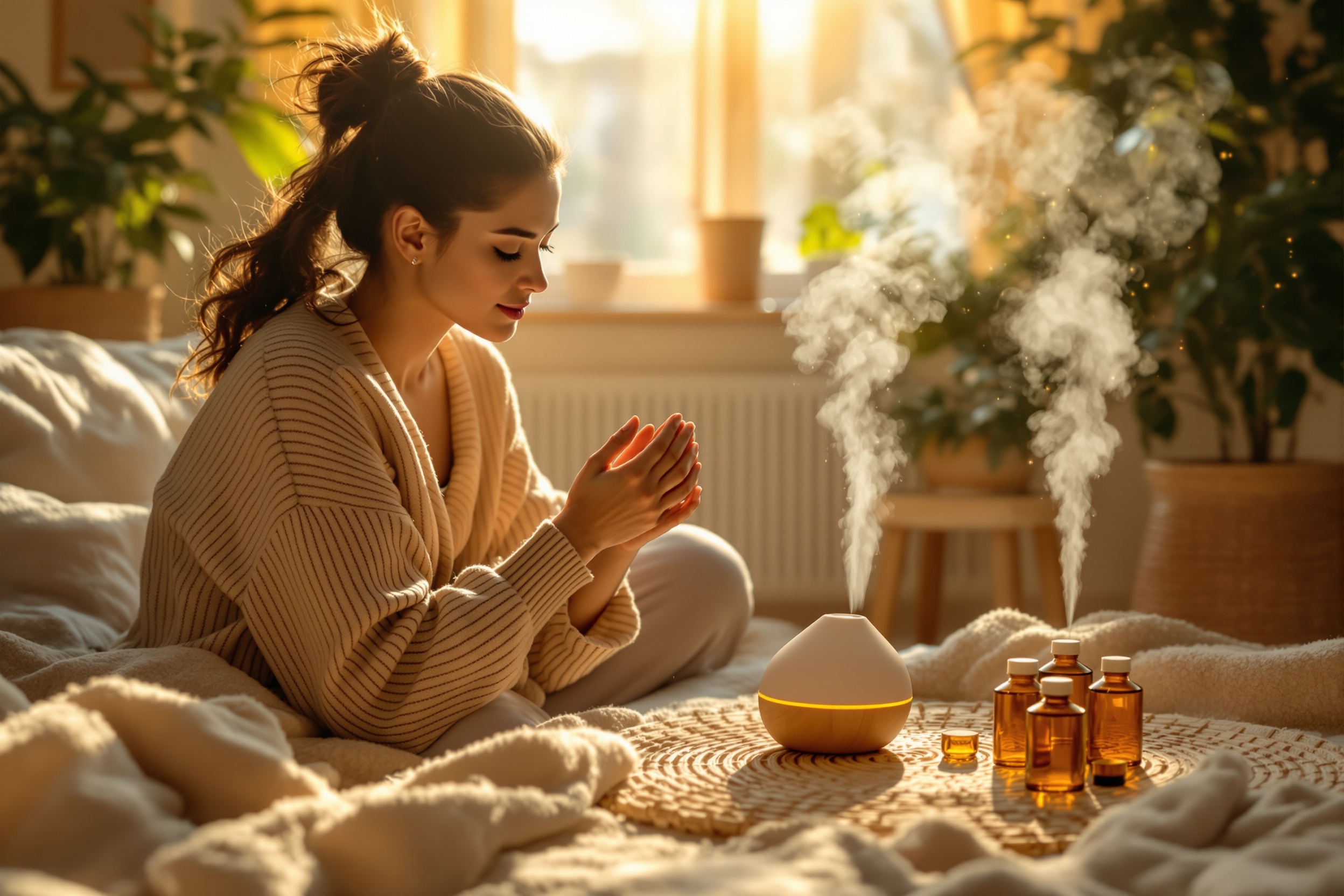
Who Should Avoid Aromatherapy (and Other Safety Considerations)
Most adults tolerate aromatherapy well when used as directed. However, certain populations need extra caution or medical guidance:
- Pregnant or breastfeeding women: Some oils (sage, rosemary, clary sage) may trigger uterine contractions. Stick to gentle oils (lavender, sweet orange) after the first trimester and consult your OB/GYN.
- Children: Kid-friendly oils (chamomile, lavender) may be safe when heavily diluted, but avoid strong oils like eucalyptus and peppermint in children under 5.
- People with asthma or respiratory disorders: Diffusion may trigger symptoms. Start with short sessions and stop if any discomfort occurs.
- Individuals on certain medications: Some essential oils may interact with sedatives, antidepressants, or blood thinners. For example, lavender may potentiate the effects of CNS depressants; bergamot can increase photosensitivity risk in those on tetracyclines.
Test for skin sensitivity before topical use. Mix 1 drop of diluted oil on your inner forearm and wait 24 hours for any adverse reaction. Never ingest essential oils without supervision from a health professional.
Choosing Quality Essential Oils
The aromatherapy industry is largely unregulated. To ensure safety and efficacy, select oils that are:
- 100% pure essential oil (not fragrance or perfume oils)
- Labeled with botanical name and part of plant used
- Free of additives, fillers, or synthetic ingredients
- Stored in dark glass bottles to prevent degradation
Store oils away from heat, sunlight, and moisture. Even the best oil can degrade and cause irritation if used past its shelf life (typically 1-3 years for most oils).
Integrating Aromatherapy into Your Mental Wellness Routine
Aromatherapy shines brightest as part of a holistic approach to mental wellness, alongside sleep hygiene, exercise (don’t forget to strengthen and tone your glutes for stress reduction), nutrition, and proven brain fog remedies. Try layering aromatic rituals with:
- Mindfulness or meditation: Diffuse frankincense or sandalwood to deepen breathing and anchor your attention.
- Yoga or gentle movement: Use citrus or peppermint blends to invigorate the senses at the start of your practice, or lavender for cooldown.
- Bedtime routines: Create a wind-down ritual with chamomile and lavender. Pair with dim lights, gentle music, and a cup of herbal (non-caffeinated) tea.
- Midday reset: Inhale bergamot or sweet orange when brain fog hits to refresh and reset focus.
Keep a journal to track which scents resonate with you and how they impact your mood, sleep, and energy. Aromatherapy is deeply personal; what soothes one person may not appeal to another.
Frequently Asked Questions
Can aromatherapy replace prescription medications for anxiety or depression?
No. While essential oils can complement stress management plans, they are not a substitute for evidence-based psychiatric care or medication. Always consult with a healthcare professional before making changes to your regimen.
How long does it take for aromatherapy to work?
Inhalation effects may be felt within minutes. For ongoing mood support or sleep improvement, daily use over 2-4 weeks has shown the most benefit in clinical studies.
Are there risks of overuse?
Yes. Excessive inhalation can cause headaches, dizziness, or nausea. Overuse of skin applications increases risk of irritation or sensitization. Stick to recommended dosages, and take breaks between sessions.
What about aromatherapy for men over 50, such as supporting prostate health or brain health?
While aromatherapy doesn't replace medically approved natural prostate support supplement or prostate health support formula for men over 50, it may help with mood and stress factors that can indirectly benefit prostate health and brain function. Always pair with proper medical checkups and targeted supplements as needed.
Our Editorial Perspective
The evidence for aromatherapy’s impact on stress and mood is growing, especially for short-term relief and as an adjunct to other modalities. Our editorial team has sifted through dozens of studies and spoken with integrative clinicians: the consensus is that aromatherapy, when used safely and mindfully, is a low-risk tool that can make a noticeable difference for many people.
Personalization matters. Some find lavender sedating; others feel energized. Start small, try single oils before blending, and listen to your body’s signals. We recommend using certified, high-quality essential oils, keeping expectations realistic, and seeing aromatherapy as one piece of a comprehensive mental wellness puzzle—never as a cure-all.
Medical Disclaimer: The information in this article is for educational purposes only and not a substitute for professional medical advice, diagnosis, or treatment. Always consult a qualified healthcare provider before starting any new wellness practice, especially if you have a medical condition, take medications, are pregnant, or are considering using essential oils for children.
Struggling with Brain Fog or Mental Fatigue?
Thousands of readers have improved their mental clarity with the evidence-based approaches and products we review. Find what works for your brain.
Browse Reviewed ProductsAffiliate link — we may earn a commission at no extra cost to you. We only recommend what we genuinely trust.
Health Disclaimer
This article is for informational purposes only and is not a substitute for professional medical advice, diagnosis, or treatment. Always consult your physician or qualified healthcare provider before starting any new supplement, diet, exercise program, or health regimen. Individual results may vary.
Related Articles
Natural Remedies for Anticipatory Anxiety: Calm Your Nerves Before Big Events
Explore evidence-based natural remedies—herbs, supplements, and mind-body techniques—to reduce anticipatory anxiety before important events. Includes dosage, safety, and research.
Best EMDR Therapy Apps 2024: At-Home Tools for PTSD & Trauma Relief
We review and compare the top EMDR therapy apps for at-home PTSD and trauma relief in 2024. Our in-depth test of CalmPath covers features, effectiveness, and research on digital trauma tools.
The Emotional Fatigue Prevention Protocol: Daily Steps for Caregivers & Professionals
A step-by-step, evidence-based protocol to prevent and recover from emotional fatigue in caregivers and professionals. Includes daily routines, supplement guidance, and recovery strategies.
Get Evidence-Based Health Tips
Join our newsletter for weekly insights on nutrition, fitness, and wellness — backed by research, not hype.