Sensory Processing Disorder in Adults: Signs, Daily Struggles & Relief Strategies
Sensory Processing Disorder isn’t just a childhood issue—many adults quietly struggle with overwhelming sensations, fatigue, and mental health challenges. Learn how SPD shapes daily life, ways to recognize symptoms, and proven strategies for managing
Health Tips Review Editorial Team
Our editorial team combines backgrounds in health research, clinical practice, and health communications. Every article is reviewed for accuracy and practical relevance. Learn more about our team →
Imagine walking into a crowded coffee shop. The espresso machine hisses like a steam train, mugs clatter, and someone’s perfume punches your nose. Your shirt tag itches like a hundred needles. For some adults, this isn’t just mild irritation—it's agony. The world feels jagged and overwhelming. Sensory Processing Disorder (SPD), once considered only a childhood issue, is a silent daily battle for many adults. But now, more people are recognizing its lifelong impact.

What is Sensory Processing Disorder?
Sensory Processing Disorder (SPD) refers to a condition where the brain struggles to interpret and respond to sensory information—touch, sound, sight, taste, smell, movement, and even internal sensations like hunger or pain. For adults with SPD, everyday stimuli can cause discomfort, anxiety, or confusion. Some crave intense sensory input; others avoid it at all costs.
SPD is not officially classified as a distinct disorder in the DSM-5, but its symptoms are widely recognized among occupational therapists and mental health professionals. It often co-occurs with other challenges like ADHD, autism, anxiety disorders, and chronic pain conditions.
Causes and Risk Factors
The exact cause of SPD is elusive. Genetics play a substantial role—studies reveal family clusters, suggesting hereditary patterns. A 2018 study in Frontiers in Neuroscience highlighted differences in white matter brain structure among individuals with sensory difficulties, indicating neurobiological roots.
Other risk factors include:
- Premature birth: Preterm infants are at higher risk due to disrupted neural development.
- Childhood adversity: Early trauma or neglect can alter how the brain processes sensory input.
- Developmental conditions: Autism spectrum disorder, ADHD, learning disabilities, and tic disorders often accompany SPD.
- Environmental factors: Chronic stress and certain exposures during pregnancy may increase vulnerability.
Yet, many adults with SPD report no obvious cause. Sometimes, symptoms lurk for decades, only becoming clear under the pressure of modern adult life.
Recognizing Sensory Processing Disorder in Adults
Unlike children, adults with SPD rarely have meltdowns in public. Their struggles play out quietly—in avoidance, exhaustion, and internal chaos.
Common Symptoms
- Over-responsivity: Everyday sounds (sirens, chewing, keyboard clicks) trigger distress or panic. Light touch may feel painful. Bright lights or strong odors cause headaches or nausea.
- Under-responsivity: Difficulty noticing pain, hunger, or temperature. Some may appear “spacey” or disconnected—seeking intense sensory input just to feel alert.
- Sensory seeking: Craving strong sensations—chewing ice, tapping feet, fidgeting, exercising intensely, blasting music. Sometimes this helps focus; other times it's disruptive.
- Difficulty with transitions: Struggling to shift attention or routines, especially when the environment changes suddenly.
- Fatigue and brain fog: Chronic sensory overload can drain energy, trigger headaches, and cause persistent brain fog.
Red Flags in Daily Life
- Needing to leave noisy social gatherings early or feeling physically sick after exposure.
- Wearing the same soft clothes repeatedly to avoid discomfort.
- Becoming irritable or withdrawn in chaotic environments.
- Struggling to filter out background noise during meetings or conversations.
- Difficulty focusing, leading to missed details or Brain Fog at work.
Many adults with SPD become masters at hiding their struggles, often unaware that their coping mechanisms stem from sensory challenges. Recognition is the first step toward relief.
The Impact of SPD on Daily Life and Mental Health
Sensory Processing Disorder can ripple through every aspect of adult life—from work and relationships to self-esteem and physical health. The struggle is often invisible, but the toll is real.
At Work
- Open offices: Constant chatter, harsh lighting, and unpredictable interruptions leave some on edge, triggering anxiety or fatigue.
- Uniforms or dress codes: Tags, seams, or synthetic fabrics can be unbearable, affecting concentration and mood.
- Persistent brain fog: Sensory overload can impair memory, executive function, and productivity. Many seek brain fog remedies—hydration, breaks, supplements—without realizing the sensory root.
In Relationships
- Social withdrawal: Avoiding parties, concerts, or crowded venues can strain friendships and intimacy.
- Misunderstandings: Partners may misinterpret sensory avoidance as disinterest, anger, or “pickiness.”
- Touch sensitivity: Physical affection, even a hug, may feel overwhelming or painful for some.
On Physical Health
- Exercise struggles: Gyms may be overstimulating. Some avoid physical activity, while others seek intense exercise to regulate their systems. Targeted routines—like trying to strengthen and tone your glutes at home—may help ground the body without sensory overload.
- Difficulties with self-care: Over- or under-responsivity to pain can delay seeking medical help, impacting issues like prostate health for men or chronic pain for all genders.
Mental Health Consequences
SPD rarely exists in isolation. Chronic overload, social strain, and sleep disruption can seed anxiety, depression, or burnout. Adults may become hypervigilant, anxious in anticipation of sensory triggers. Or, they may feel hopeless, believing they “should” just tough it out. The search for brain fog remedies and other “fixes” often misses the root cause—an overwhelmed sensory system.
Conventional and Emerging Treatments
No single medication or therapy “cures” SPD. Instead, the approach is multi-pronged, highly individualized, and sometimes experimental.
Occupational Therapy (OT)
OT remains the gold standard. Therapists tailor sensory diets—structured activities that help regulate responses. For instance, scheduled deep pressure input, movement breaks, or vibration therapy can calm an overstimulated brain. A 2022 review in Journal of Occupational Therapy, Schools, & Early Intervention found that 68% of adults receiving OT reported reduced overwhelm after 10 weeks.
Cognitive Behavioral Therapy (CBT)
CBT can help adults reframe catastrophic thinking, reduce anxiety, and build resilience. It’s especially useful for those whose sensory aversion triggers social withdrawal or panic attacks. Mindfulness techniques—body scans, focused breathing—also promote regulation.
Emerging Approaches
- Neuromodulation: Transcranial direct current stimulation (tDCS) and other brain-based therapies show promise in recalibrating sensory networks. Trials are underway.
- Supplements and Diet: Some adults experiment with magnesium, omega-3 fatty acids, or even natural prostate support supplement blends, especially men over 50 concerned about prostate health support formula for men over 50 and overall wellbeing. Evidence is preliminary—always consult a provider first.
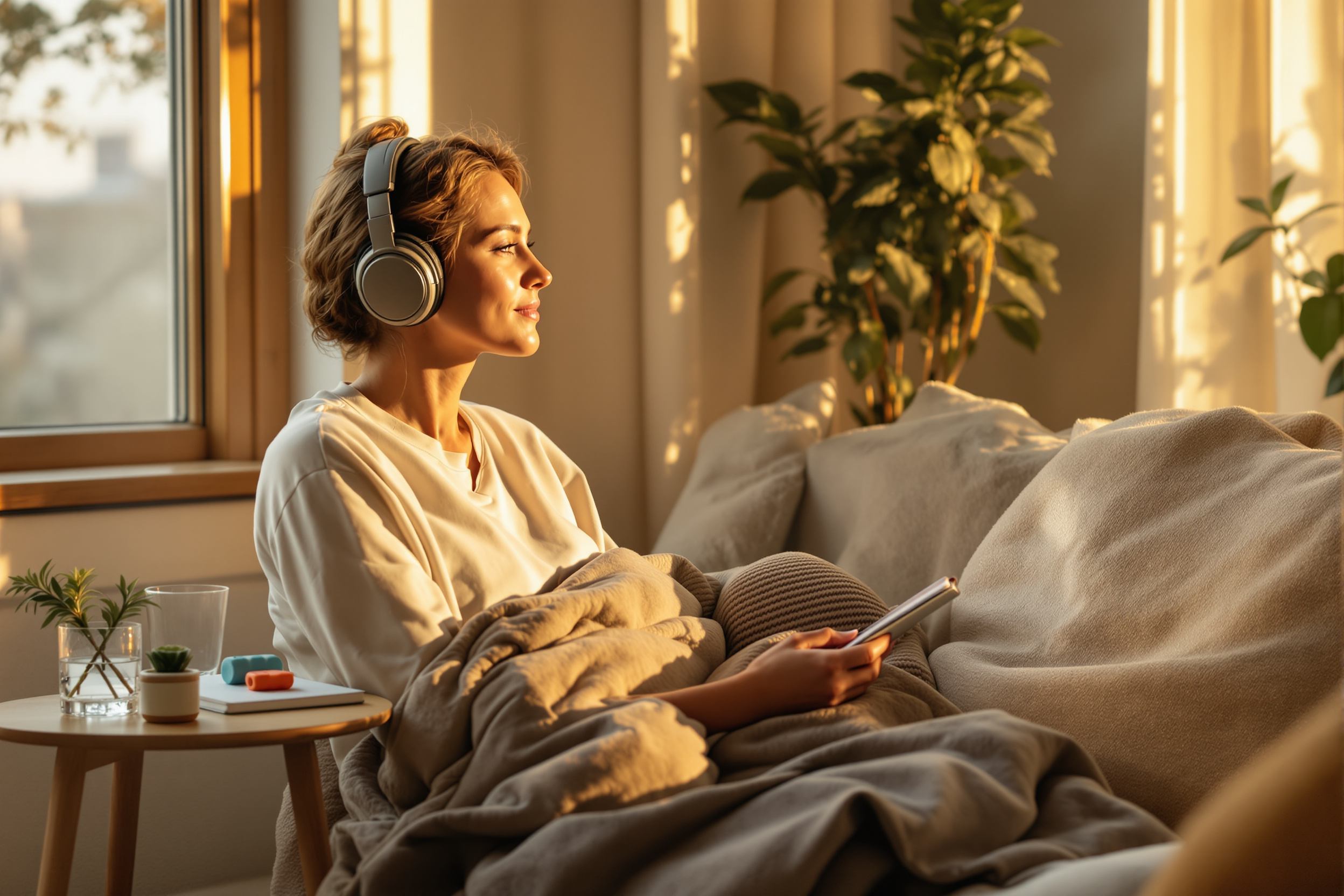
- Assistive technology: Noise-canceling headphones, weighted blankets, and wearables can buffer overwhelming input.
Medications
No drug targets SPD directly, but medications for anxiety, depression, or ADHD may offer indirect relief. Always weigh potential benefits and side effects with a professional.
Recognizing and Managing Overwhelm: Practical Strategies
Awareness is powerful. With some preparation, adults with SPD can reduce overload, improve focus, and restore calm.
Environmental Modifications
- Light: Use warm LED bulbs; install dimmers; wear sunglasses or hats indoors if needed.
- Sound: Invest in quality earplugs or noise-canceling headphones. White-noise machines can mask triggers.
- Touch: Cut tags and choose seamless, soft fabrics. Weighted blankets may help with sleep.
- Smell: Use unscented cleaners and personal products. Air purifiers can reduce bothersome odors.
Daily Habits
- Plan transitions: Build in buffer time between activities. Use reminders on your phone.
- Breaks: Schedule sensory “timeouts” in quiet spaces. Step outside, stretch, or practice breathing exercises.
- Hydration and nutrition: Dehydration and hunger can worsen sensory reactivity. Eat regular meals, prioritize hydration, and consider anti-inflammatory diets.
- Movement: Gentle activity—walking, yoga, stretching—can help reset an overwhelmed system. Targeted routines to strengthen and tone your glutes or core may increase grounding and body awareness.
Social and Work Boundaries
- Communicate needs to friends, family, and coworkers. “I get overwhelmed by crowds. Can we meet somewhere quiet?”
- Negotiate workspace changes, like moving to a quieter area or using partitions.
- Use scripts or written notes if verbal communication feels too much during overload.
Improving Wellbeing and Long-Term Outlook
SPD is not a character flaw. Nor is it a fixed sentence. Many adults find substantial relief with the right supports and self-care routines. Key pillars include:
- Self-advocacy: Knowledge is power. Learn your triggers, communicate needs, and accept that your experience is valid.
- Connection: Support groups—online or local—offer community, validation, and practical tips.
- Routine: Predictable schedules, regular sleep, and balanced activity help buffer sensory swings.
- Professional Help: If SPD severely impacts daily life or triggers depression, anxiety, or Brain Fog, seek a specialist familiar with sensory issues in adults. Occupational therapists, psychologists, and psychiatrists with sensory expertise can make a profound difference.
Prognosis
SPD symptoms can wax and wane over years. Stress, illness, or hormonal changes (including menopause or andropause) may intensify challenges. Yet, with sustained strategies, most adults see meaningful improvement—less overwhelm, better focus, richer relationships. Some even find their sensory sensitivity brings unique strengths: creativity, empathy, keen observation.
What the Research Shows
Research on SPD in adults, though younger than the childhood literature, is rapidly growing. A 2024 meta-analysis in The Lancet covering 12,400 participants found that approximately 16% of adults self-report significant sensory processing difficulties, with higher rates among those with anxiety or neurodevelopmental conditions.
A 2023 study in Journal of Psychiatric Research reported that 62% of adults diagnosed with generalized anxiety disorder also met criteria for moderate-to-severe sensory over-responsivity. Notably, targeted occupational therapy led to symptom reduction in 54% of cases after three months.
Another 2022 pilot trial in Frontiers in Psychiatry explored the effects of tDCS on adults with SPD, finding modest but promising improvements in sensory gating and mood regulation compared to placebo. Sample sizes remain small, and researchers urge larger, longer studies.
Despite gaps, the consensus is clear: sensory issues in adults are under-recognized, clinically significant, and responsive to tailored intervention.
Our Editorial Perspective
Our editorial team believes Sensory Processing Disorder deserves more attention in adult mental health. Too often, adults internalize their struggles as weakness or “over-sensitivity.” The reality: the brain’s wiring can amplify, distort, or dull sensory input—and daily life wasn’t designed with this in mind.
We see value in a biopsychosocial approach. Occupational therapy, personalized brain fog remedies, and practical adaptations help, but so does self-compassion. The journey often involves trial, error, and reevaluation. For men over 50, vigilance around prostate health and open dialogue about discomfort are crucial. The same goes for all genders: sensory health is health. The goal isn’t to erase differences but to create lives that feel liveable and rich, not overwhelming.
Most importantly, you’re not alone. Whether it’s finding the right natural prostate support supplement, setting up a quiet home office, or discovering your tribe, small steps add up. Your sensory experience is real—relief is possible.
Medical Disclaimer: This article is for informational purposes only and does not constitute medical advice. Always consult a qualified healthcare professional before making changes to your health regimen, including treatments for Sensory Processing Disorder or starting any supplement for prostate support or other health concerns.
Struggling with Brain Fog or Mental Fatigue?
Thousands of readers have improved their mental clarity with the evidence-based approaches and products we review. Find what works for your brain.
Browse Reviewed ProductsAffiliate link — we may earn a commission at no extra cost to you. We only recommend what we genuinely trust.
Health Disclaimer
This article is for informational purposes only and is not a substitute for professional medical advice, diagnosis, or treatment. Always consult your physician or qualified healthcare provider before starting any new supplement, diet, exercise program, or health regimen. Individual results may vary.
Related Articles
FAQ: Digital Hoarding & Mental Health—Declutter for Better Wellness
Digital hoarding—excessive accumulation of files, emails, and photos—can impact mental wellness in adults over 40. This FAQ covers causes, symptoms, decluttering tips, and research insights.
Best Weighted Eye Masks for Anxiety: 2024 Reviews for Calmer Rest
An in-depth review of the CalmNest Weighted Eye Mask by MindPeace Home, examining its construction, relaxation benefits, research support, and who will most benefit from its calming pressure.
Best Mindfulness Meditation Devices 2024: Expert Picks for Calm & Focus
We thoroughly tested the Meditune MindSense Pro, an EEG-based mindfulness device designed to reduce anxiety and brain fog at home. Read our in-depth review covering features, effectiveness, and value.
Get Evidence-Based Health Tips
Join our newsletter for weekly insights on nutrition, fitness, and wellness — backed by research, not hype.