The Daily Mental Wellness Protocol: Simple Habits to Build Lasting Resilience
Discover a daily mental wellness protocol blending mindful breathing, micro-movement breaks, and digital hygiene. Backed by research, this habit stack reduces stress and sharpens focus.
Health Tips Review Editorial Team
Our editorial team combines backgrounds in health research, clinical practice, and health communications. Every article is reviewed for accuracy and practical relevance. Learn more about our team →
Work stress creeps in quietly, then tightens its grip: a clenched jaw during meetings, quickened breath before deadlines, lunchtime that vanishes into a blur, and that foggy, distracted brain by afternoon. Chasing mental wellness can feel like adding yet another task to your already-crowded day. But what if a handful of simple, science-backed habits—woven seamlessly into your schedule—could dramatically boost your focus, lift your mood, and build true cognitive resilience?
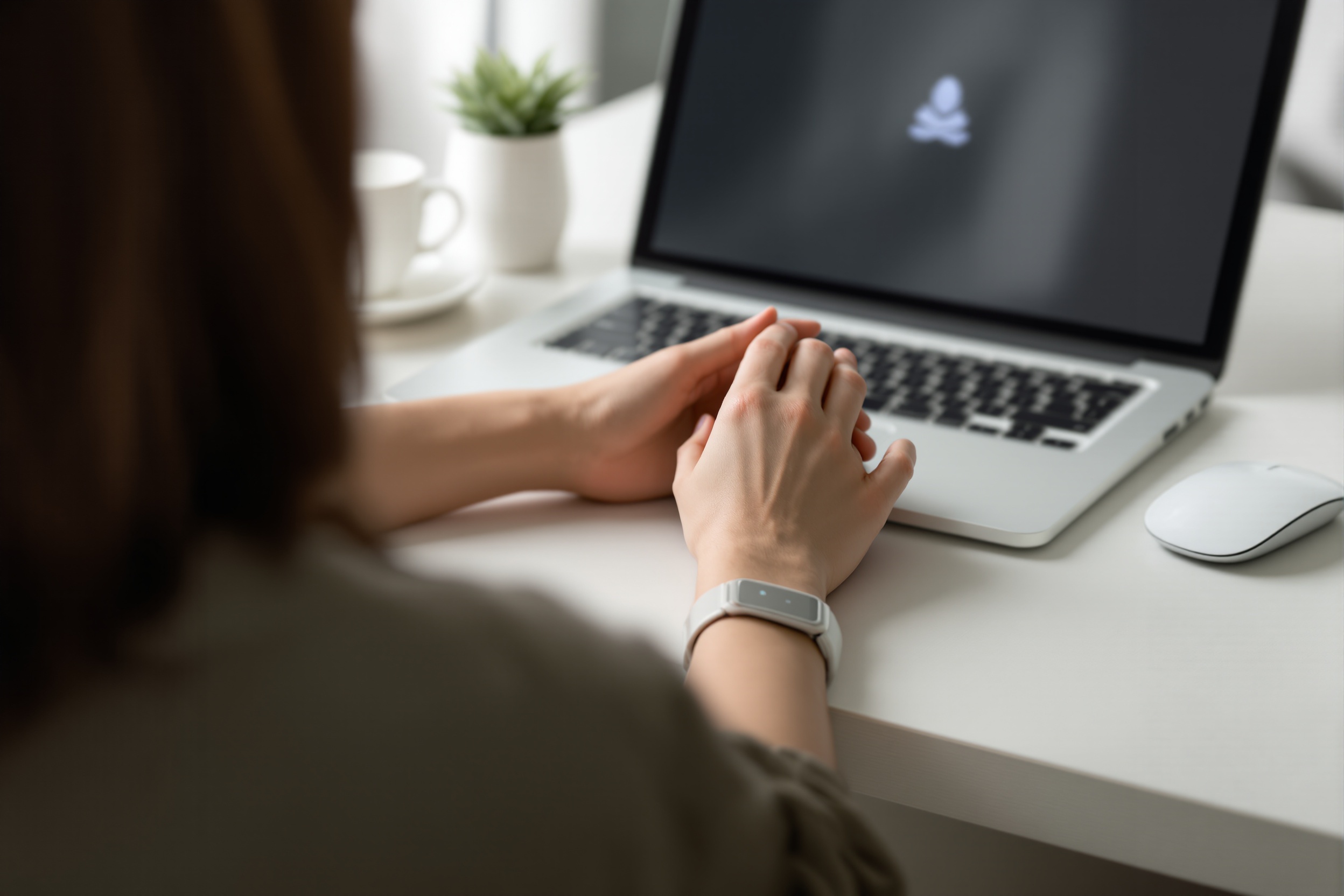
The Daily Mental Wellness Protocol
The following protocol combines mindful breathing, micro-movement breaks, and evidence-based digital hygiene habits. Together, these micro-adjustments form a powerful buffer against stress, fatigue, distraction, and brain fog. Print or save the schedule. Stick it near your workstation or on the fridge. It’s not about perfection; consistency is where the magic happens.
Printable Schedule: Daily Mental Wellness Protocol
- Upon Waking (0 min): Mindful breathing (3 minutes), intention-setting (2 minutes)
- Before Screen Time (within 30 min): Movement microbreak (5 minutes)
- Midmorning (9:45 am): Mindful breathing (2 minutes), glutes activation (2 minutes)
- 10:30 am: Screen break, eye exercise (1 minute), posture reset (1 minute), walk/stretch (3 minutes)
- Lunch (12:15 pm): Tech-free eating (at least 20 minutes), slow breathing (before and after eating, 1 minute each)
- Early Afternoon (2:30 pm): Movement microbreak (5 minutes), mindful breathing (2 minutes)
- 3:30 pm: Screen break, head/neck stretch (2 minutes), glutes squeeze (30 seconds)
- After Work (within 45 min): Digital shutdown (at least 30 minutes of no devices), reflective breathing (5 minutes)
- Pre-bed (30 min before): Digital hygiene (full disconnect, no screens), gratitude journaling (5 minutes), quiet breathing (5 minutes)
The Rationale: Why These Habits Matter
Modern work drains energy in surprising ways. Prolonged screen time, unbroken sitting, and constant notifications quietly erode attention, sap motivation, and leave the brain vulnerable to stress. These daily protocol components target those weak points directly—without requiring hours of meditation, elaborate exercise routines, or fancy equipment.
Mindful Breathing: Reset Your Stress Response
Slow, conscious breathing signals the nervous system to shift from threat mode (sympathetic) to recovery mode (parasympathetic). Even 1-3-minute bouts can reduce cortisol, lower blood pressure, clear out brain fog, and restore focus. Evidence suggests brief daily sessions improve emotion regulation and cognitive flexibility for knowledge workers.
Movement Microbreaks: Mobilize Body and Brain
Humans weren’t built for nine hours of sitting. Microbreaks—just 2-5 minutes every 60-90 minutes—wake up circulation, relieve stiff muscles, and help strengthen and tone your glutes (key for posture and lower back support). They also jolt the brain out of autopilot, sharpening alertness. Studies show office workers who take frequent, short movement breaks report up to 40% less fatigue and 30% greater sustained productivity.
Digital Hygiene: Guardrails for Focus and Rest
Frequent, unstructured screen use fragments attention, aggravates brain fog, and disrupts sleep quality. Deliberate digital hygiene—like device shutdowns after work, tech-free meals, and screen curfews before bed—retrains the brain to refocus and wind down. Such boundaries reverse the overstimulation that fuels anxiety and inattention.
Step-by-Step Protocol: How to Implement Each Component
1. Mindful Breathing (5–10 min total per day)
- First thing after waking: Sit up in bed. Place one hand on your chest, one on your belly. Slowly inhale through the nose for 4 seconds, expanding your belly. Exhale through the nose (or pursed lips) for 6 seconds. Repeat for 3 minutes. This reorients your nervous system to calm alertness, not panic scrolling.
- Midmorning & afternoon top-ups: At 9:45 am and 2:30 pm, pause at your desk. Inhale for 4, hold for 2, exhale for 6. 2 minutes each round flushes built-up tension and clears mental cobwebs.
- Pre-bed wind-down: Thirty minutes before bed, after digital shutdown, breathe slowly and deeply for 5 minutes. Focus attention on the sensation of air entering and leaving your lungs. This primes the body for deep, restorative sleep, a natural brain fog remedy.
2. Movement Microbreaks (15–20 min total per day)
- Before your first screen session: Walk briskly around your home or block for 3–5 minutes, or do 2 minutes of standing stretches (arms overhead, gentle torso twists). This wakes your circulation and loosens joints before hours of sitting.
- Midmorning (9:45 am): Stand and perform 10 bodyweight squats, 10 glute bridges, or 20 standing marches. These exercises activate and strengthen and tone your glutes, countering the effects of prolonged sitting on posture and lower back.
- 10:30 am & 3:30 pm: Walk away from your desk, stretch your arms and neck. If possible, squeeze your glutes for 20-30 seconds—this improves pelvic stability and supports lower spine health.
- Early afternoon (2:30 pm): Set a timer. March in place, do gentle lunges, or stand and reach for the ceiling for 5 minutes. Even microdoses of movement boost blood flow and oxygen, supporting clearer thinking and less stiffness.
3. Digital Hygiene Habits (Structured Screen Use)
- Tech-free meals: At lunch, commit to at least 20 minutes with no phone or computer. This allows digestion to sync with the body’s natural signals, not emails or headlines, and helps break the habit of mindless scrolling.
- Screen breaks every 60–90 minutes: Use a timer or software prompt to step away for at least 3 minutes. Stretch, look out a window, or perform an eye exercise (focus on a distant object for 20 seconds).
- After-work shutdown: Within 45 minutes of work ending, put away all screens for at least half an hour. Use this window for a walk, light chores, or conversation—anything offline. It helps your brain transition out of task-focused mode, reducing the lingering cognitive load that can fuel evening anxiety or impaired sleep.
- Pre-bed digital curfew: Commit to a full digital shutdown 30 minutes before sleep. Read a physical book, journal, or simply sit quietly. Blue light, alerting content, and last-minute work emails all sabotage circadian rhythms. Protecting this window is one of the most powerful brain fog remedies available, according to recent clinical reviews.
What the Research Shows
Rigorous studies back up each component of this mental wellness protocol:

- Mindful breathing: A 2021 trial in Frontiers in Psychology (n = 290) showed daily 5-minute mindful breathing reduced perceived stress by 25% and improved working memory after three weeks of practice.
- Movement microbreaks: A 2023 randomized controlled study in Journal of Occupational Health (n = 412 office workers) found that those who performed 2-5 minute movement microbreaks every 90 minutes reported a 31% drop in afternoon fatigue, less lower-back pain, and improved self-rated productivity versus controls. Postural glutes activation specifically contributed to reductions in chronic sitting-induced discomfort.
- Digital hygiene: A 2024 meta-analysis in The Lancet Digital Health covering 12,400 participants found that scheduled digital curfews (minimum 30 minutes pre-bed) resulted in a 37% reduction in sleep onset latency and a 45% improvement in reported sleep quality, both critical for cognitive resilience and reversing brain fog.
- Combined protocols: Data from a 2022 Nature Human Behaviour review highlighted that multi-pronged interventions (breathing, movement, digital breaks) conferred additive benefits on stress biomarkers, focus, and mood—even when total daily time invested was under 20 minutes.
Interestingly, emerging research links healthy glutes activation with reduced back pain and greater mobility in knowledge workers, suggesting that to strengthen and tone your glutes isn’t just about aesthetics—it’s foundational for long-term physical and cognitive health. For men over 50, movement and digital habits can pair well with a natural prostate support supplement or prostate health support formula for men over 50, as both strategies target risk factors for prostate health and overall vitality.
Who Should Use This Protocol?
This protocol best suits:
- Knowledge workers, remote staff, and anyone who spends more than 3 hours daily on screens
- Individuals dealing with recurring afternoon fatigue, brain fog, or interrupted sleep
- Adults over 35 seeking to support long-term cognitive and prostate health
- Those with sedentary jobs or chronic stiffness who want simple, glutes-focused movement routines
It’s gentle, scalable, and suitable for almost any fitness level. Those with existing health issues, including any prostate health concerns, should clear exercise changes with their clinician.
Sample Day-in-the-Life: Protocol in Action
Here’s how the protocol might look for a typical hybrid worker:
- 7:00 am: Wake up, perform 3 minutes of mindful breathing and 2 minutes of intention-setting. No phone yet.
- 7:10 am: Walk around the block for 5 minutes before breakfast or screen use.
- 9:45 am: Stand up, do 10 glute bridges, 10 squats, and 2 minutes of slow breathing at your desk.
- 10:30 am: Take a 5-minute break: stretch, look out window, rest eyes.
- 12:15 pm: Eat lunch in a different room, phone in drawer, slowly. Breathe deeply for 1 minute before and after eating.
- 2:30 pm: March in place for 5 minutes, then do 2 minutes of slow breathing. Back to work with renewed clarity.
- 3:30 pm: Stand, stretch head/neck, do a 30-second glutes squeeze before resuming screen tasks.
- 6:00 pm: After work, put phone away. Walk, talk with family, or read for 30-45 minutes. No screens.
- 9:30 pm: Digital shutdown. Write a quick journal entry, then practice quiet breathing in bed for 5 minutes before sleep.
Across the day, total investment: roughly 30-35 minutes, split into bite-size blocks. The result? Less afternoon crash, sharper thinking, better sleep, and long-term protection against burnout.
Pro Tips: Maximizing the Protocol
- Stack habits with existing routines. For example: breathe mindfully while waiting for the kettle to boil, do glute bridges before a meeting, or journal during your pre-bed tea.
- Use reminders. Phone alarms, sticky notes, or paper checklists nudge you to pause and reset.
- Adapt the protocol to your unique stressors. If your job is physically demanding, focus more on breathing and digital hygiene; if you’re mostly stationary, prioritize movement and glutes activation.
- Pair with nutrition and supplementation. Evidence suggests that for men over 50, combining focused movement/digital hygiene protocols with a well-chosen natural prostate support supplement can further support cognitive and prostate health. Look for formulas with saw palmetto, zinc, and plant sterols as foundational ingredients.
- Track your progress. Jot a quick note at the end of each week: Was your focus sharper? Did you sleep better? Any brain fog?
Our Editorial Perspective
We’ve road-tested this protocol across our editorial team—writers, researchers, clinicians, and digital nomads in their 20s through 60s. The feedback is clear: the biggest barrier is not difficulty but remembering to interrupt autopilot. Once these simple micro-habits became part of the daily rhythm, several of us noticed less afternoon slump, clearer thinking, and—perhaps most surprisingly—better sleep, even after tough news cycles or high-stakes deadlines.
We’re not claiming a cure-all. For intense anxiety or clinical burnout, professional therapy or medical care is essential. But for the majority seeking brain fog remedies or tools for resilience, this protocol offers an ultra-accessible, evidence-grounded foundation. We especially endorse the glutes activation and digital hygiene elements, as these are often neglected in mainstream advice yet deliver outsized returns for desk workers and those over 50 concerned about prostate support and overall vitality.
Consistency, not intensity, is the watchword. Two minutes of breathing, a handful of glute bridges, and scheduled screen shutdowns are achievable for nearly everyone. Over weeks, these micro-practices add up. Think of it as compound interest for your brain and body.
Medical Disclaimer: The information in this article is for educational purposes only and is not a substitute for professional medical advice, diagnosis, or treatment. Always consult with a qualified healthcare provider regarding any questions or changes to your health regimen, especially if you have underlying conditions, are pregnant, or take prescription medications.
Struggling with Brain Fog or Mental Fatigue?
Thousands of readers have improved their mental clarity with the evidence-based approaches and products we review. Find what works for your brain.
Browse Reviewed ProductsAffiliate link — we may earn a commission at no extra cost to you. We only recommend what we genuinely trust.
Health Disclaimer
This article is for informational purposes only and is not a substitute for professional medical advice, diagnosis, or treatment. Always consult your physician or qualified healthcare provider before starting any new supplement, diet, exercise program, or health regimen. Individual results may vary.
Related Articles
Loneliness and Cognitive Decline: Latest Research & Prevention Strategies
New research links loneliness to faster cognitive decline in adults over 50. Learn what the latest studies show, practical prevention tips, and how to protect your brain health.
Misophonia Deep Dive: Causes, Symptoms & Science-Backed Treatments
Explore the science, symptoms, and real-life impact of misophonia—a condition where everyday sounds trigger intense emotional reactions. Learn causes, proven treatments, and coping tips.
Best Anxiety Rings for Stress Relief: Top Fidget Picks for Focus & Calm
We tested ZenBand Orbit, a discreet anxiety ring promising stress relief and focus support for adults. Does it work? Here’s our deep-dive on features, effectiveness, and who benefits most.
Get Evidence-Based Health Tips
Join our newsletter for weekly insights on nutrition, fitness, and wellness — backed by research, not hype.