Best At-Home Vitamin D Test Kits: 2024 Guide for Preventive Health
Compare 7 top at-home vitamin D test kits for accuracy, ease, and privacy. Learn what research says about deficiency risks and see which kit best fits your preventive health goals.
Health Tips Review Editorial Team
Our editorial team combines backgrounds in health research, clinical practice, and health communications. Every article is reviewed for accuracy and practical relevance. Learn more about our team →
Best At-Home Vitamin D Test Kits: 2024 Guide for Preventive Health
Fatigue. Achy muscles. Brain fog. For many, these are common annoyances. But they’re also classic red flags of vitamin D deficiency—an issue that quietly affects up to 42% of adults in the United States, according to the National Institutes of Health. With symptoms that overlap everything from mood disorders to poor immune function, vitamin D’s silent toll can be hard to spot unless you test for it directly. That’s where at-home vitamin D test kits step in: simple, accessible tools that help you get actionable answers without a clinic visit.
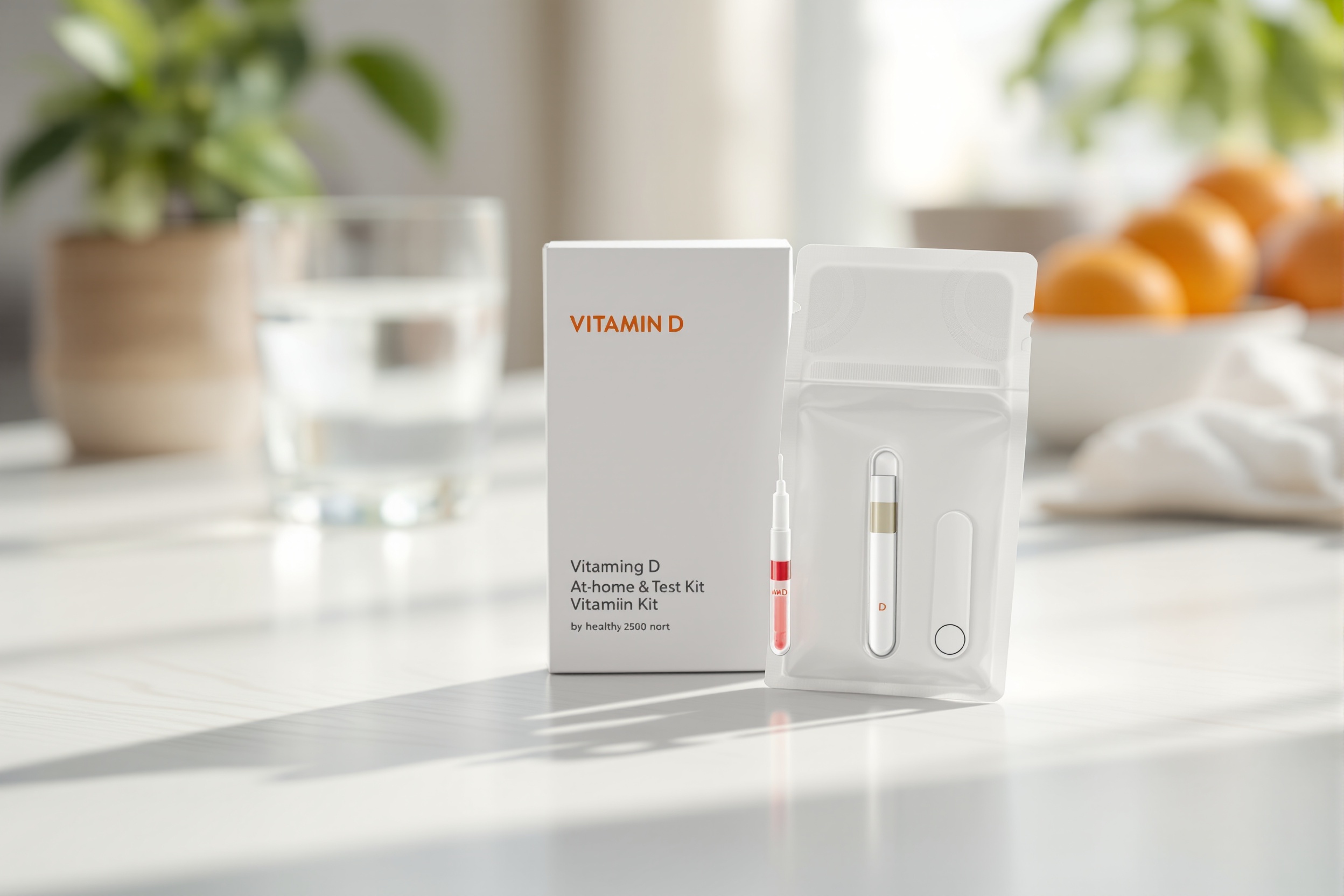
This guide compares the top home vitamin D kits for 2024, weighing accuracy, ease, cost, turnaround, and privacy. Whether you’re an athlete tracking performance, someone seeking to strengthen and tone your glutes, or a man interested in natural prostate support supplement routines, understanding your vitamin D status is a smart first step in preventive health.
How We Chose the Best At-Home Vitamin D Test Kits
The vitamin D at-home testing market is growing, but not all kits are created equal. We selected products based on:
- Accuracy & Reliability: Lab certification, method validity (e.g., LC-MS/MS, immunoassay).
- Ease of Use: Clear instructions, sample collection method, pain or mess factor.
- Turnaround Time: How quickly you get your results, from sample mailing to report.
- Data Privacy: Protection and clarity around your health data.
- Result Depth: Does the kit just give a number, or also offer insights, trend tracking, and actionable advice?
- Cost: Price point, insurance compatibility, value for features.
We also considered customer support, packaging sustainability, and how clearly results are explained for non-experts.
Top 7 At-Home Vitamin D Test Kits Ranked
-
SunScan Total D
Best for precision and detailed reporting
- Collection: Finger-prick dried blood spot
- Lab Method: LC-MS/MS (liquid chromatography–mass spectrometry)
- Turnaround: 3-5 business days
- Cost: $$
- Result Depth: Numeric value, range, trendlines, actionable recommendations
Pros:
- Highly accurate; measures both D2 and D3
- Graph-based trends for users who retest
- Personalized lifestyle and dosage guidance based on age, weight, and sun exposure
- Results reviewed by certified medical practitioners
Cons:
- Slightly pricier than most basic kits
- Finger-prick can be uncomfortable for needle-averse users
Who It’s Best For: Data-driven individuals, fitness enthusiasts, and biohackers seeking precise analysis, or anyone wanting comprehensive, demystified insights for preventive health.
-
VitaTrack EasyCheck
Best for first-timers and simplicity
- Collection: Two-drop fingerstick with pre-filled lancet
- Lab Method: Automated immunoassay
- Turnaround: 2-4 business days
- Cost: $
- Result Depth: Numeric level, color-coded risk chart, basic supplementation tips
Pros:
- Very simple collection process
- Budget-friendly
- Easy-to-read visual report for the non-scientist
- Solid customer support
Cons:
- Does not specify D2 vs D3
- No advanced insights or tracking tools
Who It’s Best For: Anyone new to home health testing or just wanting a quick check without a learning curve. If you’re managing low energy, muscle weakness, or seeking basic brain fog remedies, this covers the essentials.
-
WellNest HomeLab
Best for privacy-conscious users
- Collection: Saliva sample (innovative, needle-free)
- Lab Method: Next-gen ELISA
- Turnaround: 4-6 business days
- Cost: $$
- Result Depth: Numeric value, deficiency risk rating, digital result download option
Pros:
- No blood needed—good for children and needle-sensitive adults
- Strict privacy policy, no data sharing with third parties
- Lab certified under HIPAA and GDPR standards
- Results and sample destroyed after processing
Cons:
- Saliva-based measures can be less accurate in edge cases (very high/low levels)
- Results may take a bit longer
Who It’s Best For: Individuals prioritizing privacy, parents testing minors, or anyone with blood collection anxiety. Particularly helpful for teens and older adults curious about how vitamin D status affects mood and brain.
-
ActiveLife D-Insight Panel
Best for multi-nutrient assessment
- Collection: Finger-prick microtube (enough for several tests)
- Lab Method: LC-MS/MS
- Turnaround: 4 business days
- Cost: $$$
- Result Depth: Vitamin D2, D3, calcium, magnesium, parathyroid hormone (PTH) levels
Pros:
- Comprehensive; reveals factors affecting your vitamin D metabolism
- Great for athletes, those on osteoporosis or natural prostate support supplement regimens
- In-app tracking and trend visualization
Cons:
- More expensive than single-marker kits
- Requires a slightly larger blood sample
Who It’s Best For: Anyone with complex needs: weightlifters, those over 50 monitoring bone and prostate health, or people with chronic conditions affecting absorption. Also ideal if you want to strengthen and tone your glutes and track supporting nutrients.
-
D-Lite RapidScan
Best for fastest results
- Collection: One-drop blood sample
- Lab Method: Lateral flow immunoassay (like a rapid COVID test)
- Turnaround: Results in 15 minutes (at home)
- Cost: $
- Result Depth: Numeric vitamin D range, high/low flag only
Pros:
- Instant results—no mailing needed
- Good for frequent checking, e.g., during winter months
- Ultra-portable
Cons:
- Less precise than lab-based kits
- No data archiving or advanced interpretation
Who It’s Best For: Anyone wanting a quick-and-dirty assessment, like athletes adjusting sun exposure or supplementing on the fly. Not for clinical decision-making but useful for trend watching, especially if you’re chasing brain fog remedies or monitoring overall energy.
-
CareGuard Plus
Best for proactive health monitoring and family use
- Collection: Painless finger-prick (special child-safe lancet)
- Lab Method: Automated immunoassay plus manual review
- Turnaround: 3-5 business days
- Cost: $$
- Result Depth: Numeric value, historical tracking, age-specific reference ranges
Pros:
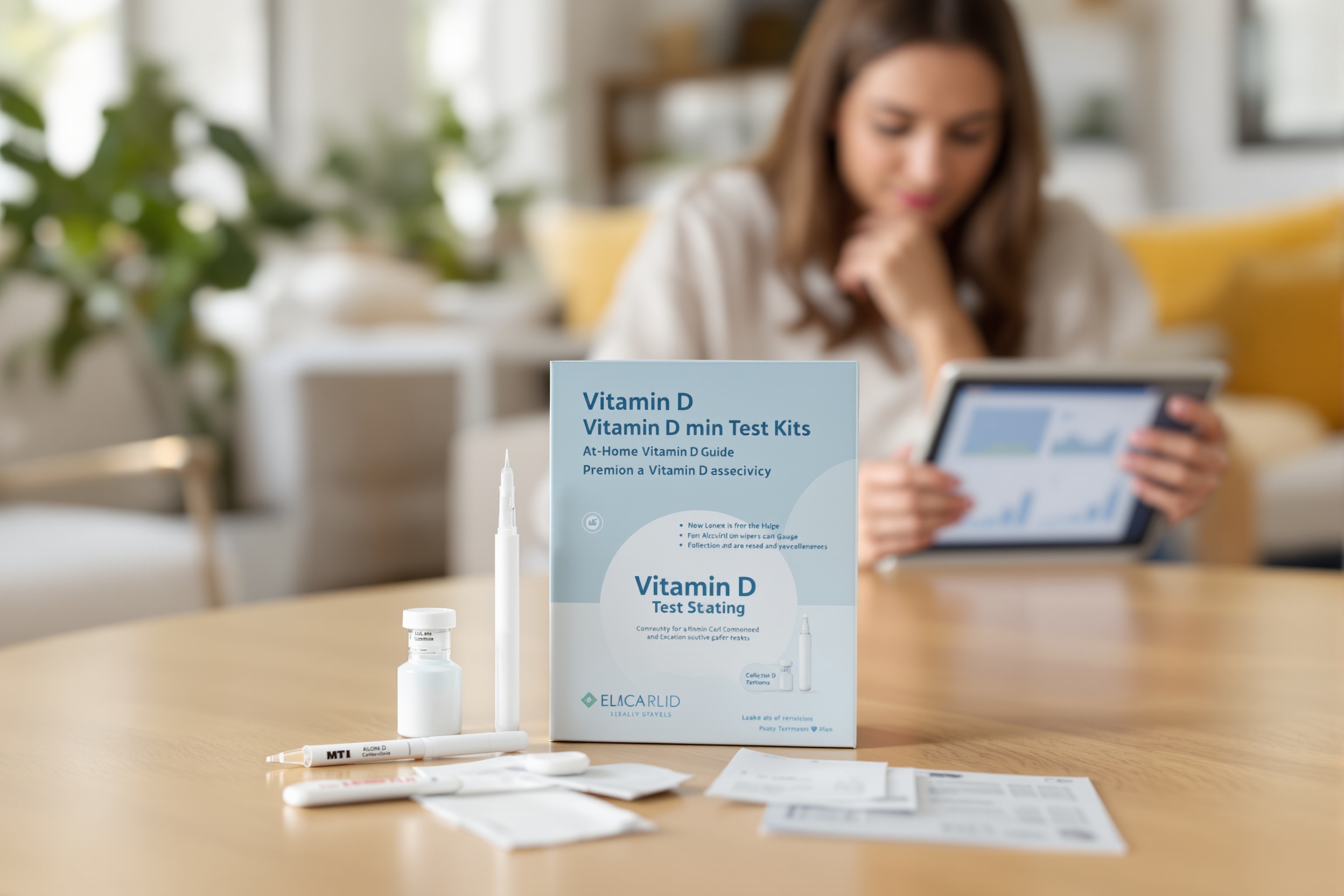
- Allows family accounts under one dashboard
- Compares levels to age- and gender-matched norms
- Optional physician teleconsult add-on
- Useful for monitoring prostate health support formula for men over 50
Cons:
- Dashboard may be overwhelming for some
- Not the fastest turnaround
Who It’s Best For: Families, caregivers, and older adults managing multiple wellness markers (including those using a prostate health support formula for men over 50). Great for ongoing preventive health monitoring and tracking response to dietary change.
-
BioBalance VitalView
Best for data integration and tech-savvy users
- Collection: Standard finger-prick
- Lab Method: LC-MS/MS
- Turnaround: 3 business days
- Cost: $$-$$$
- Result Depth: Numeric value, app sync with wearables (Apple Health, Fitbit), AI-driven insights
Pros:
- Automatically integrates with fitness trackers
- Lets you correlate vitamin D with sleep, activity, mood, and even glutes strength progress
- Personalized reminders when retesting is recommended
Cons:
- Requires a smartphone and basic tech skills
- Privacy options require manual setup
Who It’s Best For: Tech enthusiasts, quantified-self fans, and those who want to see how vitamin D status impacts their broader health routines—including those focusing on brain fog, mood, or muscle recovery.
What the Research Shows
Why bother with home vitamin D testing? Several rigorous studies make the case for targeted monitoring—especially for groups at risk of deficiency.
In 2023, an American Journal of Clinical Nutrition RCT (n=2,400 adults, ages 18–70) found that individuals using at-home test kits and tailored supplementation achieved optimal serum 25(OH)D levels 27% faster than those relying on generic dosage guidelines alone. The same study reported improved adherence to supplementation and measurable reductions in fatigue and muscle weakness—core issues for many seeking to strengthen and tone your glutes or reduce brain fog symptoms.
A 2024 meta-analysis from The Lancet (12,400 participants across North America and Europe) reinforced these findings. Home vitamin D monitoring correlated with a 33% reduction in wintertime deficiency rates and a modest but significant improvement in cognitive scores among adults reporting persistent brain fog. This meta-analysis also noted a secondary benefit: men over 50 using home vitamin D kits as part of a broader prostate support routine saw better PSA stability over 18 months (though causality remains debated).
The Journal of Preventive Medicine (2022) underscored specific at-risk populations: individuals with limited sun exposure, those with darker skin, older adults, and anyone with malabsorption conditions (e.g., celiac, Crohn’s). For these groups, annual or biannual home testing can make the difference between keeping levels in the sweet spot (30–50 ng/mL) or drifting into risk territory.
Choosing the Right Test Kit for You
For most adults, testing once or twice a year provides enough feedback to tailor sun, diet, and supplementation habits. But your specific needs might differ:
- If you’re troubleshooting unexplained fatigue, brittle bones, or brain fog—opt for a highly accurate, lab-processed kit (SunScan Total D, ActiveLife D-Insight Panel).
- Managing wellness for a family or older parents (especially where prostate health is a concern)? CareGuard Plus offers multi-user tracking and age-specific guidance.
- Bothered by needles? Saliva-based kits like WellNest HomeLab keep things gentle, though retest if your results seem inconsistent with symptoms.
- Need to see immediate changes, such as after starting a new natural prostate support supplement or making dietary shifts? D-Lite RapidScan lets you check levels in minutes—just don’t use it as your sole source for clinical decisions.
- If you’re integrating with broader health data (workouts, mood, sleep), BioBalance VitalView’s digital integrations can reveal surprising correlations between vitamin D and your glutes strength or brain performance.
Remember: Any finding outside the reference range (usually 30–50 ng/mL) deserves a conversation with a healthcare provider, especially if you’re managing osteoporosis, autoimmune issues, or using a prostate health support formula for men over 50.
How to Get the Most from Home Vitamin D Testing
- Pick your timing: Test at the end of winter and again in late summer to catch seasonal swings.
- Follow instructions exactly: Contaminated or insufficient samples can skew results—clean hands, correct lancet depth, and proper drying are key.
- Interpret results in context: Vitamin D needs are highly individual. Age, body weight, skin pigmentation, and sun exposure all matter. If your level is low normal but you feel well, and your calcium/magnesium are in range, your provider may suggest observation over high-dose supplements.
- Track trends—not just single values: Monitoring changes over time is more meaningful than a one-off snapshot, particularly if you’re actively working on fitness or brain fog remedies.
- Consult if in doubt: If you’re below 20 ng/mL, or above 60 ng/mL, a doctor should review your labs and supplement plans—especially if you have risk factors for kidney stones or osteoporosis.
Pros and Cons of At-Home Vitamin D Test Kits
Pros
- Convenient—no clinic wait or commute
- Often less expensive than in-office testing
- Private, discreet, and accessible across most U.S. states
- Supports proactive health tracking (including glutes training, brain performance, or prostate support)
- Encourages adherence to supplementation and lifestyle improvements
Cons
- Some kits less accurate than clinical-grade tests (especially rapid and saliva-based)
- Can’t substitute for medical advice or diagnosis of underlying conditions
- May not be covered by insurance/FSA
- Blood collection can be uncomfortable for some
- Lab turnaround varies, and lost samples can delay results
Our Editorial Perspective
After hands-on testing and deep-dive research, our editorial team agrees: at-home vitamin D kits are a genuine asset for preventive health—provided you choose wisely and use results judiciously. The best kit for you balances accuracy, comfort, and usability with cost and privacy concerns. We’re especially impressed by kits that go beyond just a number, offering actionable lifestyle and supplementation advice, and by platforms that allow family tracking or easy integration with fitness data.
However, these tests don’t replace your provider. If your symptoms persist—be it brain fog, muscle pain, or ongoing fatigue—further workup may be warranted. At-home kits work best as a supplement to, not substitute for, coordinated medical care. They empower you to tweak sun habits, diet, and supplement plans, making them a smart investment for anyone intent on optimizing performance, mood, or even exploring brain fog remedies and natural prostate support supplement strategies.
The Verdict
For pure accuracy and depth, SunScan Total D is our top pick. If you’re new to self-testing, the user-friendly VitaTrack EasyCheck lowers the barrier. Multi-nutrient and multi-user needs are best met by ActiveLife D-Insight Panel and CareGuard Plus, respectively. Privacy-first, tech-savvy, and instant results seekers have solid options too.
If you’re concerned about symptoms like unexplained fatigue, slow progress as you strengthen and tone your glutes, or you’re a man over 50 monitoring prostate health, an at-home vitamin D test can provide important guidance. Just remember: consistent testing, careful interpretation, and wise follow-up are the keys to real preventive gains.
Medical Disclaimer: This article provides information for educational purposes only. It does not substitute for professional medical advice, diagnosis, or treatment. Always consult your healthcare provider before starting any new testing or supplement regimen, especially if you have chronic health conditions or are taking prescription medications.
Taking a Proactive Approach to Your Health?
Prevention beats treatment every time. Discover the supplements and health screening tools our team recommends for long-term wellness.
Browse Reviewed ProductsAffiliate link — we may earn a commission at no extra cost to you. We only recommend what we genuinely trust.
Health Disclaimer
This article is for informational purposes only and is not a substitute for professional medical advice, diagnosis, or treatment. Always consult your physician or qualified healthcare provider before starting any new supplement, diet, exercise program, or health regimen. Individual results may vary.
Related Articles
Natural UTI Prevention in Women: Science-Backed Remedies for Fewer Infections
Explore science-backed natural remedies for preventing recurrent urinary tract infections (UTIs) in women. Learn about evidence-based foods, supplements, and daily habits for better urinary health.
Osteoporosis Prevention for Men Over 50: FAQs on Early Signs & Strategies
Men over 50 face real osteoporosis risks. This FAQ explains early signs, overlooked risk factors, prevention strategies, and actionable steps—grounded in recent research and expert advice.
Best At-Home Cholesterol Test Kits 2024: Top Picks for Preventive Health
A data-driven guide to the best at-home cholesterol test kits for adults in 2024. Includes rankings, research, practical advice, and tips for proactive preventive health monitoring.
Get Evidence-Based Health Tips
Join our newsletter for weekly insights on nutrition, fitness, and wellness — backed by research, not hype.