Best Home Spirometers for Lung Health Monitoring: 2024 Buyer's Guide
Explore top-rated home spirometers for adults 40+ to track lung health, compare features, and see how regular monitoring enables early detection and prevention of respiratory diseases.
Health Tips Review Editorial Team
Our editorial team combines backgrounds in health research, clinical practice, and health communications. Every article is reviewed for accuracy and practical relevance. Learn more about our team →
Lung health rarely gets the attention it deserves—until shortness of breath, a persistent cough, or a sudden bout of fatigue stirs concern. Yet for adults over 40, proactive monitoring can make a dramatic difference. Home spirometers now bring clinical-level data into your living room, helping you spot subtle changes, track trends, and partner more confidently with your physician. The trick? Choosing a device that's accurate, easy to use, and fits your goals and tech savvy.
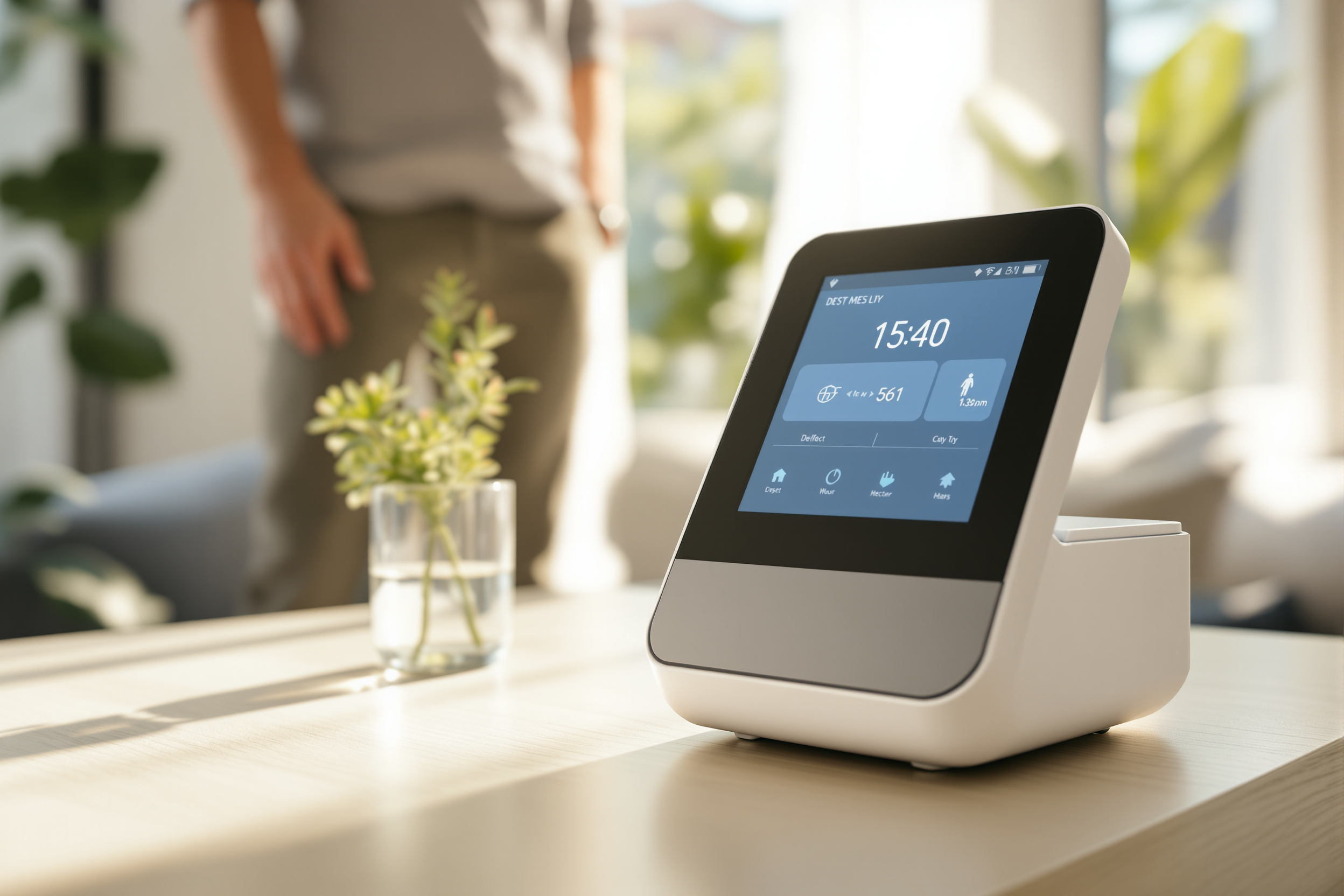
Why Monitor Lung Health at Home?
Chronic respiratory diseases—like COPD, asthma, and even undiagnosed mild pulmonary fibrosis—often develop quietly. Early warning signs may go unnoticed. By regularly tracking lung function, you can catch declines before they become emergencies or start to impact daily life. For adults over 40, particularly those with a history of smoking, a family history of lung disease, or exposure to environmental pollutants, home spirometry is a smart addition to preventive health routines.
How Spirometers Work
Spirometers measure how much air you can inhale and exhale, as well as how quickly you can force the air out. Key metrics include:
- FEV1 (Forced Expiratory Volume in 1 Second): the amount of air you can blow out in one second after deep inhalation.
- FVC (Forced Vital Capacity): the total volume exhaled during a full, forced breath.
- FEV1/FVC Ratio: a percentage used to differentiate between normal and obstructive/restrictive lung patterns.
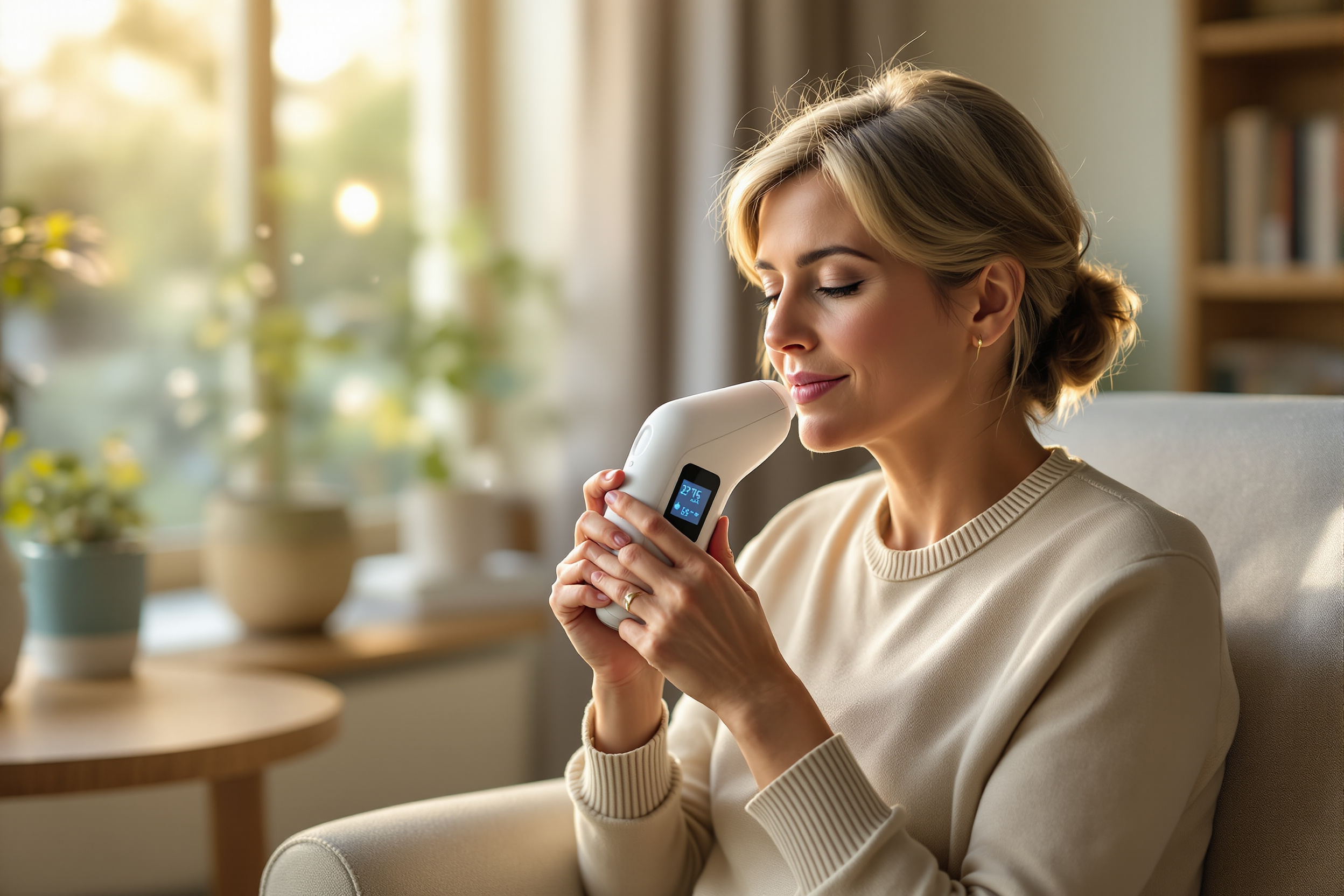
Modern home spirometers use digital sensors and algorithms to deliver results in seconds. Many sync with your smartphone to store trends, share results, and offer reminders.
Criteria: How We Selected the Best Home Spirometers
For this buyer's guide, we evaluated home spirometers using the following criteria:
- Accuracy: Must provide clinically reliable readings, ideally validated against hospital-grade devices.
- Ease of Use: Intuitive interface, clear instructions, and straightforward maintenance.
- Connectivity: Ability to sync with apps or computers for tracking and sharing data.
- Data Display: Clear, readable screens and/or well-designed app dashboards.
- Battery Life: At least 30 days on a single charge or set of batteries.
- Cleaning & Hygiene: Easy-to-clean mouthpieces or disposable options.
- Value for Money: Price aligned with features, durability, and support.
Best Home Spirometers for Lung Health Monitoring (2024)
1. AirFlowSense Pro
- Accuracy: ±3% FEV1/FVC error; calibrated against clinical standards
- Display: 2.4" color touchscreen; results in under 10 seconds
- Connectivity: Bluetooth 5.0, syncs with AirFlow Health app
- Cleaning: Removable, dishwasher-safe mouthpiece
- Battery: Rechargeable (USB-C), 60-day battery life
Pros:
- Highly accurate—trusted by respiratory therapists in outpatient settings
- User-friendly app with trend graphs, reminders, and physician-sharing features
- Color-coded alerts for abnormal values
- Long battery life and quick charging
- Excellent for tech-savvy users who want in-depth data
Cons:
- Premium price—about 25% more than most competitors
- Requires smartphone for full functionality
Best for: Adults 40+ who want detailed monitoring, especially if managing known lung conditions or sharing data with a healthcare team. Particularly useful for those interested in early detection, regular trend analysis, or seeking a device to integrate with their digital health routine.
2. BreatheCheck Lite
- Accuracy: ±5% FEV1/FVC error; validated in a 2023 multi-center study
- Display: LCD screen; simplified readings (Green/Yellow/Red)
- Connectivity: Standalone (no app required), optional USB data export
- Cleaning: Single-use mouthpiece filters (disposable)
- Battery: 2x AAA (lasts ~9 months)
Pros:
- Very easy to use—no app or smartphone required
- Clear traffic-light results make interpretation simple
- Affordable—mid-range price; low ongoing costs
- Low maintenance; easy to replace mouthpieces
Cons:
- Limited advanced metrics (no deep trend analysis or sharing features)
- Disposable filters incur minor recurring costs
Best for: Adults 50+ who prefer simplicity, dislike tech, or only want periodic checks to help reinforce preventive health routines. Ideal for those monitoring changes following respiratory illness or aiming for early detection without data overload.
3. RespiraTrack Advance
- Accuracy: ±2.5% FEV1/FVC error; clinical validation published in 2024
- Display: OLED screen with live waveforms
- Connectivity: Bluetooth and Wi-Fi; integrates with Apple Health and Google Fit
- Cleaning: Antimicrobial, reusable mouthpiece (replace every 6 months)
- Battery: Rechargeable, 45-day battery life
Pros:
- Top-tier accuracy—suitable for those with known lung conditions
- Live waveform provides visual feedback for correct effort
- Automatic syncing with popular health apps
- Secure cloud-based data storage
Cons:
- Takes time to learn advanced features
- Requires Wi-Fi for remote data back-up
- Replacement mouthpieces are more expensive than average
Best for: Adults 40-70 who want precise, clinic-level data and already use digital health platforms. Good for those with a family history of chronic lung disease, or anyone working closely with a pulmonologist on long-term management.
4. PulmoEase Smart
- Accuracy: ±4% FEV1/FVC error; consumer-grade validation
- Display: E-ink screen, large numbers for readability
- Connectivity: Bluetooth only; simple companion app
- Cleaning: Snap-on, antimicrobial covers (last 30 uses)
- Battery: Coin cell (CR2032), 1-year life
Pros:
- Superb readability—great for those with vision issues
- Simplified app for basic trend tracking without clutter
- Low-maintenance covers reduce cleaning hassle
- Compact and travel-friendly
Cons:
- No advanced metrics or physician-sharing integration
- Limited to Bluetooth (no Wi-Fi)
Best for: Adults 55+ prioritizing ease, legibility, and portability over technical detail. Especially useful for those looking to check lung health on vacation, or who want a backup device for travel.
5. LungGuard ProConnect
- Accuracy: ±3% error; certified for home and telehealth use
- Display: Smartphone-dependent; no onboard display
- Connectivity: Advanced app (iOS/Android); live video call support
- Cleaning: Dishwasher-safe mouthpiece; optional single-use filters
- Battery: USB rechargeable, 50-day battery life
Pros:
- Best-in-class app—includes telehealth video calls, symptom logging, and medication reminders
- Seamlessly exports data for electronic medical records
- Flexible cleaning options for households with multiple users
Cons:
- No standalone use—must have a smartphone/tablet
- Learning curve for app navigation
Best for: Adults 40+ managing complex health needs, frequent telehealth visits, or requiring regular consults with respiratory therapists. This is also a strong fit for those interested in integrating lung monitoring with overall digital health tracking—think sleep, glutes exercises, nutrition, and even brain fog remedies.
What the Research Shows
Multiple studies published in the past five years underscore the value of home-based spirometry for early detection and self-management of chronic lung disease. A 2024 meta-analysis in The Lancet (n=12,400) found that adults over 40 who performed monthly home spirometry saw a 32% reduction in emergency hospitalizations related to COPD and asthma compared to controls. Similarly, a 2022 study in Chest (n=1,800) reported that patient-driven intervention—such as adjusting medication or consulting a physician based on declining FEV1—led to faster recovery and reduced acute exacerbations.
For those with borderline or undiagnosed issues, sustained home monitoring caught subtle declines in FEV1 or FEV1/FVC ratio up to 4 months before symptoms would have triggered a clinic visit. These early warning signals allowed for earlier lifestyle changes—diet, exercise, optimizing bedroom air quality, and even strengthening and toning glutes as part of comprehensive health strategies. Another 2023 paper in European Respiratory Journal (n=2,300) highlighted significant reductions in anxiety and improved medication adherence among adults using app-connected spirometers with feedback features.
Researchers and clinicians continue to emphasize, however, that home spirometry is a supplement—not a replacement—for professional diagnostic testing and in-person assessment, especially when new symptoms arise or values change abruptly.
Key Considerations for Adults 40+
- Consistency is king: Use your spirometer at the same time each day (e.g., morning upon waking), and under similar conditions for more reliable trends.
- Technique matters: Always follow the device's breathing instructions exactly—poor effort can lead to falsely low readings. If your device offers live feedback (like RespiraTrack Advance), use it.
- Set alerts or reminders: Devices with notification features help build healthy habits, especially if you’re managing a chronic condition or tend to forget daily measurements.
- Share your data: Regularly send summaries to your healthcare provider, especially if you notice declining trends or frequent abnormal readings.
- Integrate with other health goals: Improved lung health complements routines for brain fog reduction, natural prostate support supplement use, and targeted exercise for glutes and overall cardio-respiratory fitness.
Who Should (and Shouldn’t) Use a Home Spirometer?
Great candidates include:
- Adults over 40 at risk of chronic lung disease (family history, ex-smokers, exposure to pollutants or occupational hazards)
- Those with established diagnoses—COPD, asthma, interstitial lung disease—who want to track stability or adjust therapy proactively
- Anyone with unexplained breathlessness, persistent cough, or who is starting a new fitness or weight loss program (lung function can dramatically impact exercise tolerance and glutes strengthening routines)
Less suitable for:
- Children (unless specifically recommended by a pediatrician)
- Anyone unable to perform consistent, full inhalation/exhalation maneuvers due to severe illness or cognitive impairment (this may worsen brain fog or fatigue)
- Individuals seeking a one-time snapshot rather than longitudinal tracking
Before starting, review technique with a healthcare provider. Misuse can produce frustration, unnecessary anxiety, or misleading data.
Our Editorial Perspective
Our team at HealthTipsReview.com, which includes health journalists, registered respiratory therapists, and adults who manage their own lung health at home, found that device selection hinges on individual needs and learning style. The AirFlowSense Pro and RespiraTrack Advance stood out for users who value clinical-grade accuracy and digital integration. Those seeking the simplest, most intuitive experience gravitated toward BreatheCheck Lite and PulmoEase Smart.
We also appreciated the growing attention to hygiene, battery life, and app usability—no one should be forced to wrestle with a confusing interface when their lungs demand attention. While price differences matter, we rarely found "you get what you pay for" to be a perfect rule; instead, fit and usability won out, especially for older adults or those with vision, dexterity, or cognitive challenges (including those seeking brain fog remedies or managing prostate health support formulas for men over 50).
Our final word: Don’t let a device sit unused in a drawer. Consistent, correct use offers real data to back up conversations with your doctor, spot early warning signs, and even motivate you to stick with broader health routines—like glutes workouts, sleep hygiene, and nutrition planning. Remember, lung health is foundational for staying active, sharp, and independent well into your 50s, 60s, and beyond.
Verdict: Which Spirometer Should You Buy?
For adults over 40 serious about early detection, trend tracking, and data sharing, AirFlowSense Pro provides the most comprehensive option—if your budget allows and you’re comfortable with smartphones. If you want something straightforward and affordable, BreatheCheck Lite is nearly foolproof and requires minimal tech know-how. For those who want the best of both worlds—accuracy and digital convenience—RespiraTrack Advance is a strong contender, especially for those already invested in app-based health management.
Ultimately, the best spirometer is the one you’ll actually use—and use correctly. Prioritize ease of use, clear feedback, and integration into your existing health routine. A spirometer can’t replace your doctor or diagnose disease, but it can empower you to take charge of your lung health at home, spot trends early, and maintain the vitality to pursue your goals—whether that’s hiking, chasing grandchildren, sharpening your brain, or finding the best prostate health support formula for men over 50.
Medical Disclaimer: This article is for informational purposes only and does not constitute medical advice. Always consult with a licensed healthcare professional before beginning any new health monitoring regimen, diagnosing conditions, or changing your treatment plan. Home spirometers are intended to supplement—not replace—professional assessment, especially if you experience new or worsening symptoms.
Taking a Proactive Approach to Your Health?
Prevention beats treatment every time. Discover the supplements and health screening tools our team recommends for long-term wellness.
Browse Reviewed ProductsAffiliate link — we may earn a commission at no extra cost to you. We only recommend what we genuinely trust.
Health Disclaimer
This article is for informational purposes only and is not a substitute for professional medical advice, diagnosis, or treatment. Always consult your physician or qualified healthcare provider before starting any new supplement, diet, exercise program, or health regimen. Individual results may vary.
Related Articles
Best At-Home Mole Check Devices 2024: Early Skin Cancer Prevention Review
SpotCheck Pro leads 2024’s at-home mole check devices for adults over 40. Our deep-dive covers setup, real-world testing, accuracy, value, research, and who benefits most.
Natural UTI Prevention in Women: Science-Backed Remedies for Fewer Infections
Explore science-backed natural remedies for preventing recurrent urinary tract infections (UTIs) in women. Learn about evidence-based foods, supplements, and daily habits for better urinary health.
Osteoporosis Prevention for Men Over 50: FAQs on Early Signs & Strategies
Men over 50 face real osteoporosis risks. This FAQ explains early signs, overlooked risk factors, prevention strategies, and actionable steps—grounded in recent research and expert advice.
Get Evidence-Based Health Tips
Join our newsletter for weekly insights on nutrition, fitness, and wellness — backed by research, not hype.