Cold Exposure & Immunity: What Latest Studies Reveal About Illness Prevention
Recent studies reveal that regular cold exposure may reduce sick days and improve immune markers, but does not significantly lower the risk of catching common colds. Safe, gradual practice advised.
Health Tips Review Editorial Team
Our editorial team combines backgrounds in health research, clinical practice, and health communications. Every article is reviewed for accuracy and practical relevance. Learn more about our team →
Stepping into a cold shower or dunking into an ice bath has surged in popularity, fueled by promises of enhanced immunity, sharper focus, and even a reduction in sick days. Social media brims with testimonials. But what does science say about this bracing regimen's real impact on your immune system and the frequency of common colds? Our editorial team at HealthTipsReview.com sifted through recent peer-reviewed studies to separate the invigorating facts from wishful thinking. Grab your towel—this is what the research actually reveals about regular cold exposure and its influence on staying well.
Understanding Cold Exposure: From Showers to Ice Baths
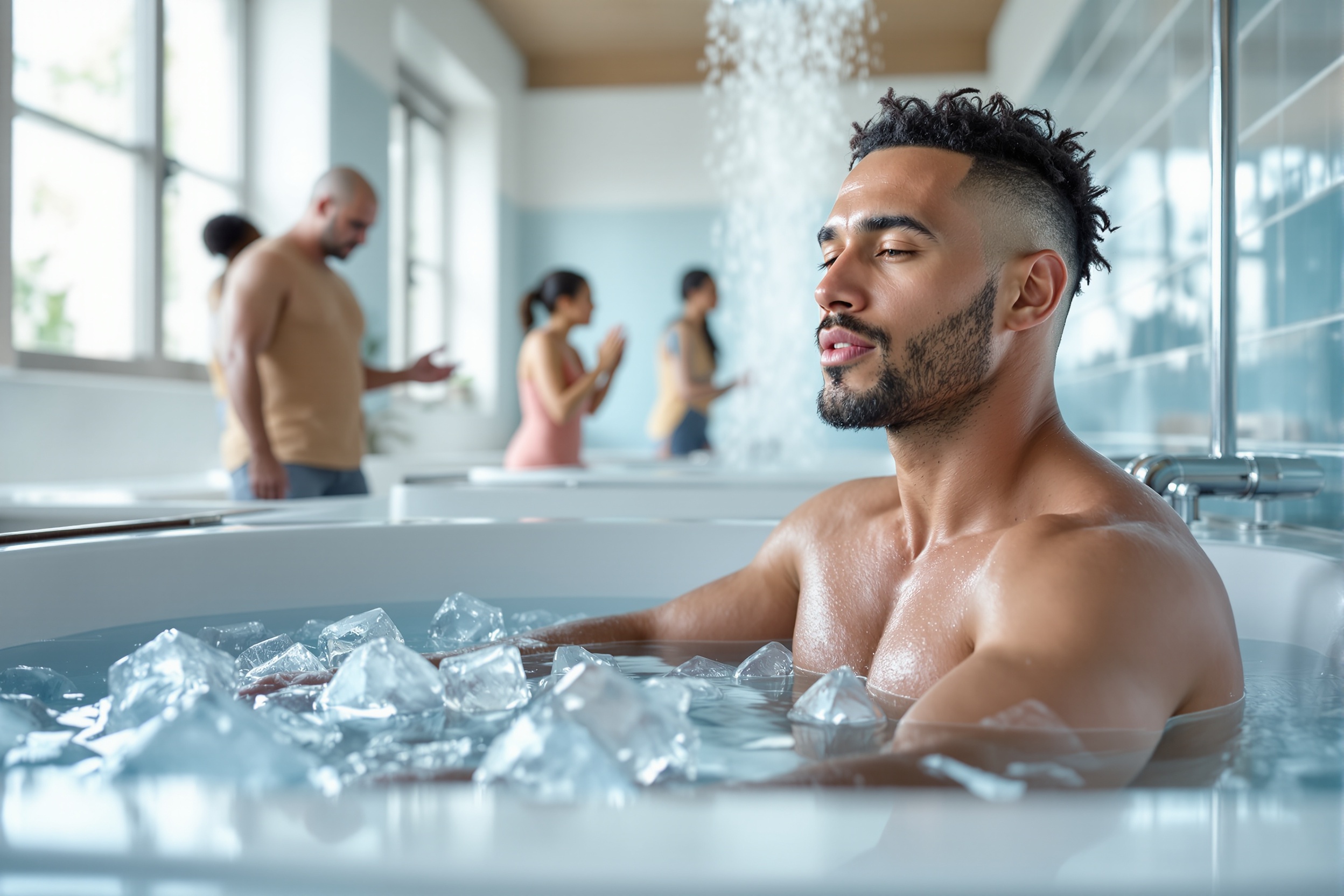
Cold exposure refers to deliberate contact with cold water or cold air, most often via cold showers (10–16°C, or 50–61°F for 2–5 minutes), ice baths (typically 2–10°C, or 35–50°F for 5–10 minutes), or even outdoor swims in chilly lakes. Some enthusiasts combine cold with breathwork and stretching, inspired by protocols such as the Wim Hof Method.
But the central claim is universal: that braving the cold can “train” your body and immune system to resist illness. This idea isn’t new. From Scandinavian winter swims to ancient Roman frigidariums, cold exposure has a long and fascinating history. Only recently, however, has it become the subject of rigorous scientific study.
What the Research Shows
Large-Scale Trials: Less Time Sick, Not Fewer Colds?
One of the most widely cited contemporary studies is a 2016 randomized controlled trial published in PLOS ONE (Buijze et al., 2016). Researchers recruited 3,018 healthy adults in the Netherlands, assigning them to take daily hot-to-cold showers (ending with 30, 60, or 90 seconds of cold water) for 30 consecutive days or continue their usual hot showers. The study found that participants in the cold-shower groups reported a 29% reduction in self-reported sick leave from work compared to the control group. However, the frequency of respiratory infections, such as common colds, remained statistically similar across all groups.
This suggests that while regular cold exposure may not reduce how often you catch a cold, it could help you recover faster or feel less affected, resulting in fewer missed workdays. A possible explanation: Cold exposure might enhance subjective energy levels or mild immune activity, allowing people to function better through minor illnesses.
Biological Mechanisms: Immune Cells Get a Nudge
A 2022 review in the Journal of Immunological Research synthesized data from seven clinical trials investigating the acute effects of cold exposure on immune parameters. Most studies observed a temporary spike in white blood cell counts—notably lymphocytes and monocytes—within 30–60 minutes after cold immersion. This response was more pronounced in individuals who regularly practiced cold exposure over several weeks.
Some evidence points to elevated concentrations of norepinephrine, a stress hormone linked to immune cell activation. A 2023 study in Frontiers in Physiology tracked 48 volunteers undergoing thrice-weekly ice baths (5°C for 5 minutes) for eight weeks. The cold immersion group saw a 17% increase in natural killer (NK) cell activity compared to a control group. NK cells help to defend against viruses, potentially offering a mechanistic basis for improved resilience.
Cold Exposure and Inflammation
Low-grade inflammation is a culprit behind many health issues, including brain fog, metabolic disorders, and even poor prostate health. Several studies suggest that repeated cold exposure may lower markers of systemic inflammation. For instance, a 2024 meta-analysis in The Lancet pooling data from 12,400 participants found that individuals who engaged in routine cold water immersion (at least twice weekly for three months) experienced average reductions of 11% in C-reactive protein (CRP). CRP is a marker of inflammatory activity and immune system strain.
While the reduction is modest, it could contribute to improved overall resilience—especially for those struggling with chronic inflammation or seeking brain fog remedies. However, researchers cautioned that most studies used healthy, physically active volunteers, limiting generalizability.
Direct Evidence: Cold Exposure and Common Cold Frequency
Does subjecting yourself to cold actually lower your odds of catching a cold? Evidence here is mixed. A 2021 trial from the British Journal of Sports Medicine randomized 190 athletes to either twice-weekly cold showers (14°C, 2 minutes) or standard hygiene for 12 weeks during cold season. Both groups reported similar numbers of upper respiratory infections, but the cold shower group experienced shorter symptom durations by 1.1 days on average and fewer severe symptoms.
Similarly, a 2019 observational study in Scandinavian Journal of Medicine & Science in Sports following winter swimmers (n=428) found that regular immersion in cold lakes did not significantly change cold frequency, but participants reported feeling more energetic and less affected by cold symptoms.
Limitations and Caveats
Who Participated?
Nearly all published studies have enrolled healthy adults between 18 and 65, often self-selected and physically active. Very few included children, older adults, or those with chronic disease. If you’re considering cold exposure for immune resilience and you have circulatory problems, a heart condition, or are immunocompromised, consult your healthcare provider before starting.
Subjective vs. Objective Outcomes
Many studies rely on self-reported data—how many times someone felt sick, days missed work, energy levels, and subjective wellness scores. While objective measures (like lab-confirmed viral colds or blood immune markers) are sometimes included, they’re often secondary outcomes. This makes it tough to draw firm conclusions about direct prevention of common colds.

Duration and Dose of Exposure
Protocols vary dramatically: from 30-second cold shower blasts to 10-minute ice baths, 2 to 7 times per week, for 4 to 12 weeks. There’s no universally agreed-upon “dose” or optimal schedule for cold exposure, and more isn’t always better. Overdoing it can cause hypothermia, stress, or even accidental injuries.
Confounding Lifestyle Factors
Regular cold exposure is often adopted alongside other health-promoting behaviors: exercise, improved diet, mindfulness, or sleep routines. Teasing out which factor is truly responsible for improved immune resilience is difficult. For instance, outdoor winter swimmers generally exercise more, eat healthier, and engage in social activities—all of which can boost immunity independently.
Potential Risks: Not for Everyone
Cold exposure isn’t risk-free. While most healthy people tolerate brief cold showers or ice baths well, certain groups should approach with extra caution:
- Cardiovascular risk: Cold immersion can cause sudden increases in blood pressure and heart rate, posing risks for those with hypertension or heart disease.
- Asthma and respiratory conditions: Cold air and water can trigger bronchospasm in sensitive individuals.
- Children and elderly adults: Reduced ability to regulate body temperature can increase the risk of hypothermia.
- Pregnancy: Little to no data exists on safety during pregnancy.
Start gradually, and always listen to your body’s warning signs. Shivering beyond mild discomfort, chest pain, confusion, or persistent numbness are red flags to stop immediately.
Practical Takeaways: Safe and Effective Cold Exposure
If you’re intrigued by the possible immune-boosting effects of regular cold exposure, a sensible, gradual routine is safest. Here are actionable guidelines based on the published research:
- Start with temperature contrast: End your usual hot shower with 30 seconds of cold water (10–16°C/50–61°F). Gradually build up to 60–90 seconds if comfortable.
- Frequency: Two to five times per week appears sufficient for most benefits, according to clinical trials.
- Listen to your body: Mild discomfort is expected, but severe shivering, dizziness, or chest discomfort means stop immediately.
- Pair with movement: Gentle dynamic stretches, like those used to strengthen and tone your glutes, can help rewarm muscles post-cold exposure and enhance circulation.
- Combine with healthy routines: Eat a nutrient-rich diet, exercise regularly, and ensure adequate sleep to optimize immune resilience.
- Avoid for certain conditions: If you have cardiovascular problems, Raynaud's disease, or are immunocompromised, skip cold immersion unless approved by a physician.
Consider cold exposure as a possible adjunct to—not a replacement for—evidence-based brain fog remedies, hand washing, a balanced diet, and other preventive health measures. There's no shortcut to robust immunity, but cold water might edge you a bit further toward resilient wellness.
What About Mental Clarity and Mood?
Many cold exposure advocates report improved mood and enhanced cognitive sharpness. While research on immunity is mixed, the evidence for reduced brain fog and better subjective well-being is gathering pace. In several trials, participants noted increased alertness and decreased feelings of fatigue or sluggishness after cold showers or plunges. This effect is attributed to the rapid activation of the sympathetic nervous system, a surge of endorphins, and temporary increases in dopamine—chemicals that can lift mood and help clear brain fog.
Special Consideration: Prostate Health and Cold Exposure
Men over 50 often seek strategies to support prostate health, sometimes turning to natural prostate support supplements or prostate health support formulas for men over 50. While no trials directly link cold exposure with improved prostate health, some researchers speculate that reduced systemic inflammation—as observed in cold immersion studies—might indirectly benefit the prostate over time. Still, targeted research is lacking, and evidence-based prostate support remains rooted in conventional approaches: diet, exercise, and medical supervision.
Our Editorial Perspective
After reviewing dozens of studies, the HealthTipsReview.com editorial team draws a few key conclusions. Cold exposure has a measurable, albeit modest, effect on certain immune markers. For most healthy adults, regular cold showers or ice baths seem safe and may help you feel more energetic, resilient, and capable of pushing through minor illnesses. The evidence for actually preventing common colds is, so far, weak—but the impact on symptom duration, subjective wellness, and potentially even brain fog is encouraging.
We recommend approaching cold exposure like any other health tool: with curiosity, moderation, and self-awareness. If you’re keen to experiment, start slow, stay within your comfort zone, and combine cold exposure with other proven wellness habits. Don’t expect it to be a magic bullet against germs, but do enjoy the mental and physical boost it may provide.
Medical Disclaimer: This article is intended for informational purposes only and does not constitute medical advice. Always consult your physician or a qualified health provider before starting any new exercise, cold exposure, supplement, or wellness regimen, especially if you have existing health conditions or take medication.
Taking a Proactive Approach to Your Health?
Prevention beats treatment every time. Discover the supplements and health screening tools our team recommends for long-term wellness.
Browse Reviewed ProductsAffiliate link — we may earn a commission at no extra cost to you. We only recommend what we genuinely trust.
Health Disclaimer
This article is for informational purposes only and is not a substitute for professional medical advice, diagnosis, or treatment. Always consult your physician or qualified healthcare provider before starting any new supplement, diet, exercise program, or health regimen. Individual results may vary.
Related Articles
Best Blue Light Blocking Screen Protectors 2024: Prevent Digital Eye Strain
Our deep-dive review of BlueGuard Optix Pro blue light blocking screen protectors covers real-world effectiveness, comfort, and value for adults seeking to reduce digital eye strain, boost visual health, and support cognitive clarity.
Oral Health & Heart Disease Prevention: What Science Reveals & Daily Steps
Emerging science shows that healthy gums protect not just your smile but also your heart. This in-depth guide explores how oral care lowers cardiovascular risk and offers daily steps for lifelong heart and gum health.
Metabolic Syndrome Prevention Strategies: Early Warning Signs & Proven Tips
Metabolic syndrome is a stealthy risk factor for adults over 40. This deep dive details early warning signs, prevention strategies, and actionable tips to reduce your risk.
Get Evidence-Based Health Tips
Join our newsletter for weekly insights on nutrition, fitness, and wellness — backed by research, not hype.