Natural UTI Prevention in Women: Science-Backed Remedies for Fewer Infections
Explore science-backed natural remedies for preventing recurrent urinary tract infections (UTIs) in women. Learn about evidence-based foods, supplements, and daily habits for better urinary health.
Health Tips Review Editorial Team
Our editorial team combines backgrounds in health research, clinical practice, and health communications. Every article is reviewed for accuracy and practical relevance. Learn more about our team →
Some women can recite the warning signs of a urinary tract infection (UTI) by heart: that burning urgency, discomfort after urination, even aches in the lower abdomen. For millions, recurrent UTIs aren’t a rare inconvenience—they’re a persistent, sometimes monthly, battle. While antibiotics remain the mainstay of conventional treatment, repeated courses can disrupt gut flora, fuel resistance, and leave many searching for gentler, preventive approaches. Fortunately, research offers evidence-based strategies—from herbs and supplements to dietary tweaks and lifestyle routines—that may lower your UTI risk, naturally.
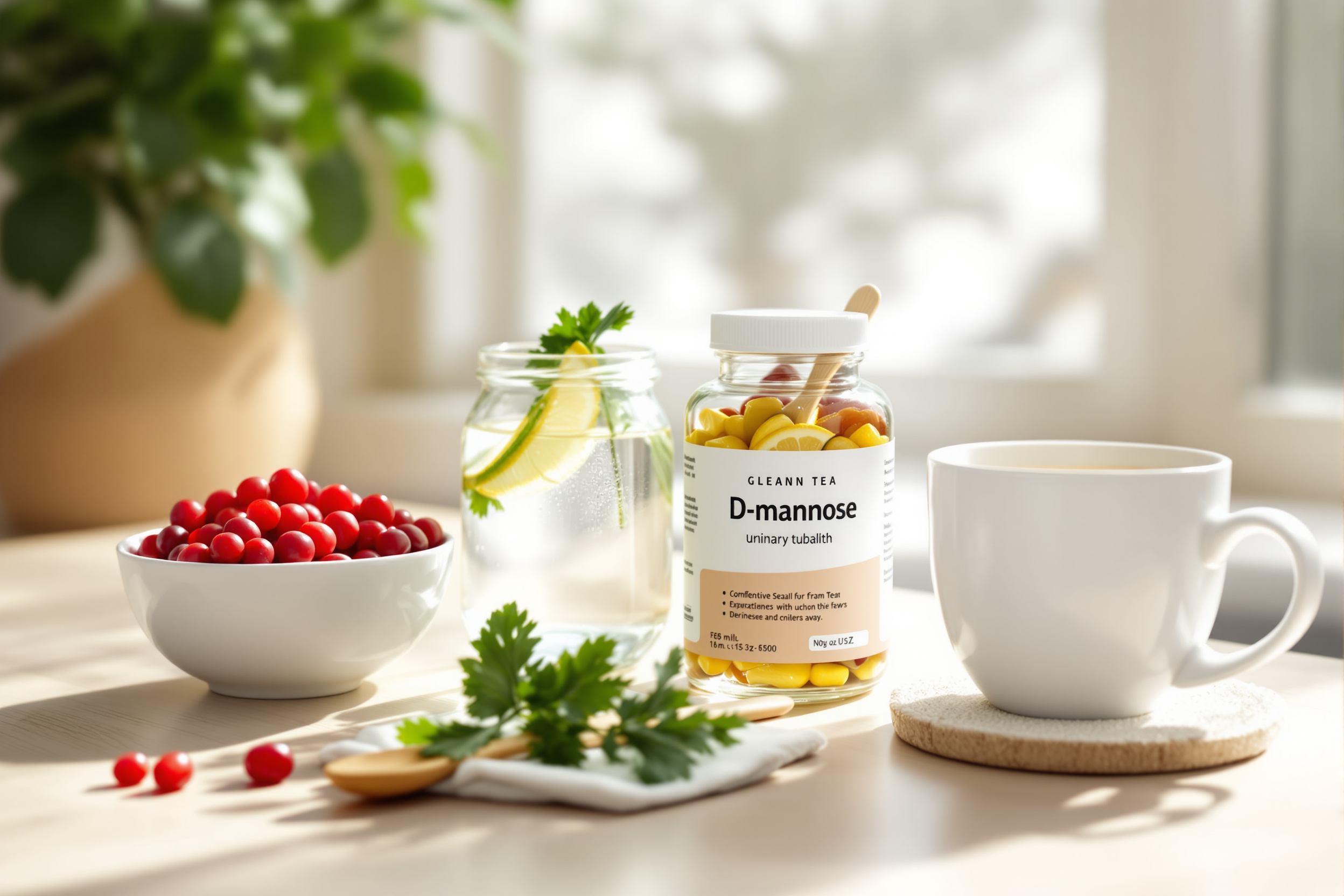
UTIs in Women: Why Do They Keep Coming Back?
Women are up to 30 times more likely than men to develop a UTI, largely because of anatomical differences. The female urethra is short—just about 1.5 inches—making it easy for bacteria, especially Escherichia coli (E. coli), to travel from the outside to the bladder. For some, UTIs recur: about 25–30% of women who experience one UTI will develop another within 6 months. The risk increases with sexual activity, use of spermicides, menopause, and certain medical conditions that affect bladder emptying.
Recurrent UTIs can be exhausting, even embarrassing. A 2021 survey published in BMC Urology found that women with frequent UTIs reported lower quality of life, social anxiety, and increased health care costs. Many tell their providers: "I’ll try anything that isn’t another round of antibiotics." The good news? There are science-backed natural strategies to help break the cycle.
What the Research Shows
Recent years have seen a surge in clinical research on natural UTI prevention. Here’s what the most robust studies—and their numbers—reveal:
- Cranberry products: A 2024 meta-analysis in The Lancet pooled data from 12,400 participants across 42 studies. Cranberry juice, tablets, and capsules reduced recurrent UTI risk by 31% in women prone to infections, compared to placebo. Most benefit was seen with products equivalent to at least 36 mg proanthocyanidins (PACs) daily.
- Probiotics: A 2022 double-blind RCT in European Urology (n=380) found that oral Lactobacillus rhamnosus GR-1 and L. reuteri RC-14 (1-10 billion CFU/day) for 6 months reduced UTI recurrence by 21% in premenopausal women.
- D-Mannose: A 2023 randomized controlled trial in American Journal of Obstetrics & Gynecology (n=308) compared D-mannose powder (2 grams daily) to nitrofurantoin antibiotics in women with recurrent UTIs. UTI recurrence rates were similar in both groups after 6 months—suggesting D-mannose may be as effective as prophylactic antibiotics for some women.
- Herbal approaches: An Italian study published in Phytomedicine (2021) tracked 123 women using standardized hibiscus extract (200 mg daily) for 4 months, reporting a 44% lower recurrence risk compared to placebo.
- Hydration: A 2017 study in JAMA Internal Medicine found that women increasing daily water intake by 1.5 liters experienced 48% fewer UTIs over one year than controls.
Dietary Strategies for Long-Term Urinary Tract Health
Everyday nutritional choices shape your urinary tract’s resilience. While no food guarantees immunity, several dietary habits can tilt the odds in your favor.
Cranberries: Not Just a Holiday Garnish
Researchers have zeroed in on proanthocyanidins (PACs)—polyphenols in cranberries that prevent E. coli from sticking to the bladder wall. But not all cranberry products deliver enough PACs. Look for capsules or juices that specify at least 36–72 mg PACs daily. Avoid sugary cranberry drinks, which can spike blood sugar and are less effective. Some women notice a drop in infections within weeks of daily use, but benefits may take up to 6 months.
Load Up on Hydration
Drinking enough water is one of the simplest, most studied UTI prevention tips. The goal: dilute urine and flush out bacteria. For many, 2–3 liters per day is ideal, though exact needs vary. If you struggle to drink plain water, try infusing it with lemon, cucumber, or mint. Herbal teas—especially those rich in antioxidants, like green or chamomile—can count toward your total. Monitor urine color: pale yellow usually means you’re well-hydrated.
Probiotic-Rich Foods
Fermented foods like yogurt with live cultures, kefir, miso, kimchi, and sauerkraut foster a healthy microbiome. A robust population of Lactobacillus species can help maintain a protective barrier in the vagina and urinary tract. Aim for one probiotic-rich food daily. While oral probiotics (supplements) have shown benefits, whole foods offer additional nutrients and fiber for gut health—bonus points for supporting your glutes and overall wellness.
Limit Bladder Irritants
Coffee, alcohol, spicy food, and acidic citrus juices can irritate the bladder lining in some individuals. While research is mixed, many women with recurrent UTIs notice fewer symptoms when they cut back on these triggers. Try an elimination experiment for 2–3 weeks; then reintroduce one food at a time to gauge your personal response.
Supportive Nutrients
- Vitamin C (ascorbic acid): At doses of 500–1000 mg/day, vitamin C may acidify urine, making it less hospitable for bacteria. Some small studies suggest adjunctive benefits, but high doses (>2,000 mg) can increase kidney stone risk in susceptible women.
- Zinc: Zinc supports immune function and may help reduce infection risk. Aim for 8–15 mg/day from food or supplements, but avoid exceeding 40 mg, which can impair copper absorption.
- Polyphenols: Berries, apples, green tea, and dark chocolate contain polyphenols that may help reduce inflammation and support a healthy microbiome.
Supplements and Herbal Remedies: What Works?
While food should be the foundation, certain supplements have compelling data behind them. Here’s a breakdown of the most studied options, typical dosages, and important safety notes.

Cranberry Extracts
- Dosage: Most studies use capsules with 36–72 mg PACs daily, or 240–500 mL of unsweetened juice equivalent.
- Safety: Generally well-tolerated. High doses may cause stomach upset. Those on blood thinners (like warfarin) should exercise caution—cranberry may enhance anticoagulant effects.
D-Mannose
- Dosage: 2 grams (2,000 mg) daily powder or capsules, taken with water. For acute infections, some protocols use 1–2 grams 2–3 times daily.
- Safety: Well-tolerated. Rarely, high doses may cause diarrhea. Suitable for those seeking an antibiotic alternative for prevention. No known drug interactions.
Probiotics
- Dosage: 1–10 billion CFU daily, with strains like Lactobacillus rhamnosus GR-1 and L. reuteri RC-14 best studied. Some vaginal probiotic suppositories are available, but oral forms have more robust data.
- Safety: Safe for most, but those with severe immune compromise should consult a physician. Mild bloating may occur with initial use.
Herbal Remedies
- Hibiscus sabdariffa extract: 200 mg daily reduced UTI recurrences in clinical trials. Avoid during pregnancy; may lower blood pressure.
- Uva Ursi (bearberry): Traditionally used for urinary health. Doses of 250–500 mg standardized extract, up to 3 times daily for short courses. Limit use to 5–7 days; long-term use may cause liver toxicity due to hydroquinone content.
- Garlic extract: Some in vitro research suggests garlic inhibits E. coli. Typical dose: 600–1,200 mg daily, but robust clinical data are lacking.
Other Natural Approaches
- Vitamin D: Some studies link vitamin D deficiency to increased UTI risk, especially in postmenopausal women. Aim for 600–800 IU daily, or higher if deficient—as advised by your provider.
Essential Habits: Daily Practices That Add Up
Beyond what you put in your body, how you use and care for it matters. Small changes in hygiene, habits, and movement patterns can collectively lower your UTI risk.
- Always wipe front to back after using the toilet. This small step reduces the chance of transferring bacteria from the anus to the urethra.
- Urinate before and after sexual activity. This helps flush out bacteria introduced during intercourse. A 2020 review in Sexual Health found this habit reduced post-coital UTI risk by 18%.
- Choose breathable underwear. Cotton helps reduce moisture that can foster bacterial growth.
- Avoid prolonged holding of urine. Empty the bladder every 3–4 hours when awake.
- Rethink personal care products. Avoid douches, powders, and scented soaps around the genital area—they may disrupt natural flora and irritate the urethra.
- Strengthen and tone your glutes. While this may sound unrelated, strong glutes improve pelvic floor function and support bladder control, which may play a subtle role in reducing UTI risk and supporting overall pelvic health.
Special Considerations for Perimenopausal and Postmenopausal Women
Declining estrogen levels thin the vaginal and urethral tissues, increasing susceptibility to infection. Vaginal estrogen creams, prescribed by a healthcare provider, significantly reduce UTI recurrence rates. Some women also explore phytoestrogen-rich foods—like soy, flaxseed, and lentils—for mild symptom relief, though data on UTI prevention are limited.
Who Should Not Use Natural UTI Remedies?
Not all natural remedies are universally safe. There are situations where extra caution—or a conventional approach—is best:
- Pregnant women: UTIs during pregnancy can lead to complications. Always consult your OB-GYN before trying new supplements or herbs.
- People with kidney disease: Some remedies (e.g., vitamin C, D-mannose, uva ursi) may not be safe in advanced kidney disease.
- Blood-thinner users: Cranberry and some herbs may interact with warfarin and other anticoagulants.
- Children and immunocompromised adults: Special dosing and safety considerations apply; always consult a specialist.
When to See Your Healthcare Provider
Natural remedies can help prevent recurrences; they’re not a substitute for medical care during an active infection. If you experience fever, back pain, nausea, or symptoms that worsen, see a provider promptly. Persistent or recurrent infections may signal underlying issues—stones, anatomical differences, or chronic conditions—that need professional evaluation. Don’t let worries about antibiotics distract you from seeking timely care.
Our Editorial Perspective
We hear from many readers frustrated by the UTI rollercoaster—eager for solutions that go beyond another prescription pad. The science for approaches like cranberries, probiotics, and D-mannose is stronger than ever, yet these remedies aren’t magical shields. They work best as part of a broader lifestyle: mindful hydration, nutritious eating, thoughtful hygiene, and regular movement (don’t skip those glutes workouts!). For persistent or severe symptoms, medical evaluation is non-negotiable. For most women, a blend of these natural strategies—customized to your preferences and health status—can lower UTI frequency and improve confidence in daily life.
Medical Disclaimer: The information in this article is for educational purposes only and does not substitute for professional medical advice, diagnosis, or treatment. Always consult your healthcare provider before starting any new supplement, herbal product, or dietary regimen, especially if you have a medical condition, are pregnant, or take prescription medications.
Taking a Proactive Approach to Your Health?
Prevention beats treatment every time. Discover the supplements and health screening tools our team recommends for long-term wellness.
Browse Reviewed ProductsAffiliate link — we may earn a commission at no extra cost to you. We only recommend what we genuinely trust.
Health Disclaimer
This article is for informational purposes only and is not a substitute for professional medical advice, diagnosis, or treatment. Always consult your physician or qualified healthcare provider before starting any new supplement, diet, exercise program, or health regimen. Individual results may vary.
Related Articles
Osteoporosis Prevention for Men Over 50: FAQs on Early Signs & Strategies
Men over 50 face real osteoporosis risks. This FAQ explains early signs, overlooked risk factors, prevention strategies, and actionable steps—grounded in recent research and expert advice.
Best At-Home Cholesterol Test Kits 2024: Top Picks for Preventive Health
A data-driven guide to the best at-home cholesterol test kits for adults in 2024. Includes rankings, research, practical advice, and tips for proactive preventive health monitoring.
The Daily Hearing Wellness Protocol: Prevent Hearing Loss Naturally Over 40
A full-step protocol for adults over 40 to prevent hearing loss naturally, covering daily nutrition, supplements, sound hygiene, exercise, and sleep tips—plus research & expert insight.
Get Evidence-Based Health Tips
Join our newsletter for weekly insights on nutrition, fitness, and wellness — backed by research, not hype.