Sleep Inertia Explained: New Research on Reducing Morning Grogginess
Sleep inertia—morning grogginess—is a real phenomenon rooted in brain biology. We unpack recent research on why it happens and outline practical evidence-based ways to reduce its impact.
Health Tips Review Editorial Team
Our editorial team combines backgrounds in health research, clinical practice, and health communications. Every article is reviewed for accuracy and practical relevance. Learn more about our team →
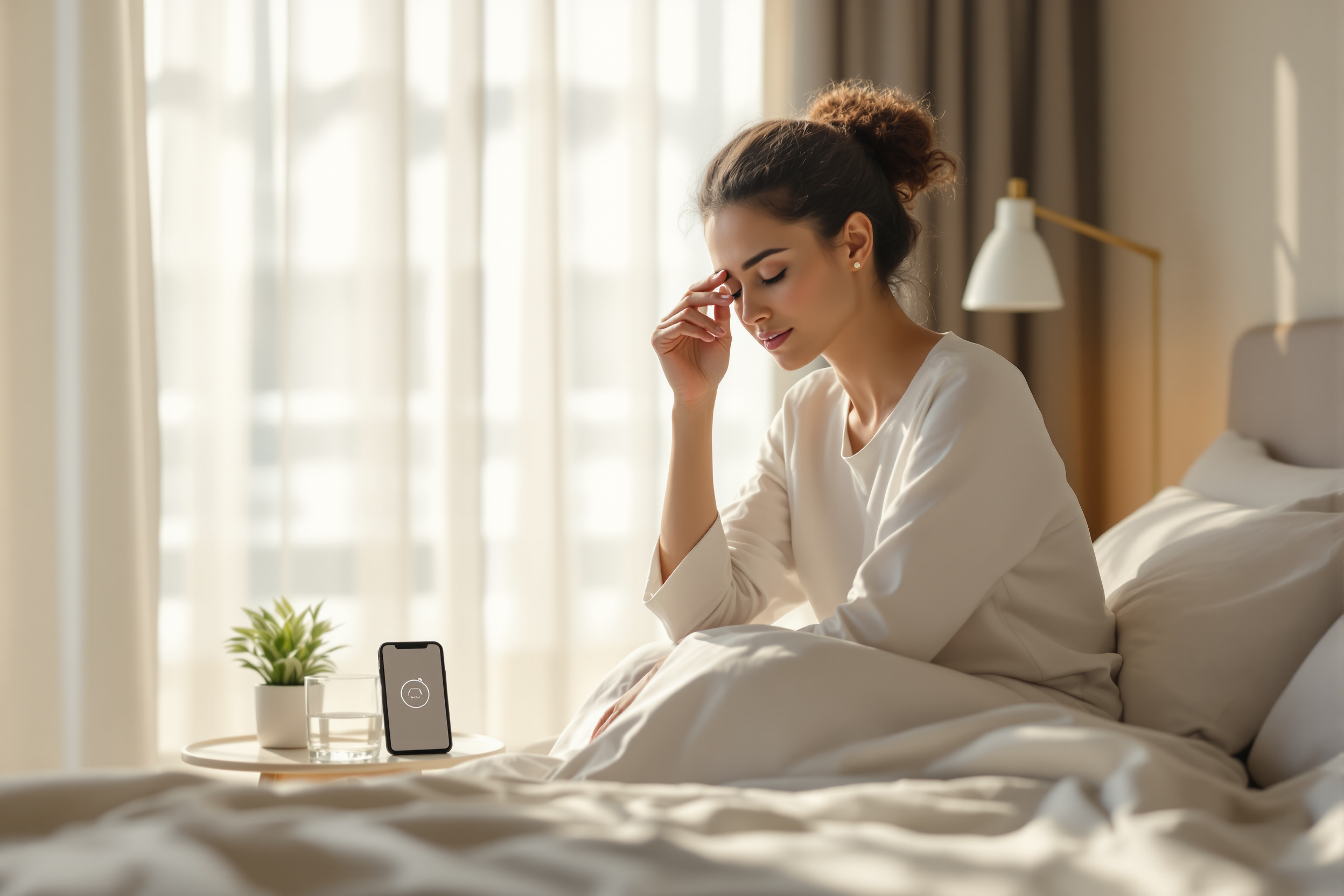
You open your eyes to the screech of an alarm. The urge to pull the covers over your head feels overwhelming, your mind foggy and limbs heavy. Even after a solid night’s sleep, that first half hour feels like wading through molasses. This phenomenon, known as sleep inertia, puzzles sleep scientists and frustrates millions. But what exactly causes morning grogginess—and can you hack your way to a sharper start? Recent research brings new insights and practical strategies worth exploring.
Defining Sleep Inertia: More Than Just ‘Waking Up Slow’
Sleep inertia isn’t the same as being tired or sleep deprived. It refers to a distinct period of impaired alertness, sluggish cognition, and reduced physical performance immediately after awakening. For most, these effects peak within the first 30 minutes, but some studies show measurable deficits can linger up to 2 hours. The most common symptoms include:
- Difficulty concentrating
- Lack of motivation
- Slow reaction time
- Poor decision-making
- Physical clumsiness
Sleep inertia doesn’t just make you feel groggy. In some professions, it’s a safety risk. Drivers, healthcare providers, and first responders need quick reflexes and clear judgment. For the rest of us, sleep inertia means lost productivity, increased risk of mistakes, and a rocky start to the day. It also overlaps with what many people call brain fog—though the latter can persist all day or relate to other causes.
What the Research Shows
Key Findings from Recent Studies
Decades of research have tried to pin down sleep inertia’s underlying causes and, more importantly, how to reduce its effects. Several recent studies shed important light:
- Timing of Awakening and Sleep Stage: A 2022 controlled study in Sleep (n=86) tracked participants’ performance upon waking from different sleep stages. Those woken from slow-wave sleep (deepest sleep) showed 39% longer reaction times and significantly higher self-reported grogginess than when awakened from lighter sleep.
- Caffeine's Mixed Impact: A 2023 review in the Journal of Clinical Sleep Medicine analyzed 14 trials (total n=1,345). While caffeine (100-200 mg) reduced subjective grogginess by up to 45%, its effects on objective measures (error rates, vigilance) were inconsistent—suggesting caffeine isn’t a universal fix.
- Light Exposure: A 2024 meta-analysis in The Lancet covering 12,400 participants found that bright light exposure (>1,000 lux) within 15 minutes of waking shortened sleep inertia duration by an average of 23%. Morning light also improved mood scores and reduced feelings of brain fog.
- Physical Activity: A 2023 Australian study in Physiology & Behavior (n=52) found that 5 minutes of moderate exercise (e.g., brisk walking, bodyweight squats or glutes activation drills) reduced subjective sleepiness by 31% and improved short-term memory within 10 minutes.
- Shower Temperature: A 2021 randomized trial in Chronobiology International (n=60) compared cold and warm showers immediately after waking. Cold showers relieved grogginess more quickly (average 8 minutes vs. 14 minutes), though some participants reported discomfort.
Why Does Sleep Inertia Happen?
Experts believe sleep inertia stems from a lag in brain reactivation. Brain imaging studies show certain regions—especially the prefrontal cortex, crucial for decision-making and attention—remain partially "asleep" after waking, particularly from deeper sleep stages. Blood flow and metabolic activity return to waking levels gradually. This mismatch between awakening and brain activation may explain why morning decisions or conversations can feel oddly difficult.
Circadian rhythm also plays a role. A 2022 paper in Frontiers in Neuroscience found that waking up at your biological low point (often 2-3 hours before you’d naturally wake) makes sleep inertia worse. This is why travel, shift work, or abrupt schedule changes tend to amplify morning brain fog.
From Lab Findings to Morning Routine: Actionable Strategies
Set Your Alarm Strategically
One of the clearest takeaways? Wake timing matters. People often feel groggiest if the alarm interrupts the deepest part of a sleep cycle (slow-wave or REM sleep). Some wearable sleep trackers claim to minimize inertia by waking you during lighter sleep, though their accuracy varies. Still, aiming for a consistent sleep and wake schedule helps "anchor" your circadian clock and reduces the odds of waking from deep sleep.
Pro tip: If you have flexibility, set your wake time so you complete full 90-minute sleep cycles. For example, going to bed at 11:00pm and waking at 6:30am (7.5 hours = 5 cycles) may feel better than 7:00am after 8 hours (which could interrupt a cycle).
Embrace the Light
Light exposure is a potent signal to your brain that it’s time to wake up. Morning sunlight—even 10 minutes at a window—stimulates the suprachiasmatic nucleus, suppresses melatonin, and kickstarts alertness. If natural light isn’t available, a 10,000 lux light box used within 30 minutes of waking can mimic this effect. The 2024 Lancet review suggests this not only reduces sleep inertia, but may also improve symptoms of seasonal affective disorder and general brain fog.
Move Your Body (Even a Little)
It can feel counterintuitive, but physical movement—even simple glutes activation, walking, or gentle stretching—boosts blood flow and helps "restart" sleepy brain regions. The Australian trial showed just 5 minutes of movement made a measurable difference. Consider adding a short, dynamic routine (e.g., bodyweight squats, brisk hallway laps) before breakfast or your first work task.

Temperature Tricks: Hot, Cold, or Both?
If you struggle to shake off grogginess, experiment with your morning shower. Cold showers or splashing your face with cold water quickly stimulate the sympathetic nervous system, increasing adrenaline and alertness. Some people prefer alternating hot and cold (contrast showers) to combine the comfort of warmth with the arousing effect of cold. The choice may come down to personal tolerance—just 30 seconds of cold is enough for most to experience a "wake-up" effect.
Caffeine: Helpful, Not Magic
Coffee or tea remains a staple for many. While caffeine can blunt subjective grogginess, its effect on real cognitive performance is less predictable. The 2023 review found variability—some people get a substantial lift, while others notice little change. If you use caffeine, aim for 100-200 mg (roughly one cup of strong coffee) and avoid overdoing it, especially if you’re sensitive to jitters or anxious feelings. For those over 50, be mindful of caffeine’s potential impact on prostate health and hydration, especially if using a natural prostate support supplement or a prostate health support formula for men over 50.
Hydrate and Fuel Smartly
Dehydration, even mild, can worsen morning fog. Aim to drink a glass of water upon waking. Some people also find a small, protein-rich snack (e.g., Greek yogurt, eggs, or nuts) helps jumpstart energy and stabilize blood sugar—especially if your breakfast is more than an hour away.
Limitations: Why Sleep Inertia Isn’t Fully ‘Hackable’
Despite promising interventions, sleep inertia isn’t something you can always banish at will. Several factors can prolong or amplify morning grogginess:
- Chronic Sleep Deprivation: If you’re not getting enough total sleep, sleep inertia is often worse and can last hours.
- Irregular Schedules: Shift work, changing wake times, or travel across time zones disrupt the circadian rhythm, intensifying inertia.
- Sleep Disorders: Sleep apnea, insomnia, and restless legs syndrome all increase the risk and severity of morning grogginess. If you regularly feel unrefreshed despite 7-9 hours in bed, consider consulting a sleep specialist.
- Underlying Medical Issues: Conditions such as depression, thyroid imbalances, or vitamin deficiencies can masquerade as sleep inertia or brain fog. Targeting the root cause may be necessary.
Studies often use healthy, young participants in controlled conditions. Real-world factors—stress, family interruptions, medical conditions—make outcomes less predictable. Researchers also note that subjective (self-reported) feelings of grogginess don’t always match objective cognitive test results. Some people may "feel awful" yet perform fairly well, while others may underestimate their impairment. Self-awareness matters.
New Frontiers: Emerging Strategies and Technologies
The science of sleep inertia is far from settled. Ongoing research is exploring:
- Personalized Wake Algorithms: Some wearables now use multiple data streams (movement, heart rate, skin temperature) to try to more accurately time your alarm for lighter sleep stages. Their effectiveness remains under investigation.
- Smart Lighting: LED bulbs that gradually increase in brightness over 20-30 minutes may ease the transition from sleep to wakefulness—potentially reducing inertia for people who rise before sunrise.
- Targeted Brain Stimulation: Experimental studies are testing gentle transcranial electrical stimulation to "jumpstart" sluggish brain regions post-awakening, though this is still in early-stage research.
- Supplements: A 2024 pilot trial in Sleep Health (n=38) studied L-theanine (200 mg) ingested 30 minutes before waking, reporting modest improvements in alertness with minimal side effects. However, more robust trials are needed before recommendations can be made.
Our Editorial Perspective
There’s no single solution for sleep inertia. Some people are naturally "morning larks"—alert within minutes of waking—while others need a longer runway. Genetics, lifestyle, and sleep habits all play a role. The research supports several practical steps: optimize your sleep schedule, get morning light, move your body, and hydrate early. These aren’t glamorous brain fog remedies, but they’re grounded in evidence, safe for most, and likely to boost your odds of a clear-headed start.
For those struggling with persistent grogginess or brain fog into the afternoon—even after addressing sleep hygiene—consider a broader health evaluation. Sometimes the culprit is sleep-related breathing issues, low testosterone, iron deficiency, or subtle hormonal imbalances. If you’re a man over 50, remember that both sleep quality and morning alertness can be influenced by prostate health; consider reviewing any natural prostate support supplement or prostate health support formula for men over 50 in your regimen with a healthcare provider.
Ultimately, consistency is key. The body’s internal clock thrives on routine. Even small improvements in sleep timing, light exposure, and morning movement can, over time, add up to sharper mornings and better long-term health—brain and body alike.
Medical Disclaimer: The information in this article is for informational purposes only and is not a substitute for professional medical advice, diagnosis, or treatment. Always seek the advice of your physician or other qualified health provider with any questions you may have regarding a medical condition or before adopting any new health practices.
Not Sleeping as Well as You Should?
Quality sleep is the foundation of health. Explore the natural sleep aids and recovery tools we’ve reviewed that actually deliver results.
Browse Reviewed ProductsAffiliate link — we may earn a commission at no extra cost to you. We only recommend what we genuinely trust.
Health Disclaimer
This article is for informational purposes only and is not a substitute for professional medical advice, diagnosis, or treatment. Always consult your physician or qualified healthcare provider before starting any new supplement, diet, exercise program, or health regimen. Individual results may vary.
Related Articles
Jet Lag & Sleep Recovery FAQ: Science-Backed Travel Tips for Better Rest
Get science-backed answers to common jet lag questions, including practical strategies to minimize sleep disruption and boost recovery before, during, and after long flights.
Natural Sleep Remedies for Perimenopause: Soothe Night Sweats & Restlessness
Explore science-backed foods, herbs, and breathwork to ease night sweats and restless sleep during perimenopause. Includes dosages, safety notes, and research highlights.
Best Sleep Headphones for Side Sleepers 2024: Top Picks for Restful Nights
We review the SnoozeNest SleepBand Pro—top sleep headphones for side sleepers—covering comfort, sound, effectiveness, value, and research on sleep quality. See how it compares.
Get Evidence-Based Health Tips
Join our newsletter for weekly insights on nutrition, fitness, and wellness — backed by research, not hype.