Why Is Good Sleep So Hard? 7 Sneaky Reasons You Can't Get Quality Rest
Struggling to get decent shuteye even when you do everything 'right'? Discover the real reasons sleep escapes you and what actually helps.
This article may contain affiliate links. We earn a small commission if you make a purchase — at no extra cost to you. Full disclosure
Health Tips Review Editorial Team
Our editorial team combines backgrounds in health research, clinical practice, and health communications. Every article is reviewed for accuracy and practical relevance. Learn more about our team →
Still Tired After Eight Hours? Here’s Why Sleep Stays Out of Reach
I used to believe sleep was simple: you lay down, close your eyes, and let nature take over. Then my twenties hit. Suddenly, I was tossing and turning, waking up groggy, even after a full night in bed. Here’s the kicker—I wasn’t alone. Millions of us chase deep sleep and rarely catch it. And despite what Instagram wellness ‘gurus’ say, it’s never just about making your room darker or buying new pajamas.
So why does sleep, the most natural thing in the world, become such a complicated mess? Modern science—and plenty of painful personal experience—points to some truly surprising culprits.
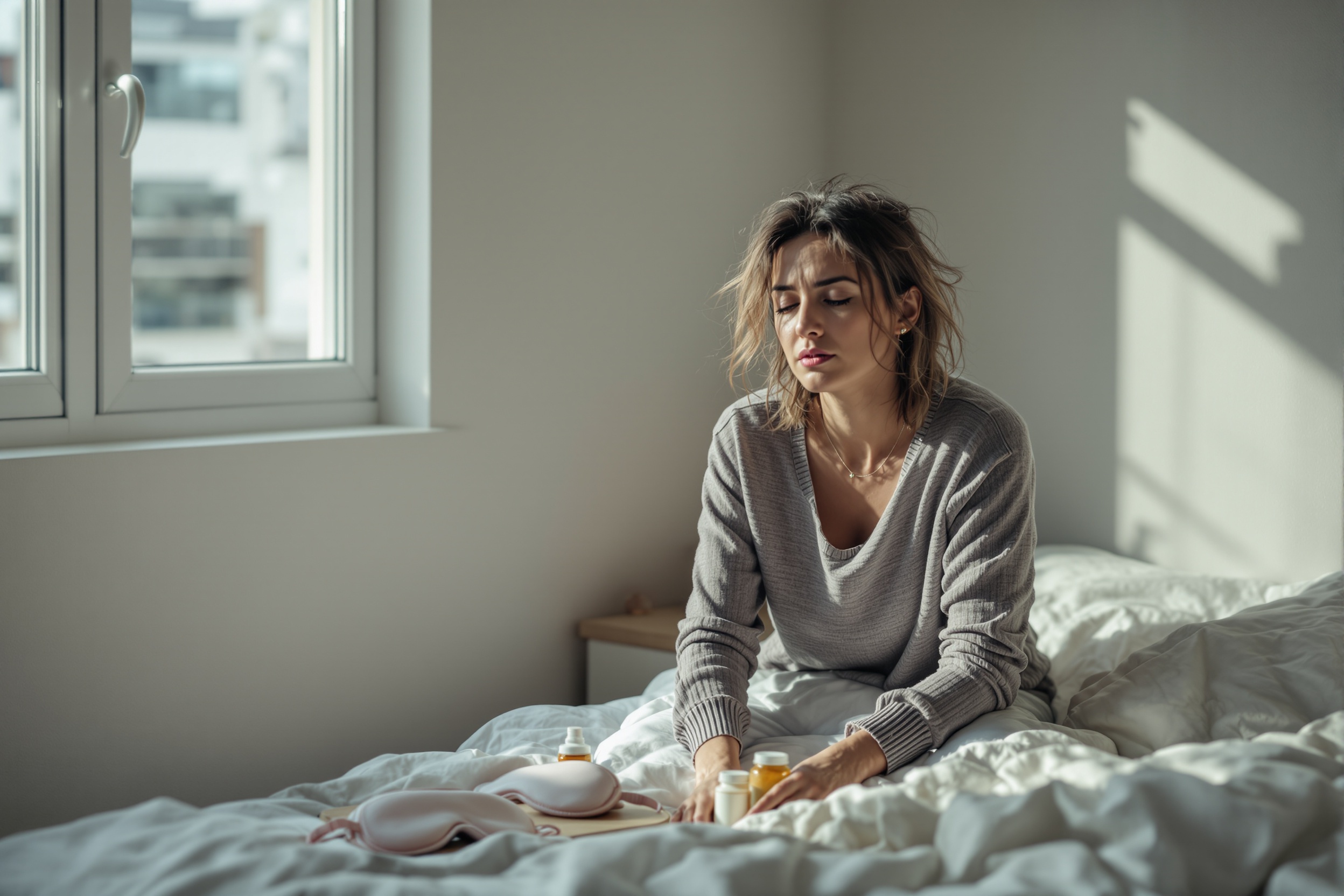
Is It Really "Just Stress"? The Real Triggers Sabotaging Your Sleep
Quick answer: It’s rarely “just stress.” Most sleep issues come from a stew of biology, habits, and sneaky health shifts that build up over time.
I blamed my insomnia on workplace stress for years. Then I switched jobs—same sleep drama. Turns out, most of us misdiagnose the root cause. A lot of it comes down to what’s happening in your brain and body long before your head hits the pillow.
Your Brain Is Wired for Trouble (Sometimes)
Think you can outsmart your brain? Think again. Sleep happens when your body’s internal clock (the circadian rhythm) signals it’s time to shut down. But that clock gets thrown off easily—blue light, erratic meal times, late workouts. According to a 2023 review in Sleep Medicine Reviews, even small shifts in your hours—say, a late-night Netflix binge once a week—can confuse your melatonin release and wreck your chances at true rest.
The (Hidden) Role of Hormones and Age
Can’t sleep the way you did at 21? You’re not broken — that’s biology. Hormone changes ramp up in your 30s and beyond, especially for women (thanks, perimenopause) but men aren’t immune either. Testosterone, progesterone, and cortisol all affect your sleep cycles, and they change as you age. And guess what? So does your metabolism, which can make even subtle diet shifts mess with rest. For ideas on eating for better recovery, check out /category/nutrition-diet.
Sleep Isn’t Just About the Night Before
Here’s the fast truth: How you sleep reflects what you do all day—not just an hour before bed.
This one stunned me. I figured a meltdown with emails at 4pm was ancient history by 10pm. Nope. That post-lunch crash, skipped workout, or endless scrolling? They all accumulate.
Your Daytime Energy, Your Nighttime Payoff
There’s a theory called ‘sleep drive’—basically, pressure to sleep builds as you stay awake. When you nap, zone out, or fuel up with caffeine all afternoon, guess what? The drive goes nowhere. A randomized trial in the American Journal of Physiology found people who walked briskly for 30 minutes during daylight had more deep sleep that night—regardless of age or fitness.
So yes, your glutes actually matter—moving them helps you sleep. I saw this first-hand training older clients who literally couldn’t sleep after long sedentary workdays. When they started brisk walking and simple moves to strengthen and tone their glutes, their sleep improved. Sometimes dramatically. Want more on daytime mood and energy? Browse /category/mental-wellbeing.
Food, Drinks, and That “One Last Glass”
Think a glass of wine winds you down? You’re not wrong. But the follow-up is killer: alcohol can prevent deep, restorative sleep, and leave you foggy or groggy the whole next day. In a review published in Nutrients, moderate evening drinking shortened REM sleep and increased nighttime waking—no thanks.
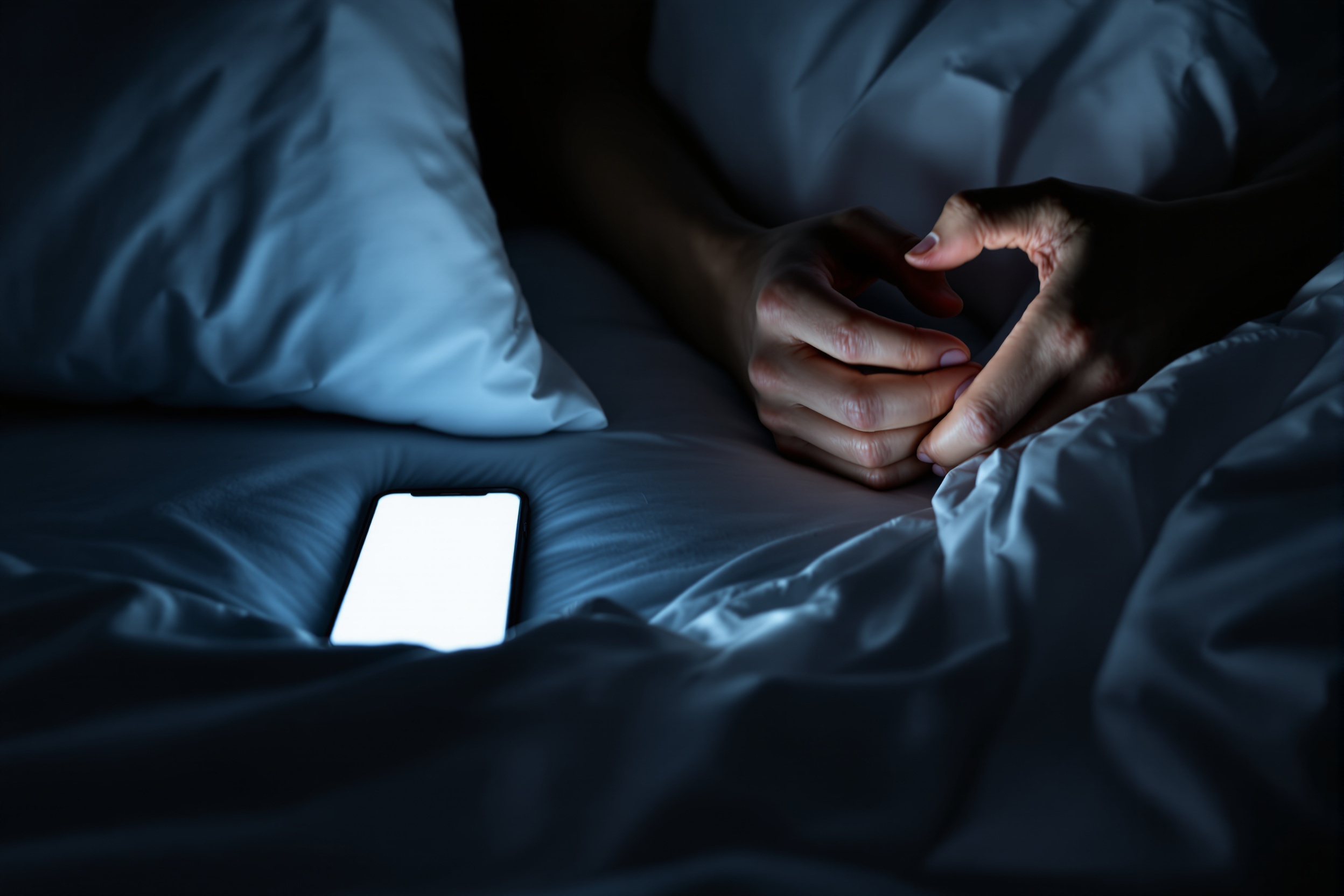
The Screens and Stimulants Trap: Why Your Devices Actually Matter
Here’s the kicker: Blue light isn’t just a buzzword—it really delays that all-important melatonin signal.
Here’s a short tale: my best sleep in years happened by accident—on a beach, miles from Wi-Fi, my phone dead. No scrolling, not a single LED glow. My eyes adjusted to dusk, not to a device. It felt forced at first; it ended up as the deepest sleep of my adult life.
Brain Fog and "Sleep Debt"
There’s a price you pay for numbing yourself into late-night Instagram holes or web-browsing: called “sleep debt.” Miss a few hours here and there, suddenly daytime brain fog feels unshakable. I noticed even after minor sleep deprivation, my memory and focus flatlined. Scientists agree—sleep is the only real, sustainable brain fog remedy. There are supplements that promise to support memory, but none rival actual deep rest (though the best brain supplement for focus and mental clarity can help take the edge off in a pinch).
Too Much Caffeine (or the Wrong Timing)
This isn’t news—but it’s amazing how often we ignore it. I had to give up my beloved 3pm black coffee to get my sleep back on track. Caffeine can stick around for up to 8 hours, according to research from the Journal of Clinical Sleep Medicine. That means coffee at 2pm may be sabotaging your 10pm bedtime without you realizing.
Surprising Health Factors: Prostate, Metabolism, and More
Speed read: Your body might be signaling trouble long before symptoms get obvious. Men and women both get hit.
Men: Prostate Health and Midnight Bathroom Runs
If you’re a guy over 50, nighttime pee breaks may be destroying your sleep—and your mood—even if you’re “healthy.” A lot of men don’t realize enlarged prostate (BPH) is common and treatable. I’ve seen friends swear by natural prostate support supplements and a quality prostate health support formula for men over 50. Do your research, talk to your doctor. But don’t just accept night-waking as fate; it’s often fixable, and your brain will thank you.
Women: Metabolic Shifts and Sleep Quality
Metabolism slows as women hit their 40s (yep, even if you’re active). But here’s the bizarre part: lower metabolism can impact both body temperature and hormone cycles, which are tightly tied to how easily you drift off and stay asleep. I’ve had clients feel like failures because “I’m doing everything right but still awake at 3am.” Sometimes, the best metabolism booster for women over 40 makes a difference, but often it’s a signal to adjust nutrition, fitness (yes, glutes again), and sleep hygiene habits. No, you're not broken.
Natural Sleep Supplements: Smart Move or Waste of Hope?
The bottom line: Supplements can help as part of a bigger plan, but there’s no capsule that replaces sound habits and routine.
Quality matters, especially when you’re desperate for deep rest. I’ve tried just about every natural sleep supplement for deep sleep with mixed results. The honest truth? Melatonin isn’t a magic bullet. But for some, a targeted sleep blend can help nudge the brain toward tranquility—especially if combined with real-world fixes (no screens before bed, consistent bedtime, moving your glutes during the day). Just avoid the mistake of expecting an instant miracle. Always check the ingredients and source; sketchy pills equal sketchy nights.
Real-World Notes: What Actually Works
- Consistency beats heroics—setbed and wake times matter most. I took this seriously for three weeks, and my mood was shockingly stable.
- Movement. If I sit all day, I can forget decent sleep. Glutes, quads, a 15-minute walk after dinner—it all counts.
- Temperature. My “aha”—if my room’s too warm, I sweat and toss for hours. The Sleep Foundation backs this; 65°F seems ideal.
- Supplements—sometimes. The best natural sleep supplement for deep sleep gave me a boost on jet-lagged nights but wasn’t a crutch.
- Talking to a doc. Don’t self-diagnose serious issues (like prostate health or hormonal shifts). There are real answers, not just “Try harder” shaming.
Final Take: Sleep Isn’t a Luxury—It’s Survival
Sick of dragging yourself through foggy mornings? You’re not lazy or broken. Sleep’s gotten harder for almost everyone, thanks to modern habits and some ancient biology. The good news—small, boring shifts build big wins. Make movement a must. Eat like sleep matters. Question every nighttime “quick fix.” And when in doubt, look at what your brain and body need—not just what’s trending on TikTok. If this reads like something you wish you knew a decade ago, you’re not alone. I wish I had too. Want more science-backed fixes? Check out /insights for blunt, research-driven answers.
Disclosure: Some links in this article are affiliate links. If you purchase through these links, we may earn a small commission at no extra cost to you. We only recommend products we genuinely believe in.
Not Sleeping as Well as You Should?
Quality sleep is the foundation of health. Explore the natural sleep aids and recovery tools we’ve reviewed that actually deliver results.
Browse Reviewed ProductsAffiliate link — we may earn a commission at no extra cost to you. We only recommend what we genuinely trust.
Health Disclaimer
This article is for informational purposes only and is not a substitute for professional medical advice, diagnosis, or treatment. Always consult your physician or qualified healthcare provider before starting any new supplement, diet, exercise program, or health regimen. Individual results may vary.
Related Articles
How Sleep Fragmentation Impacts Muscle Recovery: New Study Insights
Sleep fragmentation—frequent night awakenings—can reduce muscle repair and strength gains by up to 30% in adults over 40, according to recent clinical studies. Learn what causes fragmented sleep, why it matters for muscle and brain health, and practi
Nighttime Lymphatic Drainage Protocol: Sleep Your Way to Faster Recovery
Boost overnight recovery and reduce swelling with this printable step-by-step lymphatic drainage protocol. Backed by research, it offers actionable tips for better sleep, muscle repair, and brain clarity.
Best Sleep Masks for Light Sensitivity: 2024 Reviews for Rest & Recovery
Our deep-dive review of the LuminoRest Deep Sleep Mask explores its blackout features, comfort, and effectiveness for light sensitivity, travel, and recovery. Science-backed, practical advice.
Get Evidence-Based Health Tips
Join our newsletter for weekly insights on nutrition, fitness, and wellness — backed by research, not hype.