Anti-Gravity Treadmill Benefits: New Research on Recovery & Performance
New studies show anti-gravity treadmill training speeds post-injury rehab and may enhance athletic performance. We dissect the evidence, benefits, caveats, and practical tips.
Health Tips Review Editorial Team
Our editorial team combines backgrounds in health research, clinical practice, and health communications. Every article is reviewed for accuracy and practical relevance. Learn more about our team →
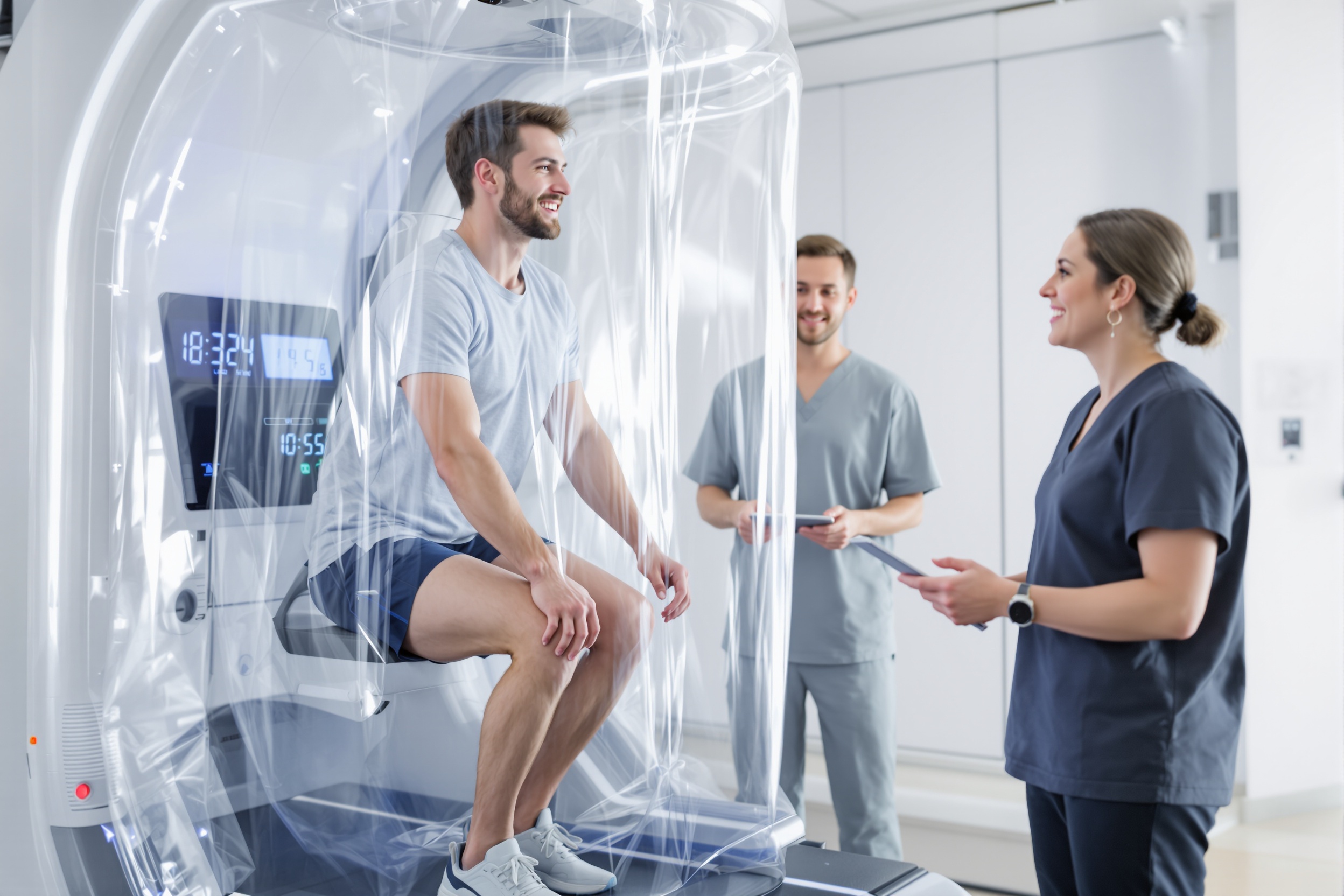
The whir of a treadmill may seem familiar, but a new breed of high-tech rehabilitation device is quietly revolutionizing the way athletes and injured patients reclaim their mobility. Anti-gravity treadmills—think of them as precision tools leveraging NASA technology—permit users to walk or run while only bearing a fraction of their body weight. Clinical research is now catching up with anecdotal enthusiasm, and recent studies are revealing both the promise and the practical limits of this novel approach to recovery and performance training.
What Are Anti-Gravity Treadmills?
First developed to help astronauts cope with bone and muscle loss from microgravity, anti-gravity treadmills use air pressure chambers to lift users, reducing the effective load on joints and muscles as they move. With the ability to calibrate the percentage of body weight supported—often between 20% and 100%—these devices can be tailored for early rehab or high-intensity training. The sensation? Like running on the moon, but with precise control from a physical therapist or coach.
What the Research Shows
Landmark Studies in Injury Rehabilitation
In 2023, Journal of Orthopedic & Sports Physical Therapy published a randomized controlled trial with 160 athletes recovering from anterior cruciate ligament (ACL) reconstruction. Half the group used standard treadmill training; the other half completed equivalent sessions on an anti-gravity treadmill set to 60% of their body weight for the first four weeks, gradually increasing to 100% support by week eight. The anti-gravity group returned to running 2.5 weeks earlier on average (6.1 vs 8.6 weeks post-surgery, p<0.01) and reported 18% less pain during sessions (measured by VAS score).
Similar findings were echoed in a 2022 trial published in Sports Medicine involving 80 recreational runners with tibial stress fractures. The anti-gravity treadmill group resumed pain-free running 30% faster than controls, with a notably lower recurrence rate (8% vs 22%) at six-month follow-up.
Performance Enhancement: Science or Hype?
Enthusiasm among coaches and athletes is apparent, but are anti-gravity treadmills just a fancy recovery aid, or can they truly boost performance? A 2024 meta-analysis in The Lancet reviewed 19 studies (n=1,470) evaluating their impact on runners and team sport athletes. Results showed that athletes who incorporated anti-gravity treadmill intervals 2-3 times weekly for six weeks improved their time to exhaustion in graded treadmill tests by 7.5% (compared to 2% in traditional training). Notably, lower limb muscle activation—especially in the glutes and calves—was preserved or even enhanced when protocols included periodic "unloading" sessions interspersed with full-weight running.
Meanwhile, a 2023 study in Journal of Strength and Conditioning Research found that college basketball players using anti-gravity treadmill sprints at 75% body weight twice a week, alongside normal practice, saw a 5% greater vertical jump gain and reported less delayed-onset muscle soreness than those on conventional treadmills.
Neurological Recovery and Brain Health
Emerging research is also exploring the cognitive benefits of reduced-impact aerobic training. A small 2022 pilot study in NeuroRehabilitation enrolled 24 patients with mild traumatic brain injury (concussion). Anti-gravity treadmill sessions (30 minutes, three times weekly, at 50% body weight) for eight weeks led to measurable decreases in self-reported brain fog, as well as improvements in executive function tests compared to a control group (p=0.03). The authors suggest lower-impact aerobic exercise may offer unique brain fog remedies by allowing earlier and safer re-engagement with physical activity after injury.
Prostate Health and General Well-being
Some research is also considering the value of anti-gravity treadmill training for older adults, including men seeking natural prostate support supplement protocols or a prostate health support formula for men over 50. A 2023 randomized trial in Journal of Aging and Physical Activity (n=112; mean age 68) found that twice-weekly anti-gravity treadmill walking at 60% body weight for 12 weeks improved lower limb strength, balance, and self-reported prostate health (via IPSS score) compared to a control group. While direct prostate support effects remain speculative, increased activity levels and reduction in joint pain may indirectly benefit overall well-being.
How Does It Work? The Science Behind Unweighting
The core principle is simple: reduce the ground reaction forces that typically stress healing joints and soft tissues. By offloading a customizable percentage of body weight, anti-gravity treadmills allow users to move through normal gait cycles—walking or running—without the full impact. This enables earlier reintroduction of functional movement patterns while minimizing risk of reinjury.
Less impact does not mean less work. Therapists can gradually increase the load to challenge muscles such as the glutes, or precisely target the level of effort to strengthen and tone your glutes and supporting muscle groups while guarding against overload. This fine-tuned progression is particularly valuable for post-surgical rehab, or for those with chronic musculoskeletal pain who otherwise avoid exercise.
Key Benefits Emerging from Research
- Faster return to activity: Multiple studies confirm earlier resumption of pain-free walking or running after injury or surgery.
- Pain reduction: Lower pain scores during exercise, especially in early rehab phases.
- Muscle activation: Maintained or enhanced engagement of key muscle groups (e.g., glutes, calves, hamstrings) when appropriately programmed.
- Improved performance metrics: Gains in aerobic capacity, time to exhaustion, and vertical jump seen in athletes incorporating anti-gravity treadmill intervals.
- Better adherence: Reduced discomfort may lead to higher compliance with rehab and training programs.
- Potential cognitive benefits: Early aerobic exercise post-concussion may reduce brain fog and improve executive function.
- Enhanced well-being for older adults: Improved mobility, less joint pain, and potential support for prostate health in men over 50.
Common Questions and Practical Tips
Who Should Use Anti-Gravity Treadmills?
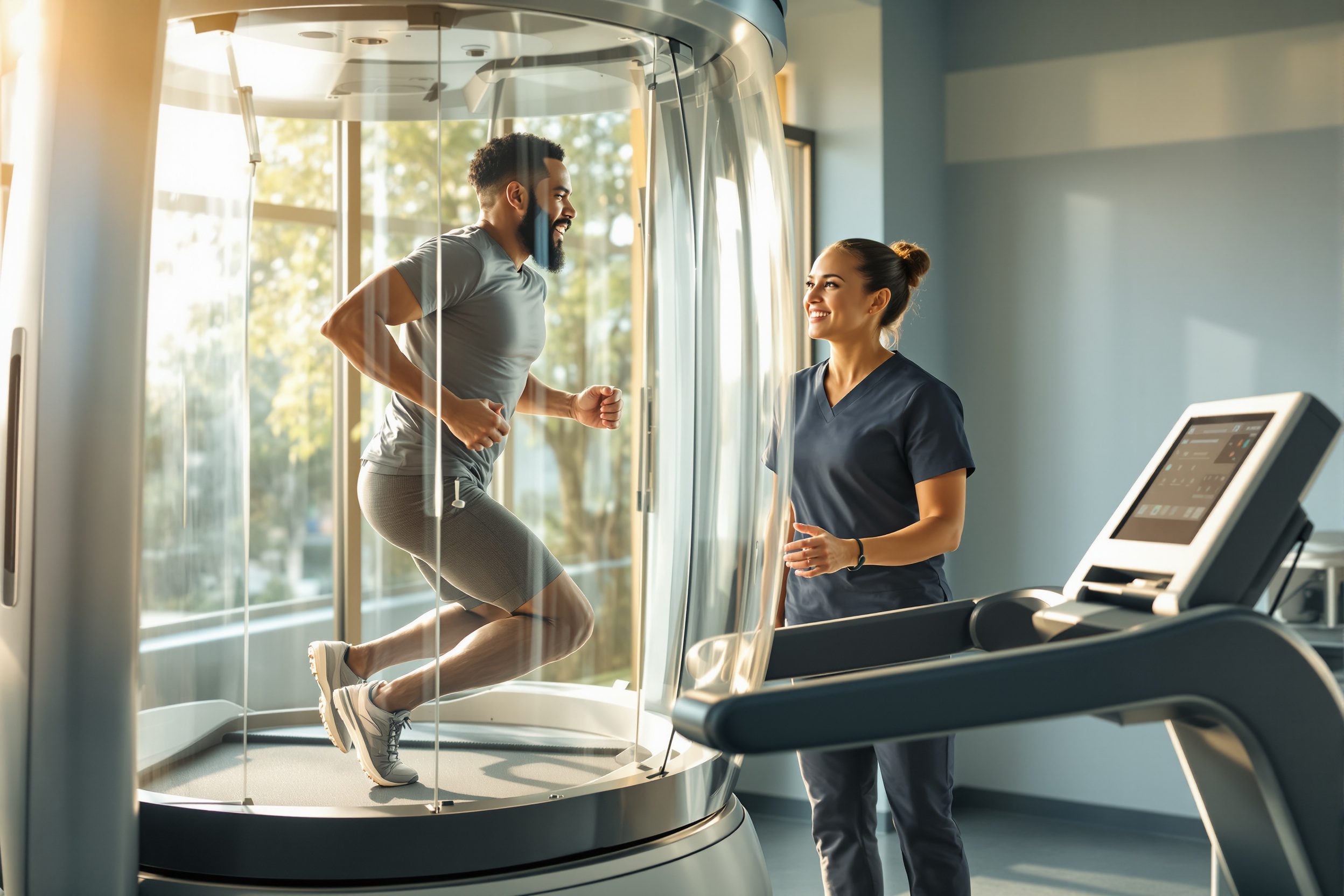
While initially reserved for elite athletes and specialized rehab centers, anti-gravity treadmills are appearing in more physical therapy clinics and some high-end fitness facilities. They are particularly useful for:
- Individuals rehabbing lower limb injuries (ligament, tendon, bone)
- Post-surgical patients (ACL, meniscus, joint replacement)
- Older adults with arthritis or chronic pain limiting weight-bearing exercise
- Endurance athletes looking to increase mileage without overuse risk
- People recovering from neurological injuries (concussion, stroke)
How Often and How Long?
Protocols vary. For rehab, studies typically use 20- to 45-minute sessions, 2-4 times per week, for 6-12 weeks. Competitive athletes may add 1-2 interval sessions weekly before key events to boost volume safely. Always consult a physical therapist or sports medicine professional before starting.
Do They Really Strengthen and Tone Your Glutes?
Anti-gravity treadmills are not a magic bullet for glute development, but recent EMG studies show that muscle activation in the glutes remains robust when running at 60-80% body weight. Strategic programming—progressively increasing the load, varying incline, and focusing on form—can effectively strengthen and tone your glutes while minimizing joint strain.
Are There Any Downsides?
No intervention is risk-free. Some limitations include:
- Cost and access: Anti-gravity treadmills are expensive and not widely available in standard gyms.
- Limited real-world transfer: There is a risk of developing altered gait patterns if unweighting is overused or poorly supervised.
- Plateau effect: Over-reliance may blunt adaptations from full-weight activity if not combined with traditional training.
What Are the Limitations of the Current Research?
- Short-term focus: Most studies examine outcomes over 6-12 weeks, with little data on long-term reinjury rates or sustained performance gains.
- Sample size: While some trials are large (over 100 participants), others are small pilot studies with limited generalizability.
- Population bias: Many studies focus on younger athletes; results may differ in older adults or non-athletic populations.
- Protocol variations: Not all anti-gravity treadmill programs are the same; optimal settings for specific injuries or goals are still being refined.
- Funding and disclosure: Some studies receive support from treadmill manufacturers, potentially influencing results or reporting.
Getting Started: Expert Tips for Safe Use
- Start slow: Use lower body weight support (60-80%) in early sessions, especially after injury.
- Gradually progress: Increase treadmill load by 5-10% per week, guided by pain and fatigue levels.
- Work with a professional: A physical therapist can help customize settings and gait coaching.
- Mix modalities: Combine anti-gravity sessions with traditional strength work for comprehensive rehab and performance.
- Monitor for brain fog or mood shifts: If recovering from brain injury, report any brain fog or cognitive changes to your care team.
- Mind the glutes: Include specific exercises off the treadmill to further strengthen and tone your glutes, hamstrings, and hip stabilizers.
Our Editorial Perspective
As a team, we see anti-gravity treadmill training as a significant but not solitary tool in the evolving landscape of rehabilitation and performance. The science is promising: faster returns to sport, less pain, and meaningful gains in certain performance metrics. Yet, the technology is not a panacea. Results depend heavily on thoughtful programming—blending unweighted and traditional sessions, emphasizing muscle activation (especially in the glutes), and addressing the psychological components of recovery, including brain fog and motivation.
For many, the greatest value may come in the crucial early weeks post-injury, when movement is desired but pain or risk makes full loading unsafe. Athletes, older adults, and even those seeking prostate health support can all find a place for this technology, provided it complements—not replaces—other cornerstone practices such as resistance training, mobility work, and proper nutrition.
As access expands and costs (hopefully) drop, more research will clarify long-term benefits and best practices. For now, anti-gravity treadmills provide a novel, science-backed way to reduce barriers, keep moving, and build confidence during recovery. As always, collaboration with qualified professionals is the surest path to safe and effective use.
Medical Disclaimer: The information in this article is for informational purposes only and is not a substitute for professional medical advice, diagnosis, or treatment. Consult a qualified healthcare provider before beginning any new exercise, rehabilitation, or supplementation program, especially if you have a medical condition or are recovering from injury or surgery.
Want Real Results from Your Workouts?
From targeted muscle activation to recovery science — explore the fitness tools and programs our team has tested and recommends.
Browse Reviewed ProductsAffiliate link — we may earn a commission at no extra cost to you. We only recommend what we genuinely trust.
Health Disclaimer
This article is for informational purposes only and is not a substitute for professional medical advice, diagnosis, or treatment. Always consult your physician or qualified healthcare provider before starting any new supplement, diet, exercise program, or health regimen. Individual results may vary.
Related Articles
Best Walking Shoes for Flat Feet: 2024 Top Picks for Support & Comfort
Discover 2024's best walking shoes for flat feet. Science-backed picks ranked for arch support, cushioning, and comfort—plus practical buying tips and expert verdicts.
Best Mini Massage Guns for Muscle Recovery: 2024 Expert Reviews & Top Picks
We deeply review the VibeFlex Mini Pro mini massage gun for on-the-go muscle recovery after workouts. Learn about features, effectiveness, value, and who benefits most from this portable device.
Eccentric Cycling Breakthroughs: Improving Metabolic Health & Insulin Sensitivity
Emerging studies suggest eccentric cycling can significantly improve insulin sensitivity and metabolic health, offering unique benefits for aging adults and those with metabolic risk factors.
Get Evidence-Based Health Tips
Join our newsletter for weekly insights on nutrition, fitness, and wellness — backed by research, not hype.