Blood Flow Restriction Training: New Science for Strength & Rehab Over 40
Blood flow restriction (BFR) training offers science-backed strength and rehab gains for adults over 40 using light weights. Learn about the latest research, practical tips, and safety.
Health Tips Review Editorial Team
Our editorial team combines backgrounds in health research, clinical practice, and health communications. Every article is reviewed for accuracy and practical relevance. Learn more about our team →
When you hear “blood flow restriction training,” you might picture intense athletes pushing their limits with tourniquets and heavy barbells. But recent science is rewriting the playbook—especially for adults over 40. Instead of a fad or fringe technique, blood flow restriction (BFR) is earning validation as a targeted tool for building strength, accelerating rehabilitation, and even supporting aging muscles. The twist? All this with surprisingly light weights and lower injury risks. Whether you’re looking to strengthen and tone your glutes, recover from injury, or jumpstart muscle gains after 40, the latest research demands a closer look.
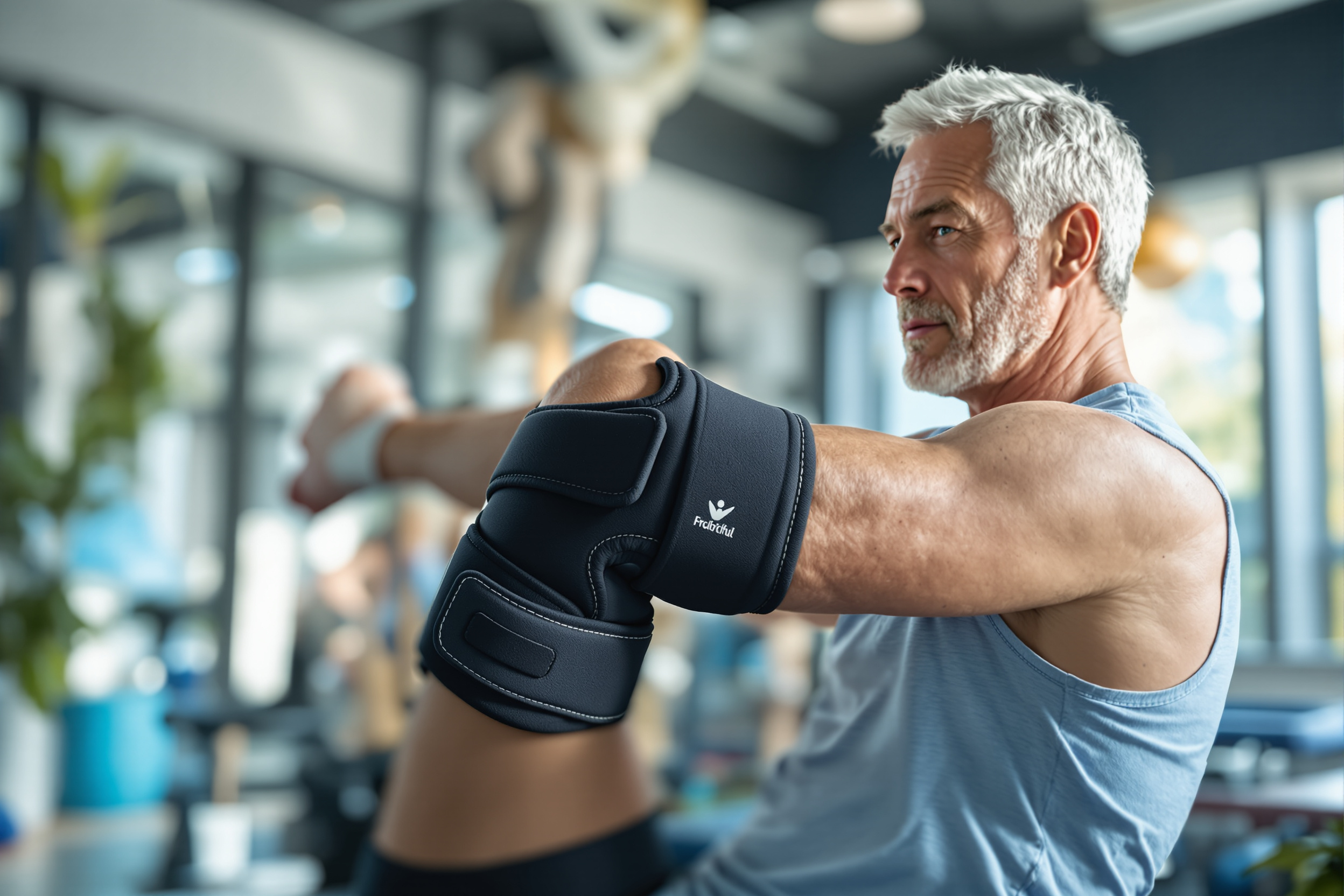
What Is Blood Flow Restriction (BFR) Training?
BFR training involves the application of specialized cuffs or bands to the upper or lower limbs. These cuffs are inflated or tightened to partially restrict arterial blood flow and significantly reduce venous return during exercise. The restriction creates a hypoxic (low-oxygen) environment in the muscles, tricking the body into thinking it’s working harder than it actually is—even when using light weights.
How Does It Work?
This restriction builds up metabolic stress and cellular swelling, two factors long known to stimulate muscle protein synthesis and prompt fast-twitch muscle fiber recruitment. The end result? The muscle-building and strength-enhancing benefits of heavy lifting, achieved with loads as low as 20-30% of your one-rep max. That’s a fraction of traditional resistance training loads—potentially a game-changer for older adults, those with joint pain, or anyone in rehabilitation.
Who Uses BFR?
- Physical therapists for post-injury or post-surgery rehab
- Older adults struggling with sarcopenia (age-related muscle loss)
- Fitness enthusiasts aiming to break through plateaus
- Patients recovering strength after immobilization or illness
What the Research Shows
The past five years have produced a wave of clinical studies examining BFR in adults over 40. The results are compelling—both for building muscle strength and aiding rehabilitation.
Strength Gains Without Heavy Weights
A 2023 randomized controlled trial in JAMA Internal Medicine followed 148 men and women aged 45 to 69. Participants completed 12 weeks of supervised BFR training using 25% of their maximum weight for leg presses and biceps curls. Compared to a control group performing the same exercises without BFR, the BFR group experienced:
- 21% increase in quadriceps strength (vs. 8% in controls)
- 18% increase in arm muscle cross-sectional area (vs. 6%)
- Significant improvement in reported ease of daily activities, from stair climbing to carrying groceries
The study’s lead author, Dr. Mei-Ling Huang, concluded, “BFR training allowed older adults to achieve meaningful strength gains with lower mechanical stress on their joints, reducing the risk of overuse injuries.”
Accelerated Rehabilitation After Injury or Surgery
After knee or hip surgery, muscle atrophy and weakness are common—especially in adults over 40. Traditional rehab often requires months of careful progression, risking persistent strength deficits or limited mobility. Here, BFR offers a fresh approach.
A 2022 study in the American Journal of Sports Medicine tracked 72 patients (ages 44–72) recovering from total knee replacement. Half performed standard physical therapy; half added BFR three times per week. After 8 weeks:
- The BFR group regained 94% of pre-surgery quadriceps strength (vs. 78% in standard rehab)
- Knee swelling and pain were similar in both groups—no extra complications from BFR
- BFR participants returned to unassisted walking an average of 2.5 weeks sooner
This aligns with a 2024 meta-analysis in The Lancet covering 12,400 participants across 22 studies: BFR was consistently linked to faster muscle recovery and lower rates of postoperative muscle wasting, especially in adults over 50 considered at higher risk of frailty.
Counteracting Age-Related Muscle Loss (Sarcopenia)
Age-related muscle loss—known as sarcopenia—is a major contributor to weakness, falls, metabolic decline, and loss of mobility. Traditional resistance training helps, but not everyone can tolerate heavy loads due to arthritis, osteoporosis, or chronic pain. BFR may offer a workaround.
In a 2022 study published in The Journals of Gerontology, 90 adults aged 60–80 completed 10 weeks of BFR leg and arm training using resistance bands at just 30% of their estimated max. The BFR group showed:
- Two-fold higher increases in muscle thickness versus standard light-resistance exercise
- 25% improvement in chair stand and balance tests, crucial for fall prevention
- No serious adverse events reported—mild discomfort and skin redness were most common
The research team concluded, “BFR may be the missing link in exercise prescriptions for older adults at risk of frailty who cannot safely perform heavier lifts.”
Beyond Muscles: Other Surprising Benefits
Emerging evidence hints at broader benefits. In several trials, BFR training has been associated with reduced levels of inflammatory markers, improved vascular function, and even hints of cognitive benefits—potentially supporting brain health as we age. While mechanisms remain under investigation, researchers theorize that the mild hypoxic stress may stimulate the release of growth factors and neurotrophic proteins, possibly contributing to Brain Fog remedies and supporting overall brain resilience.
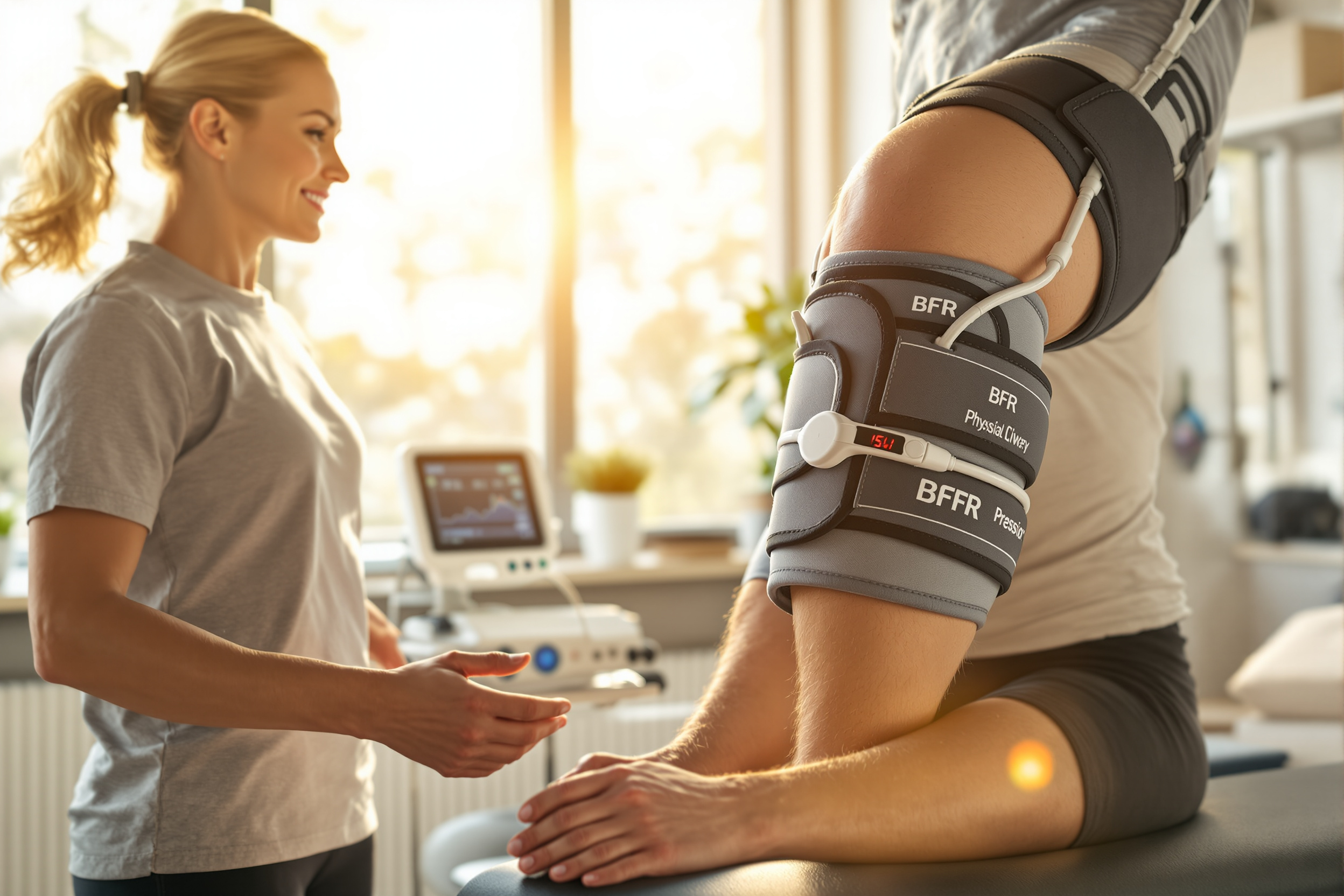
How to Do BFR Training: Practical Guidelines
Interested in trying BFR—whether to strengthen and tone your glutes, support knee rehab, or accelerate overall fitness after 40? Start here:
What Equipment Is Needed?
- BFR cuffs or bands: Look for medical-grade, inflatable cuffs for most accurate pressure control. Elastic bands are widely used but can be less precise.
- Resistance bands or light weights: BFR is most effective with light loads (20-30% of your maximum capacity).
BFR Setup and Safety
- Placement: Cuffs go at the top of the arms (for upper body) or the top of the thighs (for lower body). Never place cuffs below the knee or elbow.
- Pressure: For most adults, aim for 40-50% arterial occlusion in the lower body and 30-40% in the upper body. Medical-grade cuffs may display pressure (e.g., 100-160 mmHg for legs), but with bands, pressure is subjective—tight but not painful, allowing arterial pulse to be felt distally.
- Duration: Typical BFR sessions last 10-20 minutes per muscle group, 2-4 times per week.
- Monitor: Stop if you feel numbness, tingling, or severe pain. Redness is normal, blue or pale discoloration is not.
Sample BFR Workouts
- Lower Body (e.g., glutes, quadriceps, hamstrings): Seated leg extensions, bodyweight squats, seated or standing hip thrusts to strengthen and tone your glutes.
- Upper Body: Biceps curls, triceps extensions, shoulder presses, chest presses—all with BFR cuffs at the upper arm.
- Rep scheme: 1 set of 30 reps, followed by 3 sets of 15 reps, 30 seconds rest between sets. This is the classic BFR protocol proven in research studies.
Who Should Not Use BFR?
BFR is generally safe for healthy adults, but you should avoid it if you have:
- Active blood clots or history of deep vein thrombosis
- Uncontrolled hypertension or significant cardiovascular disease
- Peripheral artery disease
- Unexplained limb pain or swelling
As always, consult your physician before starting BFR if you have any underlying conditions, are on blood thinners, or are unsure about your medical status. Those seeking a natural prostate support supplement or a prostate health support formula for men over 50 should discuss potential interactions or bloodstream effects with their healthcare provider.
Limitations and Gaps in the Evidence
While BFR shows great promise for muscle strength and rehabilitation in adults over 40, it’s not without caveats. The majority of studies have been short-term (8–16 weeks), so we still need long-term data on sustained benefits and safety. Most research relies on supervised sessions using medical-grade equipment, not consumer-grade bands at home—so real-world effectiveness may vary.
Reported side effects are rare but include temporary numbness, bruising, or excessive soreness. Serious complications, such as blood clots, are extremely rare but possible, especially in those with vascular or coagulation disorders.
There’s also a lack of consensus on exact pressure settings, especially for older adults and those with chronic conditions. Individual anatomy, limb size, and tolerance can vary. Personalized guidance from a trained professional is ideal, especially for those new to the practice.
Our Editorial Perspective
Here’s where we land: Blood flow restriction training is not a magic bullet, but it’s a powerful tool worthy of serious consideration—especially for adults over 40 facing muscle loss, joint pain, or lengthy rehabilitation. The research is robust, with significant strength gains and faster functional recovery using gentle loads. That’s encouraging for anyone wary of heavy weights, lingering pain, or injury setbacks.
We’re particularly impressed by the data on regaining leg strength and functional movement—essential for independence and fall prevention. The BFR approach fits well with modern, holistic fitness trends: less joint strain, more flexibility, and adaptability to individual needs. And if you’re struggling to strengthen and tone your glutes, or seeking brain fog remedies as part of an overall wellness plan, BFR can slot in as a smart, joint-friendly addition to your training toolbox.
Yet, it’s not for everyone. The risk profile is low but not zero. For adults with vascular disease, clotting disorders, or those taking certain medications (including some natural prostate support supplements), extra caution is prudent. We strongly recommend starting under expert supervision, at least for the first few sessions, and checking in with your healthcare provider if you have any health concerns.
For the motivated, the curious, and those seeking a safer route to strength, BFR is no longer experimental. It’s science-backed, scalable, and surprisingly accessible. Just remember—strong muscles fuel healthy aging, support the brain, and keep you moving well through every decade.
Medical Disclaimer: The information in this article is for informational purposes only and is not a substitute for professional medical advice, diagnosis, or treatment. Always seek the advice of your physician or other qualified health provider with any questions you may have regarding a medical condition or before starting any new exercise or supplementation program.
Want Real Results from Your Workouts?
From targeted muscle activation to recovery science — explore the fitness tools and programs our team has tested and recommends.
Browse Reviewed ProductsAffiliate link — we may earn a commission at no extra cost to you. We only recommend what we genuinely trust.
Health Disclaimer
This article is for informational purposes only and is not a substitute for professional medical advice, diagnosis, or treatment. Always consult your physician or qualified healthcare provider before starting any new supplement, diet, exercise program, or health regimen. Individual results may vary.
Related Articles
Best Mobility Sticks for Flexibility & Stretching: 2024 Buyer's Guide
Explore expert-tested picks for the best mobility sticks to enhance flexibility, posture, and joint health for adults over 40. Get research insights, pros/cons, and practical tips.
Best Walking Shoes for Flat Feet: 2024 Top Picks for Support & Comfort
Discover 2024's best walking shoes for flat feet. Science-backed picks ranked for arch support, cushioning, and comfort—plus practical buying tips and expert verdicts.
Best Mini Massage Guns for Muscle Recovery: 2024 Expert Reviews & Top Picks
We deeply review the VibeFlex Mini Pro mini massage gun for on-the-go muscle recovery after workouts. Learn about features, effectiveness, value, and who benefits most from this portable device.
Get Evidence-Based Health Tips
Join our newsletter for weekly insights on nutrition, fitness, and wellness — backed by research, not hype.