The Ultimate Guide to Stronger, Toned Glutes: Science-Backed Strategies That Actually Work
Discover actionable, research-backed methods to strengthen and tone your glutes, enhance lower body aesthetics, and support total-body health. This guide explores effective exercises, training principles, and nutrition tips to help you achieve your glute goals.
This article may contain affiliate links. We earn a small commission if you make a purchase — at no extra cost to you. Full disclosure
Health Tips Review Editorial Team
Our editorial team combines backgrounds in health research, clinical practice, and health communications. Every article is reviewed for accuracy and practical relevance. Learn more about our team →
Why Glute Strength Matters Beyond Aesthetics
When I talk to clients or friends about why they want to strengthen and tone their glutes, the top answer is almost always appearance. There’s nothing wrong with that—well-built glutes do contribute to curvier hips and an athletic look. However, the benefits stretch far beyond looks. Strong glutes are critical for overall movement, athletic power, and injury prevention.
Research highlights that underactive or weak glutes are tied to common orthopedic issues like lower back pain, knee discomfort, and even hip tightness (Distefano et al., 2009). Your gluteus maximus is the largest muscle in the human body—and for good reason. It propels us out of chairs, powers our sprints, and supports our spine.
- Injury Prevention: Studies suggest that targeted glute training significantly lowers the risk of ACL injuries, especially among athletes (Myer et al., 2008).
- Better Athletic Performance: Glutes play a major role in sprint speed, vertical jump, and explosive movements (Contreras et al., 2016).
- Posture & Everyday Mobility: A strong posterior chain (including the glutes) is key to good posture and fewer aches over time.
I’ve noticed that when people focus on glute training, they often not only see a more sculpted lower body but also feel stronger and more stable during daily activities.
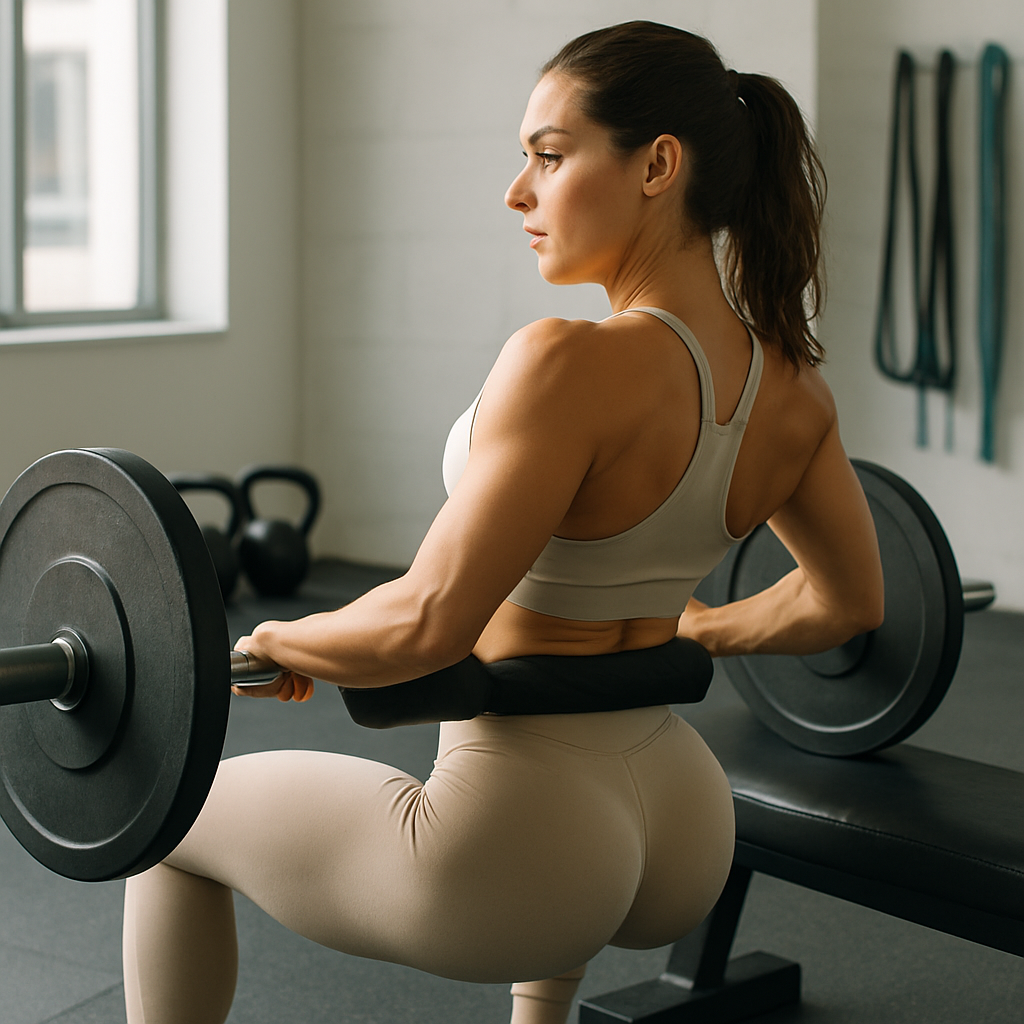
Understanding Your Glute Muscles: Not Just One Muscle
The term “glutes” actually covers three distinct muscles:
- Gluteus Maximus: The heavyweight—creates most of the shape and power.
- Gluteus Medius: Sits on the side of your hip, stabilizes the pelvis during walking and single-leg movements.
- Gluteus Minimus: The smallest, buried under the medius, assists with hip stability and abduction.
In order to strengthen and tone your glutes effectively, it’s best to target all three parts. This ensures balanced development, which pays off whether you’re running, lifting, or simply moving through daily life.
SCIENCE-BACKED EXERCISES TO BUILD BETTER GLUTES
Classic Compound Movements
- Squats: Whether you prefer bodyweight, goblet, or barbell squats, these are a staple for a reason. They activate all the glute muscles, along with the legs and core (Schoenfeld, 2010).
- Hip Thrusts: EMG (electromyography) studies consistently show hip thrusts produce higher maximal glute activation than most other lower body exercises (Contreras et al., 2015). Make sure to drive through the heels and squeeze at the top.
- Deadlifts: Both conventional and Romanian deadlifts are excellent for engaging the glutes and hamstrings simultaneously.
Single-Leg and Isolation Moves
- Lunges: Walking, stationary, or reverse—lunges build unilateral strength and coordination, making them valuable for glute medius activation (Bishop et al., 2017).
- Step-Ups: Elevate your glute work by stepping up onto platforms. Height matters: research found that a higher step led to greater gluteus maximus activation.
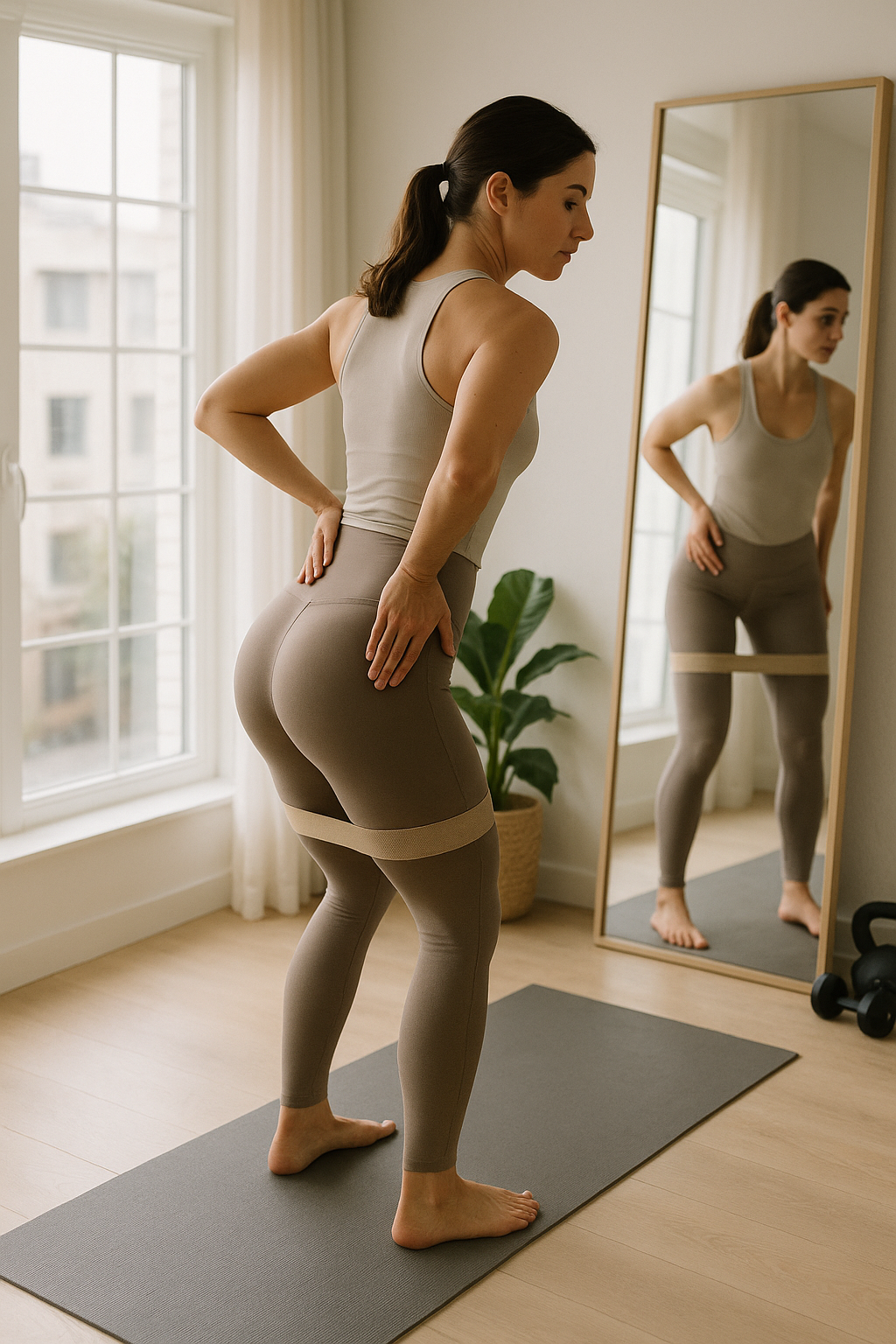
- Banded Abductions and Clamshells: Resistance bands make these small movements surprisingly intense, targeting the often neglected gluteus medius and minimus.
Putting It Together: Sample Glute Workout
- Barbell Hip Thrusts – 3 sets x 8-10 reps
- Bulgarian Split Squats – 3 sets x 8 reps each leg
- Banded Lateral Walks – 2 sets x 15 steps each direction
- Romanian Deadlifts – 3 sets x 10 reps
- Glute Bridges or Bodyweight Clamshells – 2 sets x 20 reps
Prioritize form and a full range of motion. Focus on engaging the glutes, not just going through the motions.
HOW OFTEN AND HOW HARD: TRAINING PRINCIPLES FOR GLUTE GROWTH
Frequency & Volume
Research has debunked the classic “once a week” approach. For most people aiming to strengthen and tone your glutes, training them 2-3 times per week yields the best results (Schoenfeld, Ogborn & Krieger, 2016). This frequency allows for proper muscle growth (hypertrophy) and recovery.
Progressive Overload
- Aim to increase weight, reps, or sets over time.
- Track progress—I've found that even a small increase in resistance band tension can make a big difference.
Quality Over Quantity
If you’re rushing or losing focus, the glutes won’t activate as much as you’d like. Slow down, feel the muscle contracting, and use mirror or video feedback to ensure each rep counts.
NUTRITION FOR STRONG, TONED GLUTES
I often remind people: you can train endlessly, but if your nutrition isn’t dialed in, your results will stall. Building muscle—including glutes—requires:
- Protein: The American College of Sports Medicine recommends 1.2–2.0 grams of protein per kilogram of body weight for muscle growth.
- Carbohydrates: Provide the energy needed to power through those hard workouts.
- Healthy Fats: Support hormone production and recovery.
- Hydration: Muscles (including your glutes) perform best when you’re well hydrated.
Supplements Worth Considering
- Protein Powders: Convenient for meeting protein needs.
- Creatine: Research shows creatine can help increase strength and explosive power (Buford et al., 2007).
- Collagen: May support joint health during periods of heavy training.
Whole foods should always form the bulk of your nutrition plan, but smart supplementation can offer a useful boost, especially for busy lifestyles.
COMMON GLUTE TRAINING MISTAKES (AND EASY FIXES)
- Neglecting Mind-Muscle Connection: Research is clear on this: simply “going through the motions” won’t build your glutes as effectively. Focus and feel the muscle working every rep (Schoenfeld & Contreras, 2016).
- Letting the Back or Hamstrings Take Over: If you’re arching your spine or feeling more in the legs or lower back, reset and lower the weight. Glute-dominant movement should be your focus.
- Forgetting Lateral and Rotational Movements: Only squatting or hip-thrusting misses out on the smaller glute muscles. Incorporate abductions, lateral walks, and rotational exercises.
- Under-Recovering: Training hard without adequate rest slows your progress and can risk overuse injuries. Recovery is where the magic happens.
TRACKING PROGRESS AND STAYING MOTIVATED
Glute transformation doesn’t happen overnight. I’ve found that taking photos, keeping a logbook, and even measuring key lifts (like your hip thrust max) are excellent ways to stay on track. Celebrate small milestones—a new set of dumbbells or an extra band counts as progress!
Remember, genetics play a role in muscle shape and growth rate, but consistent training and smart nutrition move the needle far more than people realize. Don’t get discouraged if your journey looks different than someone else’s.
THE BOTTOM LINE: BUILDING BETTER GLUTES IS WITHIN YOUR REACH
Whether your plan is to strengthen and tone your glutes for performance, aesthetics, or health, a science-backed training and nutrition approach will pay dividends. Strengthening your glutes transforms the way you move, lifts confidence, and supports lifelong wellness. Start with these tips, stay consistent, and you’ll be surprised just how much progress is possible.
References:
- Bishop CJ, et al. “Load Position Influences Muscle Activity Patterns During the Lunge.” Journal of Strength and Conditioning Research, 2017.
- Buford TW, et al. “International Society of Sports Nutrition position stand: creatine supplementation and exercise.” Journal of the International Society of Sports Nutrition, 2007.
- Contreras B, et al. “An electromyographic analysis of hip extension exercises.” Journal of Applied Biomechanics, 2016.
- Distefano LJ, et al. “Gluteal muscle activation during common therapeutic exercises.” Journal of Orthopaedic & Sports Physical Therapy, 2009.
- Myer GD, et al. “The relationship of hamstrings and gluteus maximus activation during dynamic hip extension to anterior cruciate ligament injury risk.” Journal of Orthopaedic & Sports Physical Therapy, 2008.
- Schoenfeld BJ. “Squatting kinematics and kinetics and their application to exercise performance.” Journal of Strength and Conditioning Research, 2010.
- Schoenfeld BJ, Ogborn D, Krieger JW. “Effects of Resistance Training Frequency on Measures of Muscle Hypertrophy.” Sports Medicine, 2016.
- Schoenfeld BJ, Contreras B. “The Muscle Pump: Potential Mechanisms and Applications for Enhancing Hypertrophic Outcomes.” Strength and Conditioning Journal, 2016.
Disclosure: Some links in this article are affiliate links. If you purchase through these links, we may earn a small commission at no extra cost to you. We only recommend products we genuinely believe in.
Want Real Results from Your Workouts?
From targeted muscle activation to recovery science — explore the fitness tools and programs our team has tested and recommends.
Browse Reviewed ProductsAffiliate link — we may earn a commission at no extra cost to you. We only recommend what we genuinely trust.
Health Disclaimer
This article is for informational purposes only and is not a substitute for professional medical advice, diagnosis, or treatment. Always consult your physician or qualified healthcare provider before starting any new supplement, diet, exercise program, or health regimen. Individual results may vary.
Related Articles
Exercise Timing for Fat Loss: New Research on Morning vs. Evening Workouts Over 40
New studies suggest morning workouts offer a slight edge for fat loss and metabolic health in adults over 40, but both morning and evening exercise deliver benefits. Consistency matters most.
Best Pilates Reformers for Home Use: 2024 Top Picks for Every Budget
Reviewing 8 top Pilates reformers for home, we compare comfort, adjustability, durability, and suitability for all fitness levels—plus research and expert advice for 2024.
Best Ankle Weights for Walking: 2024 Reviews for Safe, Effective Workouts
The BodyBalance FlexStride Ankle Weights excel in comfort, adjustability, and effectiveness for adults over 40 seeking to boost walking and low-impact home workouts safely.
Get Evidence-Based Health Tips
Join our newsletter for weekly insights on nutrition, fitness, and wellness — backed by research, not hype.