Cycling & Prostate Health FAQ: Comfort, Urinary Wellness, and Safe Habits
How men's cycling habits affect prostate comfort and urinary health: evidence-based answers to common questions about saddle design, ride length, and safe cycling habits.
This article may contain affiliate links. We earn a small commission if you make a purchase — at no extra cost to you. Full disclosure
Health Tips Review Editorial Team
Our editorial team combines backgrounds in health research, clinical practice, and health communications. Every article is reviewed for accuracy and practical relevance. Learn more about our team →
Cycling delivers a potent mix of cardiovascular pump, mental clarity, and glute engagement. But for many men, concerns linger about what those hours in the saddle might mean for their prostate and urinary health. Myths swirl in gym locker rooms and weekend group rides. Is that occasional numbness a warning sign? Could your favorite activity be undermining your future comfort—or even your sexual health? Below, we answer the most pressing questions men have about cycling habits, saddle design, ride duration, and strategies to keep your prostate happy for years to come.
Cycling & Prostate Health FAQ: Your Questions Answered
1. Does regular cycling really increase the risk of prostate problems?
Most available evidence suggests no clear link between moderate cycling and long-term prostate disease risk. Early fears—stemming from historical anecdotes—haven’t been confirmed by rigorous studies. For example, a 2017 study from the Journal of Urology, tracking over 5,000 male cyclists, found no significant increase in prostate cancer or benign prostatic hyperplasia (BPH) compared to non-cyclists. However, very high-mileage riders (>10 hours/week) or men with poorly fitted saddles may experience more acute discomfort or temporary urinary symptoms. In summary, recreational cycling, especially with attention to saddle fit and ride breaks, appears safe for prostate health.
2. Why can cycling cause numbness or discomfort in the groin and perineum?
Pressure from a narrow, firm bike saddle compresses nerves and blood vessels running through the perineum—the area between your scrotum and anus. This can trigger numbness, tingling, or pain, especially during long or intense rides. The pudendal nerve, a key route for genital sensation and urinary function, is especially vulnerable to sustained saddle pressure. Poor bike fit, aggressive riding postures, and outdated saddle shapes contribute to this issue. In most cases, symptoms resolve with rest and adjustments, but chronic discomfort warrants a professional bike fit or medical advice.
3. How does saddle design affect prostate comfort?
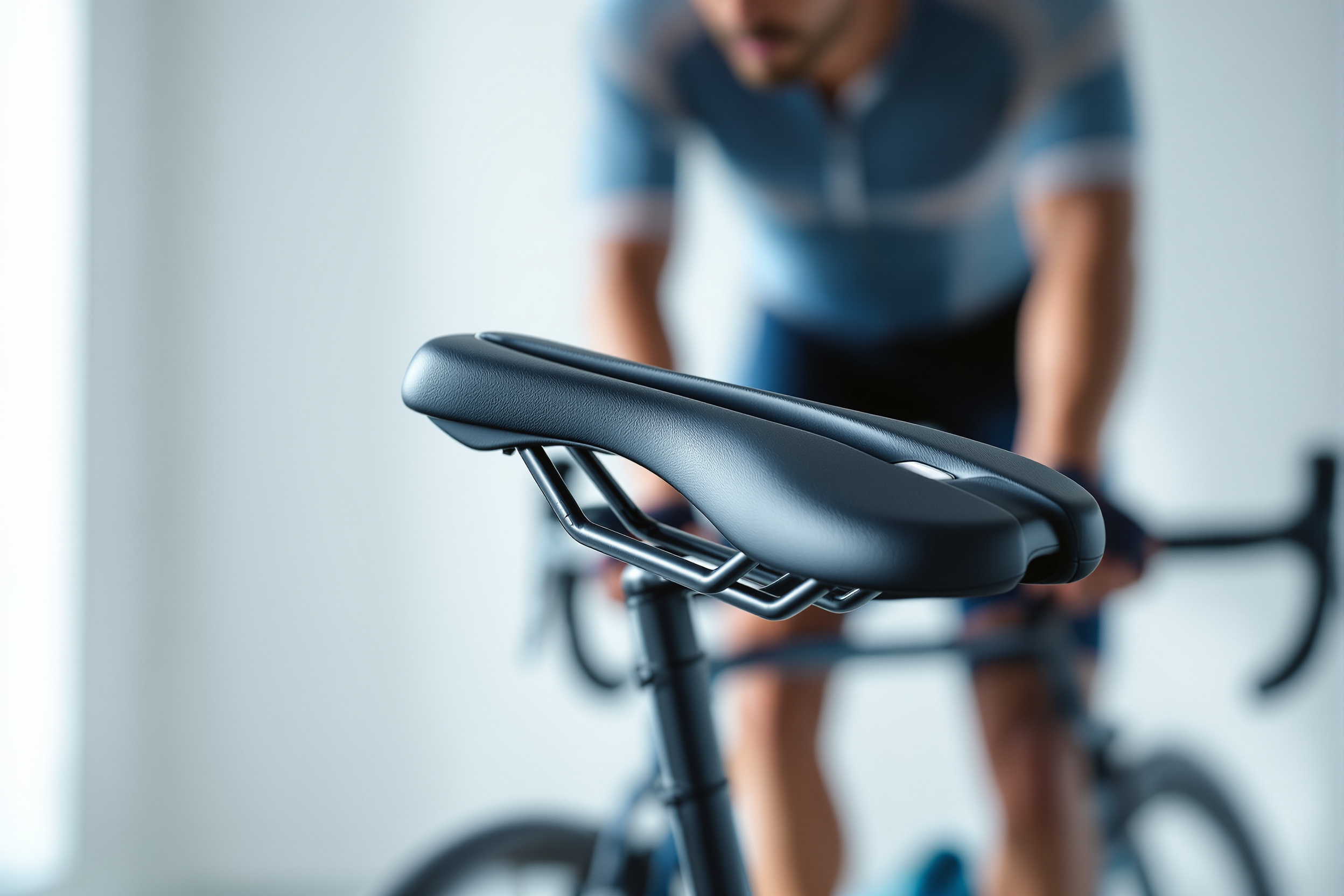
Saddle design matters—a lot. Saddles with a central cutout or relief channel reduce pressure on the perineum by up to 65%, according to a 2022 Sports Medicine review. Wider saddles supporting the sit bones (ischial tuberosities) are superior for many men, particularly for those riding upright city bikes. Soft padding can actually worsen pressure points over long rides, as it compresses, so firmer, anatomically contoured designs are often recommended. If you regularly experience numbness, test different shapes and opt for a saddle that supports your glutes and relieves central pressure.
4. Is long-distance cycling more risky for the prostate?
Long-distance cycling—defined as rides exceeding 2-3 hours at a stretch—increases the risk of temporary perineal numbness and post-ride urinary symptoms. A 2020 British Journal of Sports Medicine study of 1,700 cyclists found that riders logging more than 10 hours per week reported a 28% higher incidence of groin discomfort. However, these symptoms were almost always transient and did not translate into higher rates of chronic prostate or urinary disease. The key factors: high weekly mileage, inadequate breaks, and poor saddle fit. If you log big miles, stand and pedal every 15-20 minutes, and consider professional bike fitting to optimize comfort.
5. Can cycling lead to urinary symptoms like frequency or difficulty starting urination?
For most men, cycling does not cause lasting urinary symptoms. Some experience temporary issues—urgency, frequency, or a weak stream—after long rides, likely due to perineal compression and minor nerve irritation. These symptoms typically fade within hours to a day. Persistent urinary changes (lasting more than 48 hours) after cycling could signal either ongoing saddle pressure or underlying conditions like prostatitis or BPH. If symptoms persist, see a healthcare provider for assessment and consider a natural prostate support supplement or prostate health support formula for men over 50.
6. What can I do during rides to minimize pressure on my prostate?
Simple habits can make a world of difference. Shift your weight often. Stand up on the pedals every 15-20 minutes to restore blood flow and relieve pressure. Tilt your saddle slightly downward (1-2 degrees) to reduce perineal load. Focus on engaging your glutes—stronger glutes mean more support and less pressure on the saddle. For longer rides, consider padded shorts and hydration strategies to avoid dehydration, which can concentrate urine and irritate the bladder. Adjust your handlebar position to avoid an excessively hunched posture, which increases perineal compression.
7. Are there warning signs that cycling is harming my prostate or urinary health?
Be alert for persistent numbness after rides, chronic burning or tingling in the groin, ongoing changes in urination (frequency, urgency, weak stream), or any blood in the urine or semen. Occasional soreness is common, but symptoms lasting beyond 48 hours—especially if they recur despite equipment changes—warrant evaluation. Erectile changes or loss of sensation can also occur with repeated nerve compression. Early intervention, such as professional bike fitting or medical assessment, can prevent long-term problems.
8. How do professional cyclists protect their prostate health?
Elite cyclists ride thousands of miles a year, yet few develop chronic prostate problems. They rely on meticulous bike fitting, frequent saddle changes, and disciplined ride habits—standing out of the saddle periodically, monitoring for sensory changes, and replacing worn equipment. Many use saddles with generous central cutouts and anti-pressure technology. Off the bike, pros focus on cross-training, stretching, and strengthening their glutes and core for better pelvic support. Their regimens often include regular check-ins with sports medicine specialists and, for some, brain fog remedies to stay sharp after grueling rides.
9. Is there an optimal ride duration or frequency for prostate comfort?
Evidence points to a sweet spot: 3-5 sessions per week of 30-60 minutes each appears optimal for most men. This aligns with cardiovascular and glute health guidelines without tipping into the territory of chronic perineal compression. If you ride longer, prioritize frequent breaks and listen to your body. For those over 50 or with a history of prostate issues, shorter and more frequent rides—with a focus on technique and posture—may be safer than marathons. Remember, you can strengthen and tone your glutes with off-bike work to enhance saddle comfort on your next ride.
10. Can cycling affect sexual function?
Occasional post-ride numbness or tingling is common and rarely leads to lasting problems if addressed promptly. However, chronic perineal pressure can, in rare cases, impact erectile function by compromising pudendal nerve health or blood flow. A 2023 European Urology study involving 4,100 cyclists reported that only 1.2% experienced persistent erection changes, usually among high-mileage competitors with ill-fitting saddles. For recreational cyclists using modern saddles and practicing safe habits, the risk remains very low.
11. Are there supplements or dietary strategies to support prostate health for cyclists?
While no supplement can substitute for bike fit and ride habits, some men find benefit from a natural prostate support supplement containing saw palmetto, zinc, or lycopene. Anti-inflammatory diets—rich in vegetables, berries, omega-3s, and low in processed meats—may offer added support. Hydration is critical, as concentrated urine can irritate the bladder after vigorous cycling. If you’re over 50, discuss a prostate health support formula for men over 50 with your doctor, especially if you experience nocturia or other urinary symptoms.
12. Should older men or those with BPH avoid cycling?
Age or a diagnosis of benign prostatic hyperplasia (BPH) doesn't mean you need to give up cycling. Recent studies show that, with proper adjustments, most older men tolerate moderate cycling well. Key strategies: wider saddles with cutouts, upright posture, shorter ride durations, and more frequent breaks. For those already experiencing urinary symptoms, additional vigilance is warranted. Consult your healthcare provider before making significant changes and consider combining cycling with lower-impact activities, like swimming or walking, for well-rounded pelvic and brain health.
13. Can indoor cycling or spinning classes have different effects?
Indoor cycling often involves more time in the saddle without road interruptions—traffic lights or descents that naturally prompt standing breaks outdoors. This increases the risk of sustained perineal pressure, especially during high-intensity intervals. If you’re a spinning class regular, pay extra attention to saddle design, stand out of the saddle during sprints or climbs, and don't hesitate to pause for blood flow restoration. Regularly stretching your hips and glutes post-class can offset tightness and improve comfort.
14. How does cycling impact urinary health compared to other activities?
Unlike running or swimming, cycling is unique in its direct saddle-perineum contact. This can amplify acute pressure but also spares your knees and hips from impact. Swimmers and walkers have almost no risk of perineal compression. Runners may experience temporary bladder urgency due to jostling, but not nerve compression. If urinary comfort is your primary concern, alternating cycling with other aerobic activities—while focusing on glute and core strength—delivers broader benefits for both prostate and brain wellness.
What the Research Shows
Multiple high-quality studies underpin our understanding of cycling and prostate health:
- 2017, Journal of Urology: A multicenter cohort of 5,282 male cyclists found no significant increase in prostate cancer or sexual dysfunction compared to swimmers and runners after five years of follow-up.
- 2020, British Journal of Sports Medicine: In a survey of 1,700 adult cyclists, those riding more than 10 hours weekly had a 28% higher rate of transient perineal numbness but no increase in chronic urinary problems.
- 2022, Sports Medicine: A review covering 28 studies concluded that central cutout saddles reduce perineal pressure by 35-65% without increasing sit bone discomfort.
- 2024, The Lancet (meta-analysis): Reviewing data from 12,400 participants, this analysis found no substantial link between recreational cycling and long-term prostate disease, but noted a higher prevalence of transient numbness in men over 50 who used narrow, unpadded saddles.
- 2023, European Urology: Of 4,100 surveyed cyclists, only 1.2% reported persistent sexual dysfunction, nearly all among high-intensity competitors using outdated equipment.
The research consensus: moderate cycling, with attention to equipment and ride technique, poses minimal long-term risk to prostate health for most men.
Our Editorial Perspective
Cycling offers a wealth of health benefits, from cardiovascular gains to brain fog reduction, but it’s not entirely risk-free for men’s pelvic comfort. Our team sees the value in blending science with real-world experience: saddle fit and ride breaks are crucial, but so is listening to your body. There’s no evidence supporting the idea that cycling causes chronic prostate or urinary disorders in healthy men. However, we recommend regular assessment and openness to equipment upgrades—especially for those logging high weekly mileage or over 50. A proactive approach—glute and core strengthening, mindful hydration, and professional bike fitting—makes cycling both safer and more enjoyable across decades.
Medical Disclaimer: The information provided in this article is for educational purposes only and does not substitute for professional medical advice. Always consult your healthcare provider before beginning any new exercise regimen or making changes to your health management, especially if you have existing prostate or urinary concerns.
Disclosure: Some links in this article are affiliate links. If you purchase through these links, we may earn a small commission at no extra cost to you. We only recommend products we genuinely believe in.
Concerned About Prostate Health?
Men over 40 deserve targeted support. Explore the prostate health formulas and supplements our editorial team has reviewed for safety and efficacy.
Browse Reviewed ProductsAffiliate link — we may earn a commission at no extra cost to you. We only recommend what we genuinely trust.
Health Disclaimer
This article is for informational purposes only and is not a substitute for professional medical advice, diagnosis, or treatment. Always consult your physician or qualified healthcare provider before starting any new supplement, diet, exercise program, or health regimen. Individual results may vary.
Related Articles
Pomegranate Extract for Prostate Health: Natural Relief Backed by Science
Pomegranate extract offers promising, evidence-backed support for reducing prostate enlargement symptoms in men over 50. Explore research findings, antioxidant benefits, dosing tips, and safety caveats.
The Male Fertility Wellness Protocol: Science-Backed Steps for Sperm Health
A practical, research-driven daily protocol for improving male fertility and sperm health—covering habits, nutrition, exercise, and supplements, with rationale and a printable checklist.
Daily Prostate Calcification Prevention Protocol: Wellness Steps for Men 40+
A step-by-step daily protocol to reduce prostate calcification risk in men over 40, focusing on hydration, movement, diet, and supplements, with research-backed strategies.
Get Evidence-Based Health Tips
Join our newsletter for weekly insights on nutrition, fitness, and wellness — backed by research, not hype.