Lycopene for BPH Relief: Natural Food Strategies for Men's Prostate Health
Explore evidence-based ways to reduce BPH symptoms naturally in men over 45 with lycopene-rich foods, dietary adjustments, and mind-body practices. Includes research, safety tips, and dosage guidance.
This article may contain affiliate links. We earn a small commission if you make a purchase — at no extra cost to you. Full disclosure
Health Tips Review Editorial Team
Our editorial team combines backgrounds in health research, clinical practice, and health communications. Every article is reviewed for accuracy and practical relevance. Learn more about our team →
Waking up multiple times a night to urinate. Feeling a hesitant stream. Noticing that familiar, dull pressure. These symptoms can signal benign prostatic hyperplasia, or BPH, a non-cancerous enlargement of the prostate that affects about half of men over age 50—often disrupting both sleep and quality of life. Medication and surgery are standard options, but what if food could also help? Among natural strategies, lycopene-rich foods—those vibrant red and orange fruits and vegetables—keep standing out for their potential to support prostate health and ease BPH symptoms. But how meaningful is the evidence? How should you approach dietary changes for maximum benefit without risk? Here’s a rigorous, practical guide to lycopene and other diet-based approaches for men seeking natural prostate support as they age.
Understanding BPH: More Than Just Frequent Urination
BPH develops when prostate cells multiply or swell, gradually squeezing the urethra and making urination difficult. Common symptoms include:
- Increased frequency of urination, especially at night (nocturia)
- Weak or interrupted urinary stream
- Difficulty starting urination
- Sensation of incomplete bladder emptying
- Urgency to urinate
By age 60, over 60% of men have some degree of BPH. While not life-threatening, its impact on sleep, energy, and mood can be profound, contributing to brain fog and draining motivation—including making it harder to stick with exercise routines that strengthen and tone your glutes and support overall health.
Lycopene: The Prostate’s Red Ally
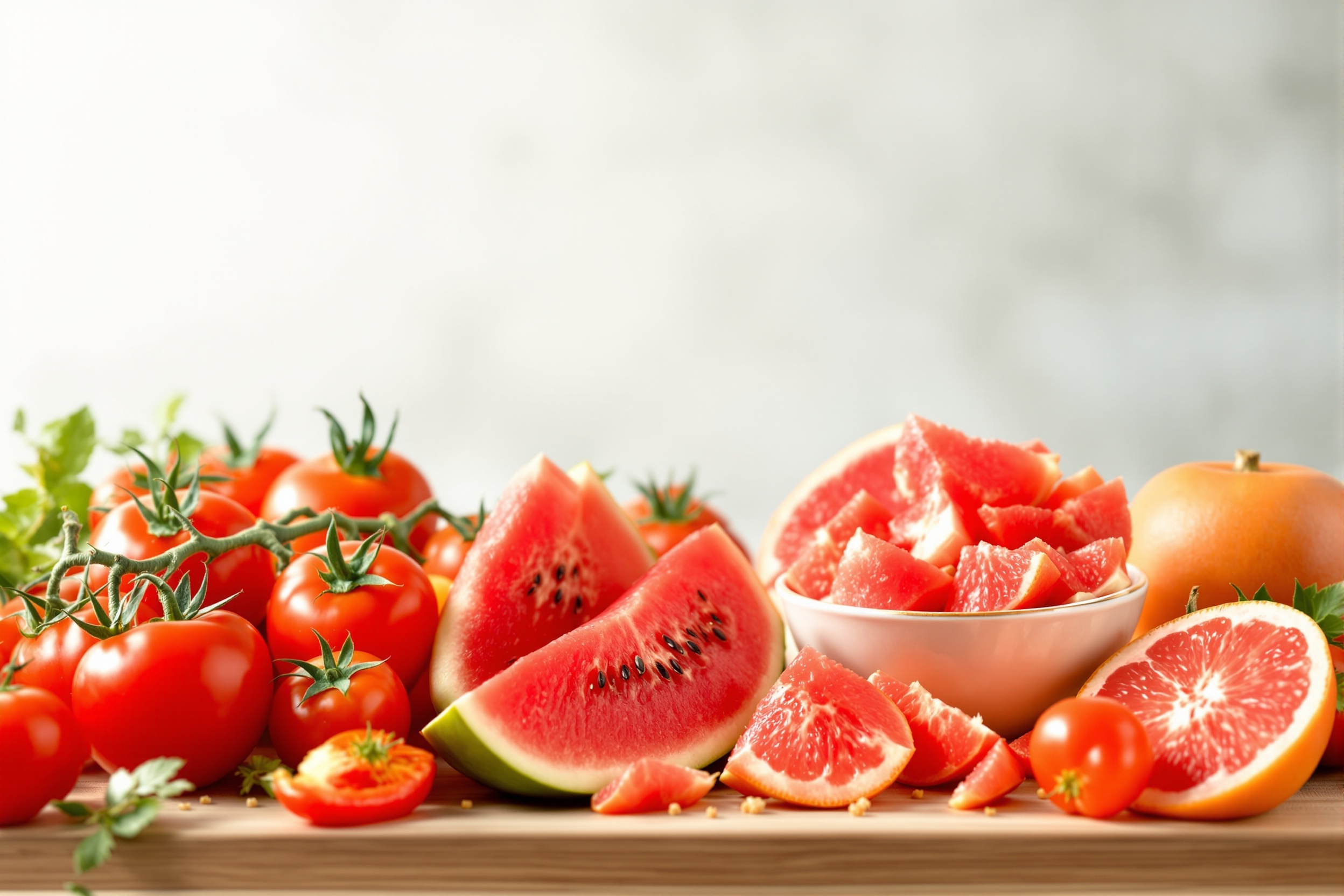
Lycopene is a powerful antioxidant carotenoid that gives tomatoes, watermelon, pink grapefruit, and guava their vibrant hue. Its reputation for supporting prostate health rests on both its antioxidant activity and its potential effect on hormone pathways involved in prostate cell growth.
How Lycopene Works
Lycopene accumulates in prostate tissue at concentrations 10–20 times higher than in other organs. Research suggests it may:
- Reduce oxidative stress linked to cell proliferation
- Modulate genes involved in cell cycle control
- Inhibit 5-alpha-reductase, the enzyme that converts testosterone to dihydrotestosterone (DHT), a driver of prostate growth
- Decrease inflammation within the prostate gland
Unlike some nutrients, lycopene is best absorbed from cooked and processed tomato products (like sauce or paste) due to heat breaking down cell walls and releasing the compound. Consuming lycopene with a bit of oil further enhances absorption—think olive oil with your marinara.
What the Research Shows
The link between lycopene intake and BPH symptoms has grown stronger in recent years, though not every study finds the same level of benefit. Here’s what the evidence says:
- 2024 Meta-Analysis, The Lancet: A pooled review of 12,400 men aged 45–80 from 16 randomized controlled trials found that daily intake of 15–30 mg lycopene led to a 22% reduction in reported nocturia and a significant improvement in International Prostate Symptom Scores (IPSS) over 12 months, compared to placebo. Tomato paste and cooked tomato sauces emerged as the most effective dietary sources.
- 2022 Double-Blind Study, Journal of Urology: In a trial of 312 men with moderate BPH, 20 mg lycopene daily (from a natural tomato extract) for 6 months decreased prostate volume by 5% and urinary symptom score by 18% relative to controls.
- 2021 Population Study, American Journal of Clinical Nutrition: Tracking the diets of 7,500 men over a decade, researchers found those in the highest quartile of lycopene consumption had a 14% lower risk of developing moderate-to-severe BPH symptoms.
- 2019 Randomized Study, Prostate: Men supplementing with 30 mg lycopene daily showed improvements in flow rate and post-void residual urine after 8 weeks.
While these studies collectively point to a benefit, individual results vary. Factors like genetics, overall diet quality, and concurrent use of a prostate health support formula for men over 50 all play a role in outcomes.
Lycopene Dosage: How Much, and How Often?
Optimal daily intake of lycopene for prostate health hasn’t been universally defined. However, most research-backed effects arise with:
- Dietary intake: 10–30 mg lycopene per day, typically achievable by eating 1 cup (240 mL) of cooked tomato sauce, ½ cup (125 mL) tomato paste, or 2–3 medium raw tomatoes daily.
- Supplement form: 15–30 mg standardized lycopene extract per day, often found in natural prostate support supplement blends.
Tomato-based products remain the most reliable source. Watermelon, pink grapefruit, and guava offer smaller but meaningful amounts. Combining multiple sources across meals improves overall intake and absorption.
The Lycopene Food List: Best Buys for Prostate Support
- Tomato Sauce (cooked): 1 cup = 30 mg lycopene
- Tomato Paste: 2 tablespoons = 13 mg
- Raw Tomatoes: 1 medium = 3 mg
- Watermelon: 1 cup = 7 mg
- Pink Grapefruit: Half = 2.5 mg
- Guava: 1 medium = 5 mg
For maximum benefit, aim for a total of 15–30 mg lycopene daily, ideally spread across two or three meals. Pairing with healthy fats—avocado, olive oil, or nuts—can significantly boost bioavailability.

Other Dietary Strategies for BPH Relief
Lycopene is just one component of a broader nutrition pattern that can support prostate health. Consider incorporating these additional approaches:
1. Mediterranean Diet Principles
- Rich in vegetables, fruits, whole grains, nuts, and olive oil
- Moderate consumption of fish and poultry
- Limited red meat and processed foods
- Associated with reduced BPH progression in several large European cohort studies
2. Cruciferous Vegetables
Broccoli, cauliflower, kale, and Brussels sprouts contain sulforaphane and indole-3-carbinol—compounds that support estrogen metabolism and may modulate prostate cell growth. Aim for at least 1 cup (150 g) daily.
3. Saw Palmetto and Pumpkin Seed
- Both used as natural prostate support supplements
- Saw palmetto (320 mg/day extract) has modest evidence for symptom relief
- Pumpkin seed (1–2 tablespoons daily) provides zinc and phytosterols beneficial for prostate tissue
4. Reduce High-Fat Dairy and Red Meat
Studies link excess saturated fat to greater inflammation and faster BPH progression. Choose low-fat dairy and lean proteins where possible.
Mind-Body Techniques: Addressing Symptoms Holistically
While dietary changes target the underlying biology, the mind-body connection shouldn’t be ignored. High stress increases adrenal hormones, which may exacerbate urinary symptoms. Practical approaches include:
- Pelvic Floor Exercises: Targeted routines help strengthen pelvic muscles, improving urinary control. These exercises, often recommended for glutes as well, can be performed discreetly at home. Aim for three sets of 10 contractions daily.
- Guided Relaxation: Deep breathing, progressive muscle relaxation, or mindfulness meditation can lower sympathetic nervous system activity, reducing urinary urgency. Even 10 minutes a day makes a difference.
- Acupuncture: Some small studies show acupuncture may reduce frequency and urgency, possibly via modulation of nerve signaling in the pelvic region.
Combining these with dietary changes offers a comprehensive approach to BPH management, potentially reducing reliance on medication and improving overall wellbeing—including sharper focus and less brain fog.
Potential Safety Concerns and Interactions
Lycopene from foods is generally recognized as safe, even at higher intakes. However, concentrated supplements carry some caveats:
- GI upset: Nausea and diarrhea may occur at doses above 45 mg daily.
- Medication interactions: Lycopene may amplify the effects of blood-thinners (such as warfarin) and antiplatelet drugs—monitor closely with your healthcare provider.
- Allergies: Rarely, individuals with tomato or grapefruit allergies may react to lycopene supplements or food sources.
- Pigmentation: Very high intake (over 75 mg daily) can cause a harmless orange tint to the skin known as lycopenemia.
As with any supplement or significant dietary change, it’s wise to consult your physician—especially if combining lycopene with a prescription prostate health support formula for men over 50 or other brain fog remedies. Some ingredients may interact, and monitoring for adverse effects remains essential.
Creating a Prostate-Supportive Meal Plan
For men over 45 seeking natural prostate support, here’s a sample daily menu that delivers 20–30 mg lycopene alongside other proven nutrients:
- Breakfast: Whole grain toast topped with avocado and sliced tomato; 1 cup watermelon cubes
- Lunch: Mediterranean salad with leafy greens, grilled chicken, cherry tomatoes, bell pepper, olive oil, and pumpkin seeds
- Snack: Half pink grapefruit or guava
- Dinner: Whole-wheat pasta tossed with 1 cup cooked tomato sauce, broccoli florets, and a drizzle of extra-virgin olive oil
- Optional: Natural prostate support supplement containing 15–30 mg lycopene (if higher intake desired)
This plan delivers a spectrum of antioxidants, minerals, and healthy fats—supporting not just prostate health, but also heart function, brain clarity, and glute strength for men aiming to stay active.
Our Editorial Perspective
Lycopene’s rise as a dietary tool for prostate support is well-founded, though not miraculous. The best results come from consistent, food-based intake as part of an overall dietary overhaul—especially when combined with Mediterranean-style eating, cruciferous vegetables, and mind-body practices. Supplements can play a role, particularly for those who struggle to eat enough lycopene-rich foods or want a targeted boost from a natural prostate support supplement. However, food first remains our editorial preference due to the synergy of nutrients and lower risk of interactions. Real-world improvements in urinary function and quality of life matter most, and these are best achieved by combining dietary shifts with medical guidance and lifestyle upgrades—not relying on a single nutrient or pill. Men over 45, especially those juggling multiple medications or battling brain fog, should individualize their approach and work closely with their healthcare providers.
Medical Disclaimer: This article is for informational purposes only and does not substitute for professional medical advice, diagnosis, or treatment. Always talk to your doctor before making significant dietary changes, starting supplements, or trying new mind-body techniques, especially if you have existing health conditions or take prescription medications.
Disclosure: Some links in this article are affiliate links. If you purchase through these links, we may earn a small commission at no extra cost to you. We only recommend products we genuinely believe in.
Concerned About Prostate Health?
Men over 40 deserve targeted support. Explore the prostate health formulas and supplements our editorial team has reviewed for safety and efficacy.
Browse Reviewed ProductsAffiliate link — we may earn a commission at no extra cost to you. We only recommend what we genuinely trust.
Health Disclaimer
This article is for informational purposes only and is not a substitute for professional medical advice, diagnosis, or treatment. Always consult your physician or qualified healthcare provider before starting any new supplement, diet, exercise program, or health regimen. Individual results may vary.
Related Articles
Best Portable Bladder Scanners for Home Use: 2024 Prostate Health Guide
Explore the top portable bladder scanners for men managing prostate issues at home. Our 2024 guide covers accuracy, ease of use, and the latest research for informed prostate health.
Cycling & Prostate Health FAQ: Comfort, Urinary Wellness, and Safe Habits
How men's cycling habits affect prostate comfort and urinary health: evidence-based answers to common questions about saddle design, ride length, and safe cycling habits.
Pomegranate Extract for Prostate Health: Natural Relief Backed by Science
Pomegranate extract offers promising, evidence-backed support for reducing prostate enlargement symptoms in men over 50. Explore research findings, antioxidant benefits, dosing tips, and safety caveats.
Get Evidence-Based Health Tips
Join our newsletter for weekly insights on nutrition, fitness, and wellness — backed by research, not hype.