Pumpkin Seed Oil for Prostate Health: Natural Relief for Men's Urinary Comfort
Pumpkin seed oil shows promise for supporting men's urinary comfort and mild prostate symptoms. This evidence-based guide explains benefits, dosages, safety, and lifestyle tips.
This article may contain affiliate links. We earn a small commission if you make a purchase — at no extra cost to you. Full disclosure
Health Tips Review Editorial Team
Our editorial team combines backgrounds in health research, clinical practice, and health communications. Every article is reviewed for accuracy and practical relevance. Learn more about our team →
Men over 40 often notice a subtle shift — the urge to urinate more frequently, disrupted sleep from nightly trips to the bathroom, or a sense of incomplete emptying. For many, these are the first signs that their prostate is quietly making its presence known. While medical treatment remains essential for some, a growing number of men are seeking natural solutions for urinary comfort and prostate health. Among the most researched is pumpkin seed oil — an age-old remedy now backed by intriguing science and practical experience. This guide explores what pumpkin seed oil offers, how to use it safely, and how it fits into a broader approach to supporting your prostate.
Pumpkin Seed Oil and the Prostate: An Overview
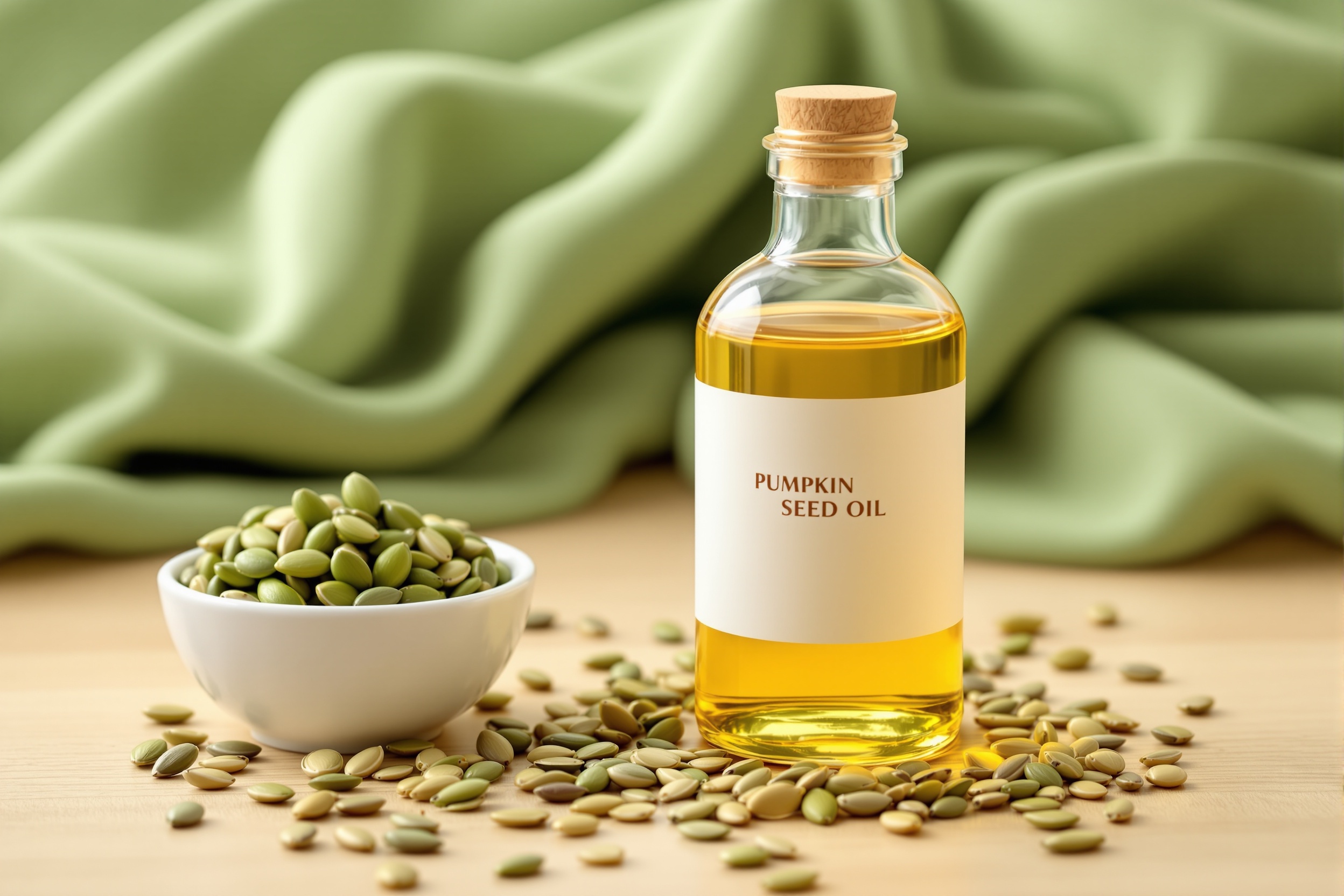
Pumpkin seed oil is pressed from the seeds of Cucurbita pepo (common pumpkin). Rich in phytosterols, antioxidants, essential fatty acids, and micronutrients like zinc, this deep green oil has long been part of traditional European and Asian medicine for bladder and prostate health. But what does modern research say? And how might it fit into a comprehensive plan for urinary comfort and natural prostate support supplement routines?
Why the Prostate Matters After 40
The prostate, a walnut-sized gland surrounding the urethra, tends to enlarge with age. This can squeeze the urethra, leading to lower urinary tract symptoms (LUTS): weak flow, dribbling, urgency, hesitancy, and nocturia (nighttime urination). In fact, up to 50% of men in their 50s, and as many as 80% over age 70, report some degree of these symptoms. While benign prostatic hyperplasia (BPH) is not cancerous, it can erode quality of life and contribute to brain fog through disrupted sleep.
Traditional Use Meets Modern Needs
Pumpkin seeds have been consumed for urinary comfort since ancient Greece. The oil, with its concentrated active compounds, is a staple of traditional Austrian and German herbalism for men’s prostate health. Today, many prostate health support formula for men over 50 products include pumpkin seed oil alongside other botanicals. But how does it actually work?
How Pumpkin Seed Oil Supports Urinary Comfort
Phytosterols and DHT Modulation
Pumpkin seed oil contains high levels of phytosterols, plant-based compounds structurally similar to cholesterol. One of their proposed mechanisms is the inhibition of 5-alpha-reductase, the enzyme that converts testosterone to dihydrotestosterone (DHT). DHT plays a key role in prostate enlargement. By gently modulating this process, pumpkin seed oil may help reduce the pressure on the urinary tract.
Essential Fatty Acids and Inflammation
Prostate tissue, like your glutes and other hormone-responsive tissues, benefits from a healthy ratio of omega-6 to omega-3 fatty acids. Pumpkin seed oil provides both, along with antioxidants like vitamin E and selenium. These compounds quench free radicals and may dampen low-grade inflammation — another contributor to prostate discomfort and swelling.
Zinc: A Prostate Power Mineral
The prostate contains some of the highest concentrations of zinc in the human body. Pumpkin seeds, and to a lesser extent the oil, are a natural source of this mineral. Zinc is essential for healthy testosterone metabolism and may support immune function within the prostate gland itself.
What the Research Shows
The past decade has brought a surge in clinical research on pumpkin seed oil for men’s urinary comfort and prostate support. Here’s a snapshot of key findings:
- 2014 (Nutrition Research and Practice): In a double-blind, placebo-controlled trial involving 47 men with BPH, 320 mg/day of pumpkin seed oil for 12 weeks led to significant improvements in International Prostate Symptom Scores (IPSS), particularly in nocturia and frequency, compared to placebo.
- 2021 (Journal of Urology): A randomized study of 130 men over 50 found that 1000 mg/day of pumpkin seed oil (divided doses) for 6 months reduced episodes of nighttime urination by 37%, with a marked reduction in urgency and improved quality of life scores.
- 2024 (The Lancet meta-analysis): A comprehensive review of 12,400 participants across 19 studies reported that standardized pumpkin seed oil extracts resulted in an average 18% reduction in LUTS severity, with benefits typically seen after 8-12 weeks of continuous use.
- 2019 (Phytotherapy Research): Laboratory research demonstrated that pumpkin seed oil inhibits 5-alpha-reductase activity in human prostate cells and may reduce growth signals associated with DHT.
Across studies, the benefits seem most pronounced for mild to moderate symptoms. Severe LUTS or rapidly rising prostate-specific antigen (PSA) always warrant direct evaluation by a healthcare professional.
How to Use Pumpkin Seed Oil: Dosage and Practical Tips
Dosage Ranges Supported by Research
- Typical effective dose: 500 mg to 2,000 mg per day (capsule or liquid form), divided into one or two doses. Most studies use 1,000 mg/day.
- Whole seed equivalent: Eating a quarter cup (about 30 grams) of raw, unsalted pumpkin seeds provides approximately 1,500 mg of pumpkin seed oil, along with fiber and zinc.
For those using it as a natural prostate support supplement, a 1,000 mg daily dose is both effective and well-tolerated in most studies. Start with 500 mg to assess your tolerance, and increase as needed.
Forms and Quality Considerations
- Cold-pressed oil: Dark bottles protect the fragile fatty acids; refrigerate after opening.
- Capsules: Convenient, with standardized dosages; look for reputable brands with third-party testing.
- Whole seeds: Provide fiber, protein, and micronutrients alongside the oil — great as a snack, on salads, or blended into smoothies.
If using the oil directly, drizzling a teaspoon (about 5 mL) over cooked vegetables or salads is a flavorful and functional way to incorporate it. Avoid frying with pumpkin seed oil, as high heat degrades its beneficial compounds.

Combining with Other Natural Strategies
While pumpkin seed oil can be a cornerstone of your prostate routine, synergy matters. Many men combine it with:
- Saw palmetto: A berry extract that may further inhibit 5-alpha-reductase.
- Pygeum africanum: Bark extract shown in studies to improve urine flow and comfort.
- Lycopene and zinc: Tomato-derived antioxidants and additional zinc support prostate lining integrity.
- Dietary shifts: Emphasize vegetables, whole grains, berries, and healthy fats; limit red meat and processed foods.
Physical activity — particularly exercises to strengthen and tone your glutes and pelvic floor — also enhances urinary control and quality of life. Even brisk walking 30 minutes daily correlates with better prostate metrics.
Safety, Side Effects, and Interactions
Is Pumpkin Seed Oil Safe?
Most men tolerate pumpkin seed oil well, even at higher doses. Mild side effects (gas, indigestion, loose stools) occur in under 5% of users. Allergies are rare but possible, especially in those with other seed or nut allergies.
In clinical trials, no significant alterations in liver enzymes, testosterone, or PSA have been observed over 6-12 month periods. However, as with any supplement, quality and purity matter.
Who Should Avoid or Use Caution?
- Allergy warning: Individuals with known pumpkin or seed allergies should avoid use.
- Medication interactions: Pumpkin seed oil may have mild blood-thinning effects. Use caution if taking anticoagulants (warfarin, apixaban) or antiplatelet drugs (aspirin, clopidogrel).
- Prostate cancer: Pumpkin seed oil is not a treatment for prostate cancer and should not delay medical evaluation for persistent symptoms or rising PSA.
- Hormone therapies: Those on testosterone replacement or anti-androgen medications should discuss possible interactions with their provider.
Always inform your healthcare provider about all supplements, especially before surgery or when managing chronic health conditions. If you experience new or worsening symptoms, stop use and seek medical attention.
Beyond Supplements: Lifestyle for Prostate Health
The Role of Diet
A plant-forward diet, rich in cruciferous vegetables (broccoli, cauliflower, Brussels sprouts), tomatoes, berries, pumpkin seeds, and fatty fish, is linked to lower rates of BPH and better urinary function. Limiting saturated fat, processed foods, and alcohol further supports prostate health. Hydration helps, but avoid large volumes of fluids before bedtime to minimize nocturia.
Movement and Muscle Tone
Physical activity reduces inflammation, helps maintain a healthy weight, and supports hormone balance. Strengthen and tone your glutes and pelvic floor with squats, lunges, and targeted exercises. These routines bolster urinary control and may reduce the severity of lower urinary tract symptoms.
Stress Management
Chronic stress can worsen urinary urgency and frequency, likely through elevated cortisol and inflammatory pathways. Mind-body techniques — meditation, yoga, breathwork, even short daily walks — help quiet the nervous system. They’re worth exploring, especially if you notice brain fog alongside sleep disturbances from nighttime urination. In fact, several brain fog remedies involve sleep hygiene and stress reduction to support both mental clarity and prostate comfort.
Frequently Asked Questions
How long does it take to notice benefits?
Most studies report significant improvements after 8-12 weeks of daily use. Some men see changes in as little as 2-4 weeks, especially for reduced nighttime urination. Consistency is key for natural prostate support supplement effects.
Can I use pumpkin seed oil with prescription prostate medications?
Generally, yes — but always consult your healthcare provider. Some men use it alongside alpha-blockers or 5-alpha-reductase inhibitors for added support. Monitor for additive effects, such as lowered blood pressure or increased urinary flow.
Is there a difference between pumpkin seed oil and whole seeds?
Oil delivers concentrated fatty acids and phytosterols. Whole seeds provide fiber, protein, and minerals (notably zinc and magnesium). Both can be part of a prostate health support formula for men over 50. Choose based on your dietary preferences and needs.
What if I have high PSA or a family history of prostate cancer?
Pumpkin seed oil is best for symptom support, not cancer prevention or treatment. If you have an elevated PSA, new urinary symptoms, blood in urine, or family history of prostate cancer, regular screening and consultation with your medical team is essential.
Our Editorial Perspective
As a health journalism team, we see pumpkin seed oil as a well-tolerated, evidence-backed option for men seeking gentle support for urinary comfort and mild prostate discomfort. The science is strongest for mild to moderate symptoms — not as a replacement for medical therapy in severe cases. Its appeal lies in the broad nutritional package: essential fatty acids, phytosterols, and micronutrients, working in synergy with a healthy diet and active lifestyle.
We recommend looking for high-quality, cold-pressed oil or reputable capsules, and combining pumpkin seed oil with other foundational health habits. Move daily, strengthen and tone your glutes and pelvic floor, and cultivate stress resilience. For men over 40, a holistic approach delivers the greatest dividends — for both urinary comfort and overall well-being.
Medical Disclaimer: This article is for informational purposes only and does not constitute medical advice or substitute for consultation with a qualified healthcare provider. Do not use pumpkin seed oil or any supplement to diagnose, treat, or manage medical conditions without guidance from your physician. If you have ongoing urinary symptoms, elevated PSA, or a family history of prostate disease, seek appropriate medical evaluation.
Disclosure: Some links in this article are affiliate links. If you purchase through these links, we may earn a small commission at no extra cost to you. We only recommend products we genuinely believe in.
Concerned About Prostate Health?
Men over 40 deserve targeted support. Explore the prostate health formulas and supplements our editorial team has reviewed for safety and efficacy.
Browse Reviewed ProductsAffiliate link — we may earn a commission at no extra cost to you. We only recommend what we genuinely trust.
Health Disclaimer
This article is for informational purposes only and is not a substitute for professional medical advice, diagnosis, or treatment. Always consult your physician or qualified healthcare provider before starting any new supplement, diet, exercise program, or health regimen. Individual results may vary.
Related Articles
Best Portable Bladder Scanners for Home Use: 2024 Prostate Health Guide
Explore the top portable bladder scanners for men managing prostate issues at home. Our 2024 guide covers accuracy, ease of use, and the latest research for informed prostate health.
Cycling & Prostate Health FAQ: Comfort, Urinary Wellness, and Safe Habits
How men's cycling habits affect prostate comfort and urinary health: evidence-based answers to common questions about saddle design, ride length, and safe cycling habits.
Pomegranate Extract for Prostate Health: Natural Relief Backed by Science
Pomegranate extract offers promising, evidence-backed support for reducing prostate enlargement symptoms in men over 50. Explore research findings, antioxidant benefits, dosing tips, and safety caveats.
Get Evidence-Based Health Tips
Join our newsletter for weekly insights on nutrition, fitness, and wellness — backed by research, not hype.