Midnight Bathroom Trips: Why Men Over 50 Wake Up to Pee and How to Take Back the Night
Waking up at night to pee disrupts sleep for many men over 50, but it isn’t just a nuisance—it's often a signal from your body. Discover the underlying causes, practical solutions, and how to support your prostate health for better rest and energy.
This article may contain affiliate links. We earn a small commission if you make a purchase — at no extra cost to you. Full disclosure
Health Tips Review Editorial Team
Our editorial team combines backgrounds in health research, clinical practice, and health communications. Every article is reviewed for accuracy and practical relevance. Learn more about our team →
Why So Many Men Over 50 Wake Up to Pee
I’ve noticed a steady trend among clients and readers over the years: as men get older, nighttime trips to the bathroom become nearly universal. From chatting with urologists and poring over studies, it’s clear this isn’t just aging—it’s biology, lifestyle, and sometimes, a sign of something deeper. Let’s break down what’s driving this nighttime inconvenience.
The Aging Prostate’s Role
The most common culprit? The prostate. This small gland, which sits just below the bladder, tends to grow as men age—a benign process known as benign prostatic hyperplasia (BPH). According to a landmark report in the New England Journal of Medicine, up to 50% of men develop BPH by age 60. As the prostate enlarges, it squeezes the urethra, leading to incomplete bladder emptying and more frequent urges, especially at night.
Hormonal Changes
Hormone shifts play a subtle but significant role. Testosterone and other hormones decline with age, which can disrupt bladder function and affect the signals between the prostate, bladder, and brain. This means your body may "think" you need to urinate even if your bladder isn’t full.
Bladder Function and Sleep Cycles
Even outside of prostate changes, the bladder itself becomes more sensitive with time. The detrusor muscle that helps you urinate can become overactive. Meanwhile, deep sleep tends to dwindle after 50, so you wake up more easily to slight urges. A 2021 study from the Journal of Clinical Sleep Medicine confirmed that sleep fragmentation only magnifies nighttime urination.
Lifestyle and Medications
Alcohol, caffeine, and late-night fluids can aggravate nocturia (the official term for waking up to pee). Many common medications—think blood pressure pills or antidepressants—can have a diuretic effect or alter bladder signaling. Sometimes it’s as simple as an innocent glass of water before bed tipping the balance.

How Nocturia Impacts Well-Being
It’s tempting to brush off those nightly bathroom visits as nothing more than an annoyance. But I’ve found that chronic sleep disruption chips away at your health on multiple fronts.
The Sleep Deprivation Domino Effect
Losing precious deep sleep can lead to persistent brain fog, memory slips, and daytime exhaustion. In fact, research in the Journal of Urology found that men who woke more than twice per night to urinate reported higher rates of fatigue, mood changes, and difficulty concentrating. Poor sleep can reduce your ability to exercise (even basic routines like those to strengthen and tone your glutes), further lowering your overall health and energy.
Risk for Falls and Accidents
Getting up groggy in the dark increases the risk for nighttime falls—something that only grows riskier as we age. For men over 50, falls can mean lengthy recovery and loss of independence. Addressing nocturia is about more than convenience—it’s about staying mobile and safe.
Prostate Health and Nocturia: What Science Says
The connection between prostate health and nighttime urination is well-established. But there’s good news: supporting your prostate can make a tangible difference. Let’s look closer.
Evidence for Prostate Support
A comprehensive review in 2023 found that using a natural prostate support supplement helped reduce both daytime and nighttime urinary symptoms in men with mild to moderate BPH. These formulas often blend plant-based ingredients like saw palmetto, pygeum, and beta-sitosterol, which have demonstrated an ability to support healthy prostate size and function.
Why Choose Prostate Health Support Formulas for Men Over 50?
Formulas designed specifically for men over 50 often contain a spectrum of nutrients that target the most common root causes—prostate size, inflammation, and hormone balance. When combined with healthy lifestyle practices, I’ve found these can offer meaningful relief for many men. Always consult with your doctor before starting any supplement, especially if you take medications.
Practical Steps to Reduce Nighttime Bathroom Trips
If waking up to pee is draining your energy, start with some tried-and-true changes. I always encourage readers to adjust habits gradually, tracking what works best for their own body.
1. Fine-Tune Fluid Intake
- Limit evening drinks: Try to stop all fluids 2-3 hours before bed, but don’t dehydrate yourself.
- Avoid caffeine and alcohol before bedtime: Both increase urine production and can irritate the bladder.
2. Support Bladder and Prostate Health
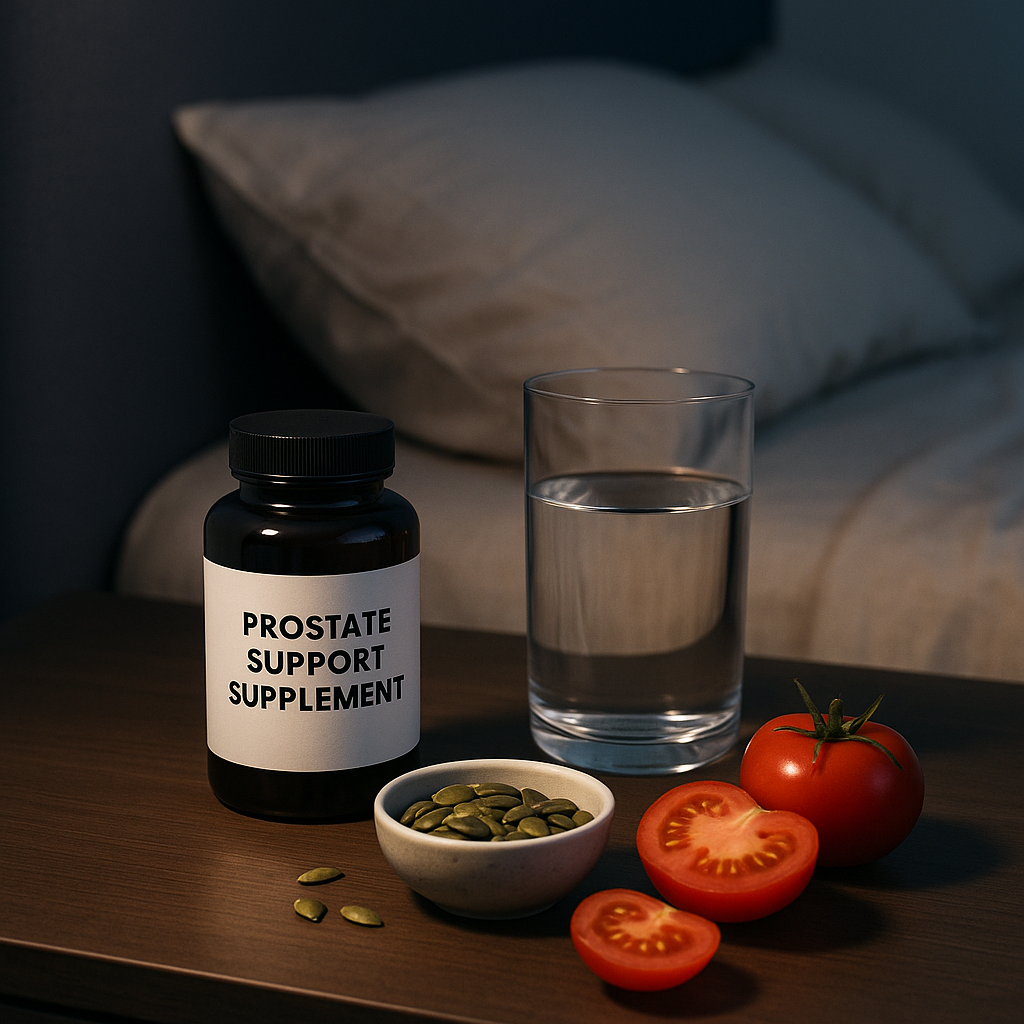
- Consider a natural prostate support supplement, especially if you notice other symptoms like weak flow or urgency.
- Incorporate foods rich in zinc, lycopene, and antioxidants—tomatoes, pumpkin seeds, and green tea are favorites of mine.
- Stay active. Regular movement, including exercises to strengthen and tone your glutes, supports both bladder and overall pelvic health.
3. Sleep Hygiene Strategies
- Dim the lights an hour before bed: This helps trigger melatonin production for deeper sleep.
- Establish a wind-down routine: Meditation, reading, or simple breathing exercises can improve sleep quality.
- Address brain fog: Chronic nighttime waking can contribute to brain fog, so supporting healthy sleep patterns can help clear your mind and boost next-day focus. There are a variety of brain fog remedies worth considering, from mindfulness practices to targeted supplements—always discuss these with your healthcare provider.
4. Review Medications with Your Doctor
Many medications have side effects that impact urination. Before adjusting any of your prescriptions, have an honest conversation with your doctor about your nighttime symptoms—they can often suggest alternatives or dose adjustments. With persistent symptoms, a urologist may recommend medical treatment for BPH or investigate other causes.
When to Seek Medical Advice
Nocturia is widespread, but certain signs mean it’s time to check in with your healthcare provider. Sudden increases in urination, pain, blood in urine, or new symptoms like fever warrant prompt attention. Conditions like sleep apnea, diabetes, or urinary tract infections can all trigger frequent urination at night.
If you’re finding that nighttime trips are hurting your energy, your brain power, or your quality of life, don’t just chalk it up to "getting older." Addressing prostate health and overall wellness can make those midnight wake-ups a thing of the past—or at least far more manageable.
Final Thoughts: Restoring Peaceful Nights
Waking to pee at night can feel like a rite of passage for men over 50—but it doesn’t have to be inevitable. Supporting your prostate, caring for your brain and body, and taking a hard look at your evening routines can reduce those inconvenient wake-ups. With the right approach, better sleep and sharper days are absolutely within reach. And speaking from experience, the difference a restful night makes is worth every effort.
Disclosure: Some links in this article are affiliate links. If you purchase through these links, we may earn a small commission at no extra cost to you. We only recommend products we genuinely believe in.
Concerned About Prostate Health?
Men over 40 deserve targeted support. Explore the prostate health formulas and supplements our editorial team has reviewed for safety and efficacy.
Browse Reviewed ProductsAffiliate link — we may earn a commission at no extra cost to you. We only recommend what we genuinely trust.
Health Disclaimer
This article is for informational purposes only and is not a substitute for professional medical advice, diagnosis, or treatment. Always consult your physician or qualified healthcare provider before starting any new supplement, diet, exercise program, or health regimen. Individual results may vary.
Related Articles
Best Portable Bladder Scanners for Home Use: 2024 Prostate Health Guide
Explore the top portable bladder scanners for men managing prostate issues at home. Our 2024 guide covers accuracy, ease of use, and the latest research for informed prostate health.
Cycling & Prostate Health FAQ: Comfort, Urinary Wellness, and Safe Habits
How men's cycling habits affect prostate comfort and urinary health: evidence-based answers to common questions about saddle design, ride length, and safe cycling habits.
Pomegranate Extract for Prostate Health: Natural Relief Backed by Science
Pomegranate extract offers promising, evidence-backed support for reducing prostate enlargement symptoms in men over 50. Explore research findings, antioxidant benefits, dosing tips, and safety caveats.
Get Evidence-Based Health Tips
Join our newsletter for weekly insights on nutrition, fitness, and wellness — backed by research, not hype.