Adaptogens for Emotional Burnout: Natural Remedies for Mental Renewal
Explore evidence-based adaptogens for emotional burnout, including dosing, benefits, and safety. Learn how herbs, mushrooms, diet, and mind-body strategies can support mental clarity and resilience.
Health Tips Review Editorial Team
Our editorial team combines backgrounds in health research, clinical practice, and health communications. Every article is reviewed for accuracy and practical relevance. Learn more about our team →
Emotional burnout can feel like a fog rolling over your life—zapping your motivation, flattening your mood, and leaving your brain sluggish. For many, this state of deep exhaustion follows weeks or months of chronic stress. While modern medicine offers valuable interventions, a growing body of research points towards natural adaptogens as promising allies for restoring mental resilience. These time-honored herbs and compounds may help recalibrate the body's stress response, promote calm, and support sharper thinking.
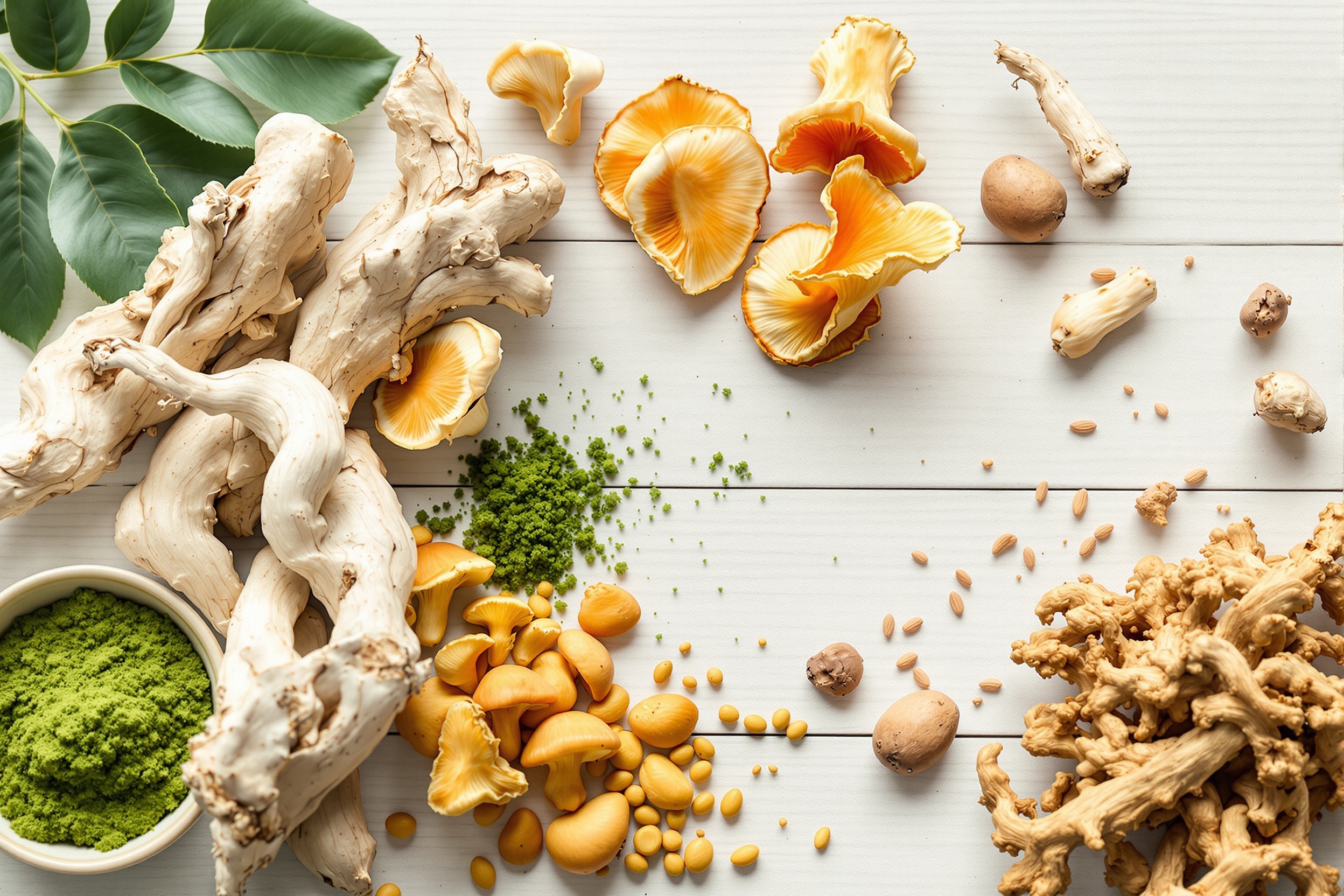
Understanding Emotional Burnout and the Role of Adaptogens
Emotional burnout isn't merely 'feeling tired.' It's a recognized syndrome, characterized by persistent emotional depletion, feelings of detachment, and a blunted sense of accomplishment. Mental exhaustion can spill into physical symptoms—insomnia, headaches, and muscle tension, including in the glutes and lower back. Many also report brain fog: muddled thinking, forgetfulness, and difficulty concentrating.
Adaptogens are natural substances—primarily herbs and mushrooms—believed to help the body adapt to physical and emotional stress. Their claim to fame? Modulating the body's stress response systems, especially the hypothalamic-pituitary-adrenal (HPA) axis and cortisol production. Unlike pharmaceutical stimulants or sedatives, adaptogens support a return to homeostasis without causing drowsiness or overstimulation.
Top Adaptogens for Emotional Burnout
Below, we review some of the most-studied adaptogens for managing emotional burnout. For each, you'll find background, mechanisms, dosage ranges from reputable studies, and key safety considerations.
Ashwagandha (Withania somnifera)
Ashwagandha, sometimes called "Indian ginseng," has centuries of use in Ayurvedic medicine to combat stress and anxiety. Its roots contain withanolides, active compounds shown to dampen cortisol surges and regulate neurotransmitters like GABA and serotonin.
- Dosage: Clinical studies typically use 300–600 mg per day of standardized extract (1.5-5% withanolides), taken for 8-12 weeks.
- Possible benefits: Improved stress tolerance, reduced anxiety, better sleep, less brain fog.
- Safety and interactions: Generally well-tolerated, but may cause digestive upset in some. Avoid with sedative medications or thyroid disorders without medical oversight.
Rhodiola rosea
Sometimes called Arctic root, Rhodiola is a stalwart in traditional Russian and Scandinavian medicine. Its compounds, such as rosavin and salidroside, appear to optimize dopamine and serotonin activity, supporting mood and cognitive function under stress.
- Dosage: 200–400 mg per day of standardized extract (3% rosavins, 1% salidroside) is common in research, often taken for 4–12 weeks.
- Possible benefits: Enhanced mental clarity, less fatigue, better resilience to stress-induced brain fog.
- Safety and interactions: Can cause agitation or insomnia in sensitive individuals. Avoid with bipolar disorder, and use caution with stimulants or antidepressants.
Holy Basil (Ocimum sanctum, Tulsi)
This aromatic herb is revered in both culinary and medicinal traditions of India. Tulsi’s diverse array of phytochemicals may reduce stress-induced cortisol spikes and protect brain cells from oxidative damage.
- Dosage: 300–600 mg of leaf extract daily, or 2–3 grams of dried leaf as tea, used for up to 12 weeks in research settings.
- Possible benefits: Lowered perceived stress, improved sleep, reduced anxiety, subtle support for attention and memory.
- Safety and interactions: May thin blood slightly; caution with anticoagulant medications. Can lower blood sugar, requiring monitoring in diabetics.
Eleuthero (Siberian Ginseng, Eleutherococcus senticosus)
Not a true ginseng, Eleuthero’s active eleutherosides bolster stamina and may buffer against stress-induced depletion of neurotransmitters. Soviet-era scientists championed it for supporting workers under physical and psychological strain.
- Dosage: 300–800 mg of root extract per day, standardized to 0.8% eleutherosides, is typical in clinical trials.
- Possible benefits: Increased resistance to stress, less fatigue, improved cognitive performance under pressure.
- Safety and interactions: Avoid in hypertension without medical advice. Can interact with sedative or stimulant drugs.
Schisandra chinensis
Schisandra berries, known as “five-flavor fruit,” have a long legacy in traditional Chinese medicine as a restorative tonic. Key lignans in the berries may regulate cortisol and help shield neurons from oxidative stress.
- Dosage: 500–1,000 mg of standardized extract (1–2% schisandrins), or 1–3 grams dried berries as tea, taken for 4–8 weeks.
- Possible benefits: Sharper focus, less fatigue, enhanced mood, potential as a brain fog remedy.
- Safety and interactions: May affect liver enzymes. Consult with a healthcare provider if you take medications metabolized by the liver.
Cordyceps and Lion’s Mane Mushrooms
Mushroom adaptogens are having a renaissance. Cordyceps militaris and Hericium erinaceus (Lion’s Mane) stand out for their potential to support mental energy and clarity.
- Dosage: Cordyceps: 1,000–2,000 mg daily (standardized to 7% cordycepin polysaccharides). Lion’s Mane: 500–1,000 mg extract per day, or 2–3 grams dried mushroom powder.
- Possible benefits: Enhanced focus, less brain fog, improved mood.
- Safety and interactions: Rare allergic reactions reported. Lion’s Mane may increase nerve growth factor—monitor with neuroactive medications.
Dietary and Mind-Body Strategies to Complement Adaptogens
Adaptogens deliver best results when paired with lifestyle interventions that nourish mind and body. Here’s how you can deepen your recovery from emotional burnout:

Anti-Inflammatory Diet
- Emphasize vegetables, berries, fatty fish, legumes, and healthy fats like olive oil and avocado.
- Avoid ultra-processed foods, excess sugar, and alcohol—all can worsen stress, inflammation, and brain fog.
- Stay hydrated. Even mild dehydration impairs mood and cognitive performance.
- Consider magnesium-rich foods (spinach, pumpkin seeds, dark chocolate) for added brain support.
Movement and Exercise
- Regular physical activity reduces stress hormones and boosts serotonin and endorphins. Aim for at least 150 minutes of moderate exercise per week.
- Don’t neglect strength training—especially moves that strengthen and tone your glutes and core. Strong pelvic muscles support posture and counteract physical effects of stress.
Restorative Sleep
- Protect sleep with a consistent bedtime, cool dark room, and screen curfew at least 30 minutes before bed.
- Avoid caffeine after 2 p.m. Adaptogens like Ashwagandha and Holy Basil can support sleep, but skip energizing herbs like Rhodiola in the evening.
- If insomnia persists, discuss melatonin or magnesium supplements with your provider.
Mind-Body Practices
- Mindfulness meditation, yoga, and breathwork activate the parasympathetic nervous system, lowering stress and improving emotional regulation.
- Try 5–10 minutes of meditation or guided breathing daily. Even brief sessions can reduce anxiety and sharpen focus.
- Consider journaling. Writing out worries, gratitude, or goals can help clear mental clutter and support renewal.
What the Research Shows
Scientific interest in adaptogens has surged. A 2023 meta-analysis in Frontiers in Psychiatry assessed 18 randomized controlled trials (RCTs) involving Ashwagandha for stress and burnout, finding a mean reduction in perceived stress by 27% compared to placebo over 8 weeks (n=1,528).
Rhodiola rosea has been investigated for "fatigue syndrome." A 2022 double-blind RCT in the Journal of Affective Disorders included 412 adults with mild burnout. Participants receiving 400 mg Rhodiola daily reported 35% greater improvement in mental clarity and energy scores versus placebo after 6 weeks.
Holy Basil’s anti-stress action was demonstrated in a 2021 trial published in Phytotherapy Research. Among 150 participants, 500 mg daily reduced anxiety and improved sleep quality by 30% over 2 months.
Schisandra’s potential brain fog remedies were highlighted in a 2021 review in Current Neuropharmacology, which noted improved cognitive performance and mood in multiple small RCTs (sample sizes ranged from 40 to 180 subjects).
Mushrooms, notably Lion’s Mane, have generated excitement for brain health. In 2024, a placebo-controlled study in Neuroscience Letters (n=114) reported that 1,000 mg daily improved working memory and mood in adults with chronic stress after eight weeks.
As always, more large-scale studies are needed, but the cumulative evidence suggests adaptogens offer a real—if modest—boost for those battling burnout and brain fog.
Safety, Interactions, and Choosing Quality Adaptogens
While adaptogens are generally safe when used at recommended doses, they are not risk-free. Here are the essentials:
- Consult your healthcare provider before starting, especially if you take prescription drugs, manage chronic health issues (including prostate health), or are pregnant or breastfeeding.
- Monitor for allergic reactions or digestive upset—discontinue if symptoms persist.
- Adaptogens can interact with blood thinners, antidepressants, blood pressure meds, immune-suppressing drugs, and diabetes medications.
- Buy only from reputable brands that test for contaminants (heavy metals, pesticides). Look for standardized extracts over "proprietary blends."
- Cycle use: Many experts recommend using adaptogens for 6–12 weeks, followed by a break, to prevent tolerance and assess ongoing need.
And while adaptogens can complement mainstream care, they are not a substitute for therapy or medical management of severe depression, anxiety, or underlying health conditions, including prostate support for men over 50.
Our Editorial Perspective
Adaptogens are not cure-alls. The editorial team at HealthTipsReview.com sees them as valuable adjuncts—most effective when woven into a broader tapestry of self-care, healthy eating, stress management, and medical support. Many readers share firsthand stories of feeling less frazzled and more clear-headed after 1–2 months on adaptogen regimens, particularly when paired with new routines like journaling, exercise to strengthen and tone your glutes, and mindfulness practice.
At the same time, responses are deeply individual. Some experience quick improvements; others notice subtler shifts or none at all. Quality and dosing matter. We encourage our community to track symptoms, prioritize high-quality supplements, and check in with their providers regularly, especially when navigating complex needs like brain fog, emotional burnout, or integrating a prostate health support formula for men over 50 into their regimen.
Ultimately, adaptogens offer a bridge—not an endpoint—on the road to restored vitality and mental balance. Respect their potential, but don’t overlook foundational pillars: sleep, nourishing food, movement, social connection, and compassionate self-reflection.
Medical Disclaimer: The information in this article is intended for educational purposes only. It is not a substitute for personalized medical advice, diagnosis, or treatment. Always consult a qualified healthcare provider before starting new supplements, herbs, or mind-body practices, especially if you have underlying health conditions or take prescription medications.
Struggling with Brain Fog or Mental Fatigue?
Thousands of readers have improved their mental clarity with the evidence-based approaches and products we review. Find what works for your brain.
Browse Reviewed ProductsAffiliate link — we may earn a commission at no extra cost to you. We only recommend what we genuinely trust.
Health Disclaimer
This article is for informational purposes only and is not a substitute for professional medical advice, diagnosis, or treatment. Always consult your physician or qualified healthcare provider before starting any new supplement, diet, exercise program, or health regimen. Individual results may vary.
Related Articles
Misophonia Deep Dive: Causes, Symptoms & Science-Backed Treatments
Explore the science, symptoms, and real-life impact of misophonia—a condition where everyday sounds trigger intense emotional reactions. Learn causes, proven treatments, and coping tips.
Best Anxiety Rings for Stress Relief: Top Fidget Picks for Focus & Calm
We tested ZenBand Orbit, a discreet anxiety ring promising stress relief and focus support for adults. Does it work? Here’s our deep-dive on features, effectiveness, and who benefits most.
Volunteering for Mental Wellness: New Study Insights for Adults 40+
Recent research connects regular volunteering with improved mood, sharper cognition, and greater resilience for adults over 40. Learn how volunteering boosts brain health, fights brain fog, and supports overall wellness.
Get Evidence-Based Health Tips
Join our newsletter for weekly insights on nutrition, fitness, and wellness — backed by research, not hype.