Natural Remedies for High Blood Pressure: Food-Based Solutions That Work
Explore evidence-backed foods, herbs, and lifestyle eating patterns that naturally support healthy blood pressure. Includes dosages, safety tips, and interaction warnings.
Health Tips Review Editorial Team
Our editorial team combines backgrounds in health research, clinical practice, and health communications. Every article is reviewed for accuracy and practical relevance. Learn more about our team →
High blood pressure—hypertension—often hides in plain sight, quietly raising risks for heart attack, stroke, and kidney disease. While medication can be life-saving, many seek natural ways to nudge numbers down before resorting to a pill. Can food-based remedies truly make a difference? The science increasingly says yes. Here’s a deep, evidence-backed look at dietary and herbal strategies to support healthy blood pressure, with dosages, safety tips, and the nuanced view you’d want from your most trusted health source.
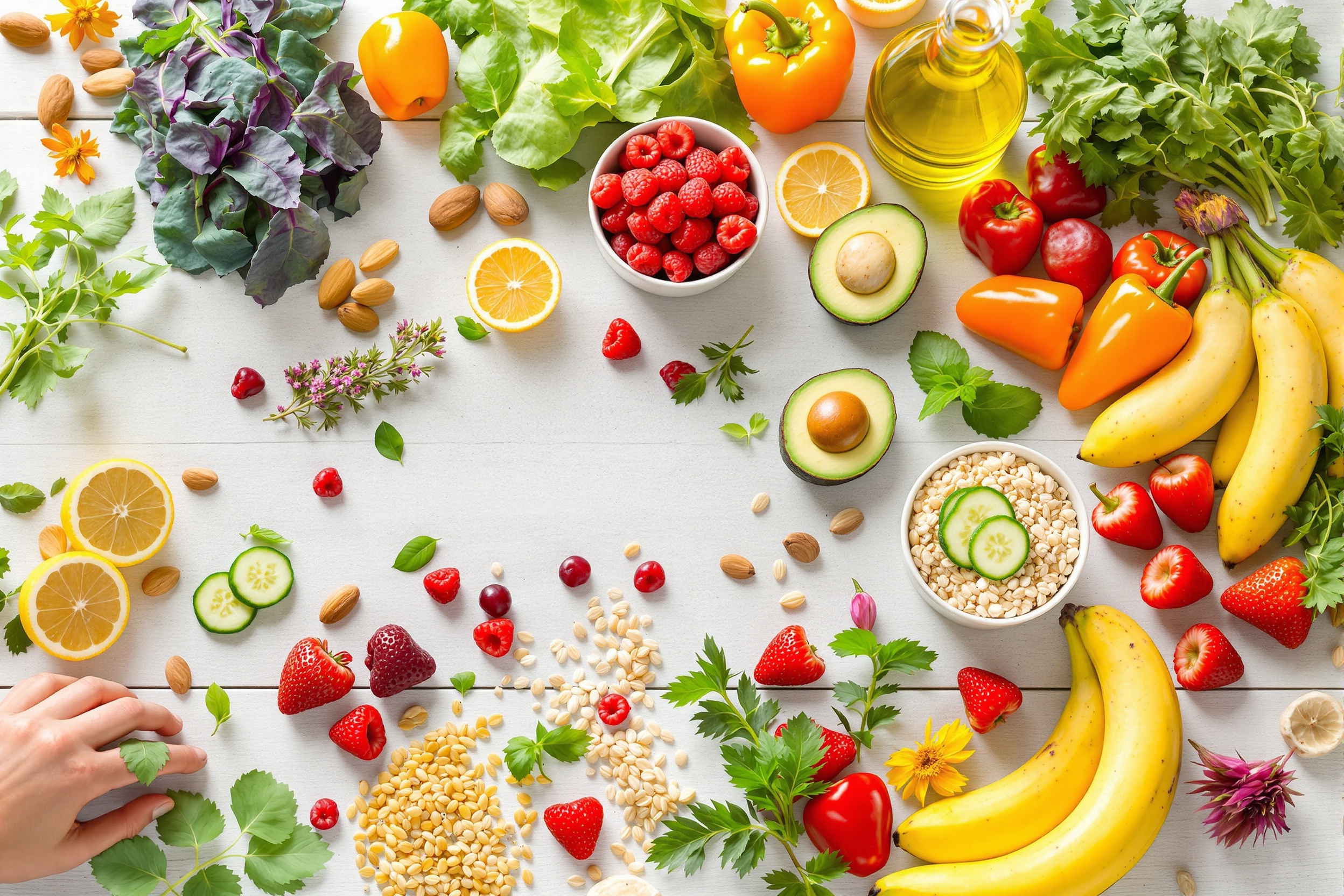
Understanding High Blood Pressure and Diet’s Role
Blood pressure measures the force of blood against your artery walls. Numbers consistently above 130/80 mmHg are considered elevated. Genetics play a part, but diet, weight, and lifestyle often tip the scale. The good news: what you eat can both raise and lower your numbers, sometimes profoundly.
What the Research Shows
Over the past decade, researchers have zeroed in on dietary patterns, specific foods, and herbal remedies with genuine impact. Consider these landmark findings:
- The DASH Diet: A 2024 meta-analysis in The Lancet (covering 12,400 participants) confirmed the Dietary Approaches to Stop Hypertension (DASH) diet reduces systolic blood pressure by an average of 7 mmHg and diastolic by 4 mmHg in eight weeks—comparable to a low-dose medication.
- Potassium-Rich Foods: A 2022 systematic review in Hypertension (9,000+ adults) showed that increasing potassium intake to 3,500–4,700 mg/day lowered blood pressure in adults with hypertension by 5–8 mmHg.
- Beetroot Juice: A 2021 randomized controlled trial in Journal of Nutrition found that 250 ml (about 1 cup) of beetroot juice daily for four weeks reduced systolic pressure by 6 mmHg on average in hypertensive adults.
- Garlic Supplements: In a 2023 review in Phytotherapy Research, garlic extract (600–1,200 mg/day, standardized to 1.3% allicin) lowered systolic blood pressure by 5–10 mmHg over 8–12 weeks.
- Weight Loss and Plant-Based Diets: A 2020 study in JAMA Network Open reported that losing just 5% of body weight through diet and exercise led to a 4 mmHg drop in systolic blood pressure among 4,000 overweight adults.
- Green Tea: In a 2022 analysis of 5 RCTs published in Clinical Nutrition, daily green tea consumption (2–3 cups, 400–600 ml) reduced blood pressure by 2–3 mmHg after 12 weeks.
Small reductions matter: Even a 2 mmHg drop in systolic pressure can cut stroke risk by 10%.
Top Food-Based Solutions for Lowering Blood Pressure
1. Embrace the DASH Diet
DASH isn’t a fad—it’s an evidence-based approach prioritizing fruits, vegetables, whole grains, lean proteins, and low-fat dairy. The salt restriction (1,500–2,300 mg sodium daily) is especially potent. Many see numbers start to shift in two weeks. For lasting impact, aim for:
- 7–10 servings of fruits and vegetables daily
- 2–3 servings of low-fat dairy
- 2 servings of lean protein (fish, poultry, beans)
- Whole grains with every meal
Portion control and variety help you stick with it long term. The fiber and potassium punch together lower blood pressure—beating the benefits of single nutrients.
2. Boost Potassium Intake
Potassium counters sodium’s pressure-raising effects. Most adults fall short—by a lot. Top natural sources include:
- Bananas (400 mg/piece)
- Sweet potatoes (540 mg/medium baked)
- Spinach (840 mg/cooked cup)
- Avocado (700 mg/fruit)
- Beans (up to 600 mg/cooked cup)
Recommended intake: 3,500–4,700 mg/day (unless you have kidney disease). Caution: If you’re on ACE inhibitors, ARBs, or potassium-sparing diuretics, check with your doctor about safe limits. Excess potassium can be dangerous for some.
3. Nitrate-Rich Vegetables: Beets and Beyond
Natural nitrates relax blood vessels. Beets, arugula, celery, and Swiss chard top the list. In particular, beetroot juice stands out.
- Beetroot juice: 250 ml/day (about 1 cup)
- Whole beets: 1–2 medium beets/day, roasted or raw
- Other nitrate-rich foods: spinach, lettuce, fennel, radish
Beet juice can temporarily discolor urine or stool—a harmless side effect. People with a history of kidney stones (oxalate type) should moderate intake.
4. Garlic: Culinary and Supplemental Power
Garlic’s sulfur compounds (allicin) help relax arteries. You can get benefit from:
- Eating 1–2 raw or lightly-cooked garlic cloves daily
- Taking a standardized garlic supplement (600–1,200 mg/day; allicin yield: 3–6 mg)
Garlic can cause digestive upset and may thin blood, so avoid high doses before surgery or if you’re on anticoagulants (warfarin, clopidogrel).
5. Go Green: Leafy Vegetables & Legumes
Leafy greens like kale, collard, swiss chard, and spinach deliver potassium, magnesium, and nitrates. Legumes (beans, lentils, peas) offer plant protein and soluble fiber, both linked to lower blood pressure in meta-analyses (American Journal of Hypertension, 2021).
Strive for 1–2 cups of leafy greens and at least 1 cup of beans or lentils daily.
6. Add a Sprinkle of Seeds
Flaxseed, chia, and pumpkin seeds provide magnesium, potassium, and arginine (an amino acid that supports nitric oxide production). A 2020 RCT (Hypertension Research) showed ground flaxseed (30 g/day, about 3 tbsp) lowered systolic blood pressure by 4 mmHg after 6 months.
Best: Use ground flaxseed for better absorption. Sprinkle on yogurt, oatmeal, or salads. Increase water intake to aid digestion.
7. Dairy (If It Suits You)
Low-fat dairy contains calcium, potassium, and bioactive peptides that help blood vessels relax. If you tolerate dairy, 2–3 servings daily can contribute to blood pressure benefits. Choose plain yogurt, kefir, or milk over sweetened or processed dairy products.
8. Eat the Rainbow—Berries & Citrus
Berries (especially blueberries and strawberries) and citrus fruits contain flavonoids that support artery flexibility. The American Journal of Clinical Nutrition, 2021 found that three or more servings of berries per week was associated with a 7% lower risk of hypertension over 14 years (sample: 40,000+ adults).
9. Green Tea and Hibiscus Tea
Both teas contain antioxidants that relax blood vessels. Hibiscus tea (2–3 cups/day) lowered systolic blood pressure by 7 mmHg in a 2021 RCT in prehypertensive adults. Green tea is best brewed for 3–5 minutes. Both are naturally caffeine-light.
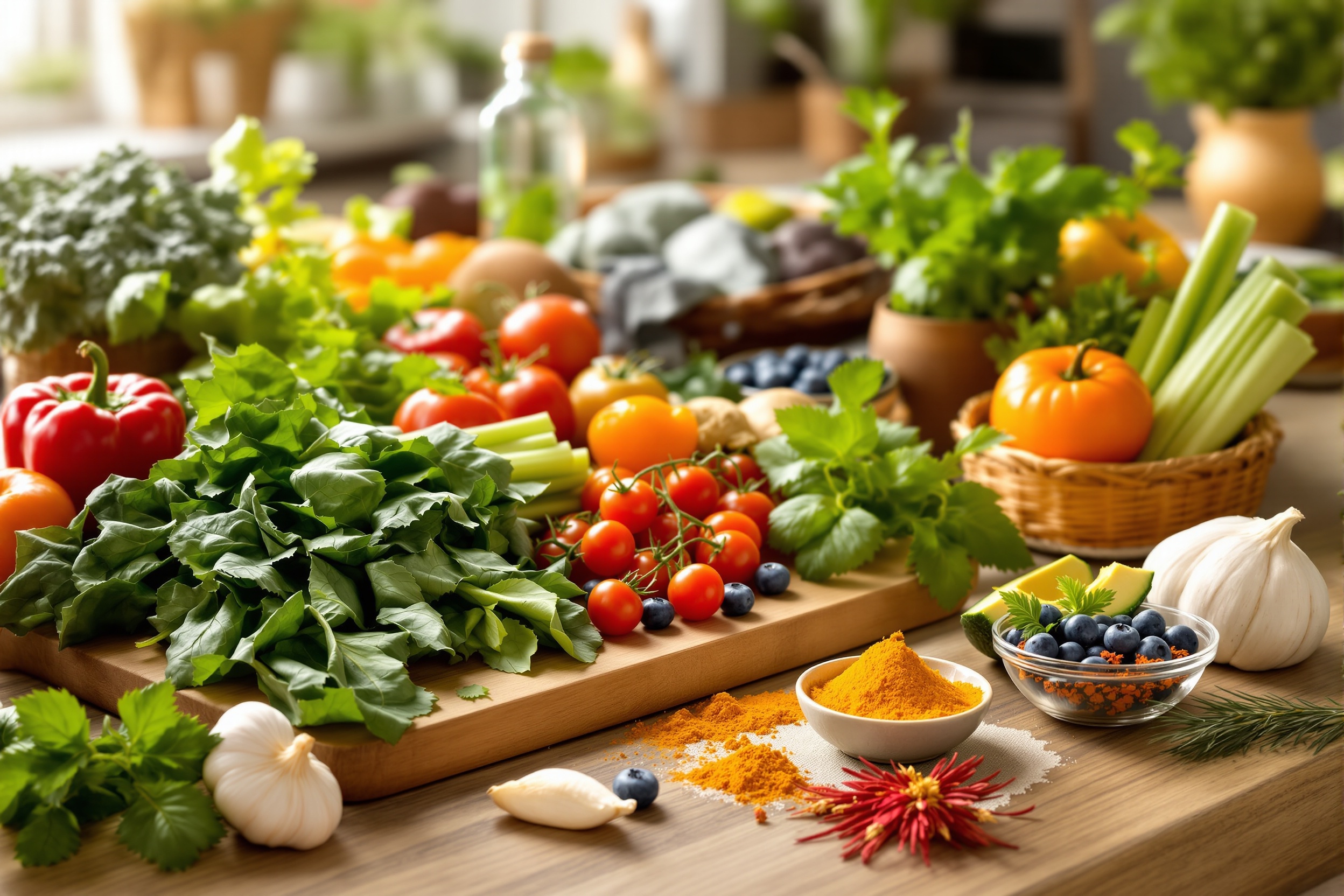
Precaution: Those on blood pressure medications or diuretics should monitor for additive effects; hibiscus may interact with some HIV medications.
Foods and Habits to Avoid
- Excess sodium: Over 2,300 mg/day drives up blood pressure in most adults. Check nutrition labels—processed foods hide sodium in breads, soups, sauces, and snacks.
- Added sugars: Sugary drinks and snacks not only add calories but can raise blood pressure. Aim for less than 25–36 grams added sugars daily (per the AHA).
- Alcohol: More than 1 drink/day for women or 2 for men elevates blood pressure. Even moderate drinking can counteract positive dietary changes.
- Red and processed meats: High in salt and saturated fats; swap for fish, poultry, or legumes.
Herbs and Natural Supplements: Evidence and Cautions
Garlic Supplements
As described above, standardized garlic powder or aged garlic extract (600–1,200 mg/day) can aid blood pressure. Look for products specifying allicin content. Typical duration studied: 8–12 weeks.
- Interactions: May increase bleeding risk. Avoid with anticoagulants and before surgery.
- Side effects: GI upset, bad breath.
Magnesium
Some adults with low magnesium see improvements with supplementation. A 2022 meta-analysis (American Heart Journal) found that 300–500 mg/day reduced systolic pressure by 3–4 mmHg. Best form: magnesium glycinate or citrate.
- Do not exceed 350 mg/day from supplements unless supervised (can cause diarrhea, interact with antibiotics, or worsen kidney issues).
Coenzyme Q10 (CoQ10)
CoQ10 acts as an antioxidant and energy booster for heart muscles. Dosages of 100–200 mg/day were shown to reduce systolic blood pressure by 6–7 mmHg in a 2021 review (Hypertension Research).
- Possible side effects: GI upset, headache. CoQ10 may lower blood sugar, so monitor if on diabetes medications.
Hibiscus Extract
Hibiscus sabdariffa tea or standardized extract can lower blood pressure by 5–7 mmHg. Typical dose: 250–500 mg extract daily, or 2–3 cups brewed tea. Caution in pregnancy and when taking acetaminophen or HIV meds (may increase effects).
Omega-3s (Fish Oil)
EPA and DHA, found in fish oil, have modest effects on blood pressure when taken in moderate doses (1,000–2,000 mg/day). Benefits are greatest for those with high blood pressure and low dietary omega-3 intake. Side effects can include fishy aftertaste and loose stools. High doses may increase bleeding risk.
Evidence-Based Lifestyle Patterns
Adopt a Mediterranean Diet
Not just olive oil and red wine—the Mediterranean diet is heavy on vegetables, fruits, legumes, nuts, whole grains, fish, and olive oil. The PREDIMED trial (7,400 participants, 2018) showed those following this diet had significantly fewer new cases of hypertension over five years, compared to a control diet.
Limit Processed Foods
More than 70% of sodium intake comes from processed foods, not the salt shaker. Cook at home more often, choose fresh or frozen (unsalted) veggies, and read labels carefully.
Intermittent Fasting & Time-Restricted Eating
Restricting food intake to a 8–10 hour daily window, or fasting for 14–16 hours overnight, may improve weight loss and insulin sensitivity—both of which support lower blood pressure. Obesity, 2022, found a 5 mmHg drop in systolic pressure after 12 weeks of time-restricted eating among 200 overweight adults. Not for everyone: those with diabetes, eating disorders, or on certain medications should discuss with their doctor first.
Mind-Body Techniques: The Dietary Connection
Stress, brain fog, and poor sleep spike blood pressure. Mindful eating, yoga, and meditation, while not foods, can influence dietary choices and help break the stress-eating cycle. A 2023 study in Hypertension found that 10 minutes of daily deep breathing exercises lowered blood pressure by 3 mmHg in adults with mild hypertension.
Improving mental clarity—using brain fog remedies like hydration, reducing processed foods, and boosting omega-3s—may also indirectly support blood pressure by reducing impulsive eating and stress responses. Lifestyle changes that strengthen and tone your glutes, such as walking and squats, contribute to overall cardiovascular health and metabolic balance.
Who Should Not Use Dietary Remedies Alone?
If you already have diagnosed hypertension or cardiovascular disease, never stop prescribed medications without medical supervision. Natural remedies may complement but not replace your treatment plan. For those on medications for prostate health—especially alpha-blockers or a natural prostate support supplement—monitor for dizziness or low blood pressure, as combining dietary changes with these products can enhance blood pressure-lowering effects. The same caution applies if you use a prostate health support formula for men over 50, as herbal blends sometimes contain blood pressure–active extracts.
Safety, Interactions, and Monitoring
- Monitor blood pressure at home 2–3 times per week.
- Tell your healthcare provider about all supplements and herbs you use.
- Those with kidney disease, liver disease, diabetes, or on multiple medications require extra caution and individualized advice.
- Don’t combine multiple supplements with blood pressure–lowering effects without expert guidance.
- If you experience dizziness, fainting, or significant fluctuations, seek prompt medical review.
Our Editorial Perspective
The research on food-based strategies for blood pressure is robust—a high-fiber, plant-rich diet, increased potassium, and judicious use of targeted supplements can yield modest but meaningful reductions in most adults. The synergy of whole dietary patterns (DASH, Mediterranean) beats reliance on single foods or supplements. Herbs like garlic and hibiscus add small, safe adjuncts for many people, but start slow and track your body’s response. No one-size-fits-all answer exists: genetics, weight, and health status mean results vary. For some, lifestyle alone can normalize blood pressure; others need a combined approach. Our take: make food the foundation, supplement judiciously, and collaborate with your healthcare provider. Consistency—over weeks and months—matters more than any short-term fix.
Medical Disclaimer: This article is for informational purposes only and does not substitute for professional medical advice, diagnosis, or treatment. Always consult your physician or another qualified healthcare provider before making changes to your diet, lifestyle, or supplement regimen, especially if you have a chronic health condition or take prescription medications.
Ready to Optimize Your Nutrition?
Discover science-backed supplements and nutrition tools our editorial team has vetted for quality, bioavailability, and real-world results.
Browse Reviewed ProductsAffiliate link — we may earn a commission at no extra cost to you. We only recommend what we genuinely trust.
Health Disclaimer
This article is for informational purposes only and is not a substitute for professional medical advice, diagnosis, or treatment. Always consult your physician or qualified healthcare provider before starting any new supplement, diet, exercise program, or health regimen. Individual results may vary.
Related Articles
Plant-Based Omega-3 Sources FAQ: Best Foods & Absorption Tips
Discover the top plant-based omega-3 sources, why they're crucial for brain, heart, and prostate health, and actionable tips to absorb more—without fish or animal products.
The Estrogen Balance Nutrition Protocol: Wellness Steps for Women 35+
A detailed, evidence-based wellness protocol for women 35+ to support healthy estrogen balance and ease menstrual discomfort, featuring practical nutrition, supplement, and lifestyle steps.
Nutrition for Macular Degeneration Prevention: FAQs on Eye-Healthy Diets
Explore evidence-based answers to top questions about nutrition strategies for eye health and AMD prevention after 45. Covering foods, supplements, and realistic meal tips.
Get Evidence-Based Health Tips
Join our newsletter for weekly insights on nutrition, fitness, and wellness — backed by research, not hype.