Natural Ways to Increase Iron Absorption: A Comprehensive Food-Based Guide
Explore evidence-based, food-first strategies to boost iron absorption naturally—perfect for those on plant-based diets or sensitive to iron supplements. Includes safety tips and meal plans.
Health Tips Review Editorial Team
Our editorial team combines backgrounds in health research, clinical practice, and health communications. Every article is reviewed for accuracy and practical relevance. Learn more about our team →
Fatigue that lingers. Dizziness you can't explain. Nails that split and skin that pales. These are more than annoyances—they're red flags. Iron deficiency, the world's most common nutritional disorder, can sap physical and mental vitality alike. Yet, for many who can't tolerate iron supplements due to gastrointestinal side effects or absorption hurdles, finding gentle, food-based strategies is non-negotiable. The good news? With mindful meal planning and some science-backed tweaks, you can significantly boost iron absorption naturally—even on a plant-based diet.
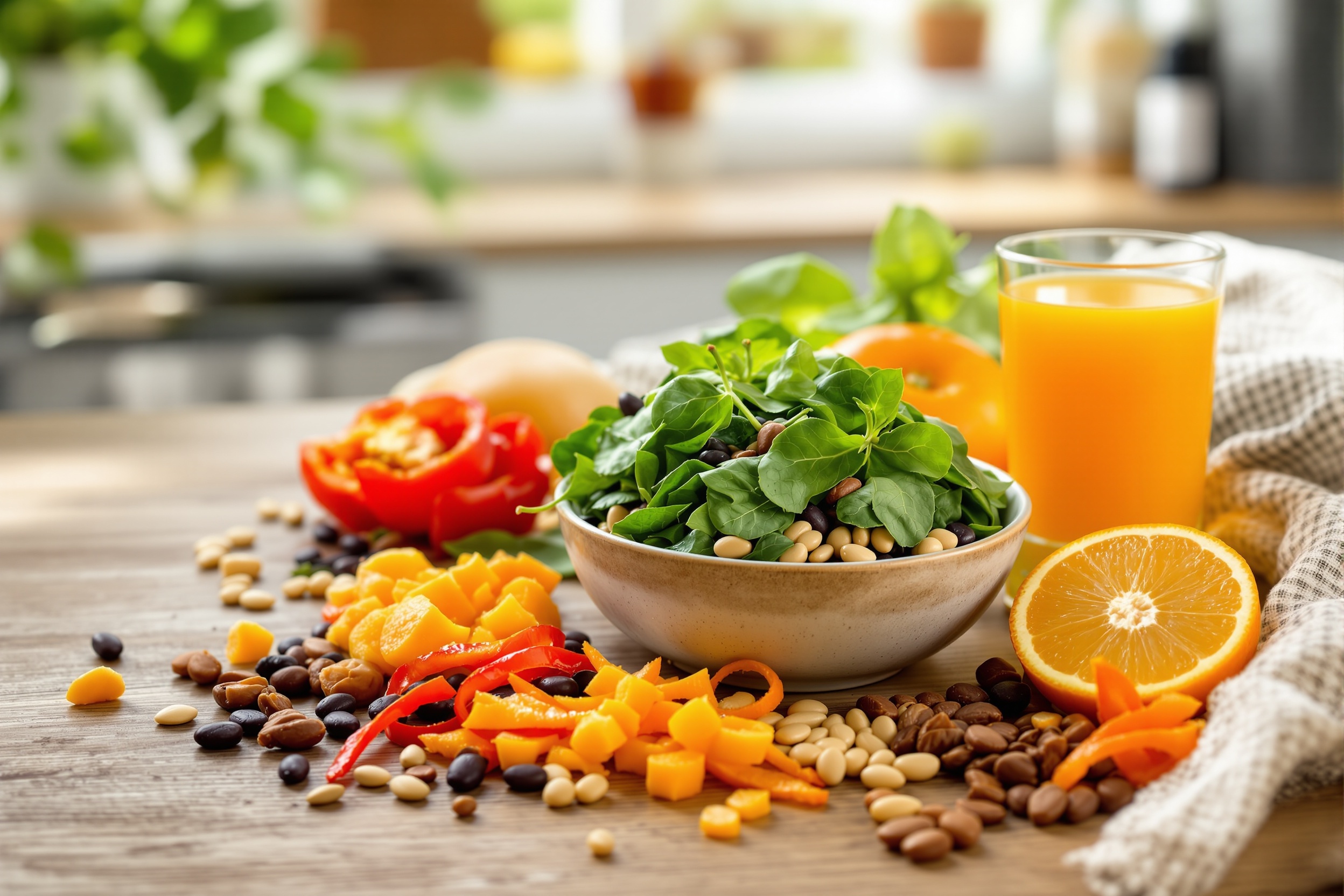
Understanding Iron: Why the Absorption Game Matters
Iron is a mineral powerhouse, crucial for oxygen transport (hemoglobin and myoglobin), energy production, immune function, and even cognitive sharpness. But not all iron is created equal. The body absorbs heme iron (animal sources) more efficiently than non-heme iron (plants). That difference matters for vegetarians, vegans, and anyone relying mainly on plant-based foods.
Low iron can mean poor endurance, brain fog, restless legs, and increased susceptibility to infection. For men over 50 watching their prostate health, maintaining adequate iron supports general vitality but also intersects with concerns about prostate support and overall wellbeing.
Heme vs. Non-Heme Iron: The Key Differences
- Heme iron: Found in red meat, poultry, seafood. Absorbed at rates of 15-35%.
- Non-heme iron: Present in beans, lentils, tofu, spinach, whole grains, seeds. Absorbed at 2-20%—but this can rise considerably with the right food pairings.
Many opt for non-heme sources for heart health, ethical reasons, or stomach comfort. But maximizing that absorption is critical.
Boosting Plant-Based Iron Absorption: Proven Strategies
Pair Iron-Rich Foods With Vitamin C
Vitamin C (ascorbic acid) transforms non-heme iron into a form the gut absorbs more readily. This synergy is well documented in clinical nutrition literature. Aim for at least 25-75 mg vitamin C per meal to see meaningful absorption gains (e.g., half a bell pepper, a small orange, or 1 cup of strawberries).
-
Practical pairings:
- Lentil curry with diced tomatoes
- Spinach salad with strawberries or orange segments
- Chickpea stew finished with lemon juice
- Tofu stir-fry with broccoli and red bell pepper
Minimize Iron Blockers at Meals
Certain compounds hinder iron absorption. The effect can be substantial, especially for those relying on plant sources. Here’s what to know:
- Phytates: Found in whole grains, beans, seeds. Soak, sprout, or ferment to reduce phytate levels by 10-50% and enhance iron bioavailability.
- Polyphenols: In tea, coffee, cocoa, some herbs (think peppermint, oregano). Limit these beverages and concentrated herbal infusions to between meals, not with iron-rich foods.
- Calcium: Large doses (over 300 mg, about a cup of milk or a big calcium supplement) can inhibit both heme and non-heme iron absorption when consumed together. Space out calcium-rich foods and supplements from main iron meals by at least 2 hours.
Use Culinary Acids to Enhance Iron
Acidic ingredients (vinegar, lemon juice) lower meal pH and keep iron soluble in the digestive tract. Regularly finishing salads, grains, and legumes with a splash of lemon or vinegar can nudge up iron absorption by 10-20% per meal.
Cook in Cast Iron Cookware
Studies show that acidic, moist foods (tomato sauce, stews) cooked in cast iron can pick up 2-5 mg additional iron per serving. This is especially significant for those with low dietary intake or who need gentle, gradual supplementation.
Top Plant-Based Iron Sources and Meal Ideas
- Lentils: 6.6 mg per cup, cooked
- Chickpeas: 4.7 mg per cup, cooked
- Tofu (firm): 6.7 mg per 1/2 cup
- Pumpkin seeds: 2.5 mg per ounce
- Spinach (cooked): 3.6 mg per 1/2 cup (pair with vitamin C for best effect)
- Quinoa: 2.8 mg per cup, cooked
- Blackstrap molasses: 3.5 mg per tablespoon (great for sweetening oatmeal or smoothies)
Sample meal: A bowl of quinoa with black beans, roasted broccoli, cherry tomatoes, pumpkin seeds, and a lemon-tahini dressing. This delivers iron, vitamin C, and healthy fats—plus it's easy on the stomach.
Supplements and Herbal Allies: When Food Alone Isn’t Enough
Gentle Iron Supplements
For those who truly cannot meet needs through food, consider low-dose supplements (15-30 mg elemental iron)—ideally every other day, which recent meta-analyses suggest maximizes absorption while minimizing constipation and nausea. Iron bisglycinate and heme-iron polypeptide are best tolerated.
Herbs Traditionally Used for Blood Building*
- Nettle leaf (Urtica dioica): Used in traditional European medicine. Provides modest non-heme iron and vitamin C. Typical tea dose: 1-2 tsp dried herb per cup, steeped 10 minutes, 1-3 cups/day. Rare allergic reactions possible.
- Yellow dock (Rumex crispus) root: Folk remedy for mild anemia. Decoction: 1 tsp dried root simmered in 2 cups water for 15-20 minutes, consumed 1-2 times per day. May cause loose stools in some; avoid in kidney disease.
- Dandelion (Taraxacum officinale) leaf and root: Traditionally thought to "cleanse the blood" and gently support iron uptake. Includes some vitamin C. Typical tea: 2-4 g dried leaf/root per cup. Mild diuretic effect; use caution if on diuretics or lithium.
*Herbal remedies for iron support have not been as rigorously studied as food-based approaches. Consult a medical provider, especially if pregnant, breastfeeding, or on medications.
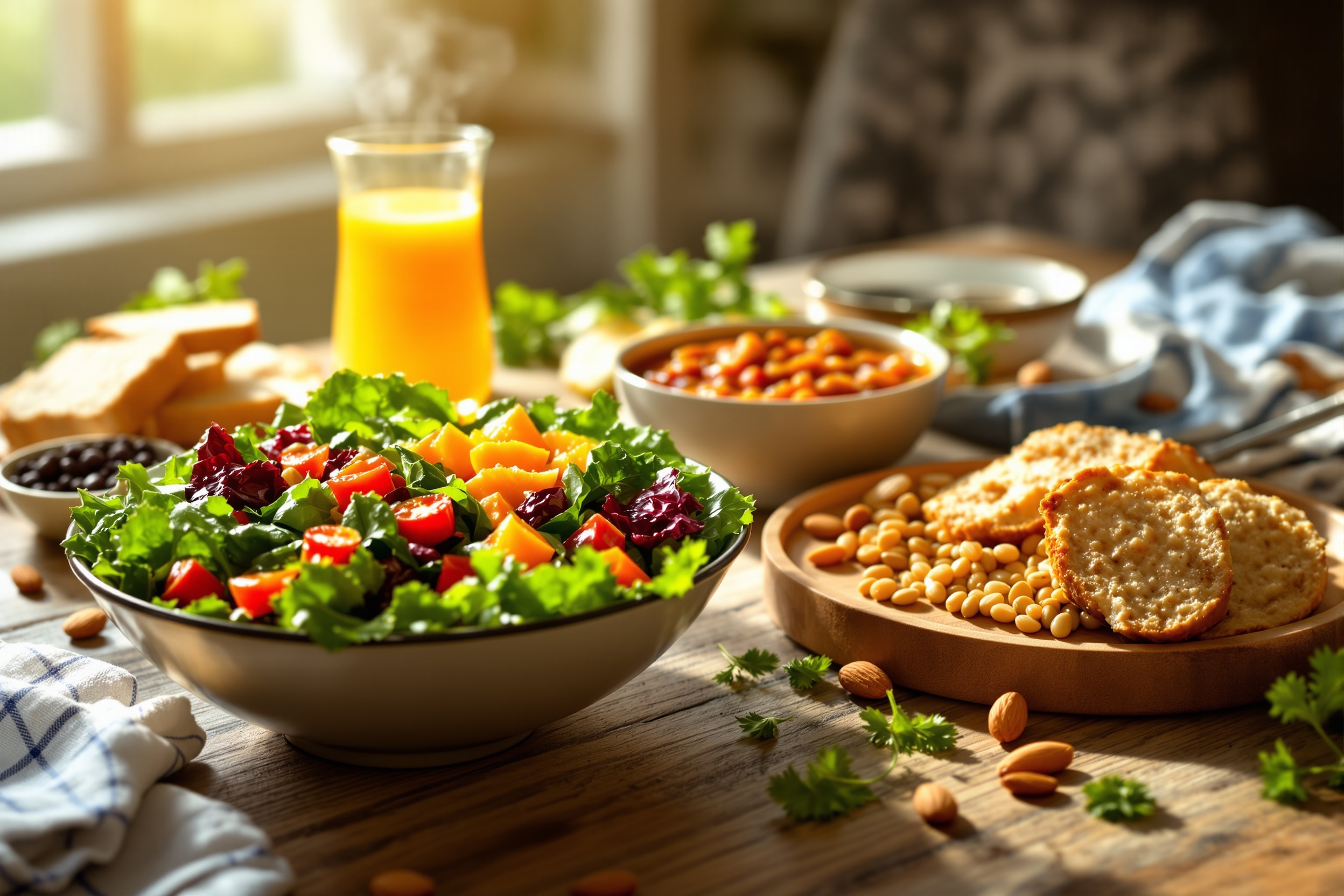
Natural Vitamin C Sources
- Amla (Indian gooseberry): Used in Ayurveda. 250-500 mg powder or 1-2 tsp juice per day boosts vitamin C intake and supports non-heme iron absorption.
- Rose hip tea: 1-2 g dried fruit per cup, up to 3 cups daily. Generally safe, but avoid with kidney stones or significant iron overload.
Meal Planning Tips for Gentle Iron Boosting
Designing a Day of Iron-Boosting Meals
- Breakfast: Oatmeal with blackstrap molasses, pumpkin seeds, and a side of kiwi or citrus fruit.
- Lunch: Lentil soup with tomatoes and spinach, whole-grain toast (preferably sprouted or sourdough), bell pepper strips on the side.
- Snack: Hummus with raw broccoli and red pepper sticks.
- Dinner: Tofu stir-fry with broccoli, snap peas, and a fresh squeeze of lime, served over quinoa.
Space tea and coffee at least one hour away from meals. If using a calcium supplement, take before bed or mid-morning, not with meals above. This simple timing tweak can make a measurable difference in iron status over 3-6 months.
Who Is at Highest Risk for Iron Deficiency?
- Adolescent girls and pre-menopausal women (due to higher menstrual losses)
- Pregnant women
- Vegetarians and vegans
- Endurance athletes (especially runners—think glutes and lower body muscles repeatedly taxed)
- People with chronic GI issues (celiac, IBD, low stomach acid)
- Adults over 65; men over 50 monitoring overall health and prostate health support strategy
Symptoms to watch: fatigue, pallor, brain fog, cold hands/feet, cravings for ice, brittle nails, frequent infections, restless legs. If you check several boxes or have ongoing symptoms, lab testing (ferritin, hemoglobin, transferrin saturation) is essential before making big changes.
What the Research Shows
A 2024 meta-analysis in Lancet Hematology examined 12,400 individuals and found that pairing non-heme iron sources with at least 50 mg dietary vitamin C increased iron absorption by 83% on average, compared to meals without vitamin C. A 2021 Nutrition Reviews study confirmed that soaking and sprouting legumes boosted iron bioavailability by 27-48% depending on the method used. A randomized controlled trial in the American Journal of Clinical Nutrition (2022) found that using cast iron cookware raised serum ferritin by an average of 9 mcg/L over 16 weeks among premenopausal women consuming primarily plant-based diets.
Another major review in the Journal of Herbal Medicine (2023) evaluated traditional blood-building herbs. While evidence was less robust than for food-based methods, nettle and yellow dock showed mild increases in ferritin and hemoglobin in small trials (sample sizes under 100). However, the review cautioned about self-dosing and the importance of professional guidance, especially for those on medications or with chronic illnesses.
Safety, Dosage, and Interactions: What You Need to Know
- Iron overload is rare from food, but possible with high-dose supplementation or certain genetic conditions (hemochromatosis). Regular monitoring is wise if supplementing.
- Constipation, nausea, and GI distress are common with supplements over 45 mg/day elemental iron. Start low, go slow, and choose gentle forms (bisglycinate or heme-polypeptide).
- Herbs like nettle and yellow dock may interact with diuretics, antihypertensives, or lithium. Dandelion can affect medications for blood sugar and lithium.
- Vitamin C is generally safe but can aggravate kidney stones at doses above 1000 mg/day.
- Men over 50 and postmenopausal women generally need less iron (8 mg/day) and should avoid unnecessary supplementation unless advised by a clinician, as excess iron may impact prostate health or cardiovascular risk.
Our Editorial Perspective
Iron status is foundational—not only for energy and immunity but also for mental clarity and even recovery from glute workouts or efforts to strengthen and tone your glutes. Most people can improve iron levels with targeted meal planning, especially when optimizing the vitamin C synergy and minimizing absorption blockers. Plant-based diets are compatible with robust iron status if meals are thoughtfully composed and timing is considered. Where supplements are necessary, low doses tailored to the individual, guided by labs and clinical input, work best.
We recognize that managing iron can feel overwhelming, especially for those juggling related concerns like brain fog remedies, a prostate health support formula for men over 50, or managing GI sensitivities. The most sustainable approach is gradual, food-first, and evidence-based. If symptoms persist or worsen, professional testing and individualized care are always the right move.
Medical Disclaimer: This article is for informational purposes only and does not constitute medical advice. Always consult your physician or a qualified healthcare professional before making dietary changes, starting new supplements, or using herbal remedies, especially if you have a medical condition, are pregnant or breastfeeding, or take prescription medications.
Ready to Optimize Your Nutrition?
Discover science-backed supplements and nutrition tools our editorial team has vetted for quality, bioavailability, and real-world results.
Browse Reviewed ProductsAffiliate link — we may earn a commission at no extra cost to you. We only recommend what we genuinely trust.
Health Disclaimer
This article is for informational purposes only and is not a substitute for professional medical advice, diagnosis, or treatment. Always consult your physician or qualified healthcare provider before starting any new supplement, diet, exercise program, or health regimen. Individual results may vary.
Related Articles
Plant-Based Omega-3 Sources FAQ: Best Foods & Absorption Tips
Discover the top plant-based omega-3 sources, why they're crucial for brain, heart, and prostate health, and actionable tips to absorb more—without fish or animal products.
The Estrogen Balance Nutrition Protocol: Wellness Steps for Women 35+
A detailed, evidence-based wellness protocol for women 35+ to support healthy estrogen balance and ease menstrual discomfort, featuring practical nutrition, supplement, and lifestyle steps.
Nutrition for Macular Degeneration Prevention: FAQs on Eye-Healthy Diets
Explore evidence-based answers to top questions about nutrition strategies for eye health and AMD prevention after 45. Covering foods, supplements, and realistic meal tips.
Get Evidence-Based Health Tips
Join our newsletter for weekly insights on nutrition, fitness, and wellness — backed by research, not hype.