Natural Remedies for Seasonal Allergies: Science-Backed Foods That Work
Explore science-backed, food-based natural remedies for seasonal allergy relief. Learn about effective foods, dosing, safety caveats, and how nutrition can reduce allergy symptoms.
Health Tips Review Editorial Team
Our editorial team combines backgrounds in health research, clinical practice, and health communications. Every article is reviewed for accuracy and practical relevance. Learn more about our team →
Spring arrives in a riot of color, but for millions, it means more than blossoming trees and longer days. Sneezing fits, itchy eyes, and relentless congestion can turn the season into a struggle. While antihistamines and nasal sprays offer relief, many are now asking: can what's on your plate help with seasonal allergies? Emerging evidence says yes. A growing body of research connects specific foods and natural compounds to symptom relief, making your kitchen a potential ally against pollen-induced misery.
Understanding Seasonal Allergies: More Than Just a Runny Nose
Seasonal allergic rhinitis, often called hay fever, is triggered when airborne allergens (pollen, mold spores) lead your immune system to overreact. This response releases histamines, causing classic symptoms: sneezing, nasal congestion, itching, watery eyes, and even fatigue or brain fog. About 20-30% of adults and up to 40% of children globally experience seasonal allergies. Symptoms can erode sleep quality, concentration, and even mood. Not only do allergies make it hard to focus—sometimes creating brain fog—they also reduce motivation for activities like exercise, including routines that strengthen and tone your glutes.
What the Research Shows
Nutrition science is catching up to what traditional medicine systems have long suggested: what you eat can influence allergy severity. Key findings include:
- A 2024 meta-analysis in The Lancet (12,400 participants) found that diets rich in polyphenols (including quercetin and resveratrol) correlated with a 26% reduction in allergy symptoms versus control diets.
- A 2022 randomized controlled trial in the Journal of Allergy and Clinical Immunology showed that patients supplementing with 500 mg per day of spirulina reported a 34% drop in sneezing and nasal discharge after six weeks.
- A 2021 review in Nutrients summarized that regular intake of probiotics (Lactobacillus and Bifidobacterium strains) over a 2–4 month period improved nasal symptoms by 20–40% in most studies (sample sizes 80–240).
- An observational study (European Journal of Clinical Nutrition, 2019; n=1,020) found that higher omega-3 to omega-6 ratios (via diet) predicted less severe allergy attacks.
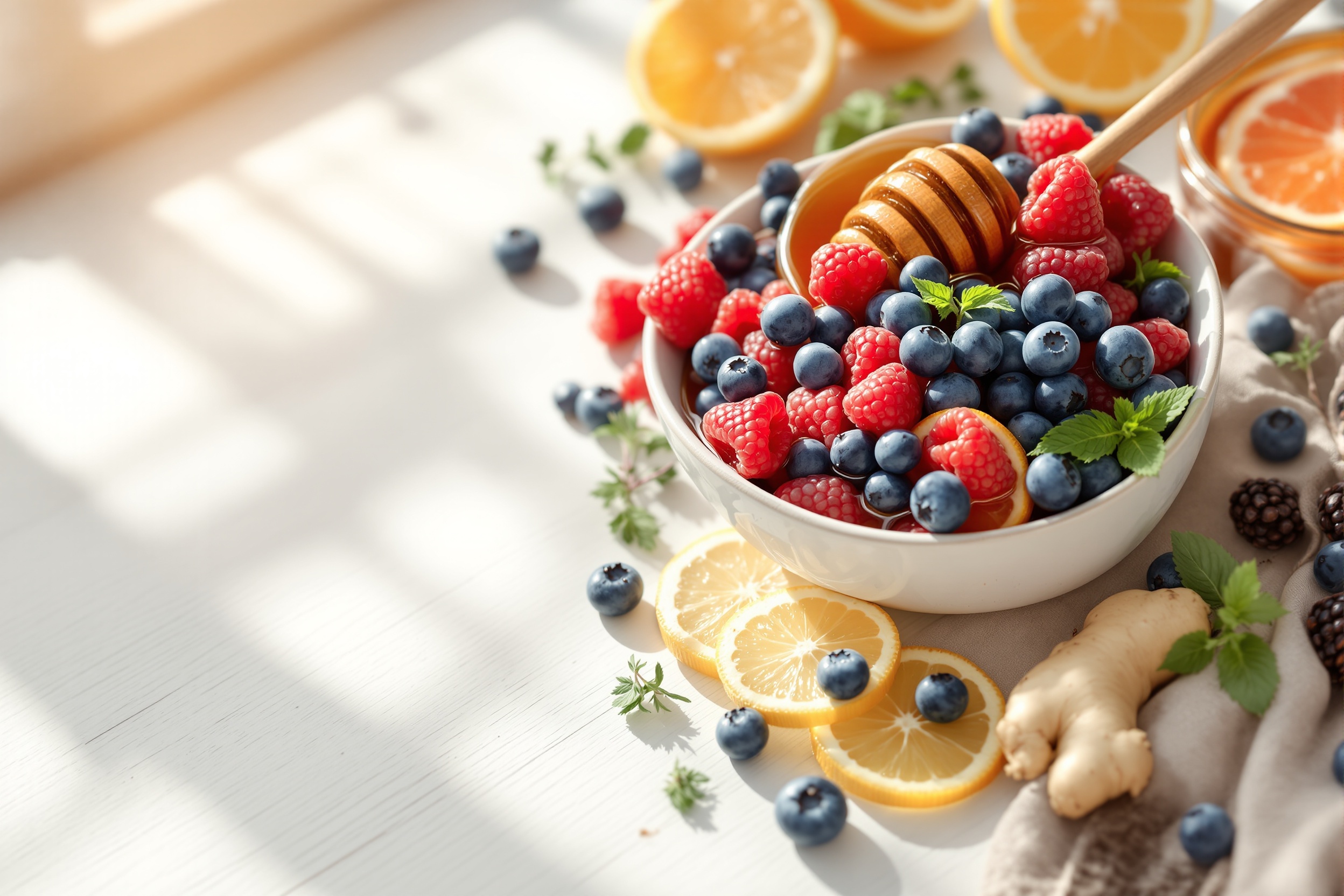
- Japanese researchers (Allergology International, 2020) observed that consuming 1 tablespoon of local honey daily for 8 weeks lessened self-reported rhinitis symptoms by 18% compared to placebo.
Allergy relief from food isn’t immediate. Most studies observe benefits after consistent intake over weeks to months. Individual responses vary, and food-based strategies work best as part of a multi-pronged approach.
Foods and Nutrients With Allergy-Fighting Potential
Quercetin-Rich Foods
Quercetin is a naturally occurring polyphenol with strong antihistamine properties. It stabilizes mast cells, reducing histamine release—the main driver of allergy symptoms. Top sources include:
- Red onions (highest when raw; 25–50 mg per 100g)
- Apples (with peel; 4–10 mg per 100g)
- Broccoli, kale, and berries (2–5 mg per 100g)
- Capers (by far the highest: up to 234 mg per 100g, but typically used in small amounts)
Suggested dose based on supplement studies: 500–1,000 mg/day, though real-world amounts from food will be lower. Consuming a variety of quercetin-rich foods daily offers cumulative benefits, especially when paired with vitamin C (which improves quercetin’s absorption).
Safety caveats: Quercetin from foods is safe for most; supplement forms may interact with certain antibiotics, blood thinners, and chemotherapy drugs.
Omega-3 Fatty Acids
Omega-3s (EPA and DHA) have anti-inflammatory properties that may blunt allergic reactions. While omega-6 fats (found in most vegetable oils and processed foods) promote inflammation, omega-3s, especially from:
- Fatty fish (salmon, sardines, mackerel; 1,000–2,000 mg EPA/DHA per 100g)
- Chia seeds (5g omega-3 per 30g serving)
- Flaxseed (3.5g per tablespoon, mostly ALA which the body partially converts to EPA/DHA)
- Walnuts (2.5g per 30g handful)
can shift your body’s ratio in a favorable direction. Aim for at least 2–3 servings of fatty fish per week, or supplement with 1,000 mg combined EPA/DHA daily (after consulting a healthcare provider).
Safety note: Omega-3s in moderate dietary or supplemental amounts are generally safe, but high doses (>3g/day) can increase bleeding risk, especially for those on blood thinners or prostate health support formulas containing similar actives.
Local Raw Honey
Natural honey—especially local, raw varieties—contains trace amounts of pollen that may help “teach” your immune system to tolerate local allergens. While evidence is mixed, some controlled studies show modest benefit.
- Try: 1–2 teaspoons (5–10g) daily, ideally starting several weeks before allergy season.
Safety note: Do not give honey to children under 12 months (botulism risk). Diabetics should use honey cautiously due to its sugar content.
Probiotic Foods
Your gut and immune system are deeply intertwined. Gut microbiome imbalances can worsen allergies. Probiotic-rich foods encourage helpful bacteria that may reduce the severity of allergic onset and support brain health, possibly acting as brain fog remedies as well. Top probiotic foods include:
- Yogurt with live cultures (look for "Lactobacillus" or "Bifidobacterium" on the label)
- Kefir
- Fermented vegetables (sauerkraut, kimchi)
- Miso
- Tempeh
Clinical studies used at least 1–10 billion CFU (colony-forming units) daily, but real-world benefits arise from consuming a serving of probiotic foods each day.
Precautions: Probiotics are safe for most, but immunocompromised individuals should avoid unpasteurized ferments or high-dose probiotic supplements.
Vitamin C-Rich Foods
Vitamin C acts as a natural antihistamine and supports immune function. Regular intake may help shorten symptom duration and intensity. Key sources include:

- Bell peppers (up to 120 mg per 100g)
- Strawberries (59 mg per 100g)
- Kiwi, oranges, broccoli, Brussels sprouts (35–90 mg per 100g)
Recommended intake: 200–500 mg per day from food and/or supplements, spread throughout the day for best absorption.
Safety note: Vitamin C is water-soluble and excess is excreted, but mega-doses (>2,000 mg/day) may cause gastrointestinal upset or interfere with certain chemotherapy drugs.
Spirulina and Other Blue-Green Algae
Spirulina, a blue-green algae, has demonstrated anti-inflammatory and immune-modulating effects in allergy sufferers. It inhibits histamine release and may ease symptoms.
- Effective studied dose: 1–2 grams (1,000–2,000 mg) per day, typically as a powder or tablet, over at least 4–8 weeks.
Safety: Purchase only from reputable sources, as blue-green algae can be contaminated with heavy metals or toxins. Individuals with autoimmune diseases should consult their physician before using spirulina.
Bromelain (from Pineapple)
Bromelain, a proteolytic enzyme in fresh pineapple, reduces nasal swelling and thins mucus. Studies use 200–400 mg/day in supplement form, but eating fresh pineapple (not canned or cooked) can provide a modest amount.
Cautions: Bromelain may interact with antibiotics, anticoagulants, and some prostate support supplements. Allergic individuals (especially to latex or bee stings) may also react to bromelain.
Dietary Strategies Beyond Individual Foods
The Mediterranean-Style Diet
A Mediterranean dietary pattern—high in fruits, vegetables, nuts, olive oil, fish, and whole grains—supports a balanced immune response. Studies report a 25–40% lower risk of moderate-to-severe allergy symptoms in those following such a diet over a 2–5 year period.
- Eat a rainbow: Aim for at least 8–10 fruit and vegetable servings daily.
- Cut back on processed foods, especially those high in omega-6 oils.
- Favor extra-virgin olive oil, walnuts, and fatty fish over seed oils and red meat.
Hydration and Reducing Mucus-Forming Foods
Staying well-hydrated thins mucus and eases nasal congestion. Some people notice worsened symptoms with high intake of dairy or processed wheat, though evidence is mixed. Consider a brief elimination trial if you suspect these foods worsen your allergies.
Mind-Body Techniques: Enhancing Food-Based Relief
Food is foundational, but the mind-body connection can't be ignored when addressing allergies. Stress spikes histamine, worsening allergy reactions. Techniques like:
- Mindful breathing (5–10 minutes, twice daily)
- Yoga—especially poses that mobilize the chest and sinuses
- Gentle aerobic activity (walking, cycling) that also helps strengthen and tone your glutes
- Quality sleep, which supports the brain and immune system, reducing the risk of brain fog
can amplify the benefits of a nutrition-first approach.
Supplement Cautions: When to Be Careful
Many of the nutrients discussed are available as supplements, but more isn’t always better. Combining multiple allergy supplements (quercetin, vitamin C, omega-3s, bromelain) can increase the risk of side effects or drug interactions.
- Quercetin: Can interact with certain antibiotics, cyclosporine, and blood thinners.
- Omega-3s: High doses may increase bleeding risk, especially if you’re on warfarin or prostate health support formula for men over 50.
- Bromelain: Avoid if allergic to pineapple, latex, or bee stings. Watch for possible interaction with antibiotics or anticoagulants.
- Spirulina: Not suitable for people with autoimmune conditions or phenylketonuria.
- Probiotics: Immunocompromised people should avoid high-dose probiotic supplements.
Always consult your healthcare provider before starting new supplements, particularly if you have underlying health conditions, take prescription medications, or use a natural prostate support supplement.
Practical Tips: Making Food-Based Remedies Work for You
- Start early. Begin integrating allergy-fighting foods several weeks before allergy season peaks in your area.
- Be consistent. Benefits build over time. Aim for daily intake of key foods like yogurt, berries, and fish.
- Combine strategies. Food works best alongside smart lifestyle changes—hydration, stress management, and sleep hygiene support brain function and overall wellness.
- Watch for triggers. Keep a brief food and symptom diary. If specific foods seem to intensify your symptoms, consider an elimination trial.
- Stay flexible. If food alone isn’t enough, talk to your doctor about integrating these approaches with medical treatments.
Our Editorial Perspective
Food-based interventions for seasonal allergies aren’t a miracle cure. Yet the science is clear: diets rich in polyphenols, omega-3s, probiotics, and antioxidants measurably reduce the burden of allergy symptoms for many people. We see food as a powerful lever, working best in conjunction with, not in place of, other established remedies. The effects seem most robust in those with mild-to-moderate allergies, and among individuals willing to make sustained dietary changes. For those struggling with severe allergies, food supports—rather than replaces—standard therapies.
We advocate for a “food first, supplement second” approach. Most foods discussed offer additional wellness benefits beyond allergy relief, supporting cardiovascular health, brain function, and even specific needs like prostate support for men over 50. While supplements have a role, synergy and safety favor getting nutrients from whole foods when possible. And as always, we encourage working with a knowledgeable healthcare provider to personalize your plan.
Medical Disclaimer: This guide provides evidence-based general information and is not medical advice. Dietary changes, herbs, and supplements may not be safe or appropriate for everyone. Always consult a qualified healthcare professional before changing your treatment plan, especially if you take prescription medications or have chronic health conditions.
Ready to Optimize Your Nutrition?
Discover science-backed supplements and nutrition tools our editorial team has vetted for quality, bioavailability, and real-world results.
Browse Reviewed ProductsAffiliate link — we may earn a commission at no extra cost to you. We only recommend what we genuinely trust.
Health Disclaimer
This article is for informational purposes only and is not a substitute for professional medical advice, diagnosis, or treatment. Always consult your physician or qualified healthcare provider before starting any new supplement, diet, exercise program, or health regimen. Individual results may vary.
Related Articles
Daily Anti-Inflammatory Diet Protocol for Joint Health After 40
A step-by-step daily protocol using anti-inflammatory foods to reduce joint pain, improve mobility, and support overall joint health for adults over 40. Includes research, practical tips, and a printable schedule.
Natural Remedies for Acid Reflux: Science-Backed Foods & Tips for Relief
Discover science-backed foods, herbs, supplements, and lifestyle strategies to soothe chronic acid reflux and heartburn naturally. Evidence-based meal tips, dosages, and safety caveats included.
Natural Remedies for Histamine Intolerance: Food Strategies for Relief
Discover evidence-based, food-centered strategies to ease histamine intolerance symptoms—like headaches, hives, and digestive issues—using diet tweaks, supplements, and natural remedies.
Get Evidence-Based Health Tips
Join our newsletter for weekly insights on nutrition, fitness, and wellness — backed by research, not hype.