Resistant Starch & Gut Health: FAQ Roundup for Better Digestion & Wellness
Discover how resistant starch can improve digestion, metabolic health, and even brain function. Learn about sources, benefits, and tips to boost your daily intake—backed by research.
Health Tips Review Editorial Team
Our editorial team combines backgrounds in health research, clinical practice, and health communications. Every article is reviewed for accuracy and practical relevance. Learn more about our team →
Resistant Starch & Gut Health: FAQ Roundup for Better Digestion & Wellness
Ever wonder why some carbs actually do your gut—and your metabolism— good? Enter resistant starch. Unlike most starches, resistant starch resists digestion in your small intestine and moves on to the colon, where it feeds your microbiome. This unique fiber-like carbohydrate has been linked to easier digestion, better blood sugar control, and even—through the gut-brain axis—potential brain fog remedies. Here, we answer the most common questions about resistant starch, its sources, health benefits, and how you can add more to your diet.
Frequently Asked Questions About Resistant Starch
1. What exactly is resistant starch?
Resistant starch is a type of carbohydrate that “resists” digestion in the small intestine, passing largely unchanged into the large intestine. Here, it acts as a prebiotic, feeding beneficial gut bacteria and promoting the production of short-chain fatty acids (SCFAs), like butyrate. These SCFAs support colon health, reduce inflammation, and may influence everything from appetite regulation to immune function. Unlike digestible carbs, resistant starch doesn’t spike your blood sugar. Its impact is closer to dietary fiber than regular starches. There are several types of resistant starch, found naturally in foods or formed during food processing and cooking.
2. What are the main sources of resistant starch?
Sources of resistant starch can be both natural and the result of how foods are prepared. Major sources include:
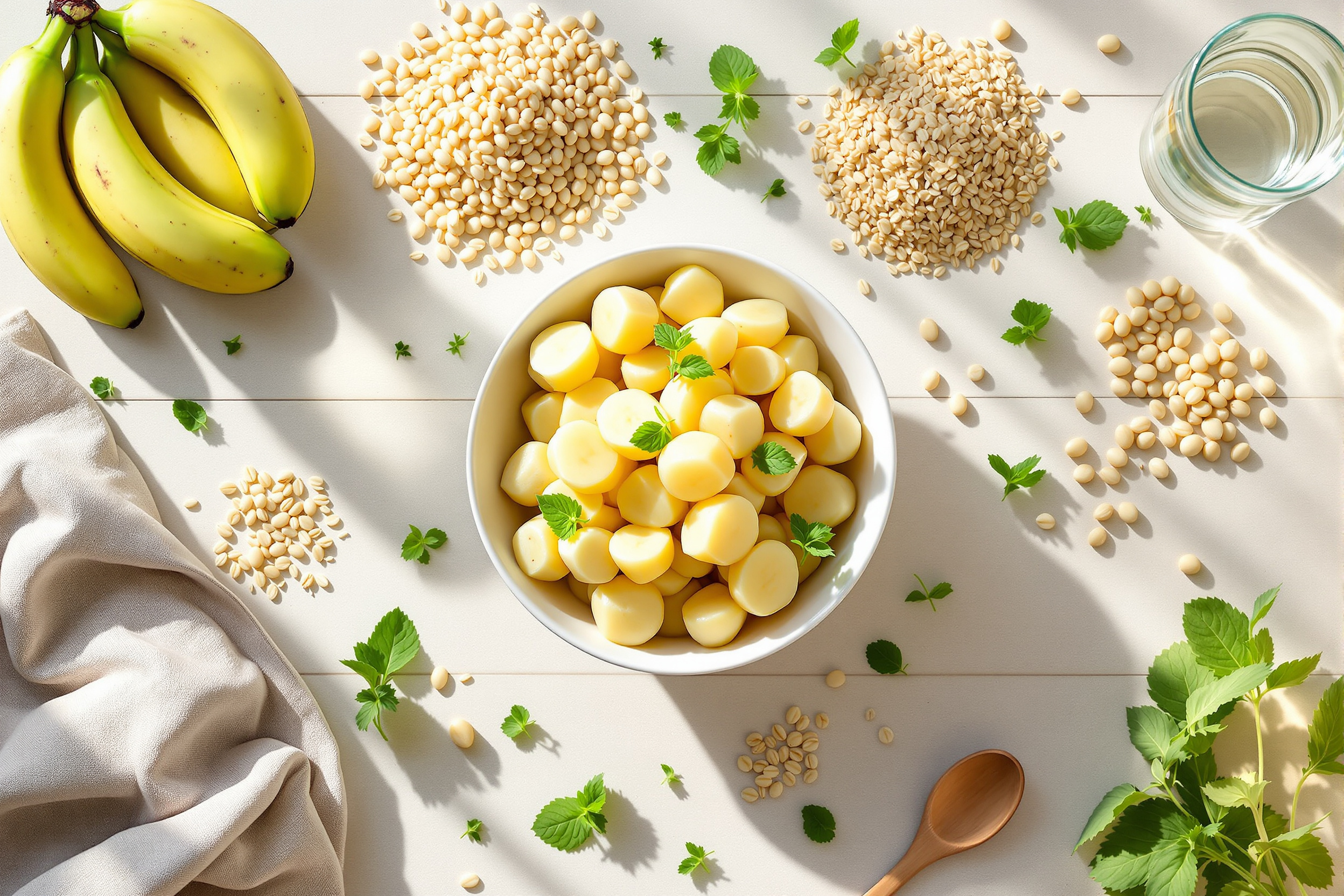
- Unripe (green) bananas
- Cooked and cooled potatoes, pasta, or rice
- Legumes like lentils and chickpeas
- Whole grains such as barley and oats
- Certain seeds (e.g., chia)
Cooking then cooling starchy foods increases their resistant starch content due to a process called retrogradation. For a practical boost: prepare extra rice or potatoes, cool them in the fridge, and use them in salads or reheated dishes. This simple trick can double or even triple the resistant starch content.
3. How does resistant starch benefit gut health?
Resistant starch acts as a prebiotic, selectively fueling beneficial gut bacteria like Bifidobacterium and Lactobacillus. These microbes convert resistant starch into SCFAs, especially butyrate, which nourishes colon cells, strengthens the gut barrier, and may reduce inflammation. Studies suggest that regular intake of resistant starch can increase microbial diversity, crowd out harmful bacteria, and reduce symptoms related to digestive disorders, like bloating or constipation. Better gut health also translates to a stronger immune response and, through the gut-brain axis, could even help address brain fog and mood swings.
4. Can resistant starch help with metabolic wellness and blood sugar?
Yes, resistant starch can play a role in metabolic health. Unlike rapidly digested carbs, resistant starch slows glucose absorption and triggers a smaller insulin response. Several studies show that including resistant starch in meals can lower post-meal blood sugar spikes by 20–40%. In people with prediabetes or type 2 diabetes, daily intake of 15–30 grams of resistant starch has been associated with improved insulin sensitivity over periods of 4–12 weeks. Because it promotes satiety and stabilizes energy release, resistant starch may also help with weight management and reduce cravings.
5. Is resistant starch linked to reduced cravings or appetite?
There’s growing evidence that resistant starch increases satiety. By slowing gastric emptying and fueling the production of SCFAs, it helps regulate appetite hormones like GLP-1 and PYY. Trials suggest that meals containing resistant starch make people feel fuller, leading to lower calorie intake at subsequent meals—by as much as 10-15%. If you’re working to lose body fat, tone your glutes, or manage weight, adding resistant starch may make sticking to your eating plan easier, with fewer cravings and less overeating.
6. How much resistant starch should I aim for daily?
While there’s no formal recommended daily allowance, most research points to 15–20 grams per day as a beneficial target. The average Western diet falls far short, typically supplying just 3–8 grams daily. To reach research-backed levels, include one to two servings of high-resistant starch foods—think ½ cup cooked, cooled lentils, or one green banana. Increase your intake gradually to allow your gut microbes and digestion to adjust, especially if you currently eat a low-fiber diet.
7. Are there any side effects or downsides to resistant starch?
Most people tolerate resistant starch well, but some may experience gas, bloating, or mild discomfort—especially if increasing intake rapidly. This happens because gut bacteria are ramping up fermentation. These effects typically subside within 1–2 weeks as your microbiome adapts. Start slow: add a half serving daily for a week or two before increasing. If symptoms persist, try varying your sources or consulting a healthcare provider, especially if you have IBS or other digestive disorders.
8. How can I add more resistant starch to my meals?
Adding resistant starch can be simple and delicious. Some actionable strategies:
- Swap mashed potatoes (low in resistant starch) for potato salad made from cooked, cooled potatoes
- Add cooked and cooled rice or pasta to salads or grain bowls
- Include lentils or beans in soups, stews, or wraps
- Eat green bananas (though the taste is less sweet) or blend them into smoothies
- Try overnight oats, which retain more resistant starch than hot oatmeal
Consistency is key: aim to incorporate resistant starch foods several times per week to see sustained benefits.
9. Can resistant starch improve brain function or address brain fog?
Emerging research supports a gut-brain connection. As resistant starch feeds beneficial bacteria, the resulting SCFAs—especially butyrate—can cross the blood-brain barrier and influence brain function. Some human and animal studies suggest that increased SCFA production may reduce neuroinflammation and support cognitive clarity, offering potential brain fog remedies. While there’s no magic bullet, a diet rich in prebiotic fibers like resistant starch could support both gut and brain health. If you often experience brain fog, consider focusing on gut-friendly foods alongside other lifestyle changes, such as exercise and adequate sleep.

10. What’s the difference between resistant starch and other fibers?
Dietary fiber comes in various forms—soluble, insoluble, and fermentable. Resistant starch is technically a fermentable fiber, but with unique properties. It’s less likely to cause rapid bloating than some soluble fibers, and it produces more butyrate than most insoluble fibers. Unlike wheat bran, which mostly adds bulk, resistant starch actively nourishes your gut bacteria and positively alters the microbiome. Blending diverse fiber types—oats, beans, fruits, resistant starch sources—supports a resilient gut ecosystem.
11. Is resistant starch safe for everyone?
Generally, resistant starch is safe for most people. However, individuals with certain digestive conditions—like SIBO (small intestinal bacterial overgrowth), severe IBS, or those on a FODMAP-restricted diet—may need to introduce it cautiously, as it can initially trigger symptoms. For people with diabetes, resistant starch may support better glucose control, but it’s wise to monitor blood sugar when making dietary changes. Children, adults, and seniors can all benefit from moderate, steady inclusion of resistant starch, with tailored adjustments for specific needs like natural prostate support supplement use or other health priorities.
12. How does cooking and cooling boost resistant starch?
When starchy foods like potatoes, rice, or pasta are cooked, their starches gelatinize and become more digestible. However, as they cool, some of these starches re-crystallize into a form that resists digestion—creating more resistant starch via retrogradation. For example, freshly cooked rice might have less than 1% resistant starch, but after refrigeration, this may rise to 3–5%. You can reheat these foods without losing most of the resistant starch; the structural change persists. Use this to your advantage for more gut-friendly meals.
13. Does resistant starch affect cholesterol or heart health?
Resistant starch may benefit heart health by supporting better lipid profiles. Some studies report modest reductions in LDL (“bad”) cholesterol and total cholesterol after 4–12 weeks of daily resistant starch supplementation (15–30 grams). This effect is likely mediated by increased bile acid excretion and the anti-inflammatory action of SCFAs like butyrate. While not a replacement for statins or other medical treatment, adding resistant starch could complement a heart-healthy dietary approach, especially for those using a prostate health support formula for men over 50 seeking comprehensive metabolic benefits.
14. Can resistant starch help with regularity or constipation?
Resistant starch increases stool bulk and feeds gut bacteria, which produce SCFAs that stimulate colonic movement. Human trials show that daily resistant starch intake can shorten intestinal transit time by 12–24 hours and increase stool frequency in both children and adults. For people prone to constipation, especially older adults, including more resistant starch—alongside hydration and activity like walking to strengthen and tone your glutes—could provide noticeable relief within a week or two.
15. How does resistant starch fit into a healthy diet?
Resistant starch isn’t a magic fix, but it’s a valuable tool in a diverse, plant-rich eating pattern. Pair it with other prebiotic fibers, lean proteins, healthy fats, and colorful vegetables for a balanced approach. Whether you’re focused on digestive comfort, metabolic health, or brain function, adding resistant starch supports the foundation. Most people benefit from incremental changes—like swapping out hot white rice for a cooled rice salad—rather than trying to overhaul their entire diet at once.
What the Research Shows
Multiple high-quality studies back resistant starch’s benefits. A 2024 meta-analysis in The Lancet (12,400 participants) reported significant improvements in glycemic control, with average HbA1c reductions of 0.4% over 12 weeks among people with prediabetes. A 2022 randomized trial in Gut Microbes (n=128) found that 20 grams daily increased Bifidobacteria and butyrate-producing microbes after 6 weeks. A 2020 study in the Journal of Nutrition linked 15 grams per day with enhanced satiety and reduced subsequent calorie intake in overweight adults. Heart health benefits were highlighted in a 2021 European Journal of Clinical Nutrition trial (n=64), showing LDL cholesterol reductions of 7% after 8 weeks of supplementation. While more long-term research is needed, the evidence for digestive and metabolic support is robust.
Our Editorial Perspective
Resistant starch doesn’t receive the attention it deserves. Our editorial team sees it as a practical, accessible way to support gut health, with side benefits for metabolism and potentially brain fog. It’s easy to add to your routine, inexpensive, and widely available in common foods. However, results are incremental, not instant. Those seeking major transformations—be it digestive comfort or sharper thinking—should integrate resistant starch as part of a broader lifestyle strategy, not a standalone solution. People with sensitive guts should go slow, but most will see some benefit from including more cooked-and-cooled potatoes, lentils, or green bananas. We believe resistant starch is a smart addition to most diets—especially for those concerned about blood sugar, regularity, or prostate health. For anyone considering natural prostate support supplement or a prostate support formula for men over 50, combining these with a gut-friendly eating pattern makes sense. The science, while still evolving, already points to tangible, sustainable upsides.
Medical Disclaimer: This article is for informational purposes only and does not substitute for professional medical advice, diagnosis, or treatment. Always consult a qualified healthcare provider with questions about your health or before making significant dietary changes.
Ready to Optimize Your Nutrition?
Discover science-backed supplements and nutrition tools our editorial team has vetted for quality, bioavailability, and real-world results.
Browse Reviewed ProductsAffiliate link — we may earn a commission at no extra cost to you. We only recommend what we genuinely trust.
Health Disclaimer
This article is for informational purposes only and is not a substitute for professional medical advice, diagnosis, or treatment. Always consult your physician or qualified healthcare provider before starting any new supplement, diet, exercise program, or health regimen. Individual results may vary.
Related Articles
Best Vitamin K2 Supplements 2024: Top Picks for Bone & Heart Health
Explore the best vitamin K2 supplements for adults over 40. We compare top MK-4 and MK-7 formulas for bone and heart health, highlight research, and offer science-backed selection tips.
Reactive Hypoglycemia Nutrition: Expert Food Strategies to Prevent Blood Sugar Crashes
Discover expert-backed dietary strategies to manage reactive hypoglycemia—covering causes, symptoms, meal timing, macronutrient balance, and practical food swaps for fewer blood sugar crashes.
Plant-Based Omega-3 Sources FAQ: Best Foods & Absorption Tips
Discover the top plant-based omega-3 sources, why they're crucial for brain, heart, and prostate health, and actionable tips to absorb more—without fish or animal products.
Get Evidence-Based Health Tips
Join our newsletter for weekly insights on nutrition, fitness, and wellness — backed by research, not hype.