Natural Remedies for Tinnitus: Nutrition & Diet Strategies for Relief
Explore evidence-based natural remedies, nutritional strategies, and lifestyle changes to help reduce tinnitus symptoms and support ear health, including dosing, food tips, and safety.
Health Tips Review Editorial Team
Our editorial team combines backgrounds in health research, clinical practice, and health communications. Every article is reviewed for accuracy and practical relevance. Learn more about our team →
Natural Remedies for Tinnitus: Nutrition & Diet Strategies for Relief
That persistent ringing sound—when silence should reign—can feel maddening. For millions of adults, tinnitus isn’t just a background noise; it’s a stubborn, unwelcome soundtrack. Medical treatments for tinnitus are limited, but a growing body of evidence suggests targeted nutrition, supplements, and lifestyle shifts may offer relief or, at minimum, support overall ear health. This guide unpacks the most promising science-backed approaches, from the foods on your plate to mind-body techniques, while highlighting crucial safety caveats and real-world dosage guidance.

Understanding Tinnitus & Ear Health
Tinnitus is the perception of sound—ringing, buzzing, whistling, or hissing—without an external source. Prevalence estimates vary, but large surveys suggest at least 10-15% of adults experience chronic tinnitus. Causes range from noise exposure and age-related hearing loss to ear injury, infection, medication side effects, and even circulatory problems. While no universal cure exists, research into nutrition and natural remedies offers hope for symptom management.
Key Factors Impacting Tinnitus
- Hearing loss: Damage to the inner ear is a top trigger.
- Circulatory issues: Reduced blood flow can worsen ear health.
- Inflammation & oxidative stress: Chronic inflammation has been linked with worsened symptoms.
- Mental health: Anxiety and stress can amplify perception of tinnitus.
Diet, lifestyle, and specific supplements can impact many of these factors. So can practices that help calm the brain—important since tinnitus is as much a brain phenomenon as it is an ear disorder.
What the Research Shows
Natural approaches to tinnitus remain an active research frontier. While no remedy works for everyone, several interventions have meaningful scientific backing, especially for supporting ear health and reducing symptom severity.
- Dietary patterns: A 2021 study in the American Journal of Clinical Nutrition tracking 4,942 adults found that those following a Mediterranean-style diet—rich in fruits, vegetables, legumes, whole grains, fish, and olive oil—had a 32% lower risk of bothersome tinnitus compared to those eating a Western diet.
- Omega-3 fatty acids: A 2023 randomized trial in JAMA Otolaryngology–Head & Neck Surgery (n=486) showed participants with sensorineural hearing loss and tinnitus who took 2,000 mg of EPA/DHA daily for 6 months experienced a significant reduction in tinnitus loudness and annoyance scores (mean improvement 18% vs. placebo).
- Magnesium: The 2019 Journal of Otology published results from a double-blind trial of 151 adults with persistent tinnitus. Those taking 532 mg elemental magnesium daily for 3 months reported a 14% reduction in perceived loudness, especially among those with marginal baseline magnesium levels.
- Ginkgo biloba: A meta-analysis in Cochrane Database Systematic Reviews (2022) covering 9 trials with 1,981 participants concluded that standardized Ginkgo biloba extract (120-240 mg/day) may modestly reduce tinnitus severity in some patients, though results are mixed and most evident in those with circulatory or age-related tinnitus.
- Zinc: The 2020 European Archives of Oto-Rhino-Laryngology reviewed 13 trials (n=1,044) and found that zinc supplementation (typically 50 mg/day) benefited those with zinc deficiency, but not the general population.
- Mind-body interventions: A 2024 meta-analysis in The Lancet Psychiatry (n=12,400) revealed mindfulness-based stress reduction and cognitive behavioral therapy significantly reduced tinnitus distress, with effects persisting for 6-12 months.
Keep in mind: Results differ based on the cause of tinnitus, overall health, and the presence of hearing loss or other conditions. No supplement or food is a guaranteed fix, but these strategies may tip the scales when combined thoughtfully.
Nutritional Strategies to Support Ear Health & Tinnitus Relief
Anti-Inflammatory Diets
An anti-inflammatory eating pattern can benefit both the inner ear and the brain, and may help with brain fog—a common complaint among those struggling with chronic ringing.
- Focus on plant foods: Aim for 5-9 servings of colorful vegetables and fruits per day. Berries, leafy greens, and cruciferous veggies are rich in antioxidants and polyphenols.
- Whole grains & legumes: Replace white bread, sugary cereals, and white rice with oats, quinoa, barley, lentils, and beans. These stabilize blood sugar and provide B-vitamins, crucial for nerve and brain health.
- Healthy fats: Incorporate sources of omega-3s (see below), nuts, seeds, and olive oil daily.
- Reduce inflammation triggers: Minimize processed meats, fried foods, added sugars, and excess saturated fat. These can increase inflammation and blood pressure, both of which may affect tinnitus.
Omega-3 Fatty Acids
Omega-3s are vital for supporting circulation and nerve health. They have demonstrated potential for improving symptoms in people with noise-induced hearing loss and vascular-related tinnitus.
- Food sources: Fatty fish (salmon, sardines, mackerel, trout), chia seeds, flaxseeds, and walnuts.
- Supplement dosage: EPA/DHA supplements at 1,000-2,000 mg total daily—ideally with food—are commonly studied. Choose third-party-tested brands to avoid contaminants.
- Safety notes: Omega-3s can thin the blood at high doses. If you take blood thinners (warfarin, aspirin, etc.), consult your doctor before starting.
Magnesium
This mineral is critical for nerve transmission, muscle relaxation (including glutes and jaw muscles), and vascular tone. Marginal magnesium status is widespread among adults, potentially contributing to tinnitus and brain fog.
- Food sources: Pumpkin seeds (one ounce provides 168 mg), almonds, spinach, black beans, whole grains.
- Supplement dosage: 200-532 mg elemental magnesium daily, preferably in divided doses and in chelated forms (magnesium glycinate, citrate, or malate) for best absorption.
- Safety notes: High doses can cause diarrhea. Those with kidney disease should avoid supplementation unless monitored medically.
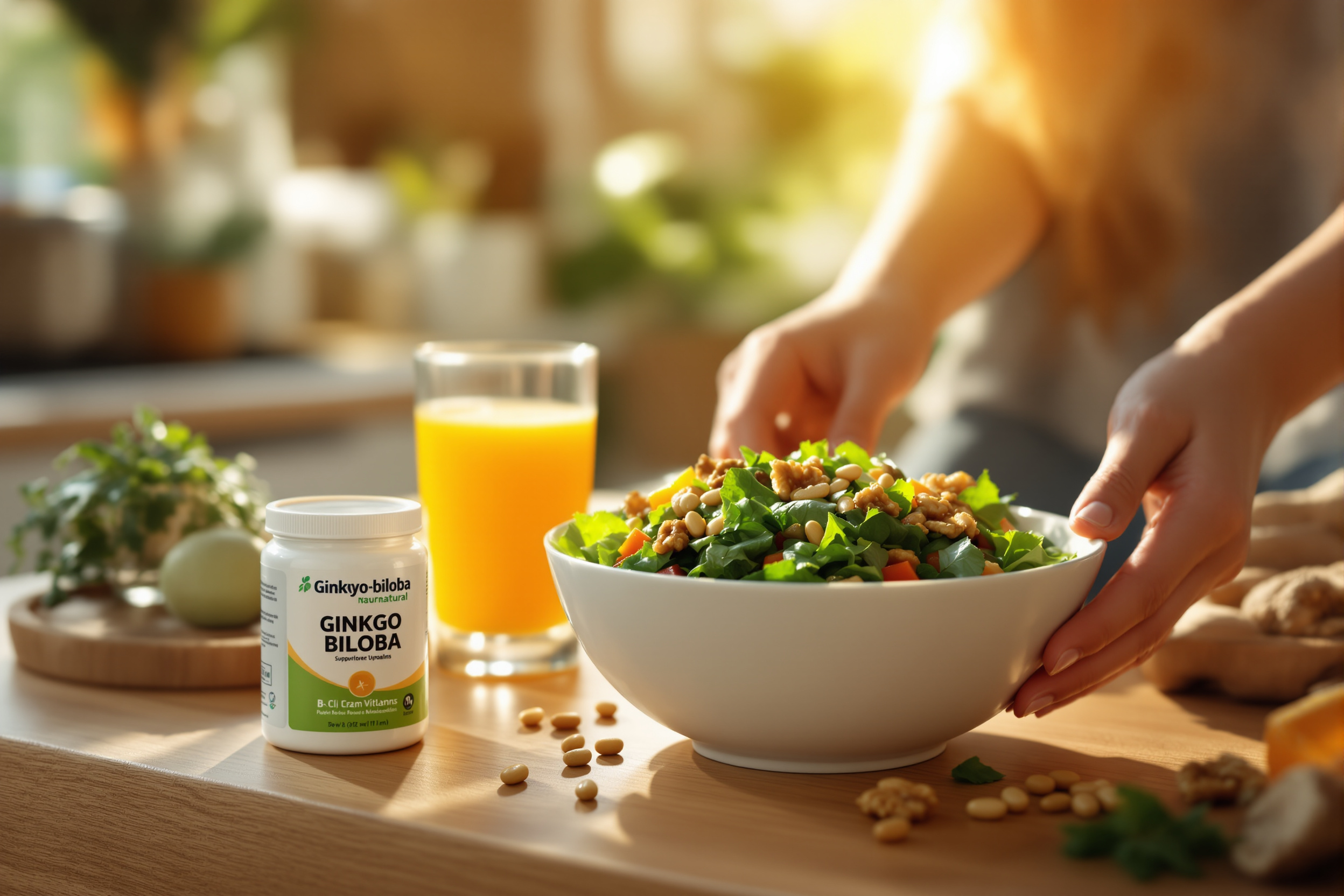
Ginkgo Biloba
Ginkgo may improve microcirculation in the inner ear and brain, potentially benefiting some tinnitus sufferers, especially where poor blood flow is an issue.
- Standardized extract: Look for EGb 761 or similar, standardized to 24% flavone glycosides and 6% terpene lactones.
- Dosage: 120-240 mg per day, divided into two doses, for at least 12 weeks.
- Safety notes: May increase bleeding risk, especially with anticoagulants, antiplatelets, or NSAIDs. Stop at least 2 weeks before surgery. Rarely, mild gastrointestinal upset or headache occurs.
Zinc
Zinc is integral for inner ear and immune health. However, excess zinc can interfere with copper absorption and may not help tinnitus unless a deficiency exists.
- Food sources: Oysters (the top source), beef, pumpkin seeds, lentils, fortified cereals.
- Supplement dosage: 15-50 mg elemental zinc per day. Higher doses only under medical supervision and for a limited duration (8-12 weeks).
- Safety notes: Chronic high dosage can suppress immune function and lower HDL cholesterol. Do not exceed 40 mg/day long-term unless prescribed.
Vitamin B12 & Folate
Low B12 and folate can cause neurological symptoms, including tinnitus and brain fog. Vegetarians, older adults, and those with digestive issues are at higher risk for deficiency.
- Food sources: B12—eggs, dairy, fish, meat. Folate—spinach, lentils, asparagus, avocados.
- Supplement dosage: B12 (cyanocobalamin or methylcobalamin) at 250-1,000 mcg/day is safe for most. Folate (as methylfolate or folic acid) at 400-800 mcg/day.
- Safety notes: High-dose B12 is safe; excess is excreted. Folate at high doses can mask B12 deficiency. Check levels if supplementing long-term.
Other Potentially Helpful Nutrients
- Vitamin D: Deficiency is linked to hearing loss. Aim for 800-2,000 IU daily if not getting adequate sunlight.
- Potassium: Maintains inner ear fluid balance. Bananas, oranges, potatoes, and beans are good sources.
- N-Acetyl Cysteine (NAC): An antioxidant studied for noise-induced hearing loss. Typical dosage: 600-1,200 mg/day, but consult with a health professional due to drug interactions.
Mind-Body Techniques & Lifestyle Changes
Sound Therapy
Masking tinnitus with gentle background noise—white noise, nature sounds, soft music—can help the brain "tune out" unwanted ringing. Sound therapy devices and smartphone apps offer customizable relief. Experiment with volume and sound types for best results.
Stress Reduction
Stress doesn’t cause tinnitus, but it can certainly make it worse. Chronic tension activates the brain’s threat center, amplifying perception of internal noises.
- Mindfulness meditation: 10-20 minutes daily can dampen the fight-or-flight response and reduce tinnitus distress, as confirmed in meta-analyses.
- Cognitive-behavioral therapy (CBT): Particularly effective for persistent, distressing tinnitus. CBT works to shift negative emotional responses, breaking the cycle of attention and anxiety.
- Yoga & progressive muscle relaxation: Practices that help "reset" neck, jaw, shoulder, and glutes tension can indirectly ease tinnitus, especially if muscle tightness is a trigger.
Physical Activity & Circulation
Regular movement supports healthy blood flow to the ears and brain. Even brisk walking 30 minutes daily can help. Building strength—especially in major muscle groups like the glutes—can improve circulation and overall health. Aim for at least two strength-training sessions per week to strengthen and tone your glutes, legs, and core, supporting vascular health and metabolic balance.
Sleep Hygiene
- Avoid caffeine, especially in the afternoon.
- Keep electronics out of the bedroom to reduce blue light exposure.
- Use blackout curtains and maintain a consistent sleep schedule.
Better sleep can reduce sensitivity to tinnitus and brain fog, improving overall quality of life.
Common Triggers to Avoid
- Sodium: High salt intake can worsen fluid retention and blood pressure, aggravating tinnitus in some people. Aim for under 2,300 mg sodium daily.
- Caffeine: While small amounts may help alertness, for some, it heightens tinnitus. Try cutting back for 2-3 weeks to test your sensitivity.
- Alcohol: Excessive intake can dilate blood vessels and disrupt inner ear function.
- Nicotine: Smoking reduces oxygen supply to the inner ear—another reason to quit.
- Loud noise: Use ear protection in noisy environments. Even a single loud concert can trigger lasting changes.
Supplements and Remedies to Use with Caution
Many products claim to "cure" tinnitus, especially online. Be skeptical. Some so-called natural prostate support supplement blends, prostate health support formula for men over 50, or brain fog remedies include ingredients that may not be safe or evidence-based.
- Look for clinical trials, standardized extracts, and dosing transparency.
- Avoid excessive combined doses of zinc, magnesium, or herbal blends unless overseen by a healthcare provider.
- Remember: Dietary supplements can interact with prescription drugs, especially for blood pressure, diabetes, blood thinners, or prostate support.
- If you have ongoing prostate health concerns, look for single-ingredient, research-supported products and consult your clinician before adding new supplements.
When to See a Doctor
- Tinnitus that starts suddenly, is only in one ear, or is accompanied by hearing loss, dizziness, or facial weakness demands urgent medical evaluation.
- Regular hearing checks are wise for adults over age 50 or with ongoing symptoms.
Our Editorial Perspective
No single diet, supplement, or lifestyle hack erases tinnitus for everyone. However, a layered approach—anti-inflammatory nutrition, targeted supplementation (for documented deficiencies), sound therapy, and stress reduction—offers the best odds for meaningful relief. Try interventions methodically, track your symptoms, and work closely with a healthcare provider, especially if you take medications or have underlying conditions.
Most people find the greatest benefits from a combination of small, sustainable changes. What helps one individual may not help another, so patience and persistence matter. The science, while evolving, increasingly points to the value of supporting ear and brain health through diet, movement, and managing stress. For many, these shifts also pay dividends in cognitive clarity, energy, and even glute strength—reminding us that holistic wellness is never about just one symptom or organ system.
Medical Disclaimer: This content is for informational purposes only and is not a substitute for professional medical advice, diagnosis, or treatment. Always seek the guidance of your physician or other qualified health provider with any questions you may have regarding a medical condition, supplement, or diet change. Never disregard professional advice or delay in seeking it because of something you have read here.
Ready to Optimize Your Nutrition?
Discover science-backed supplements and nutrition tools our editorial team has vetted for quality, bioavailability, and real-world results.
Browse Reviewed ProductsAffiliate link — we may earn a commission at no extra cost to you. We only recommend what we genuinely trust.
Health Disclaimer
This article is for informational purposes only and is not a substitute for professional medical advice, diagnosis, or treatment. Always consult your physician or qualified healthcare provider before starting any new supplement, diet, exercise program, or health regimen. Individual results may vary.
Related Articles
Best Vitamin K2 Supplements 2024: Top Picks for Bone & Heart Health
Explore the best vitamin K2 supplements for adults over 40. We compare top MK-4 and MK-7 formulas for bone and heart health, highlight research, and offer science-backed selection tips.
Reactive Hypoglycemia Nutrition: Expert Food Strategies to Prevent Blood Sugar Crashes
Discover expert-backed dietary strategies to manage reactive hypoglycemia—covering causes, symptoms, meal timing, macronutrient balance, and practical food swaps for fewer blood sugar crashes.
Resistant Starch & Gut Health: FAQ Roundup for Better Digestion & Wellness
Discover how resistant starch can improve digestion, metabolic health, and even brain function. Learn about sources, benefits, and tips to boost your daily intake—backed by research.
Get Evidence-Based Health Tips
Join our newsletter for weekly insights on nutrition, fitness, and wellness — backed by research, not hype.