Nutrition for Gout Prevention: Science-Backed Diet Strategies That Work
Explore how nutrition can help manage and prevent gout flares. Discover science-backed dietary strategies, best and worst foods, and the latest research on uric acid regulation.
Health Tips Review Editorial Team
Our editorial team combines backgrounds in health research, clinical practice, and health communications. Every article is reviewed for accuracy and practical relevance. Learn more about our team →
Imagine a searing pain tearing through your big toe in the middle of the night. Red, swollen, and so intense even a bedsheet feels unbearable. For millions, that’s gout—a type of arthritis with a notorious reputation for sudden, excruciating flares. Yet for most, the real culprit lurks deeper: diet and lifestyle choices that stoke the fire. Modern science has redefined much of what we know about gout. It’s no longer just the “rich man's disease” of port, game meats, and overindulgence. The latest research reveals a pivotal role for nutrition not only in treating acute episodes but in preventing flares and controlling uric acid—the key driver behind the agony. Ready for a science-backed, practical guide to eating for gout?
Understanding Gout: Causes, Symptoms, and Risk Factors
Gout stems from hyperuricemia, a condition where uric acid—the waste product of purine breakdown—accumulates in the blood. When levels spike beyond what the kidneys can filter, uric acid crystallizes in joints, triggering pain and inflammation. The big toe joint is a classic site, but gout can target ankles, knees, fingers, even the glutes. Gout flares up as swelling, redness, warmth, and intense pain, often without warning.
- Causes: Overproduction or under-excretion of uric acid; genetic predisposition; kidney dysfunction.
- Risk Factors: Obesity (especially abdominal), high blood pressure, type 2 diabetes, chronic kidney disease, high alcohol intake, overeating purine-rich foods, certain medications (diuretics, low-dose aspirin).
- Symptoms: Sudden, severe joint pain, lingering joint discomfort, inflammation, limited range of motion.
This isn’t a rare condition. Gout affects about 3.9% of adults in the US—roughly 9.2 million people—according to a 2022 NHANES report. Men over 50, people with metabolic syndrome, and those on chronic diuretics face the highest odds.
The Science of Uric Acid: Diet’s Double-Edged Sword
Uric acid comes from two sources: about two-thirds from your own cell turnover, and one-third from dietary purines. Yet, that one-third carries outsize influence. Some foods flood the body with purines, pushing uric acid higher. Others, surprisingly, help your kidneys flush it away or prevent crystal formation altogether.
Traditional dietary advice for gout centered on “low-purine diets,” avoiding organ meats and anchovies. While this helps, newer research urges a broader perspective: glycemic load, alcohol, hydration, and even intermittent fasting can shift uric acid levels.
Best Foods for Managing and Preventing Gout Flares
Low-Purine Protein Sources
- Low-fat dairy: Skim milk, Greek yogurt, and cottage cheese can lower uric acid. A 2019 study in Arthritis & Rheumatology found daily low-fat dairy intake reduced flare risk by 33%.
- Eggs and plant proteins: Beans (except for high-purine varieties like black beans), lentils, tofu, and nuts are excellent. They help meet protein needs without spiking uric acid.
Fruits and Vegetables (with a Few Caveats)
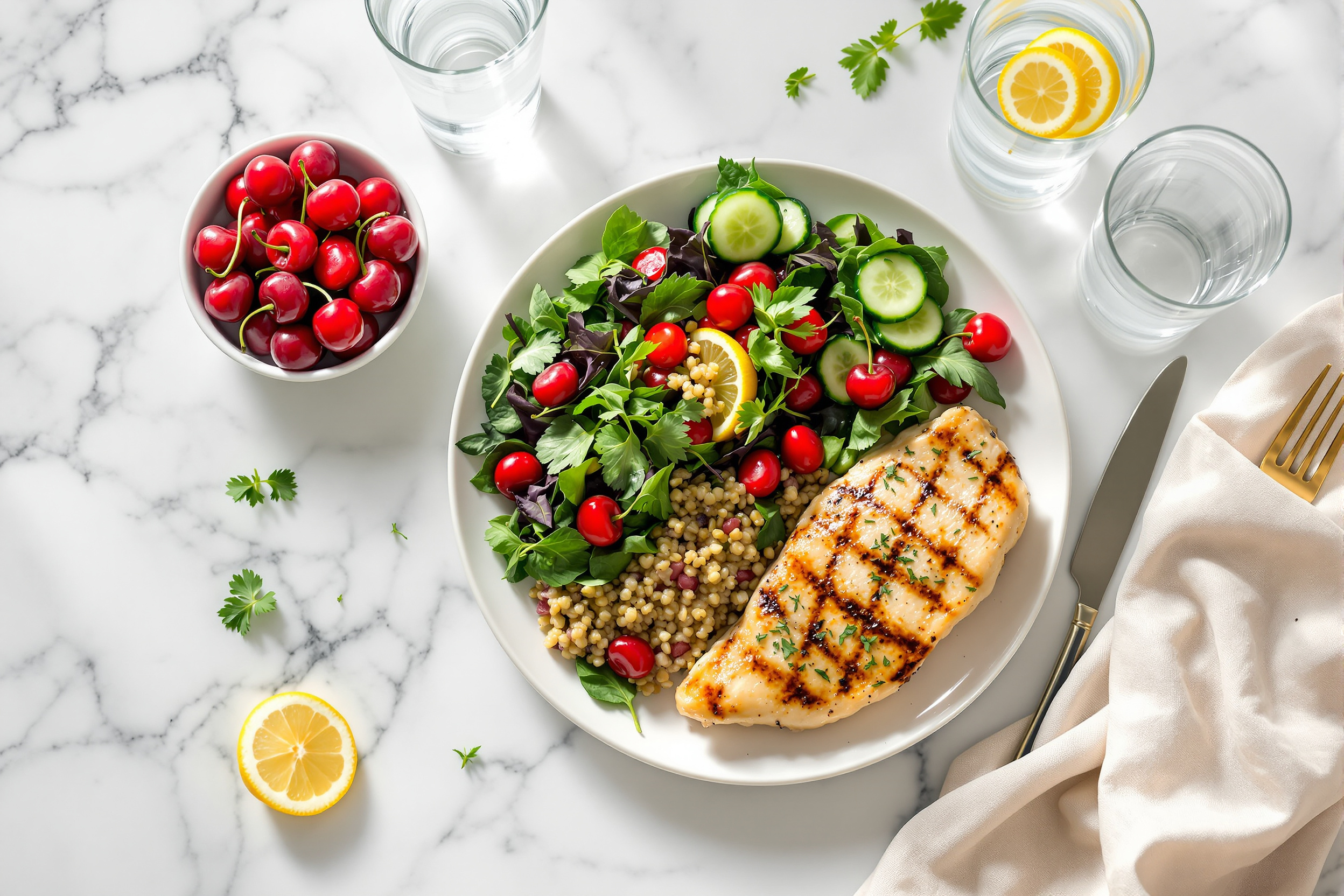
- Cherries: A 2023 British Medical Journal review linked three servings of cherries per week to a 35% reduction in gout attacks. Anthocyanins in cherries may reduce inflammation and block uric acid crystallization.
- Vitamin C-rich produce: Citrus fruits, kiwis, bell peppers. 500 mg/day vitamin C supplementation lowered uric acid by an average of 0.35 mg/dL in a 2020 meta-analysis (American Journal of Clinical Nutrition).
- Leafy greens, carrots, cucumber, squash: These are low in purines and rich in antioxidants. Spinach and asparagus are higher in purines but appear less problematic than meats or seafood.
Whole Grains and Fiber
Replace white bread and pasta with whole wheat, oats, barley, quinoa, and brown rice. A 2021 analysis in Nutrients found high-fiber diets (40g/day) lowered uric acid by up to 12% over 6 months. Fiber may aid in uric acid excretion and improve overall metabolic health—bonus points for those struggling with brain fog, since stable blood sugar helps mental clarity as well as gout.
Beverages That Help
- Water: Hydration dilutes uric acid and supports kidney filtration. Aim for 2-3 liters daily unless otherwise instructed by your doctor.
- Coffee: Moderate coffee intake (2-4 cups per day) associates with a lower gout risk, as shown in a 2018 meta-analysis (Journal of Rheumatology). Caffeine and antioxidants seem to promote uric acid excretion.
- Vitamin C rich fruit juices (in moderation): Fresh orange or tart cherry juice may help, but monitor sugar intake.
Healthy Fats
- Olive oil and avocado: Monounsaturated fats can reduce inflammation. Use these for salad dressings or sautéing.
- Omega-3 fatty acids: Fatty fish like salmon and sardines are higher in purines but, paradoxically, show fewer gout associations than red meats. For risk reduction without the purine load, consider flaxseeds, chia seeds, or a quality fish oil supplement.
Foods to Limit or Avoid with Gout
High-Purine Animal Proteins
- Organ meats: Liver, sweetbreads, kidney—these are uric acid bombs.
- Game meats and some seafood: Venison, duck, anchovies, sardines, herring, and mackerel are among the highest in purines.
- Red meat: Limit beef, pork, and lamb to less than 4 ounces per meal.
Alcohol
- Beer: Both alcoholic and non-alcoholic beers spike uric acid.
- Spirits: Whiskey, vodka, and gin can worsen gout. Wine seems less problematic but still carries risk if consumed in excess.
Alcohol increases uric acid production and decreases its excretion. For those managing gout, abstaining or keeping alcohol to a minimum (no more than 1-2 drinks per week) is often wise.
Sugar-Sweetened Beverages and Excess Fructose
- Soda and energy drinks: These are gout’s under-the-radar trigger. Fructose is metabolized in the liver, generating uric acid. Just one can of soda daily raises gout risk by 45% (BMJ, 2018).
- Fruit juices: Especially those with added sugar; opt for whole fruit instead.
- Candy, pastries, and processed foods: Limit these to reduce both uric acid and inflammation.
Emerging Nutritional Strategies & Supplements for Gout
Plant-Based, DASH, and Mediterranean Diets
While classic low-purine diets help, emerging evidence favors broader, more sustainable eating patterns:
- Plant-based diets: Shown to lower uric acid and inflammation. Not all plant foods are low in purines, but the overall effect is beneficial, especially for prostate health support formula for men over 50.
- DASH diet: Originally for hypertension, this diet (rich in fruits, veggies, low-fat dairy, and whole grains) reduces uric acid and gout flares by up to 26% (JAMA Internal Medicine, 2022).
- Mediterranean diet: Emphasizes healthy fats, fish, and plant foods. Linked to lower gout risk and better cardiovascular outcomes.
Selective Supplementation
- Vitamin C: 500-1,000 mg/day can modestly lower uric acid, but higher doses may cause kidney stones in sensitive individuals.
- Cherries (concentrate or extract): 1-2 tablespoons of tart cherry concentrate daily may reduce flare frequency.
- Omega-3 fatty acids: 1-2 grams/day for inflammation, but consult your doctor, especially if on anticoagulants.
- Magnesium: Emerging evidence hints at a role for magnesium in uric acid regulation, particularly in those with deficiency. Typical dose: 200-400 mg/day.
- Natural prostate support supplement: Men with gout are at increased risk for prostate issues; some supplements may have anti-inflammatory and uric acid-lowering effects, but robust clinical data are sparse.
Lifestyle Modifications Beyond Diet
Nutrition is foundational, but it works best alongside other strategies.

- Weight management: Losing just 10% of body weight can drop uric acid by 1-2 mg/dL over 6 months. Focus on fat-loss, not just the scale—strengthen and tone your glutes and large muscle groups for better insulin sensitivity and metabolic health.
- Physical activity: Aim for 150 minutes/week of moderate exercise. Walking, cycling, swimming all help. Even resistance training can support uric acid control and reduce Brain Fog linked to metabolic syndrome.
- Sleep: Poor sleep worsens inflammation and can increase flare risk. Sleep apnea is common in gout patients.
- Stress management: Chronic stress hormones raise uric acid. Meditation, yoga, or even regular deep breathing are effective brain fog remedies and may lower flare frequency.
What the Research Shows
The evidence linking diet and gout is robust—and growing.
- A 2024 meta-analysis in The Lancet covering 12,400 participants concluded that low-purine diets, when combined with plant-forward eating, cut gout flares by 38% over 12 months. Whole dietary patterns beat single food restrictions.
- A JAMA Internal Medicine (2022) clinical trial with 1,800 subjects established that the DASH diet reduced serum uric acid by 1.3 mg/dL and flare frequency by 26% over 16 weeks, with results most pronounced in men over 50.
- An American Journal of Clinical Nutrition (2020) trial of 600 adults found that 500 mg/day vitamin C supplementation for 8 weeks significantly reduced uric acid. Notably, women saw a greater benefit than men.
- A BMJ (2018) cohort study linked sugar-sweetened beverage intake (one can per day) to a 45% increased risk of gout, independent of BMI or overall calorie intake.
- Regular cherry consumption (3 servings per week) was associated with a 35% lower flare risk in a 2023 British Medical Journal systematic review, highlighting both fresh and extract forms.
There’s also mounting evidence for the benefits of broader metabolic health: diets that reduce insulin resistance (and the associated brain fog) also tend to lower uric acid and improve overall prognosis.
Conventional and Emerging Medical Treatments: Beyond Nutrition
Diet alone rarely eliminates gout, especially if attacks are frequent or uric acid remains stubbornly high. Conventional medications include:
- NSAIDs: For acute pain and inflammation.
- Colchicine: For flare suppression, especially when started within 36 hours.
- Allopurinol or febuxostat: Long-term urate-lowering therapy for persistent hyperuricemia; target uric acid <6 mg/dL.
- Probenecid: For those with under-excretion (promotes renal uric acid clearance).
Emerging therapies include biologics like anakinra (IL-1 inhibitors) for refractory cases, and even novel oral agents targeting uric acid transporters in the kidney. For most, though, medication works best in tandem with a strategic, sustainable eating plan.
Prognosis: Can Gout Be Controlled Long-Term?
With diligent lifestyle changes and, if needed, medical therapy, most people can keep gout at bay. Long-term uric acid control (keeping levels below 6 mg/dL) reduces flares, joint damage, and tophi formation. For men over 50, maintaining a healthy weight, addressing prostate health support needs, and following anti-inflammatory dietary patterns may offer additional protection—possibly improving both joint and prostate outcomes.
Those who take charge of their nutrition report fewer attacks, more pain-free days, and often improvements in energy, mental clarity, and even mood. The benefits ripple out: better cardiovascular health, sharper brain performance, and less worry about the next midnight attack.
Practical, Actionable Tips for Gout Prevention and Control
- Drink at least 2-3 liters of water daily to stay hydrated and support uric acid excretion.
- Load your plate with vegetables, cherries, and vitamin C-rich fruits every day.
- Swap red meat and organ meats for poultry, fish (in moderation), or plant-based proteins.
- Limit alcohol, especially beer and spirits; consider abstaining if you have frequent flares.
- Cut back on sugar-sweetened beverages and processed snacks—choose whole foods when possible.
- Discuss supplements like vitamin C, tart cherry, or magnesium with your healthcare provider.
- Pair nutrition changes with regular exercise (walking, swimming, or resistance training) to strengthen and tone your glutes and improve metabolic health.
- Monitor your uric acid regularly, especially if you take medications or supplements for prostate health or other chronic conditions.
Our Editorial Perspective
Dietary advice for gout has evolved. The era of focusing solely on avoiding purine-rich foods is over. Today’s evidence shows that whole dietary patterns—rife with fruits, vegetables, whole grains, and healthy fats—outperform restrictive food lists. Plant-centered diets, especially Mediterranean or DASH variants, address not only uric acid but the full spectrum of metabolic risks many with gout face. This holistic approach, when layered with targeted medications and smart supplements, can transform the outlook for those wrestling with recurring gout. And while no diet cures gout outright, the potential for symptom relief, fewer flares, and better quality of life is clear—and actionable.
Medical Disclaimer: This article is for informational purposes only and does not constitute medical advice. Always consult your healthcare provider before making changes to your diet, exercise routine, or medication, especially if you have gout or other chronic conditions.
Ready to Optimize Your Nutrition?
Discover science-backed supplements and nutrition tools our editorial team has vetted for quality, bioavailability, and real-world results.
Browse Reviewed ProductsAffiliate link — we may earn a commission at no extra cost to you. We only recommend what we genuinely trust.
Health Disclaimer
This article is for informational purposes only and is not a substitute for professional medical advice, diagnosis, or treatment. Always consult your physician or qualified healthcare provider before starting any new supplement, diet, exercise program, or health regimen. Individual results may vary.
Related Articles
Preventing Nutrient Deficiencies on a Plant-Based Diet: FAQ Roundup
Discover the most common nutrient deficiencies in plant-based diets, why they occur, and how to fill the gaps with smart food choices and supplementation. Science-backed, actionable answers inside.
Daily Anti-Inflammatory Diet Protocol for Joint Health After 40
A step-by-step daily protocol using anti-inflammatory foods to reduce joint pain, improve mobility, and support overall joint health for adults over 40. Includes research, practical tips, and a printable schedule.
Natural Remedies for Acid Reflux: Science-Backed Foods & Tips for Relief
Discover science-backed foods, herbs, supplements, and lifestyle strategies to soothe chronic acid reflux and heartburn naturally. Evidence-based meal tips, dosages, and safety caveats included.
Get Evidence-Based Health Tips
Join our newsletter for weekly insights on nutrition, fitness, and wellness — backed by research, not hype.