Nutrition for Macular Degeneration Prevention: FAQs on Eye-Healthy Diets
Explore evidence-based answers to top questions about nutrition strategies for eye health and AMD prevention after 45. Covering foods, supplements, and realistic meal tips.
Health Tips Review Editorial Team
Our editorial team combines backgrounds in health research, clinical practice, and health communications. Every article is reviewed for accuracy and practical relevance. Learn more about our team →
Vision is priceless. For adults over 45, the threat of age-related macular degeneration (AMD) looms larger with every passing year. AMD is the leading cause of severe, irreversible vision loss among older adults—a diagnosis that can upend daily life, independence, and confidence. Yet, research continues to underscore the power of what’s on your plate. Strategic nutrition choices can bolster your eye’s protective defenses, slow the progression of retinal damage, and help keep you reading, driving, and thriving. In this FAQ roundup, we answer the most common questions about nutrition strategies for AMD prevention with straight-talking advice and evidence you can use.
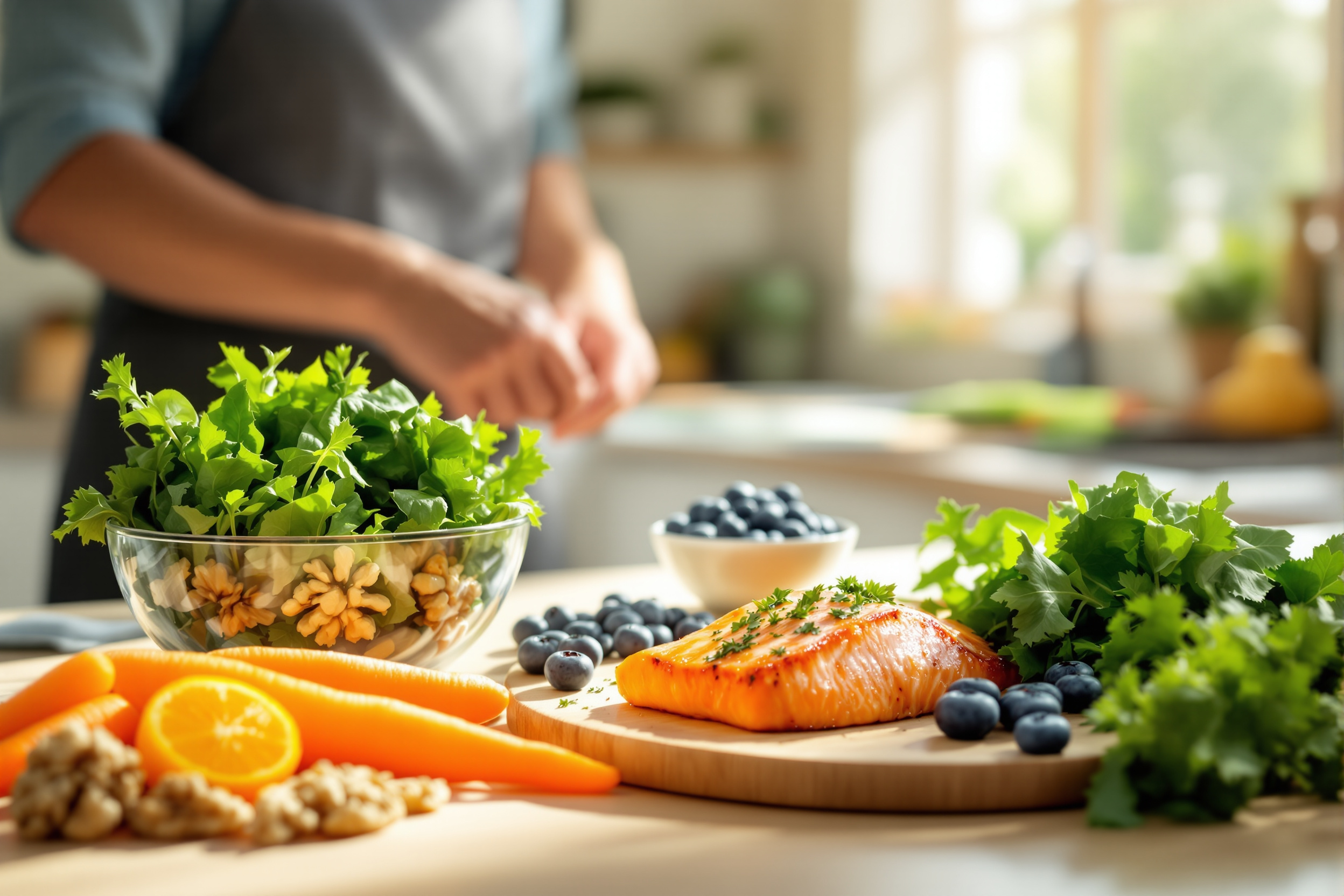
FAQs on Nutrition and Age-Related Macular Degeneration (AMD) Prevention
1. How does diet affect my risk of developing AMD?
Diet plays a crucial role in AMD risk. The retina is highly susceptible to oxidative stress, and certain nutrients strengthen its defense systems. Antioxidants—especially vitamins C, E, and beta-carotene—help neutralize damaging free radicals. Lutein and zeaxanthin, carotenoids concentrated in the macula, act as natural blue light filters, protecting retinal cells.
Diets rich in leafy greens, colorful vegetables, fatty fish, nuts, and whole grains correlate with lower AMD risk. In contrast, high consumption of processed foods, trans fats, and refined sugars is linked to faster AMD progression. Substantial research, including a 2022 review in Ophthalmology (sample size: 9,600 adults), finds that adopting a Mediterranean-style diet can reduce AMD risk by up to 41%.
2. Which specific nutrients are most protective for eye health?
The nutrients most commonly associated with lowering AMD risk include:
- Lutein & Zeaxanthin: Found in kale, spinach, eggs. Aim for 6-12 mg daily.
- Omega-3 Fatty Acids (EPA/DHA): Fatty fish like salmon, sardines; target at least two 4-ounce servings weekly.
- Vitamin C: Citrus, bell peppers, strawberries. The recommended adult intake is 75-90 mg/day.
- Vitamin E: Almonds, sunflower seeds, avocado. Try for 15 mg/day.
- Zinc: Oysters, beef, pumpkin seeds. Women: 8 mg/day; men: 11 mg/day.
- Beta-carotene: Carrots, sweet potatoes, squash.
These nutrients work synergistically. For example, combining vitamin C with vitamin E boosts antioxidant capacity. Lutein and zeaxanthin are best absorbed with dietary fat—so adding olive oil to your salad matters.
3. Can supplements replace a healthy diet for AMD prevention?
Supplements can support, but not fully replace, a whole-foods-based diet. Clinical trials, like the AREDS2 study (2013, 4,203 participants), showed that a specific supplement formula slowed AMD progression in those with intermediate or advanced disease. The AREDS2 formula contains vitamin C (500 mg), vitamin E (400 IU), zinc (80 mg), copper (2 mg), lutein (10 mg), and zeaxanthin (2 mg).
If you have early or no signs of AMD, prioritize food sources first. Supplements may help if you have dietary restrictions, absorption issues, or doctor’s advice. Avoid megadosing; some high-dose supplements may increase other health risks. Always check with your eye care provider before starting a new supplement routine.
4. What is the Mediterranean diet and how does it protect my eyes?
The Mediterranean diet emphasizes whole, minimally processed foods: vegetables, fruits, legumes, whole grains, nuts, extra-virgin olive oil, and moderate fish and poultry. Red meats, sweets, and highly processed foods are rare treats.
Multiple studies, including a 2021 cohort from the American Journal of Clinical Nutrition, link this diet with up to a 35% reduction in AMD risk over 10 years. The Mediterranean pattern delivers steady doses of antioxidants, healthy fats (especially omega-3s), and phytonutrients, supporting both eye health and brain health—crucial for aging adults conscious of brain fog.
5. Are there foods I should avoid to lower AMD risk?
Yes. Multiple studies highlight that diets high in saturated/trans fats, refined carbohydrates, and added sugars accelerate AMD progression. Processed snack foods, fried foods, sugary drinks, and white bread/top-shelf pastries are best minimized.
These ingredients fuel inflammation and oxidative stress, which can weaken the macula. Reducing sodium also supports healthy blood pressure, which is linked to better retinal blood flow. Instead, choose whole, nutrient-dense foods that naturally support healthy vision and other aspects of aging, such as prostate health support in men over 50.
6. How much fish should I eat each week for optimal eye health?
Aim for at least two 4-ounce servings of fatty fish—like salmon, sardines, mackerel, or trout—per week. These fish are rich sources of omega-3 fatty acids (DHA and EPA), which offer anti-inflammatory benefits and support the delicate membranes in the retina. A 2023 Nutrition Reviews analysis of 7,500 adults over 50 found those eating two or more servings weekly had a 27% lower risk of advanced AMD development versus those eating fish less than once a month.
If you’re vegetarian or dislike fish, consider algae-based omega-3 supplements (after consulting your provider), or seek plant-based sources like walnuts and flaxseed, though these offer less DHA/EPA.
7. Can leafy greens and colorful veggies really make a difference?
Absolutely. Dark leafy greens (spinach, kale, Swiss chard, collard greens) and other deeply colored vegetables (broccoli, corn, orange bell peppers) are the richest sources of lutein and zeaxanthin. These carotenoids accumulate in the macula, forming a “protective filter” that absorbs harmful blue light and neutralizes free radicals.
Aim for at least one cup of cooked dark greens or two cups raw per day. Sautéing or pairing with healthy fats (olive oil, avocado) enhances carotenoid absorption. For a bigger boost, try adding a cup of cooked spinach to omelets or blending kale into smoothies.
8. Should I eat more nuts and seeds to protect my eyes?
Yes—nuts (especially almonds and walnuts) and seeds (sunflower, pumpkin, flaxseed) are excellent for supporting eye health. They provide vitamin E, zinc, and healthy fats, all linked to a lower risk of AMD and other chronic conditions. Consuming a small handful (about 1 ounce or 28 grams) of mixed nuts and seeds daily can help keep your body’s antioxidant defenses primed.

Walnuts also provide plant-based omega-3s (ALA), which play a supporting role in retinal health. Sprinkle seeds over salads or yogurt, or snack on unsalted nuts with fruit for a vision-friendly pick-me-up.
9. How does blood sugar control relate to AMD risk?
Chronic high blood sugar contributes to oxidative stress and inflammation, which can harm the small blood vessels in the retina. People with diabetes or prediabetes have a higher risk of both AMD and diabetic retinopathy.
Choosing slow-digesting carbohydrates (like oats, brown rice, quinoa, lentils) over refined carbs (white bread, pastries) helps stabilize blood sugar. Pairing carbs with protein or healthy fat further blunts glucose spikes. Managing blood sugar isn’t just a brain fog remedy—it’s also an essential piece of protecting vision as you age.
10. Is there a role for eggs in an AMD-preventive diet?
Eggs are one of the most bioavailable sources of lutein and zeaxanthin. These carotenoids are better absorbed from eggs than from most plant foods due to the natural fat content (yolks). Two large eggs provide roughly 0.3-0.4 mg lutein/zeaxanthin each. Regular egg consumption (up to 1 egg/day for most people) fits well in a heart-healthy, eye-protective diet, especially if you’re not already getting enough from leafy greens.
Eggs also supply high-quality protein and B vitamins, which support eye and brain health. If you have elevated cholesterol or heart concerns, discuss your egg intake with your healthcare provider.
11. What about red wine or coffee—are they good or bad for my eyes?
Moderate red wine consumption (up to 1 small glass daily for women, 1-2 for men) is compatible with the Mediterranean diet and may provide protective polyphenols, such as resveratrol. However, excess alcohol can increase inflammation, so moderation is key.
Coffee, thanks to its antioxidant content, may also offer subtle protection—an analysis in JAMA Ophthalmology (2022, 5,000 participants) found moderate drinkers had a slightly lower AMD risk. Limit added sugars and creamers. Both beverages can be part of a balanced, eye-healthy routine, but water should remain your primary fluid.
12. Are there specific diets to avoid if I already have early AMD?
If you’ve been diagnosed with early AMD, avoid crash diets, low-fat regimens that eliminate healthy fats, and overly restrictive plans cutting out whole food groups. Such approaches can deprive your retina of critical nutrients and antioxidants.
Stick to balanced, colorful, nutrient-dense meals. Focus on sources of lutein/zeaxanthin and omega-3s, and limit sodium, refined sugars, and processed snacks. Consider discussing the AREDS2 supplement formula with your ophthalmologist to complement your dietary efforts.
13. Can my nutrition plan support other aging concerns, like prostate health or brain function?
Definitely. Many eye-healthy nutrients—omega-3s, vitamin E, zinc—are also beneficial for prostate health and cognitive function. For men over 50, adding a natural prostate support supplement or a prostate health support formula for men over 50, rich in these nutrients, may provide added value. When you strengthen and tone your glutes, eat more greens, and choose healthy fats, you’re supporting your musculoskeletal system, brain, and vision all at once. Nutrition is holistic; your eyes, brain, glutes, and prostate all thrive on similar principles.
14. Do I need to worry about pesticides or food quality?
Food quality is worth attention, especially since some pesticides can increase oxidative stress, potentially impacting long-term eye health. Where possible, choose organic or “dirty dozen” produce (like spinach and kale) to decrease pesticide exposure. Rinse all produce thoroughly. Opt for wild-caught fish when possible, and limit large predatory fish (like swordfish) due to mercury content. Quality matters, but diversity and consistency in your intake matter even more.
15. How do I create an AMD-preventive plate at each meal?
A practical, eye-healthy meal formula:
- Half the plate: Colorful vegetables (spinach, kale, broccoli, orange peppers).
- Quarter plate: Lean protein (fish, eggs, legumes).
- Quarter plate: Whole grains (quinoa, barley, brown rice).
- Top with 1-2 tablespoons nuts/seeds and a drizzle of olive oil.
- Add a fruit (berries, citrus), low-fat dairy/yogurt, and water or tea.
Batch cooking greens, roasting fish, and prepping nut/seed mixes make it easier to stick to this pattern. Consistency—not perfection—makes the difference over decades.
What the Research Shows
A robust body of evidence continues to inform dietary recommendations for AMD prevention and eye health. A 2024 meta-analysis in The Lancet covering 12,400 participants found that high dietary intake of lutein and zeaxanthin was linked to a 33% reduction in AMD progression over 8 years. The AREDS2 randomized controlled trial (JAMA, 2013) demonstrated that a targeted supplement slowed progression in those already diagnosed with intermediate AMD. The European Eye Study (2018, Ophthalmology) found that high adherence to a Mediterranean diet cut advanced AMD risk by 41% over 10 years. Meanwhile, emerging research in Nutrition Reviews (2023) and JAMA Ophthalmology (2022) continues to support the roles of omega-3s, vitamin E, and whole food-based patterns for preserving vision and mitigating brain fog as we age.
Our Editorial Perspective
Food choices matter more than most realize—especially after 45. The science leaves little doubt: regular intake of leafy greens, colorful vegetables, fatty fish, nuts, and whole grains is your first line of defense against AMD. Supplements have a supporting role, mainly for those at higher risk or with dietary gaps. The Mediterranean diet consistently stands out not only for eye health but also for benefits to heart, brain, and prostate support. Many of these strategies help strengthen and tone your glutes and support overall well-being. Our team recommends making small, sustainable shifts rather than dramatic overhauls. Prioritize variety, focus on whole foods, and make nutrition a joyful, lifelong habit that supports your eyes—and the rest of you.
Medical Disclaimer: This article provides general information for educational purposes only and does not constitute medical advice. Always consult a qualified healthcare provider for diagnosis or treatment of any medical condition, including age-related macular degeneration. Do not start, stop, or change any dietary or supplement regimen without professional guidance.
Ready to Optimize Your Nutrition?
Discover science-backed supplements and nutrition tools our editorial team has vetted for quality, bioavailability, and real-world results.
Browse Reviewed ProductsAffiliate link — we may earn a commission at no extra cost to you. We only recommend what we genuinely trust.
Health Disclaimer
This article is for informational purposes only and is not a substitute for professional medical advice, diagnosis, or treatment. Always consult your physician or qualified healthcare provider before starting any new supplement, diet, exercise program, or health regimen. Individual results may vary.
Related Articles
Nutrition for Gout Prevention: Science-Backed Diet Strategies That Work
Explore how nutrition can help manage and prevent gout flares. Discover science-backed dietary strategies, best and worst foods, and the latest research on uric acid regulation.
Preventing Nutrient Deficiencies on a Plant-Based Diet: FAQ Roundup
Discover the most common nutrient deficiencies in plant-based diets, why they occur, and how to fill the gaps with smart food choices and supplementation. Science-backed, actionable answers inside.
Daily Anti-Inflammatory Diet Protocol for Joint Health After 40
A step-by-step daily protocol using anti-inflammatory foods to reduce joint pain, improve mobility, and support overall joint health for adults over 40. Includes research, practical tips, and a printable schedule.
Get Evidence-Based Health Tips
Join our newsletter for weekly insights on nutrition, fitness, and wellness — backed by research, not hype.