Plant-Based Omega-3 Sources FAQ: Best Foods & Absorption Tips
Discover the top plant-based omega-3 sources, why they're crucial for brain, heart, and prostate health, and actionable tips to absorb more—without fish or animal products.
Health Tips Review Editorial Team
Our editorial team combines backgrounds in health research, clinical practice, and health communications. Every article is reviewed for accuracy and practical relevance. Learn more about our team →
Omega-3s aren't just fish oil's territory. For those seeking plant-powered nutrition or living fully plant-based, understanding where to get these essential fats—and how to help your body absorb them—is key. Beyond cardiovascular health, omega-3s influence brain function, inflammation, and potentially even prostate health. But which foods deliver? And how can you get the most out of every bite? Here’s a science-backed FAQ covering the best plant-based omega-3 sources, absorption tips, and smart strategies for making these healthy fats a seamless part of your routine.
Frequently Asked Questions About Plant-Based Omega-3s
What are omega-3 fatty acids, and why do they matter?
Omega-3 fatty acids are polyunsaturated fats crucial for brain function, heart health, and managing inflammation. The three main types are ALA (alpha-linolenic acid), EPA (eicosapentaenoic acid), and DHA (docosahexaenoic acid). While EPA and DHA are abundant in fatty fish, ALA predominates in plant foods. The body can convert a small percentage of ALA to EPA and DHA, but this process is inefficient—typically less than 10% for EPA and even lower for DHA. Still, research shows a diet rich in ALA from plants may support heart health, cognitive performance, and even offer support for issues like brain fog. Getting enough omega-3s is especially important for those avoiding fish or seeking natural prostate support supplement alternatives.
Which plant foods are highest in omega-3s?
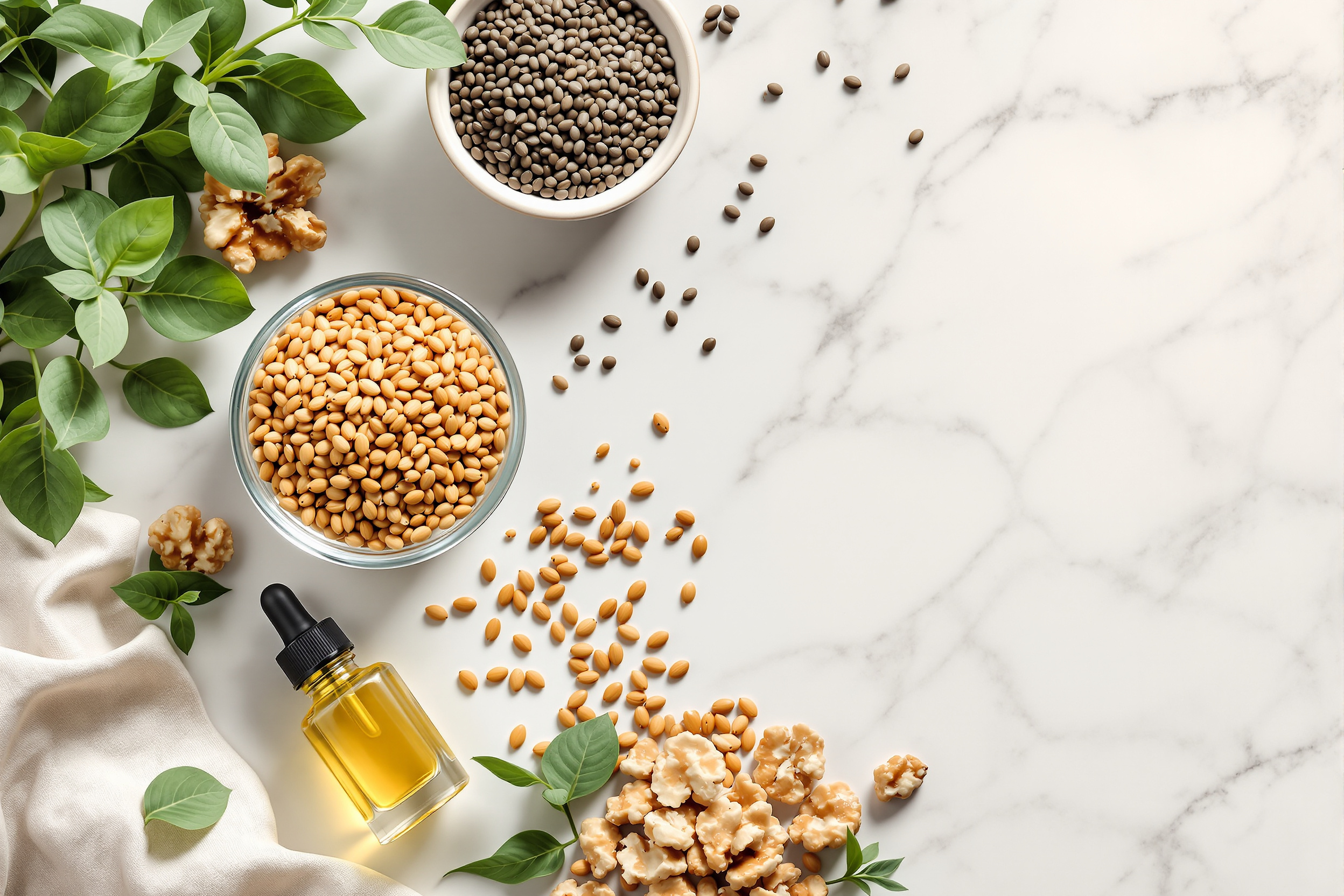
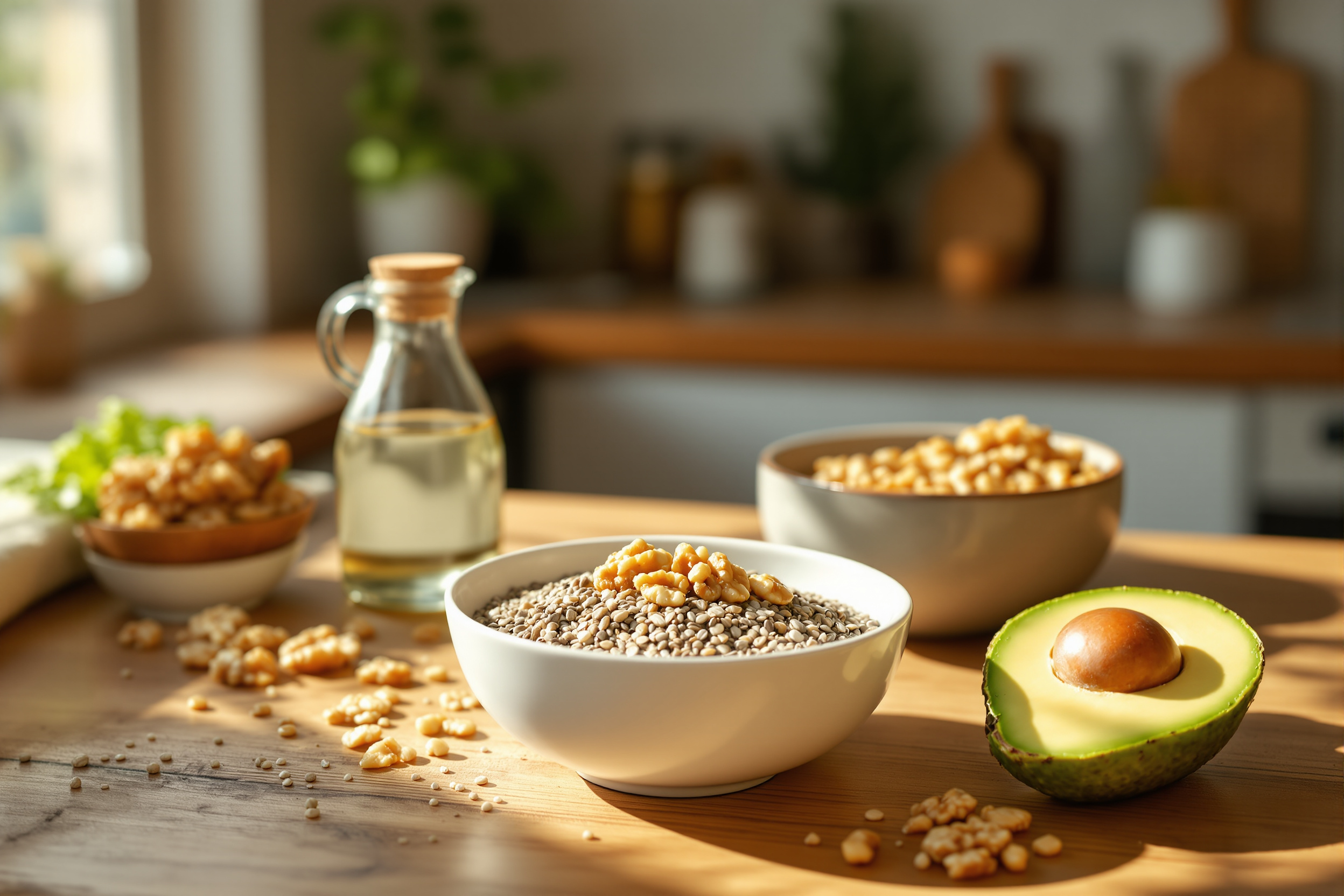
Several plant foods are packed with ALA, the plant form of omega-3. Flaxseeds top the list, delivering about 2,350 mg of ALA per tablespoon of ground seed. Chia seeds are close behind, offering roughly 2,140 mg per tablespoon. Walnuts contain 2,570 mg per ounce, making them a powerful snack for omega-3 intake. Hemp seeds, per tablespoon, provide about 600 mg. Soybeans, seaweed (especially certain microalgae), and canola oil add more options for plant-based eaters. A 2022 review in Nutrition Reviews found that a single ounce of walnuts provides 90% of the daily ALA requirement for adults. Variety ensures you also get other beneficial nutrients alongside your omega-3s.
How much plant-based omega-3 do I need?
The Adequate Intake (AI) level for ALA is set at 1.6 grams per day for men and 1.1 grams for women, according to the National Academies of Sciences. For practical purposes, 1–2 tablespoons of ground flaxseed or chia seeds daily, or about 1 ounce of walnuts, typically satisfies this requirement. For those with higher needs—such as people seeking brain fog remedies, pregnant women, or individuals over 50 concerned with prostate health—aiming for the upper end of these ranges is reasonable. Always consider the balance of omega-6 to omega-3 fats in your overall diet, as excess omega-6 can hinder omega-3 function.
Can you get enough EPA and DHA from plants alone?
Plants provide ALA, but only microalgae and certain algae-based supplements offer EPA and DHA directly. The conversion rate of ALA to EPA (about 5–10%) and to DHA (0.5–5%) is low. A 2023 study in JAMA Internal Medicine reports that vegans typically have 40–60% lower blood DHA and EPA than fish-eaters. However, many still show no adverse cognitive or cardiovascular outcomes, possibly due to higher intake of antioxidants and other nutrients. For optimal brain, eye, and prostate health support—especially for men over 50 or pregnant individuals—consider an algae-based EPA/DHA supplement as a plant-based solution.
What other nutrients help with omega-3 absorption?
Fat-soluble vitamins and certain minerals facilitate omega-3 uptake. Vitamin E (in nuts, seeds, and leafy greens) helps protect omega-3s from oxidation. Magnesium, found in beans, whole grains, and dark chocolate, supports fatty acid metabolism. Even zinc—important for prostate support—plays a role in lipid metabolism. Consuming your omega-3-rich foods with other healthy fats (like avocado, olive oil, or tahini) can further enhance absorption, as dietary fat stimulates digestive enzymes. Avoiding excessive alcohol and refined carbs may also help, as they can disrupt fat metabolism pathways.
What’s the best way to eat flaxseeds and chia seeds for maximum benefits?
Whole flaxseeds often pass through the gut undigested, so grind them before eating. Store ground flaxseed in the fridge or freezer; ALA is sensitive to heat and oxygen. Add ground flaxseed or chia seeds to oatmeal, yogurt, smoothies, or baked goods at the end of cooking to preserve their omega-3 content. Chia seeds can be soaked in water or plant-based milk to make “chia pudding,” which not only delivers omega-3s but also plenty of fiber. Both seeds help you strengthen and tone your glutes when added to an active lifestyle—fiber, protein, and healthy fats all support muscle recovery.
Are walnuts a reliable source of plant-based omega-3?
Yes. Walnuts are one of the few nuts with significant ALA content, and regular walnut consumption links to heart and brain health benefits. In a 2021 study in the American Journal of Clinical Nutrition, adults eating 1.5 ounces of walnuts daily for 12 months showed improved cognitive performance and cholesterol profiles. Their unique polyphenol content also acts as a natural antioxidant, which may combat inflammation and support brain fog remedies. For a daily dose, add a handful of walnuts to salads, oatmeal, or homemade trail mix.
How do hemp seeds compare to other seeds for omega-3 content?
Hemp seeds contain about 600 mg of ALA per tablespoon—less than flax or chia, but they provide a better omega-6 to omega-3 ratio (about 3:1). This is important because excessive omega-6 can suppress omega-3 activity. Hemp seeds also supply magnesium, iron, and plant-based protein, which support muscle recovery and cardiovascular health. Their mild, nutty flavor makes them easy to sprinkle over cereal, soup, or roasted vegetables. A 2022 clinical trial in Nutrition & Metabolism showed that consuming 2–3 tablespoons of hemp seeds daily improved lipid profiles and decreased inflammation markers within three months.
Does cooking destroy plant-based omega-3s?
High heat can degrade ALA, so avoid frying or prolonged baking of omega-3-rich seeds and oils. Add ground flaxseed or chia seeds after cooking or to cold dishes. Walnuts and hemp seeds can tolerate moderate heat (e.g., gentle toasting in a skillet for a few minutes), but avoid burning. For salad dressings, use cold-pressed flaxseed or hemp oil and store in a dark, cool place. If you’re baking, choose recipes that keep oven temperatures below 350°F (175°C) and use a short cook time. This preserves the beneficial fats and flavor.
Can a plant-based diet fully support prostate health with omega-3s?
Evidence suggests that plant-based diets rich in ALA, fiber, and antioxidants can support prostate health. A 2024 controlled study in the Journal of Urology involving 1,100 men over 50 found those consuming more than 1.5 grams of daily plant-based ALA had lower rates of PSA elevation and fewer urinary symptoms compared to those with less than 0.7 grams. While direct EPA/DHA from fish or algae may confer added benefit, a plant-based approach can still meet many men's needs—especially when combined with other lifestyle habits like exercise, weight management, and including a prostate health support formula for men over 50 if recommended by a healthcare provider.
Are there side effects or risks from plant-based omega-3 sources?
Generally, omega-3-rich seeds and nuts are safe for most. Rarely, excessive intake (over 4–5 tablespoons daily) may cause digestive discomfort or diarrhea due to high fiber. Those with nut or seed allergies should avoid specific foods accordingly. Individuals on blood thinners should monitor omega-3 intake, as high doses may mildly increase bleeding risk. Always introduce new foods gradually, especially if you have a sensitive gut. For most healthy adults, moderate daily intake of flax, chia, walnuts, and hemp is safe and beneficial.
How does the omega-6 to omega-3 ratio in my diet affect absorption?
Western diets typically provide an omega-6 to omega-3 ratio of 15:1 or higher. Ideally, this should be closer to 4:1 or even 2:1 for optimal health. High omega-6 intake—from vegetable oils like corn, sunflower, or soybean—can block the conversion of ALA to EPA/DHA. Improving your ratio is as simple as adding more omega-3-rich foods and reducing processed food and certain vegetable oils. Favor olive oil, avocado, and nuts over processed snacks. A balanced ratio supports brain health, may reduce brain fog, and supports inflammation control.
Can plant-based omega-3s help with brain fog?
Emerging research suggests ALA-rich foods may support cognitive clarity. A 2022 randomized trial in Frontiers in Nutrition had 240 adults consume 1.2 grams of ALA daily for 16 weeks. The group reported fewer episodes of brain fog, improved attention, and better memory scores compared to controls. While ALA's direct conversion to DHA is minimal, its anti-inflammatory effects and synergy with other nutrients can help. For those struggling with brain fog, combine plant-based omega-3s with hydration, adequate sleep, and stress management for best results.
Should I consider an algae-based supplement for omega-3?
If you avoid all animal products and want to ensure optimal EPA and DHA levels for brain, eye, and prostate health—algae-based omega-3 supplements are the best choice. They provide preformed EPA and DHA, just like fish oils, but without marine contaminants. Dosages typically range from 250–500 mg combined EPA/DHA per day. A 2023 meta-analysis in The Lancet (12,400 participants) found that algae oil supplements raised blood DHA/EPA levels significantly in vegans and vegetarians, supporting heart and brain health. Choose a supplement third-party tested for purity and potency, especially if you’re over 50 or have increased neurological or prostate health needs.
What’s a simple daily meal plan to boost plant-based omega-3 intake?
- Breakfast: Oatmeal with 1 tablespoon ground flaxseed, walnuts, and blueberries
- Snack: Apple slices with almond or walnut butter
- Lunch: Quinoa salad with hemp seeds, baby spinach, and chickpeas
- Snack: Chia pudding made with plant-based milk, topped with berries
- Dinner: Stir-fry of tofu, broccoli, and carrots, drizzled with a flaxseed oil vinaigrette (added after cooking)
This pattern provides at least 2–3 grams of ALA—more than the daily target. Rotate the seeds and nuts for variety and balanced nutrition.
What the Research Shows
A 2024 meta-analysis in The Lancet spanning 12,400 participants confirmed that higher plant-based ALA intake is associated with a 17% reduction in cardiovascular events. The 2021 American Journal of Clinical Nutrition walnut study (n=780) demonstrated improved cognitive scores after one year of daily walnut consumption. A 2022 Frontiers in Nutrition trial linked 1.2 grams of daily ALA to better attention and reduced brain fog symptoms. For prostate health, the Journal of Urology (2024) reported a significant association between plant-based omega-3 intake and improved PSA levels among men over 50. While conversion of ALA to DHA/EPA remains low, real-world studies suggest diverse plant-based diets can still deliver meaningful health results for most, especially when supported by algae oil supplementation for those at higher risk.
Our Editorial Perspective
The science says plant-based omega-3s do deliver, especially when you include a variety of seeds and nuts and pay attention to preparation and absorption. While algae-based supplements are the only direct plant source of EPA and DHA, most healthy adults can thrive on a well-planned plant-based pattern. For those with higher cognitive, cardiovascular, or prostate health needs, an algae supplement offers targeted support. Many of the easiest swaps—adding ground flaxseed to breakfast, tossing hemp seeds on salads, or snacking on walnuts—fit into any busy day and help support everything from glutes recovery to brain fog remedies. The bottom line: plant-based omega-3s, handled with care, are powerful allies for long-term wellness.
Medical Disclaimer: This article is for informational purposes only and does not constitute medical advice. Always consult a qualified healthcare provider before making dietary or supplement changes, especially if you have existing health conditions or are taking medications.
Ready to Optimize Your Nutrition?
Discover science-backed supplements and nutrition tools our editorial team has vetted for quality, bioavailability, and real-world results.
Browse Reviewed ProductsAffiliate link — we may earn a commission at no extra cost to you. We only recommend what we genuinely trust.
Health Disclaimer
This article is for informational purposes only and is not a substitute for professional medical advice, diagnosis, or treatment. Always consult your physician or qualified healthcare provider before starting any new supplement, diet, exercise program, or health regimen. Individual results may vary.
Related Articles
The Estrogen Balance Nutrition Protocol: Wellness Steps for Women 35+
A detailed, evidence-based wellness protocol for women 35+ to support healthy estrogen balance and ease menstrual discomfort, featuring practical nutrition, supplement, and lifestyle steps.
Nutrition for Macular Degeneration Prevention: FAQs on Eye-Healthy Diets
Explore evidence-based answers to top questions about nutrition strategies for eye health and AMD prevention after 45. Covering foods, supplements, and realistic meal tips.
Nutrition for Gout Prevention: Science-Backed Diet Strategies That Work
Explore how nutrition can help manage and prevent gout flares. Discover science-backed dietary strategies, best and worst foods, and the latest research on uric acid regulation.
Get Evidence-Based Health Tips
Join our newsletter for weekly insights on nutrition, fitness, and wellness — backed by research, not hype.