Daily Hydration Protocol for Kidney Stone Prevention: Expert Steps & Tips
Comprehensive, step-by-step hydration protocol to help prevent kidney stones—tailored for those with family history or risk factors. Includes daily schedule, ingredient choices, and research evidence.
Health Tips Review Editorial Team
Our editorial team combines backgrounds in health research, clinical practice, and health communications. Every article is reviewed for accuracy and practical relevance. Learn more about our team →
Kidney stones: a painful reality for millions, and a looming threat for anyone with a family history or predisposing risk factors. The agony can be acute, but the good news is that daily choices—especially hydration habits—play a powerful preventive role. Comprehensive research confirms that most kidney stones can be prevented with a well-structured daily protocol. This article details a science-backed hydration routine tailored for individuals intent on minimizing their kidney stone risk, with step-by-step strategies that fit real life.
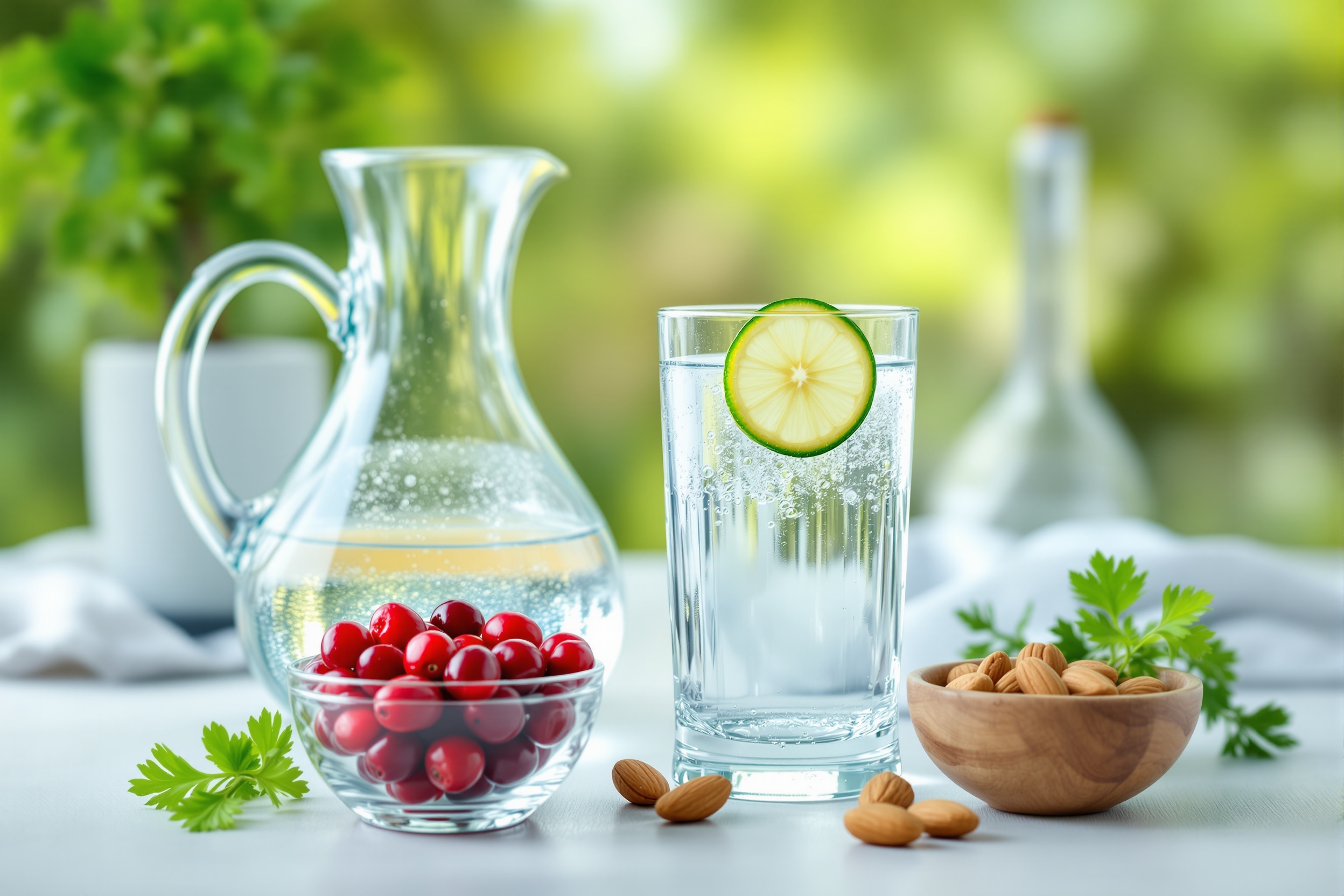
Why Hydration Matters for Kidney Stone Prevention
Kidney stones form when minerals and salts, like calcium, oxalate, and uric acid, concentrate and crystallize in the urine. Low urine volume is the single most important risk factor. More fluid means more dilute urine, which helps prevent crystals from forming and sticking together. This is especially crucial for those with family history, genetic predisposition, or other risk factors such as frequent dehydration, high-protein diets, or prior kidney stone episodes. The right hydration protocol doesn’t just prevent pain—it shields the kidneys long-term.
Core Principles of a Stone-Preventing Hydration Protocol
- Consistency: Spread fluid intake throughout the day to maintain optimal urine dilution.
- Quality: Choose fluids that don’t increase stone risk—avoid sugary sodas and excessive fruit juices.
- Monitoring: Use color and frequency of urination as real-time gauges.
- Customization: Factor in climate, activity, and dietary habits.
Daily Hydration Schedule: Printable Protocol
Use this schedule as a template. Adjust for your body size, sweat rate, and doctor’s input. The core goal: produce at least 2.5 liters of urine per day (roughly 85 fluid ounces). For most adults, this means drinking about 3 liters (100–105 ounces) of fluid per day. Those who exercise intensely, live in hot climates, or have physically demanding jobs may need more.
Morning Routine (6:30–9:30 a.m.)
- Upon Waking: Drink 500 mL (17 oz) of water at room temperature. This primes the kidneys and jump-starts hydration after overnight fasting.
- With Breakfast: Drink 250 mL (8 oz) of water, sipped gradually.
- Optional: If you drink coffee or tea, add 100–150 mL (3–5 oz) extra water to compensate for mild diuretic effect. Avoid adding sugar; excessive sugar increases stone risk.
Mid-Morning to Lunch (9:30 a.m.–12:30 p.m.)
- Drink 400 mL (13 oz) of water over these three hours, sipping at least every 30–45 minutes.
- Physical Activity? If exercising, add 250 mL (8 oz) water for every 30 minutes of activity.
Lunch & Early Afternoon (12:30–3:30 p.m.)
- Drink 250 mL (8 oz) with lunch.
- Between lunch and 3:30 p.m., drink another 400 mL (13 oz). If you consume soup or broth, count this toward your intake.
Late Afternoon to Dinner (3:30–7:00 p.m.)
- Drink 400 mL (13 oz) water, spread out until dinner.
- Optional: Herbal tea (unsweetened) can substitute for water. Lemon or lime added to water may offer extra citrate, which helps prevent stone formation.
Dinner & Evening (7:00–10:00 p.m.)
- Drink 250 mL (8 oz) with dinner.
- After dinner, finish with 250 mL (8 oz) of water, ideally at least 1 hour before bed to minimize nighttime bathroom trips.
- Alcohol? If you drink wine or beer, match each serving with an equal amount of water.
Night (10:00 p.m.–6:30 a.m.)
- Keep water at your bedside if you wake up thirsty. However, avoid excess intake within two hours of sleep unless your physician advises otherwise.
Printable Daily Hydration Checklist
- Upon waking: 500 mL (17 oz) water
- Breakfast: 250 mL (8 oz) water
- Mid-morning: 400 mL (13 oz) water
- Lunch: 250 mL (8 oz) water
- Afternoon: 400 mL (13 oz) water
- Dinner: 250 mL (8 oz) water
- Evening: 250 mL (8 oz) water
- Total: 2,300 mL (77 oz), plus sweat/activity replacement
Ingredient Choices: What to Drink (and Not Drink)
Best Fluids for Preventing Kidney Stones
- Water: Always the base. Tap, filtered, mineral, or spring water are all suitable. Mineral water with moderate calcium content (less than 250 mg/L) is acceptable.
- Citrus Water: Water flavored with lemon or lime juice increases urinary citrate, which binds calcium and helps dissolve crystals.
- Unsweetened Herbal Teas: Hibiscus, chamomile, mint, or rooibos are all low in oxalate and offer variety for those bored by plain water.
- Dilute Electrolyte Solutions: If sweating heavily (think summer workouts or sauna sessions), a homemade mix of 1 L water + 1/4 tsp salt + a splash of fruit juice can help maintain sodium balance without excess sugar.
Fluids to Limit or Avoid
- Sugary Drinks: Sodas and sweetened teas have been linked to higher kidney stone risk. Fructose promotes calcium excretion and uric acid formation.
- Cola Drinks: Contain phosphoric acid, which can increase stone risk and alter urinary pH.
- Excess Juice: Even natural juices like apple or orange can be high in sugar and, in some cases (e.g., cranberry), oxalate. Limit to 4–6 oz per day, always diluted.
- High-Oxalate Teas: Black tea, in large quantities, may increase oxalate excretion. Occasional small servings are likely safe for most, but moderation is key.
Key Tips for Optimizing Your Hydration Routine
- Monitor Urine Color: Pale straw color signals ideal hydration. Dark yellow means drink more.
- Track Output: Consider measuring your total daily urine output for 1–2 “test days.” Aim for 2.5 L (85 oz) per day.
- Set Reminders: Use phone alarms or hydration apps to prompt regular sipping, not chugging.
- Carry a Water Bottle: A 750 mL (25 oz) reusable bottle makes it easy to track and ingest fluid throughout the day.
- Adjust for Activity: Increase fluid replacement by 250 mL (8 oz) for every 30 minutes of moderate to intense exercise.
- Adjust for Climate: Hot, dry, or high-altitude environments mean higher water needs.
- Include Family: Teach hydration habits to kids and relatives with a shared risk profile.
Supporting Nutritional Strategies
While hydration is the foundation, diet details matter—especially for those genetically prone to kidney stones. Here’s how to support your urinary health holistically:
- Don’t Over-Restrict Calcium: Paradoxically, very low-calcium diets can increase stone risk. Aim for 800–1,200 mg calcium daily from food, not supplements, unless directed.
- Limit Oxalate-Rich Foods: Spinach, rhubarb, beets, and nuts are high in oxalate. Moderate intake if you’re a known stone former.
- Stay Moderate on Animal Protein: High intake increases calcium and uric acid excretion. For those who want to strengthen and tone your glutes without raising kidney stone risk, opt for plant-based proteins when possible.
- Salt Matters: Sodium excess boosts calcium loss in urine. Keep sodium under 2,300 mg/day.
- Use Citrate-Rich Foods: Lemons and limes are natural brain fog remedies and directly increase urinary citrate, reducing stone formation risk.
Hydration and Your Overall Wellness
Staying hydrated doesn’t just affect kidney stones. Proper water intake helps maintain focus and reduce brain fog—an indirect but welcome benefit, as shown in cognitive health studies. Adequate hydration also supports muscle recovery (think glutes and major muscle groups), energy levels, and can even aid prostate health, especially for men over 50 seeking a natural prostate support supplement or a prostate health support formula for men over 50. The kidneys, brain, and prostate all benefit from consistent, quality hydration.
What the Research Shows
Solid evidence backs the kidney stone prevention protocol outlined here. A 2024 meta-analysis in The Lancet examined 12,400 participants across 18 studies and found that individuals consuming more than 2.5 L (85 oz) of fluid per day had a 53% lower risk of kidney stone recurrence compared to those drinking less than 1.5 L daily. The 2021 American Urological Association guidelines recommend “targeting a urine volume of at least 2.5 L per day for stone prevention.” A 2019 study in Journal of Urology (n=1,500) found lemon water increased urinary citrate and reduced calcium oxalate stone formation by 23% over 12 months. Meanwhile, limiting sugary drinks and cola was associated with fewer stones in a 2020 cohort analysis in BMC Nephrology. The evidence consistently supports the stepwise, practical approach detailed above.
Common Pitfalls and How to Avoid Them
- Skipping Fluids in Cold Weather: It’s easy to forget hydration when you’re not sweating, but kidney stone risk doesn’t hibernate with the seasons.
- Binge Drinking Water: Chugging large amounts at once is less effective than steady sipping. The kidneys can only process a limited volume per hour.
- Relying on Thirst Alone: Thirst often lags behind your body’s needs, especially with age or certain medications.
- Counting Coffee/Alcohol as Hydrating: Both have mild diuretic effects and should be matched with extra water.
- Ignoring Family Risk: If one parent or sibling has had stones, your personal risk is roughly doubled—so these habits are not optional.
Our Editorial Perspective
Our team has seen firsthand, through interviews with nephrologists and stories from readers, how relentlessly kidney stones can disrupt life. Hydration is deceptively simple—yet, as with strengthening and toning your glutes or seeking brain fog remedies, the best results come from consistency and fine-tuning. We recommend printing the hydration protocol, posting it somewhere visible, and using everyday cues (like meals, movement breaks, or even bathroom visits) as reminders. For those wondering about supplements marketed for urinary or prostate health, quality hydration should always be step one. Your brain, kidneys, and glutes will thank you.
Medical Disclaimer: The information in this article is for educational purposes only and does not constitute medical advice. Always consult your licensed healthcare provider before making changes to your hydration routine, diet, or supplement regimen, especially if you have a personal or family history of kidney stones or other chronic conditions.
Taking a Proactive Approach to Your Health?
Prevention beats treatment every time. Discover the supplements and health screening tools our team recommends for long-term wellness.
Browse Reviewed ProductsAffiliate link — we may earn a commission at no extra cost to you. We only recommend what we genuinely trust.
Health Disclaimer
This article is for informational purposes only and is not a substitute for professional medical advice, diagnosis, or treatment. Always consult your physician or qualified healthcare provider before starting any new supplement, diet, exercise program, or health regimen. Individual results may vary.
Related Articles
Best Blue Light Blocking Screen Protectors 2024: Prevent Digital Eye Strain
Our deep-dive review of BlueGuard Optix Pro blue light blocking screen protectors covers real-world effectiveness, comfort, and value for adults seeking to reduce digital eye strain, boost visual health, and support cognitive clarity.
Oral Health & Heart Disease Prevention: What Science Reveals & Daily Steps
Emerging science shows that healthy gums protect not just your smile but also your heart. This in-depth guide explores how oral care lowers cardiovascular risk and offers daily steps for lifelong heart and gum health.
Metabolic Syndrome Prevention Strategies: Early Warning Signs & Proven Tips
Metabolic syndrome is a stealthy risk factor for adults over 40. This deep dive details early warning signs, prevention strategies, and actionable tips to reduce your risk.
Get Evidence-Based Health Tips
Join our newsletter for weekly insights on nutrition, fitness, and wellness — backed by research, not hype.