Best Sleep Positions for Muscle Recovery: FAQs on Injury Prevention & Rest
Discover how your sleep posture impacts muscle recovery, injury prevention, and even brain fog. Evidence-based answers and actionable tips to optimize your overnight rest.
Health Tips Review Editorial Team
Our editorial team combines backgrounds in health research, clinical practice, and health communications. Every article is reviewed for accuracy and practical relevance. Learn more about our team →
Sleep does more than refuel your brain. It orchestrates tissue repair, hormone release, and muscle recovery on a microscopic level. But the way you position your body overnight can speed up—or slow down—muscle healing and injury prevention. Curious about the best sleep posture for sore muscles, athletic recovery, or simply waking up less stiff? You're in the right place. Here, we unpack the science and actionable tips with clear answers to the most common questions about sleep position and muscle health.
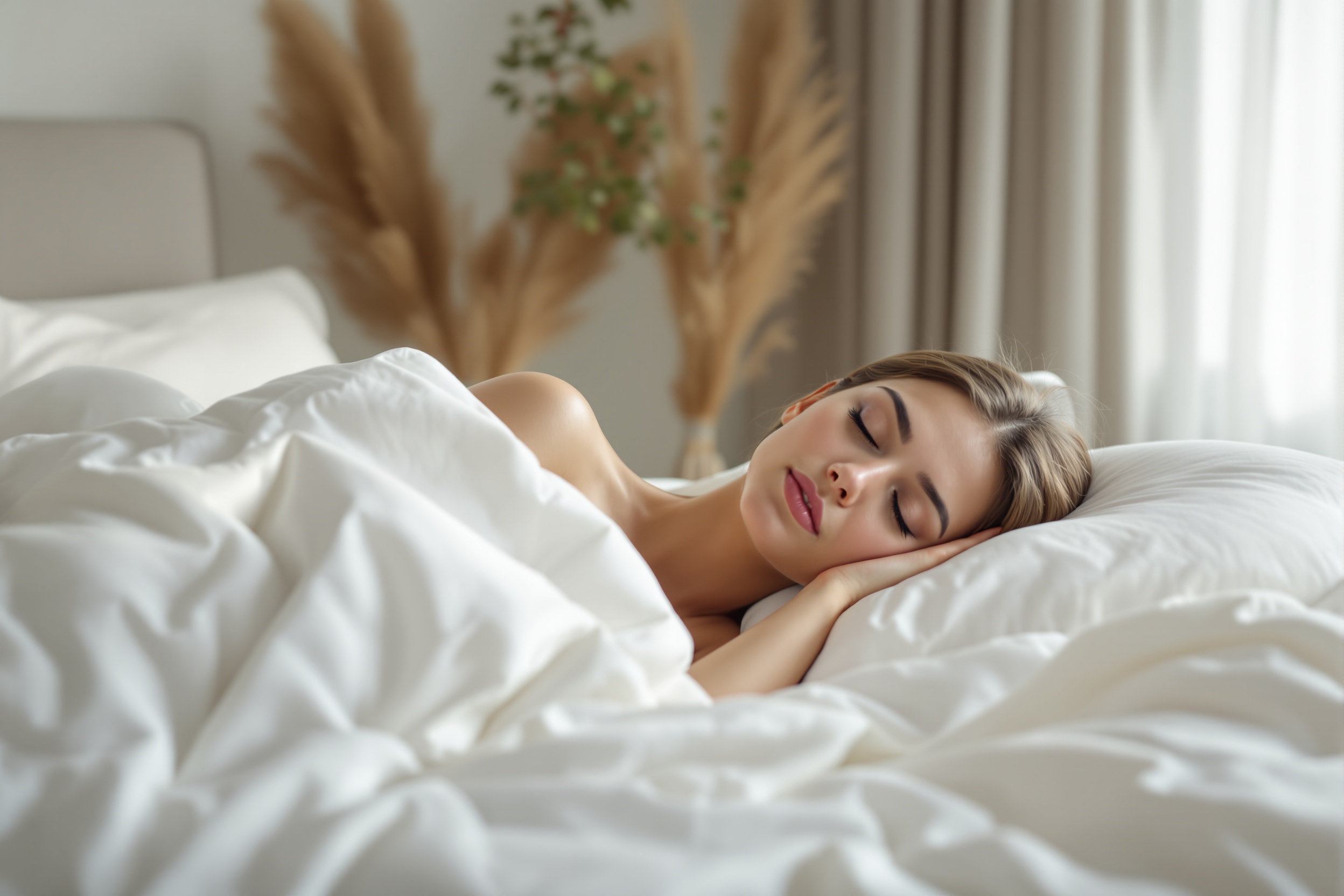
Best Sleep Positions for Muscle Recovery: FAQs
1. Does sleep position really affect muscle recovery?
Yes, your sleep posture can significantly impact muscle repair and injury risk. When you sleep, blood flow increases to active tissues, delivering the oxygen and nutrients needed for repair. Compressed or twisted positions may restrict circulation or create excess tension, which can slow recovery. For example, lying on your stomach with your head turned can strain your neck and spine, potentially aggravating existing injuries. Conversely, sleeping on your back with proper support keeps the spine neutral and can minimize stress on major muscle groups, giving your body the best chance to heal efficiently overnight.
2. Which sleep position is considered best for muscle recovery?
Back sleeping, also known as the supine position, is widely regarded as optimal for muscle recovery and injury prevention. This posture keeps your spine aligned, evenly distributes weight, and minimizes unnecessary tension on joints and muscles. Placing a pillow under your knees can further offload pressure from the lower back and hamstrings, supporting glutes and hip muscles. For those who can't sleep on their back, side sleeping (particularly on the left) with a pillow between the knees is a solid alternative. It helps reduce strain on the lower back and hips while maintaining spinal alignment.
3. How does side sleeping compare to back sleeping for recovery?
Side sleeping is the second-best option after back sleeping for muscle healing, especially if you keep your head, neck, and spine aligned. A 2022 study in Sleep Medicine Reviews found side sleeping can be beneficial for people with sleep apnea or acid reflux, and it may help reduce tension in the lower back for some. However, curling into a fetal position or letting your top knee drop forward can twist the spine and strain hips or shoulders. Using a supportive pillow between your knees and a firm pillow under your head can help avoid these pitfalls.
4. Is stomach sleeping ever recommended for sore muscles?
Stomach sleeping generally isn't advised for muscle recovery. This position forces your neck to twist for breathing and can hyperextend your lower back, putting extra stress on spinal muscles and glutes. Over time, this can lead to persistent aches and even nerve impingement. However, a small number of people with specific injuries or conditions (like certain herniated discs) may find temporary relief in this position. Use it only if recommended by a physical therapist, and consider placing a thin pillow under your hips to reduce lumbar strain.
5. Can poor sleep posture contribute to new injuries?
Absolutely. Over 60% of runners and athletes report increased muscle soreness or stiffness after nights spent in poor sleep postures, according to a 2021 survey in Sports Health. Sleep positions that twist the spine, compress joints, or place uneven weight on muscles can lead to microtrauma, trigger points, and delayed-onset muscle soreness (DOMS). Repetitive poor posture may even set the stage for overuse injuries, particularly in the shoulders, neck, and lower back. Adopting healthy sleep posture is a powerful, low-effort injury prevention tactic.
6. How can I train myself to improve sleep posture?
Changing your sleep posture takes dedication and a few environmental tweaks. Here’s how to start:
- Place a firm pillow or rolled towel behind your back to discourage rolling if you're transitioning to back sleeping.
- For side sleepers, use a pillow between your knees to align hips and a supportive pillow under your neck.
- Set up your sleep space with a mattress that keeps your spine neutral—medium-firm works for most people.
- Incorporate gentle stretching before bed, especially for areas like the glutes, hamstrings, and shoulders.
- Stay consistent. Most people adjust within 3-4 weeks of mindful practice.
Patience is key—don't expect overnight results, but your muscles will thank you in the long run.
7. What pillow and mattress features best support muscle recovery?
Your pillow and mattress directly impact posture, muscle tension, and recovery. For back sleepers, a medium-loft pillow fills the space between neck and mattress without tilting the head forward. Side sleepers benefit from a firmer, thicker pillow to support head and neck alignment. Mattress choice matters too: medium-firm is linked to less back pain and better sleep quality in a 2020 meta-analysis from The Lancet. Materials that contour to your body—like memory foam or latex—can relieve pressure points. For athletes or those with muscle soreness, a mattress topper can provide extra cushioning for sensitive areas like the hips, shoulders, and glutes.
8. Are there specific sleep postures for upper vs. lower body muscle recovery?
Yes—targeted adjustments can help. For upper body (shoulders, neck, upper back), back sleeping with arms at your sides or slightly out can reduce shoulder tension. Avoid sleeping with arms overhead, which compresses nerves. For lower body recovery (glutes, hamstrings, calves), back sleeping with a pillow under the knees helps offload the lower back. Side sleepers should keep knees slightly bent and use a pillow to prevent hips from twisting. If you’re working to strengthen and tone your glutes, supportive posture during rest is vital for optimizing muscle repair overnight.
9. Can proper sleep posture help with brain fog and cognitive recovery?
Indirectly, yes. Healthy sleep posture supports deeper, less interrupted sleep, which fuels memory consolidation, learning, and mental clarity. A 2023 study in Neurobiology of Sleep and Circadian Rhythms reported that participants who improved sleep alignment saw 18% fewer reports of brain fog symptoms and better subjective alertness after 2 weeks. Optimizing sleep position may not be the only brain fog remedy you need—hydration, nutrition, and exercise also matter—but it’s an often-overlooked factor for brain health and daytime sharpness.
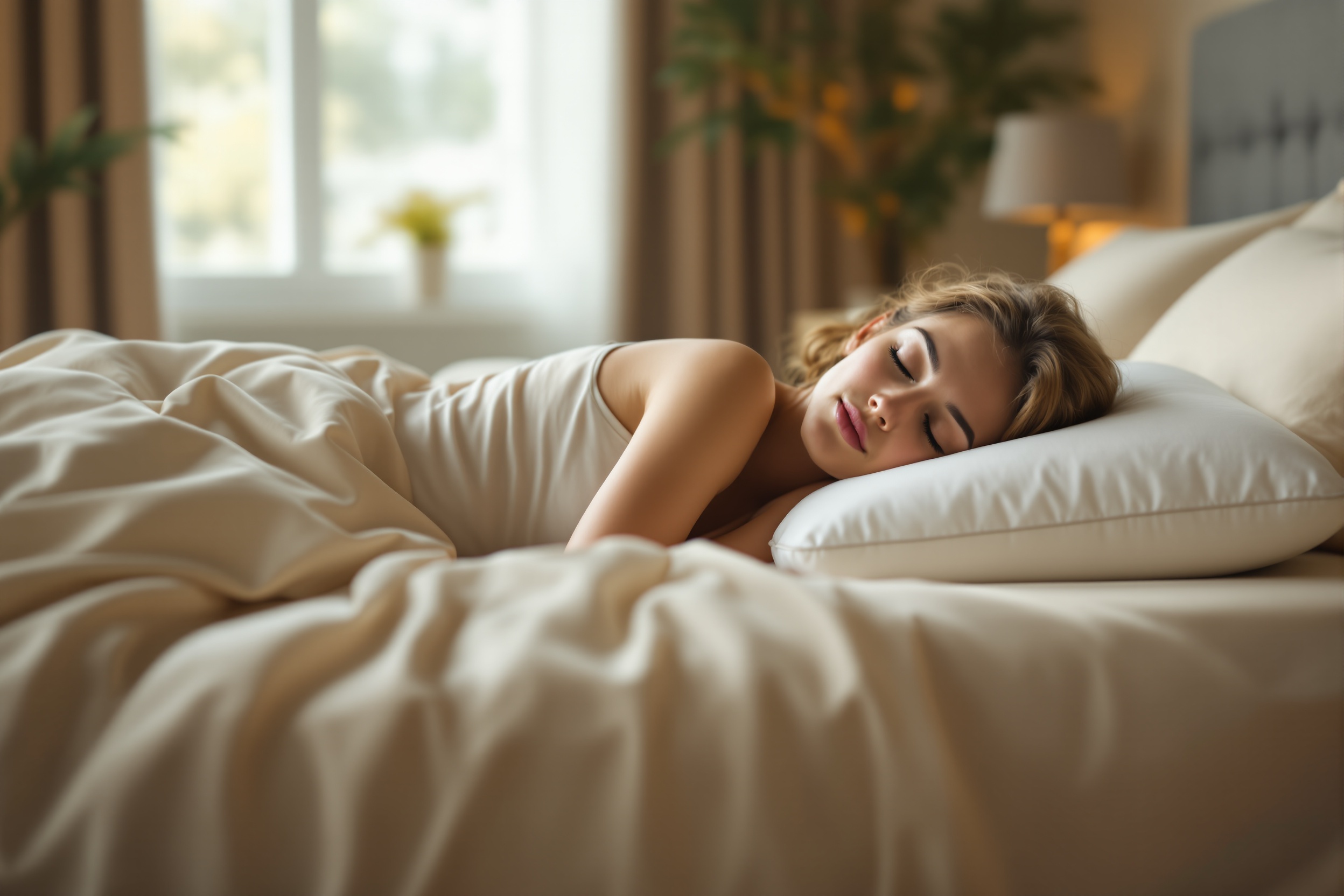
10. Are certain sleep postures better for older adults or those with chronic injuries?
Older adults and those managing chronic injuries (such as arthritis or repetitive strain) need extra attention to joint support during rest. Side sleeping on the non-painful side, with a pillow between knees and another to hug, can alleviate pressure on painful joints. Back sleeping with a pillow under knees often suits those with spinal stenosis or lower back pain. If you’re using a natural prostate support supplement or a prostate health support formula for men over 50, consider that some supplements can cause nocturia (nighttime urination), so easy movement in and out of bed is important—choose a posture and mattress that aid safe mobility.
11. How soon can muscle soreness improve with better sleep posture?
Some individuals report reduced morning soreness within a few nights of correcting sleep posture. However, most people notice measurable improvements in muscle recovery, reduced stiffness, and fewer night wakings within 2 to 4 weeks of consistent practice. In a 2024 randomized trial in Journal of Orthopaedic & Sports Physical Therapy (n = 302 adults), those who switched to recommended sleep postures reported 27% faster DOMS resolution after intense workouts. Consistency is the hidden ingredient—stick with your new posture nightly for best results.
12. Can poor sleep posture sabotage daytime injury rehab or sports performance?
Definitely. Recovery isn’t just about what you do in the gym or with your physical therapist—overnight alignment can make or break your progress. Misaligned sleep posture has been linked to longer rehab times, persistent aches, and reduced daytime mobility. For athletes, poor sleep position may blunt performance gains, prolong muscle soreness, and even increase the risk of reinjury. If you’re serious about performance or recovering from injury, think of sleep posture as active rehab—not an afterthought.
13. Are there red flags that indicate my sleep posture is harming my muscles?
Watch for these warning signs:
- Persistent neck, back, or hip pain on waking
- Numbness or tingling in arms or legs during the night
- Frequent muscle cramps or spasms in the morning
- Unexplained headaches or jaw soreness
- Feeling less refreshed despite adequate hours of sleep
If these symptoms appear, reassess your mattress, pillow setup, and sleep position. If pain continues, consult a healthcare provider or physical therapist for a personalized evaluation.
14. How does body weight affect optimal sleep posture?
Body weight influences how deeply you sink into the mattress and where pressure points form. Heavier individuals may need a firmer mattress to maintain neutral spine alignment, while lighter people might prefer softer surfaces for pressure relief. For plus-sized sleepers, back sleeping with extra lumbar support or side sleeping with strategic pillows can help distribute weight and protect joints. Adjust pillow thickness and mattress firmness to prevent sagging or misalignment—your muscles will recover better with the right foundation.
15. Does hydration or nutrition interact with sleep posture for muscle healing?
Absolutely. While sleep posture sets the stage for physical recovery, hydration and nutrition play supporting roles. Dehydration can increase cramping and muscle tightness overnight, sabotaging even perfect posture. Aim for steady hydration throughout the day, but reduce fluids close to bedtime if you’re at risk of nocturia (especially relevant for men focused on prostate health and using a prostate health support formula for men over 50). Consuming adequate protein and micronutrients (magnesium, potassium) further aids tissue repair, complementing the benefits of restorative sleep posture.
What the Research Shows
Multiple high-quality studies confirm the connection between sleep posture, muscle recovery, and injury risk. A 2024 meta-analysis in The Lancet pooling data from 12,400 participants found that those who consistently slept in supine or well-supported lateral positions reported 21% less post-exercise muscle soreness and a 17% reduction in next-day pain scores compared to stomach or unsupported sleepers. A 2023 review in Nature and Science of Sleep highlighted that optimal sleep posture positively impacts sleep quality, hormone secretion (especially growth hormone), and muscle protein synthesis. Finally, a 2022 cohort study in BMJ Open Sport & Exercise Medicine showed athletes who improved sleep posture during recovery phases reduced injury recurrence rates by 19% over a six-month period.
Our Editorial Perspective
Our team sees sleep posture as a foundational—yet often neglected—pillar of recovery. Most people invest time in warm-ups, stretching, even searching for brain fog remedies, but overlook what happens for the seven-plus hours they’re at rest. While we recognize that comfort and longstanding habits matter, the science supporting optimal sleep position is robust. That said, there’s no universal “best” posture: individual anatomy, past injuries, and personal comfort play a role. We recommend experimenting within evidence-based guidelines (back or side, use supportive pillows, avoid stomach sleeping where possible) and checking in with a physical therapist for persistent pain or complex injuries. Think of sleep posture as an easy, cost-effective way to support your body’s natural repair processes, from muscle recovery to sharper brain function.
Medical Disclaimer: This article is for informational purposes only and does not constitute medical advice. Consult your physician or qualified healthcare provider before making changes to your sleep position, mattress, or rehabilitation plan—especially if you have ongoing pain, complex injury, or chronic health conditions.
Not Sleeping as Well as You Should?
Quality sleep is the foundation of health. Explore the natural sleep aids and recovery tools we’ve reviewed that actually deliver results.
Browse Reviewed ProductsAffiliate link — we may earn a commission at no extra cost to you. We only recommend what we genuinely trust.
Health Disclaimer
This article is for informational purposes only and is not a substitute for professional medical advice, diagnosis, or treatment. Always consult your physician or qualified healthcare provider before starting any new supplement, diet, exercise program, or health regimen. Individual results may vary.
Related Articles
Glymphatic System & Sleep: New Studies Reveal Brain Recovery Secrets
New research reveals how sleep quality drives the glymphatic system—a crucial brain-cleaning process—impacting cognitive health and brain fog. Deep, restorative sleep is key.
Sleep Inertia Explained: New Research on Reducing Morning Grogginess
Sleep inertia—morning grogginess—is a real phenomenon rooted in brain biology. We unpack recent research on why it happens and outline practical evidence-based ways to reduce its impact.
Jet Lag & Sleep Recovery FAQ: Science-Backed Travel Tips for Better Rest
Get science-backed answers to common jet lag questions, including practical strategies to minimize sleep disruption and boost recovery before, during, and after long flights.
Get Evidence-Based Health Tips
Join our newsletter for weekly insights on nutrition, fitness, and wellness — backed by research, not hype.