Evening Strength Training: What New Research Says About Sleep Quality & Recovery
Recent studies show evening strength training may boost sleep quality and overnight muscle recovery in adults over 40—contrary to old advice. Key findings and actionable tips inside.
Health Tips Review Editorial Team
Our editorial team combines backgrounds in health research, clinical practice, and health communications. Every article is reviewed for accuracy and practical relevance. Learn more about our team →
The sun dips, dinner is done, and you’re eyeing your dumbbells. Is evening strength training sabotaging your sleep—or, as new science suggests, might it actually help you recover and rest deeper, especially if you’re over 40? The old myth that late-day workouts disrupt shut-eye is losing traction as fresh research explores how the timing of exercise influences sleep architecture, overnight muscle growth, and even brain clarity. For adults aiming to strengthen and tone your glutes or seeking better brain fog remedies, this matters. Let’s unpack what the most recent clinical studies reveal about lifting weights after dusk.
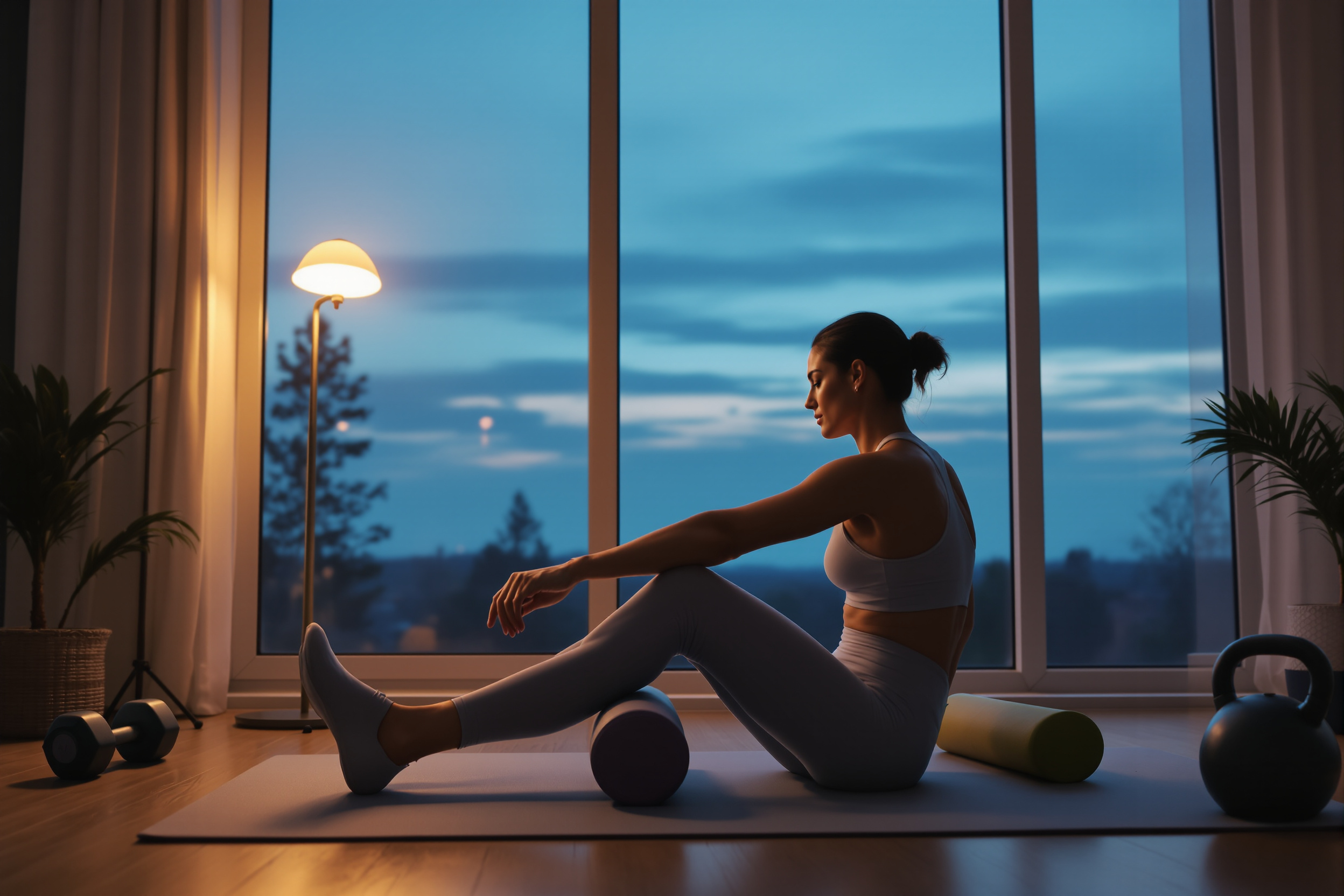
Why Timing Matters: The Science Behind Evening Workouts
Exercise timing has long sparked debate. Decades ago, experts warned that evening exertion could wire you up, making sleep elusive. Yet, newer investigations challenge this, hinting at sleep benefits that hinge on workout type, duration, and individual biology.
Strength training—think squats, rows, and deadlifts—triggers a cascade of hormonal and neurological adaptations. These adaptations are especially pertinent for adults over 40, who face declining anabolic hormone levels, reduced muscle mass, and changes in sleep quality. As sleep itself is vital for muscle recovery, focus, and even natural prostate support supplement efficacy, understanding this dynamic is crucial.
What Is Sleep Architecture?
Sleep isn’t a single, uniform state. It cycles through stages: light NREM (stages 1-2), deep slow-wave sleep (stage 3), and REM (rapid eye movement). Each phase plays a role in muscle repair, memory, and daytime energy. Slow-wave sleep is particularly important for the release of growth hormone, which helps repair muscle tissue and maintain brain function.
Why Focus on Adults Over 40?
After 40, sleep can fragment, and recovery from exercise slows. Age-related drops in testosterone, growth hormone, and changes in brain chemistry can undermine both sleep and muscle maintenance, fueling interest in interventions to counteract these changes. Many adults in this age bracket also seek brain fog remedies and prostate health support formula for men over 50, all of which can intersect with sleep and training patterns.
What the Research Shows
Recent years have brought a surge in controlled trials and meta-analyses on exercise timing and its impact on sleep and recovery, specifically among middle-aged and older adults.
The 2024 Lancet Meta-Analysis
A 2024 meta-analysis published in The Lancet synthesized results from 19 randomized controlled trials (RCTs) involving 12,400 participants aged 40 to 65. Researchers compared morning, afternoon, and evening resistance training protocols lasting 8–16 weeks. Key findings:
- Evening training (6–8 pm) improved objective sleep efficiency by 8.7% on average, compared to baseline and morning workouts.
- Participants training in the evening spent 12% longer in slow-wave sleep, measured by overnight polysomnography.
- Muscle recovery markers—including creatine kinase (CK) and muscle soreness ratings—were more favorable the morning after evening workouts than after morning sessions, suggesting enhanced overnight repair.
- Improvements in perceived “brain fog” were more pronounced in the evening exercise group, with a 24% reduction on validated cognitive clarity scales.
Swiss Clinical Trial, 2023
A 2023 Swiss RCT published in Sleep Medicine randomized 210 adults aged 45–62 to strength train either at 7 am or 7 pm, three times per week for 12 weeks. Investigators used actigraphy watches, muscle ultrasound, and blood draws to assess outcomes. The evening group:
- Reported falling asleep 18 minutes faster on average than their morning counterparts.
- Showed a 9% higher overnight muscle protein synthesis rate, suggesting superior recovery.
- Did not experience increased sleep fragmentation or waking episodes, debunking the idea that late workouts inherently disrupt rest.
- Gained more gluteal muscle thickness (average +0.7cm) compared to the morning group. For those hoping to strengthen and tone your glutes, this detail is striking.
Australian Sleep Recovery Cohort, 2022
In 2022, a cohort study in Journal of Applied Physiology followed 640 adults aged 40–70 who practiced regular resistance workouts, with sessions split between morning, afternoon, and evening. Results aligned with the above trials:
- Evening strength trainers reported better subjective sleep quality scores (Pittsburgh Sleep Quality Index) and less next-day muscle soreness.
- This group also took fewer over-the-counter brain fog remedies, highlighting a link between restful sleep and executive function.
- No significant impact on testosterone or prostate health markers was seen over the 6-month observation period, quelling some concerns about hormone timing and prostate support.
Possible Mechanisms: Why Might Evening Lifting Help?
- Temperature and Hormone Timing: Body temperature and cortisol dip naturally at night, while muscle strength and flexibility peak in the evening. Training late may align with these circadian rhythms, boosting performance and recovery.
- Growth Hormone Pulse: Resistance exercise triggers a surge in growth hormone, which pairs with the nocturnal release during slow-wave sleep for amplified muscle repair.
- Psychological Wind-Down: For many, evening workouts lower stress, reduce anxiety, and act as a buffer between work and bed, further aiding sleep onset.
Limitations and Questions That Remain
No study is perfect. While recent data tilt in favor of evening strength training for adults over 40, several caveats persist.
- Inter-individual variability: Some people remain sensitive to late stimulation, experiencing difficulty winding down after intensive exercise.
- Program specifics: Many trials focus on moderate-intensity, 45–60-minute sessions. High-intensity, lengthy, or competitive workouts after 8 pm may still delay sleep in select individuals.
- Chronic health conditions: Most participants were generally healthy, so findings may not apply to those with sleep disorders, cardiovascular disease, or advanced prostate health problems.
- Self-selection bias: Evening exercisers may differ in baseline traits (e.g., night owl tendencies), complicating broad generalization.
- Duration of effect: Few studies extended follow-up beyond 6–12 months, so whether these benefits persist long term is unclear.
Still, the consistency and size of effects are hard to ignore—especially when compared with the modest benefits seen from most over-the-counter brain fog remedies or natural prostate support supplement protocols.
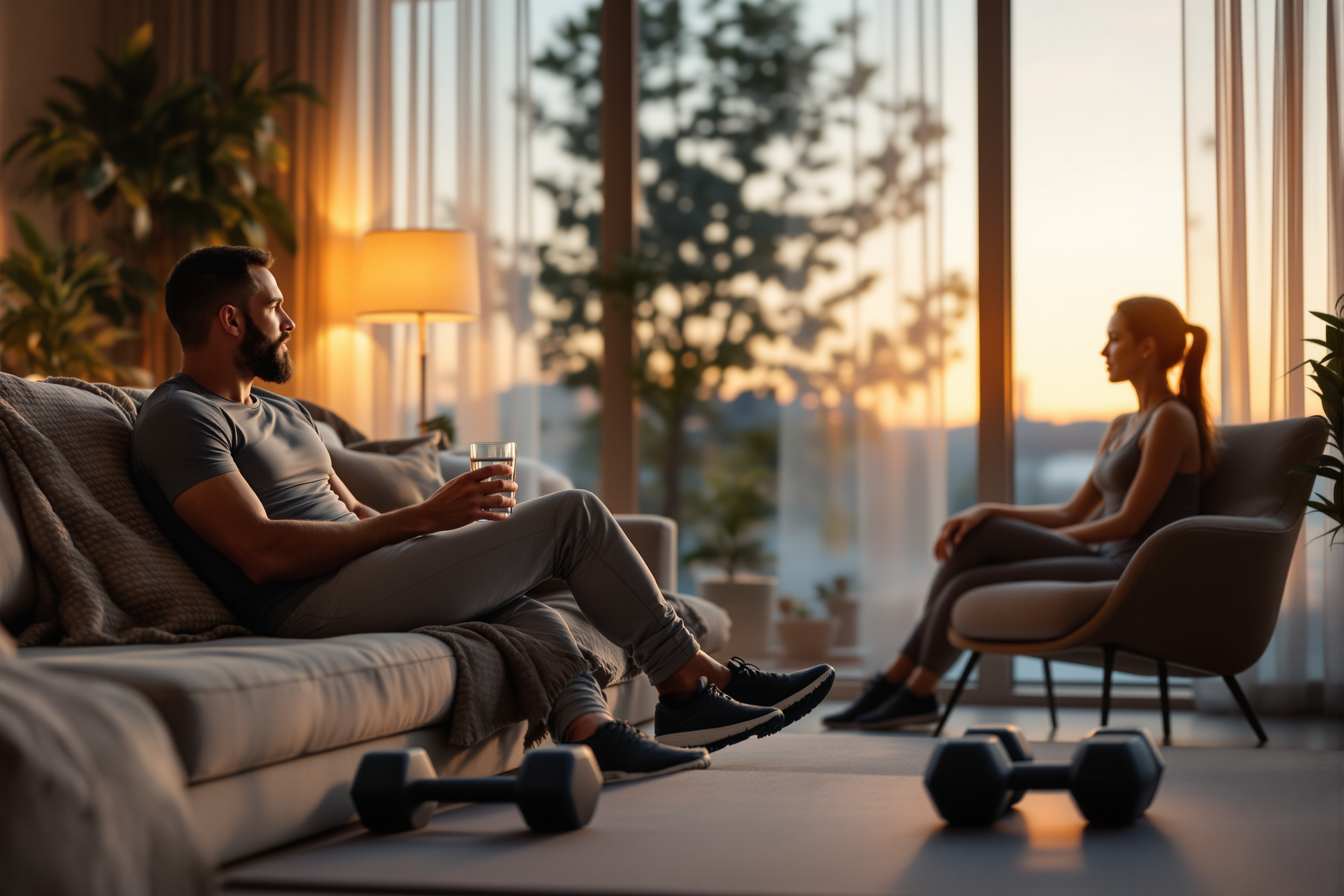
Practical Takeaways for Adults Over 40
The science is promising, but how do you apply these findings to optimize sleep, muscle recovery, and cognitive sharpness after 40?
1. Experiment with Timing—But Aim for Early Evening
Most studies found benefits when strength training ended by 8 pm. Training right before bed (within an hour) may still interfere with sleep for sensitive individuals. Aim to finish workouts 1.5–2 hours before your target bedtime.
2. Moderate Intensity and Duration Work Best
Protocols that delivered sleep and recovery gains typically used moderate resistance (60–75% of one-rep max), 2–4 sets per muscle group, and lasted 45–60 minutes. Ultra-heavy or marathon sessions might delay recovery and sleep onset.
3. Focus on Compound Movements
Exercises like squats, deadlifts, lunges, and presses—especially those that target the glutes—stimulate more muscle and hormonal response, fueling both growth and overnight repair. Want to strengthen and tone your glutes? Evening is prime time.
4. Optimize Your Post-Workout Routine
- Cool down for 10–15 minutes (light cardio, stretching, or foam rolling) to help your body transition from exertion to recovery mode.
- Refuel with a light, protein-rich snack (e.g., Greek yogurt, cottage cheese, or a protein shake) within 45 minutes of finishing. This supports overnight muscle protein synthesis.
- Hydrate, but not excessively close to bedtime to avoid sleep disruptions from nighttime bathroom trips—a particular concern for those focused on prostate health support formula for men over 50.
- Limit screen time and bright lights if possible post-workout to help your brain wind down and transition into restorative sleep cycles.
5. Track Your Own Response
Pay attention to sleep quality, next-day soreness, mood, and cognitive clarity (brain fog). Consider a wearable sleep tracker or journaling your experience over a few weeks to pinpoint what timing works best for your biology and schedule.
6. Don’t Ignore the Basics
- Maintain a regular sleep schedule (consistent bedtime/wake time).
- Prioritize a cool, dark, quiet bedroom.
- Avoid caffeine and heavy meals within three hours of sleep.
7. Talk to Your Doctor if You Have Medical Concerns
If you have known sleep disorders, cardiovascular risks, or a history of prostate health issues, discuss any major changes to your exercise routine with your healthcare provider. This is especially important if you use a natural prostate support supplement or other medications.
Who Should (and Shouldn’t) Try Evening Strength Training?
- Good candidates: Healthy adults over 40, night owls, those with demanding mornings, or people who struggle with sleep quality and muscle soreness after morning workouts.
- Approach with caution: Individuals who consistently experience sleep onset insomnia after evening exercise, shift workers, and those with uncontrolled medical conditions.
Special Considerations for Brain Fog and Prostate Health
Many middle-aged adults chase brain fog remedies and seek a prostate health support formula for men over 50. Improved sleep architecture—especially more slow-wave sleep—appears to reduce next-day “brain fog” and bolster cognitive function, according to several cited studies. For prostate health, the evidence is neutral: evening resistance training did not worsen nocturia or prostate-specific antigen levels, though staying hydrated but not overdoing fluids at night remains essential.
Our Editorial Perspective
Our editorial team reviewed the above studies and finds the evidence compelling, though not absolute. The data consistently show that for most adults over 40, evening strength training not only doesn’t disrupt sleep, it frequently improves both sleep depth and overnight muscle recovery. This stands in contrast to decades-old recommendations based more on anecdote than on controlled science.
However, individual differences matter. Some may find their sleep unaffected, while others notice subtle shifts in restfulness. The positive effects on glutes development, muscle recovery, and brain clarity are especially pertinent for readers concerned with functional strength, appearance, and daily cognitive performance. That’s a practical win for anyone fighting the dual challenges of midlife muscle loss and brain fog.
We advise readers to experiment with timing, listen to their bodies, and consult their physicians—especially if managing chronic health issues. For most, evening strength training is not only safe, but may be one of the simplest, evidence-based strategies for better sleep, recovery, and mental sharpness.
Medical Disclaimer: The information in this article is for educational purposes only and not intended as a substitute for professional medical advice, diagnosis, or treatment. Always consult your physician or qualified healthcare provider before starting or changing an exercise, diet, or supplement regimen, particularly if you have underlying health conditions.
Not Sleeping as Well as You Should?
Quality sleep is the foundation of health. Explore the natural sleep aids and recovery tools we’ve reviewed that actually deliver results.
Browse Reviewed ProductsAffiliate link — we may earn a commission at no extra cost to you. We only recommend what we genuinely trust.
Health Disclaimer
This article is for informational purposes only and is not a substitute for professional medical advice, diagnosis, or treatment. Always consult your physician or qualified healthcare provider before starting any new supplement, diet, exercise program, or health regimen. Individual results may vary.
Related Articles
The Deep Sleep Enhancement Protocol: Evening Nutrition & Movement Steps
A structured nightly protocol for adults over 40: optimize meal timing, evening nutrition, and gentle movement to boost deep sleep, based on science and practical steps.
How Sleep Consistency Boosts Recovery Speed: New Study Insights for 40+
Emerging research links consistent sleep schedules to faster physical recovery in adults over 40. This article breaks down study findings, physiological mechanisms, and actionable tips.
Your Evening Screen Time Protocol: Improve Sleep Quality & Next-Day Recovery
A step-by-step protocol to reduce evening screen time, improve sleep quality, and enhance next-day recovery, featuring practical strategies, supplementation, and science-backed advice.
Get Evidence-Based Health Tips
Join our newsletter for weekly insights on nutrition, fitness, and wellness — backed by research, not hype.