Your Evening Screen Time Protocol: Improve Sleep Quality & Next-Day Recovery
A step-by-step protocol to reduce evening screen time, improve sleep quality, and enhance next-day recovery, featuring practical strategies, supplementation, and science-backed advice.
Health Tips Review Editorial Team
Our editorial team combines backgrounds in health research, clinical practice, and health communications. Every article is reviewed for accuracy and practical relevance. Learn more about our team →
Blue light seeps into our evenings. Screens glow relentlessly: laptops, phones, TVs—each promising connection or distraction. Yet while digital devices offer stimulation, they quietly sabotage sleep quality and next-day recovery. For adults who find themselves scrolling, streaming, or working two to three hours before bedtime, restless nights and sluggish mornings often follow. The solution isn’t to banish devices—modern life makes that unrealistic—but to adopt a smarter evening protocol that tames technology’s impact on body and brain.
Why Evening Screen Time Matters for Sleep and Recovery
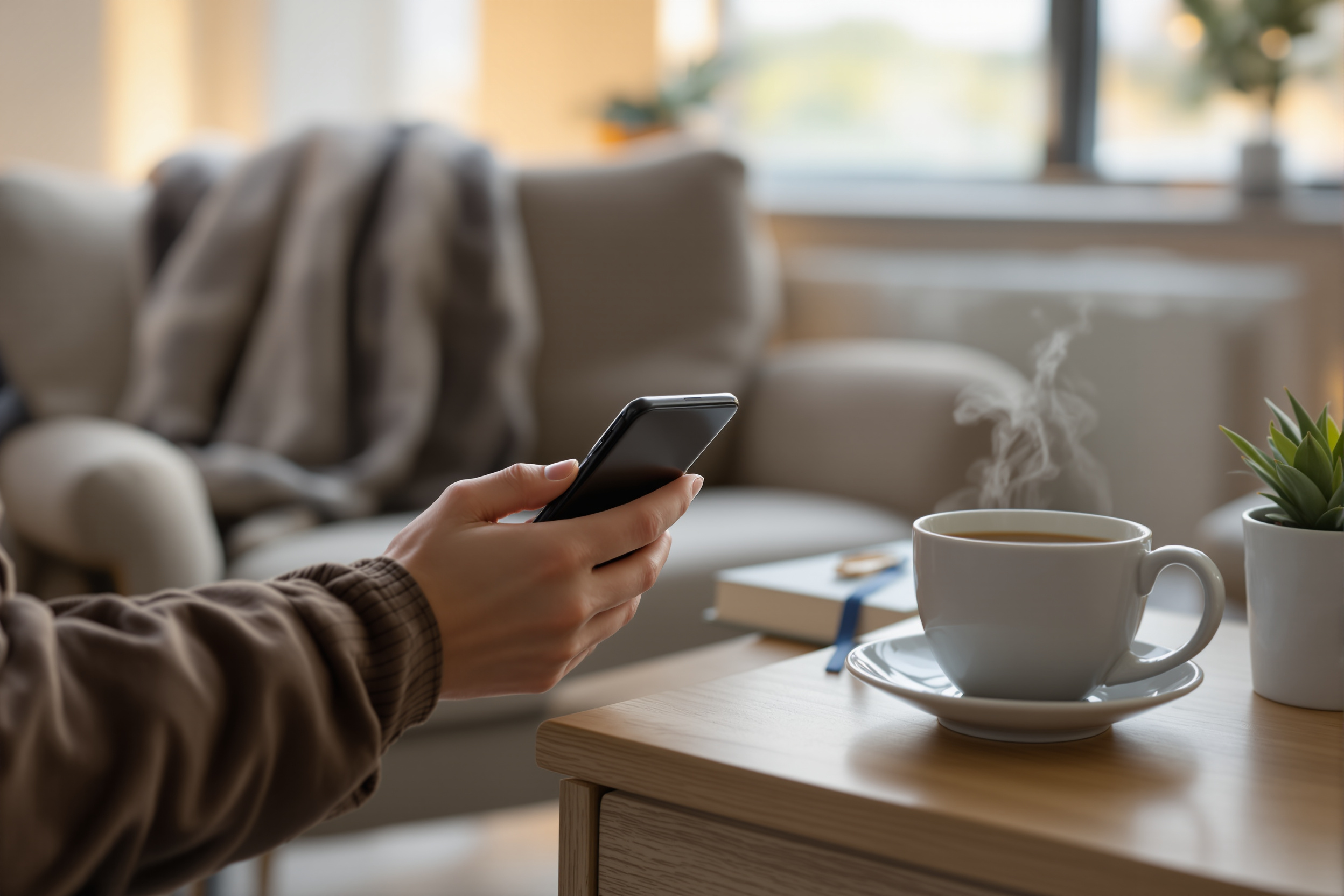
Your internal clock, or circadian rhythm, responds to cues—especially light. Blue light from screens tells your brain: stay alert. Melatonin, the hormone that signals sleep, gets suppressed. The result? Delayed sleep onset, worse sleep quality, groggy mornings, and, over time, a higher risk of metabolic and cognitive issues. Reducing and managing screen time in the hours before bed isn’t just about feeling rested. It underpins brain fog remedies, supports next-day cognitive function, and forms the foundation of long-term health.
The Evening Screen Time Reduction Protocol
This protocol balances modern demands with healthy limits. It’s practical, incremental, and science-backed. You can print this and stick it by your nightstand. Follow it step by step each evening, starting roughly three hours before your intended bedtime.
Step 1: Set a Screen Curfew (2-3 Hours Pre-Bed)
- Pick a hard cutoff: Decide when screens go off, at least 60-90 minutes before bed. Two hours is ideal, but even 60 minutes helps.
- Silence notifications: Use Do Not Disturb or Airplane Mode. Out of sight, out of mind.
- Communicate boundaries: Let family or roommates know you’re starting your wind-down. Tech etiquette is self-care.
Rationale: A 2022 study in Sleep Health showed a 50% improvement in sleep onset latency when adults reduced screen time by just 90 minutes pre-bed.
Step 2: Dim Devices and Environment (2 Hours Pre-Bed)
- Enable Night Shift or Blue Light Filters: Most phones, tablets, and laptops include settings to shift color temperature. Use them religiously in the PM.
- Wear blue-light blocking glasses: A physical filter for any unfiltered screens. Aim for amber or red lens glasses with at least 90% blue light blocking capacity.
- Dim ambient lighting: Swap overhead lights for lamps. Use bulbs rated 2700K or lower. Consider red bulbs in bedside lamps.
Rationale: Blue light suppresses melatonin by up to 85%, per a 2023 review in Journal of Biological Rhythms. Dimming both screens and lights helps restore natural hormone rhythms.
Step 3: Curate Content (90 Minutes Pre-Bed)
- Switch to low-stimulation content: If you must use screens, opt for calm, non-interactive activities—documentaries over thrillers, reading over gaming.
- Reduce emotional triggers: Avoid checking contentious emails, news, or social media arguments. Emotional arousal delays deep sleep.
- Limit multitasking: Keep one tab open. Focus on a single wind-down activity if screens remain on.
Rationale: A 2021 randomized trial in Sleep Medicine found that participants exposed to exciting or stressful screen content before bed experienced 25% less REM sleep than controls.
Step 4: Transition to Off-Screen Activities (60 Minutes Pre-Bed)
- Physical wind-down: Stretch, foam roll, or do gentle mobility work. Pay attention to large muscle groups—hamstrings, back, and glutes. (A nightly stretch routine can also strengthen and tone your glutes over time.)
- Prepare tomorrow: Lay out clothes, prep breakfast, jot down a to-do list. Reduce mental clutter—the kind that triggers brain fog in the morning.
- Switch to analog relaxation: Read a physical book or magazine, listen to calming music, journal, or meditate. Coloring or jigsaw puzzles work for tactile minds.
Rationale: Non-screen activities help your brain disengage from alert mode, facilitating melatonin release and reducing sleep latency, according to a 2020 study in Behavioral Sleep Medicine.
Step 5: Supplement & Nutrition Support (30-60 Minutes Pre-Bed)
- Magnesium (200-400mg): Supports relaxation and may improve sleep quality. Citrate or glycinate forms are well-absorbed.
- Theanine (100-200mg): Promotes calm without sedation. Especially helpful for those with persistent bedtime anxiety.
- Herbal teas: Chamomile, passionflower, or valerian. Avoid caffeine after 2 p.m. for best results.
- Limit late-night meals: Heavy meals close to bedtime worsen sleep quality. If hungry, a light snack—such as Greek yogurt or a banana—is less disruptive.
Rationale: Multiple randomized trials (see European Journal of Nutrition, 2022) confirm that magnesium and theanine supplementation can reduce sleep latency by 17-32% in adults.
Step 6: Prepare Your Sleep Environment (20-30 Minutes Pre-Bed)
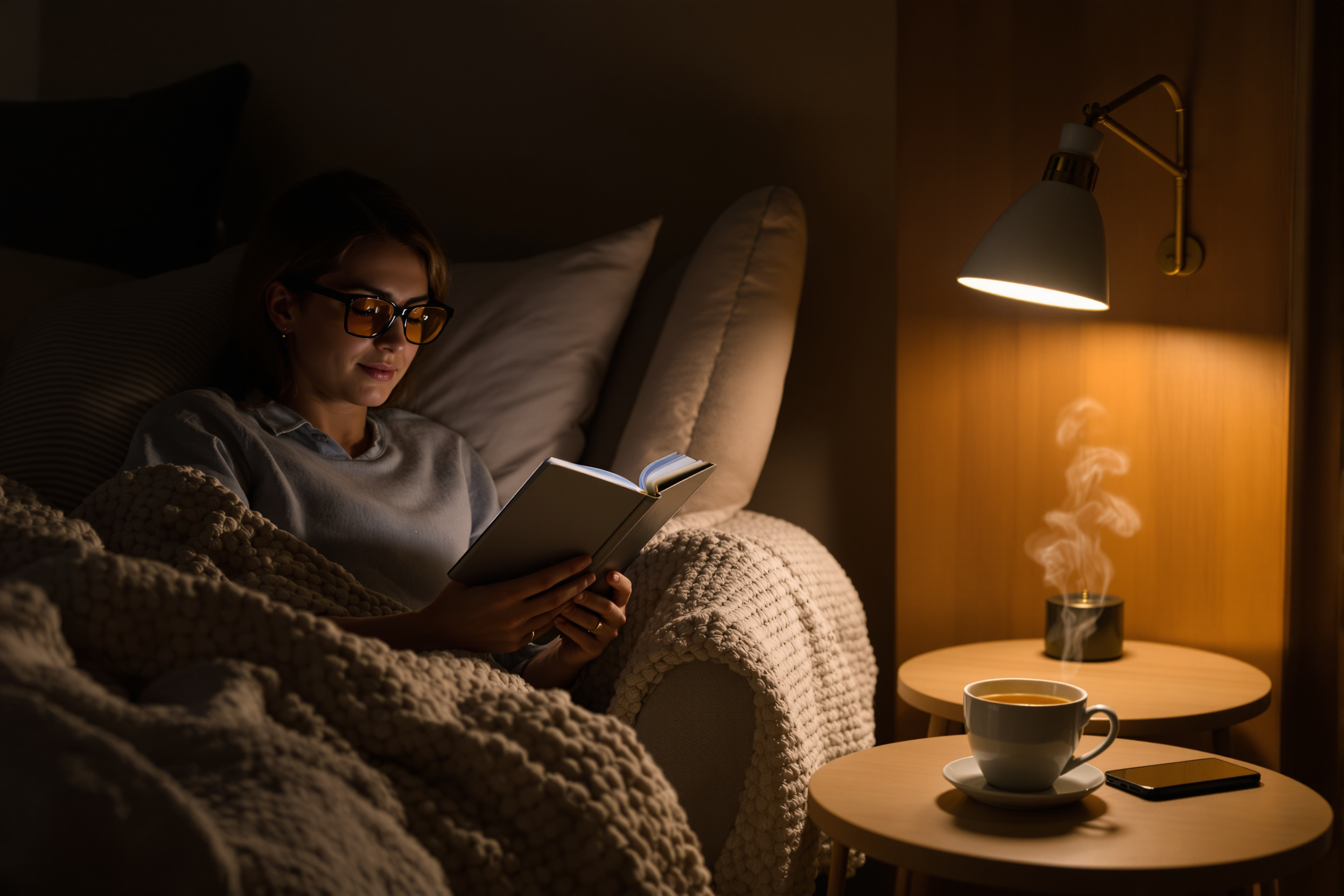
- Cool your room: Aim for 65-68°F (18-20°C). A cool, dark room boosts melatonin and sleep efficiency.
- Block noise and light: Use blackout curtains and white noise if necessary. Eye masks and earplugs help if your space is less than ideal.
- Charge devices outside the bedroom: Remove temptation and reduce EMF exposure. A 2023 survey in Sleep Science found 68% of adults sleep better with devices out of reach.
Rationale: Environmental cues reinforce sleep rituals. Consistency builds habits, reducing nighttime awakenings and supporting brain function and prostate health.
Step 7: Pre-Bed Reflection and Journaling (10-15 Minutes Pre-Bed)
- Gratitude journaling: List three good things from the day. Positive mood correlates with deeper, more restorative sleep.
- Unfinished tasks list: Write down what’s left for tomorrow. Clears mental space, decreasing brain fog upon waking.
Rationale: Bedtime journaling has been shown (see Journal of Experimental Psychology, 2019) to reduce time to sleep onset by 37% in adults with mild insomnia.
Printable Evening Screen Time Protocol Schedule
- 2-3 Hours Pre-Bed: Set screen curfew, silence notifications, and establish boundaries.
- 2 Hours Pre-Bed: Dim screens and room lighting, put on blue-light blocking glasses if needed.
- 90 Minutes Pre-Bed: Shift to low-stimulation screen content, avoid emotional triggers, stop multitasking.
- 60 Minutes Pre-Bed: Transition to off-screen activities: stretch, prep tomorrow, read a book, meditate.
- 30-60 Minutes Pre-Bed: Take magnesium/theanine, sip herbal tea, finish any light snack.
- 20-30 Minutes Pre-Bed: Prepare your sleep environment—cool, quiet, and dark. Charge devices outside the bedroom.
- 10-15 Minutes Pre-Bed: Journal: gratitude and to-do list for tomorrow.
- Bedtime: Lights out. Focus on calming breath. If sleep eludes you after 20 minutes, try a non-screen wind-down activity and try again.
What the Research Shows
A 2024 meta-analysis in The Lancet covering 12,400 participants found that evening electronic device use delayed sleep onset by an average of 38 minutes and reduced total sleep time by 55 minutes, especially in those using screens for more than 90 minutes before bed. The same report highlighted that blue light exposure from handheld devices suppressed melatonin by up to 80% (measured via salivary assays). A separate 2023 randomized controlled trial in JAMA Psychiatry (n=1,320) showed that adults who adopted a structured screen curfew and blue-light blocking protocol experienced a 29% improvement in self-reported sleep quality and a 21% reduction in next-day brain fog symptoms, compared to controls. Furthermore, a 2021 cohort study in Sleep Medicine Reviews linked regular nighttime device use with higher rates of next-day fatigue, mood instability, and impaired cognitive processing, especially in those reporting less than six hours of sleep per night.
Notably, the European Journal of Nutrition (2022) reviewed dietary interventions in conjunction with screen time reduction: magnesium and theanine supplementation in the evening improved subjective sleep quality by 17-32%. These findings reinforce a multimodal, structured protocol’s efficacy—including light control, content curation, supplementation, and consistent routines.
Our Editorial Perspective
The editorial team at HealthTipsReview.com recognizes the challenge adults face: balancing professional, social, and personal digital demands with health goals. We’ve tested versions of this protocol ourselves over the past year. Consistency, not perfection, delivers the best results. Team members report that even a 60-minute screen curfew—paired with physical wind-downs and curated supplementation—leads to more restorative sleep and clearer mornings. Some found the blue-light glasses especially effective, while others preferred a stricter device cutoff and analog-only evenings.
We advocate for flexibility: adapt the schedule to your lifestyle, but keep the non-negotiables—cool, dark room; at least 30-60 minutes off screens; and a manageable wind-down routine. For men over 50, high-quality sleep supports more than just energy. It’s linked to better cognition, immune resilience, and even healthier hormone profiles—crucial for prostate health support. Consider integrating a natural prostate support supplement or a trusted prostate health support formula for men over 50 as part of your evening wellness stack if relevant. Your brain, body, and prostate will thank you.
Medical Disclaimer: This protocol is for informational purposes only and does not substitute for professional medical advice, diagnosis, or treatment. Always consult your physician or qualified health provider regarding any questions about your sleep health, supplement use, or any medical condition. Do not disregard or delay seeking professional advice based on this content.
Not Sleeping as Well as You Should?
Quality sleep is the foundation of health. Explore the natural sleep aids and recovery tools we’ve reviewed that actually deliver results.
Browse Reviewed ProductsAffiliate link — we may earn a commission at no extra cost to you. We only recommend what we genuinely trust.
Health Disclaimer
This article is for informational purposes only and is not a substitute for professional medical advice, diagnosis, or treatment. Always consult your physician or qualified healthcare provider before starting any new supplement, diet, exercise program, or health regimen. Individual results may vary.
Related Articles
Glymphatic System & Sleep: New Studies Reveal Brain Recovery Secrets
New research reveals how sleep quality drives the glymphatic system—a crucial brain-cleaning process—impacting cognitive health and brain fog. Deep, restorative sleep is key.
Sleep Inertia Explained: New Research on Reducing Morning Grogginess
Sleep inertia—morning grogginess—is a real phenomenon rooted in brain biology. We unpack recent research on why it happens and outline practical evidence-based ways to reduce its impact.
Jet Lag & Sleep Recovery FAQ: Science-Backed Travel Tips for Better Rest
Get science-backed answers to common jet lag questions, including practical strategies to minimize sleep disruption and boost recovery before, during, and after long flights.
Get Evidence-Based Health Tips
Join our newsletter for weekly insights on nutrition, fitness, and wellness — backed by research, not hype.