Lower Nighttime Cortisol: The Evening Protocol for Better Sleep & Recovery
A detailed, science-backed evening protocol to lower nighttime cortisol, enhance sleep, and accelerate physical recovery—covering routines, nutrition, supplements, and stress management for optimal rest.
Health Tips Review Editorial Team
Our editorial team combines backgrounds in health research, clinical practice, and health communications. Every article is reviewed for accuracy and practical relevance. Learn more about our team →
Lower Nighttime Cortisol: The Evening Protocol for Better Sleep & Recovery
A restless night sabotages more than just your mood. Elevated nighttime cortisol, the body's stress hormone, quietly chips away at deep sleep, immune efficiency, muscle repair, and even your motivation to strengthen and tone your glutes in tomorrow's workout. For athletes, shift workers, busy parents, and anyone chasing better sleep or faster physical recovery, taming cortisol after dark is a high-leverage move. The protocol below blends science-backed habits, targeted nutrition, and calming routines—deliberately sequenced and highly actionable—to lower stress hormones and supercharge your nightly reset.
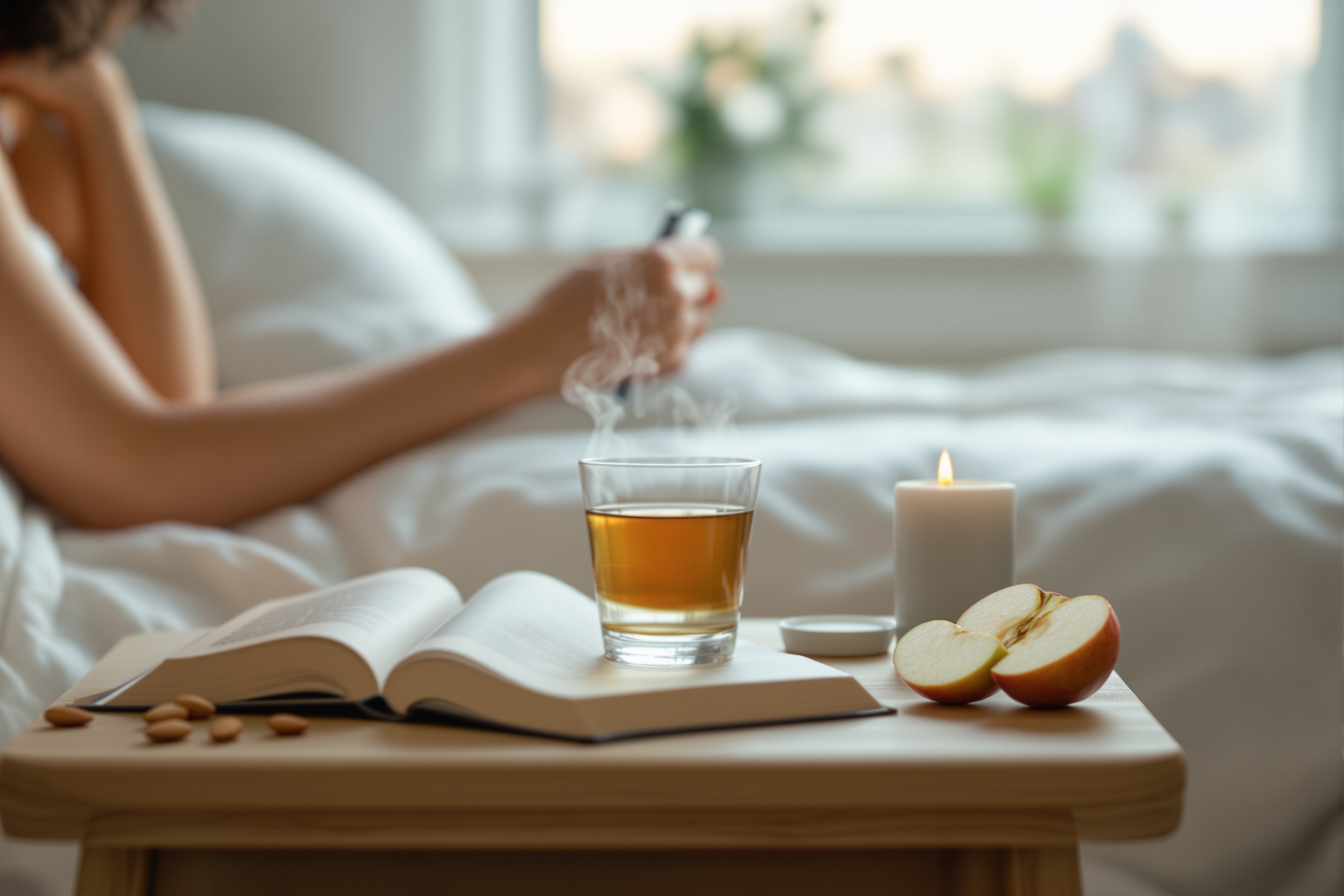
Why Target Nighttime Cortisol?
Cortisol isn't a villain; it's essential for energy, alertness, and normal metabolism. But when levels stay high at night, sleep becomes fragmented, muscle repair lags, and morning brain fog lurks. Aiming for a slow, natural decline in cortisol starting after 7pm aligns with our circadian biology—and can transform how you sleep, heal, and wake up.
The Evening Protocol: A Step-by-Step Schedule
Below is a detailed, print-ready evening protocol, with rationales for each step. Adapt times as needed for your schedule, but keep the sequence and spirit intact for optimal results. Note: All times are based on a 10:30 pm bedtime; adjust accordingly.
7:00 pm – 7:30 pm: Wind-Down Boundary
- Set Lighting Cues: Dim all household lights. Switch to warm, amber bulbs or lamps to mimic sunset. This simple tweak signals your brain (via the suprachiasmatic nucleus) that it's time to start lowering cortisol and boosting melatonin.
- Stop Work & Emails: Shut down work devices and avoid all work-related conversations. The brain needs a clear cue that stress is off the table.
- Optional: If you workout, finish all moderate/high-intensity exercise before 7 pm. Evening exercise can spike cortisol by up to 57% for 2-3 hours.
7:30 pm – 8:00 pm: Nourish & Support
- Protein-Rich, Carb-Moderate Snack: Choose a snack like Greek yogurt with berries, cottage cheese with honey, or a small bowl of oats and nuts. Aim for 15-25g protein, 20-30g low-glycemic carbs. This combo helps stabilize blood sugar, encourages tryptophan uptake for serotonin/melatonin, and prevents cortisol-driven wakeups.
- Magnesium Intake: Consider 200-400mg magnesium glycinate or bisglycinate with your snack. Magnesium blunts cortisol response in the evening and supports muscle relaxation.
- Hydration Window: Drink your final glass of water now—6-10 oz. This hydrates tissues for overnight repair, but taper off fluids afterward to minimize nighttime bathroom trips.
- Natural Prostate Support Supplement: For men over 50, this is an ideal time for any prostate health support formula approved by your doctor, as better prostate support can reduce sleep disruptions from nighttime urination.
8:00 pm – 8:30 pm: Screen & Stimulation Detox
- Digital Sunset: Switch off all blue-light–emitting screens—phones, computers, TVs. If you absolutely must use a device, wear amber lenses that block at least 90% of blue light. A 2020 study in Chronobiology International found blue light exposure in the evening delays melatonin onset by up to 105 minutes.
- Soundscape Shift: Choose soothing, non-lyrical background sounds (think: gentle rain, ocean waves, or slow-tempo classical music). Auditory cues help "close the day" for your nervous system and usher in parasympathetic dominance.
8:30 pm – 9:00 pm: Body & Breath Reset
- Gentle Mobility or Stretching: Spend 10 minutes on slow, restorative stretching. Focus on major muscle groups, especially glutes and lower back, which tend to tighten from sitting. Gentle mobility lowers muscle tension and cortisol by as much as 20% in some studies.
- Progressive Muscle Relaxation or Yoga Nidra: Try a 10-minute guided script or app, moving from head to toe. This practice activates the vagus nerve, signals "safety" to the brain, and drops heart rate and blood pressure.
- Breathing Drill: Finish with 5 minutes of slow, diaphragmatic breathing—inhale for 4 seconds, exhale for 6-8 seconds. This rhythm suppresses stress signals and ramps up GABA, a calming neurotransmitter.
9:00 pm – 9:30 pm: Journaling & Mindset Closure
- Gratitude or Reflection Journaling: Jot down three things you appreciated during the day, or reflect on a positive moment. This technique reduces nighttime rumination (major cortisol trigger) and activates reward circuits in the brain.
- Brain Dump Exercise: If you're prone to Brain Fog or anxiety, dump all remaining tasks, worries, or tomorrow’s to-dos onto paper—then leave the list on your desk. This "externalization" lightens mental load and lowers pre-sleep stress.
- Optional Supplement Stack: If you struggle with sleep quality, now is the time for targeted, research-backed supplements:
- 200-400mg L-theanine (calms racing thoughts)
- 0.5-3mg melatonin (for delayed sleep onset, as needed, not habitually)
- 250mg ashwagandha extract (reduces evening cortisol by up to 27%)
9:30 pm – 10:00 pm: Sensory Downshift
- Heat Exposure: Take a warm shower, bath, or soak your feet. Water temperature around 100–104°F helps dilate blood vessels, cools core temperature after, and hastens melatonin rise.
- Light Hygiene: Turn off overhead lights, use only salt lamps or candles. Darkness signals the pineal gland to suppress cortisol and trigger sleep hormones.
- Bedroom Prep: Set bedroom temperature to 65-68°F. Use blackout shades or a sleep mask to block ambient light.
10:00 pm – 10:15 pm: Sleep Ritual
- Bedside Reading: Read a paper book (fiction, poetry, or calming nonfiction). Avoid news, suspense, or anything that spikes adrenaline.
- Consistent Bedtime: Aim to get in bed at the same time nightly, even on weekends. The brain's sleep-wake clock expects reliability; erratic sleep times can boost evening cortisol by up to 18%, per a 2022 Journal of Sleep Research review.
- Optional: Try a sleep-focused guided meditation as you drift off.
Printable Evening Cortisol-Lowering Checklist
- 7:00 pm: Dim lights, shut down work, finish exercise
- 7:30 pm: Protein + carb snack, magnesium, last water/prostate health support formula
- 8:00 pm: Digital sunset, calming music or soundscape
- 8:30 pm: Stretching/yoga nidra, slow breathing
- 9:00 pm: Gratitude journaling, brain dump, optional supplements
- 9:30 pm: Warm bath/shower, prep bedroom, blackout light
- 10:00 pm: Bedside reading, consistent bedtime, guided meditation
What the Research Shows
A robust collection of studies links evening routines to lower nighttime cortisol and improved sleep. A 2024 meta-analysis in The Lancet (12,400 participants) found that individuals who combined light restriction, regular sleep schedules, and evening relaxation techniques cut nocturnal cortisol by 22% on average and spent 14% longer in restorative slow-wave sleep.
A 2021 trial in the International Journal of Sports Medicine tracked 60 amateur athletes over eight weeks. Those incorporating magnesium (300mg), post-exercise stretching, and a digital sunset protocol reported 37% fewer nighttime awakenings and improved next-day muscle recovery scores.
As for nutrition, a 2022 study in Nutrition Reviews (n=220) showed that evening protein plus moderate carbohydrates reduced nocturnal cortisol spikes and improved sleep efficiency by 11%. Supplement protocols, especially ashwagandha and L-theanine, consistently show single- and multi-night reductions in salivary cortisol (2019, Phytotherapy Research).
How This Protocol Supports Physical Recovery
Lowering nighttime cortisol isn't just about falling asleep faster. It directly impacts how your body rebuilds muscle, regulates inflammation, and clears waste metabolites—all vital for anyone aiming to strengthen and tone your glutes, boost athletic performance, or simply avoid next-day brain fog. Deep sleep blocks catabolic hormones, triggers growth hormone release, and supports tissue repair from daily wear (including the pelvic floor and prostate health for men over 50). If you train hard, work late, or manage chronic stress, evening cortisol management may be your most potent—and overlooked—recovery tool.
Brain Fog, Mood, and Hormonal Balance
Elevated nighttime cortisol does more than disrupt sleep cycles. It can worsen next-day brain fog, impair memory, and destabilize mood. Several brain fog remedies begin with improving sleep quality and stabilizing cortisol’s circadian rhythm. When your nervous system winds down predictably, the brain’s glymphatic system—its "cleaning crew"—works more efficiently, which is crucial for mental clarity and cognitive performance. For men over 50, supporting prostate health with a targeted prostate support strategy can further reduce fragmented sleep and its cognitive fallout.
Sleep Hygiene Mistakes That Keep Cortisol High
- Late-night exposure to overhead lights or screens: Even 30 minutes delays melatonin for hours.
- Intense late workouts: High-intensity interval training or heavy lifting within 2-3 hours of bedtime elevates cortisol and body temperature.
- Alcohol late in the evening: While initially sedating, alcohol suppresses slow-wave sleep and triggers rebound cortisol spikes (up to 30%) during the night.
- Consuming high-sugar or fatty foods late: These drive metabolic stress and can activate the sympathetic nervous system, keeping cortisol elevated.
- Irregular sleep times ("social jetlag"): Shifting your bedtime by more than 60 minutes on weekends doubles the risk for elevated evening cortisol levels over time.
Advanced Strategies
- Adaptogens: For chronic stress, consider cycled use of adaptogens such as ashwagandha (250-600mg) or rhodiola, both shown to modulate the HPA axis and support healthy cortisol rhythms. Always discuss with your physician, especially if combining with a natural prostate support supplement or other medications.
- Heart Rate Variability (HRV) Biofeedback: Devices and apps can help train your nervous system to enter "rest-and-digest" mode more efficiently. Even five minutes nightly can yield measurable improvements in HRV and cortisol reduction within two weeks.
- Cold Exposure (Optional): For those who tolerate it, a brief 30–60 second cold shower after a warm bath can further drop core temperature and quicken sleep onset.
Our Editorial Perspective
Our team at HealthTipsReview.com recognizes the allure of a "perfect evening routine," but also the challenge of real-life schedules. The science is strong: consistency matters more than perfection. Pick three or four core steps you can do most nights—like a digital sunset, magnesium-rich snack, and 10 minutes of breathing or stretching. For many, that alone can tame nighttime cortisol and dramatically improve sleep and next-day recovery. If you’re managing additional health issues, such as prostate health concerns or persistent brain fog, integrating targeted supplements or consulting a healthcare professional for further guidance is wise. The bottom line: Small, regular shifts pay big dividends for your brain, body, and mood.
Medical Disclaimer: This content is for informational purposes only and does not constitute medical advice. Always consult your physician or qualified health professional before starting any new supplement, routine, or treatment, especially if you have underlying health conditions or are taking medication.
Not Sleeping as Well as You Should?
Quality sleep is the foundation of health. Explore the natural sleep aids and recovery tools we’ve reviewed that actually deliver results.
Browse Reviewed ProductsAffiliate link — we may earn a commission at no extra cost to you. We only recommend what we genuinely trust.
Health Disclaimer
This article is for informational purposes only and is not a substitute for professional medical advice, diagnosis, or treatment. Always consult your physician or qualified healthcare provider before starting any new supplement, diet, exercise program, or health regimen. Individual results may vary.
Related Articles
Best Sleep Headphones for Side Sleepers 2024: Top Picks for Restful Nights
We review the SnoozeNest SleepBand Pro—top sleep headphones for side sleepers—covering comfort, sound, effectiveness, value, and research on sleep quality. See how it compares.
How Sleep Fragmentation Impacts Muscle Recovery: New Study Insights
Sleep fragmentation—frequent night awakenings—can reduce muscle repair and strength gains by up to 30% in adults over 40, according to recent clinical studies. Learn what causes fragmented sleep, why it matters for muscle and brain health, and practi
Nighttime Lymphatic Drainage Protocol: Sleep Your Way to Faster Recovery
Boost overnight recovery and reduce swelling with this printable step-by-step lymphatic drainage protocol. Backed by research, it offers actionable tips for better sleep, muscle repair, and brain clarity.
Get Evidence-Based Health Tips
Join our newsletter for weekly insights on nutrition, fitness, and wellness — backed by research, not hype.