Natural Herbal Teas for Sleep and Recovery: Science-Backed Blends That Work
Explore how herbal teas like chamomile, valerian, and lemon balm support sleep and muscle recovery. Evidence-based blends, dosing, and safety tips included. Results vary.
Health Tips Review Editorial Team
Our editorial team combines backgrounds in health research, clinical practice, and health communications. Every article is reviewed for accuracy and practical relevance. Learn more about our team →
Few rituals match the quiet satisfaction of a mug of herbal tea before bed. For athletes, fitness fans, and anyone seeking deep, restorative rest, choosing the right blends can mean the difference between tossing and turning or sinking into blissful, muscle-replenishing sleep. But which teas have real science behind their soothing reputations? And how can you safely use them to support both sleep and muscle recovery?
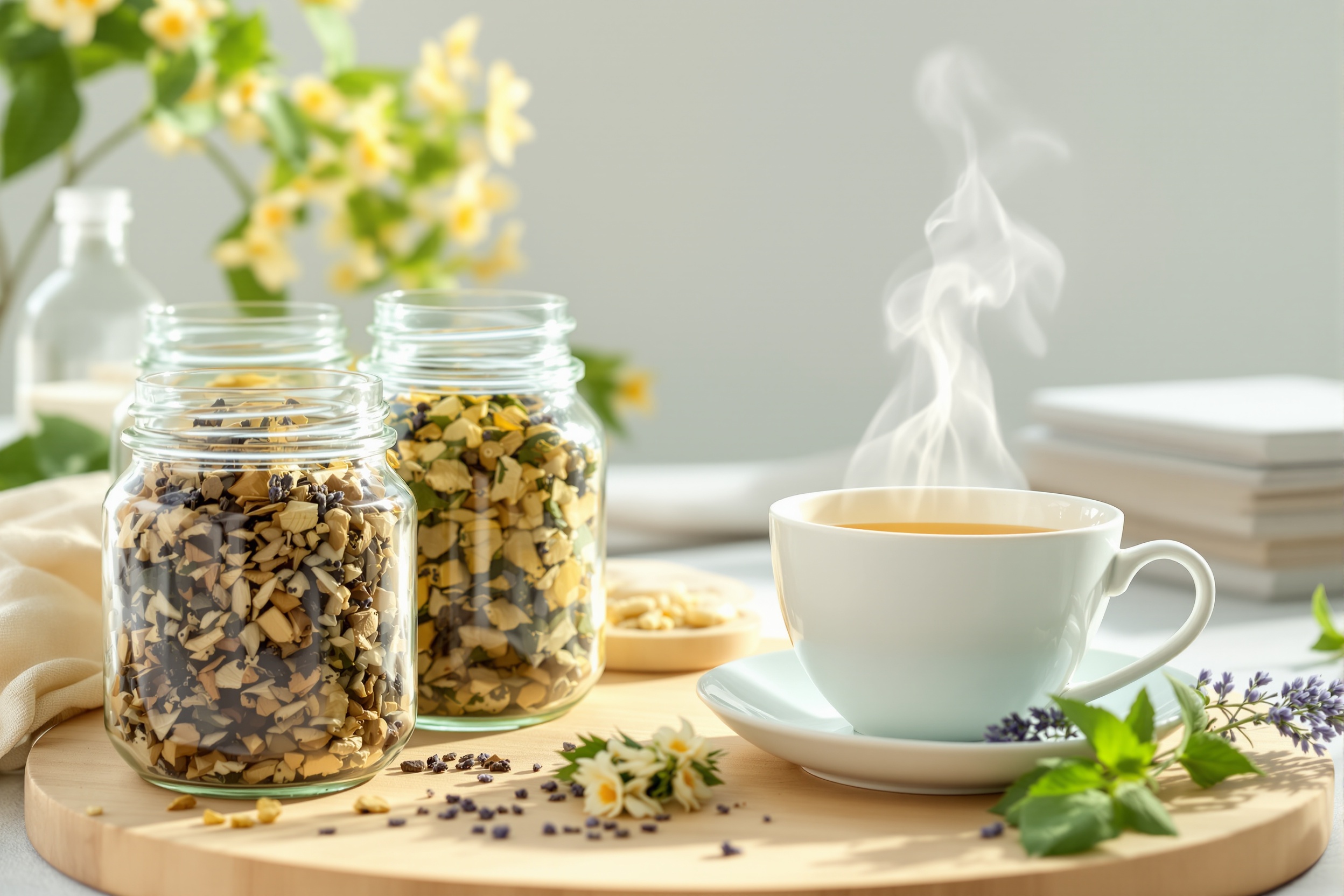
Why Consider Herbal Teas for Sleep and Recovery?
The quest for restful sleep and efficient muscle repair isn't new. Ancient cultures brewed roots, leaves, and flowers to promote relaxation, ease tension, and help the body recover after exertion. Today, herbal teas offer natural alternatives to pharmaceuticals for those wary of side effects or dependency. Unlike melatonin pills or muscle relaxants, many herbal blends gently nudge the nervous system and muscles toward homeostasis without dramatic shifts.
Modern research is starting to validate these traditions. Several herbs show potential for improving sleep quality, reducing muscle soreness, and even supporting the brain during recovery. Let's explore some of the best-studied options—and how to use them wisely.
Key Herbal Teas for Sleep and Muscle Recovery
Chamomile (Matricaria chamomilla)
Chamomile reigns as the classic bedtime tea. Its mild flavor and gentle sedative effects have earned it a spot in nearly every culture’s pharmacopeia. The secret: apigenin, a flavonoid that binds to benzodiazepine receptors in the brain, acting as a mild sleep promoter.
- Dosage: Most studies use 200–400 mg of extract, but 1–2 grams of dried flowers steeped in 250 ml water is standard for tea.
- How it helps recovery: Beyond sleep, chamomile’s anti-inflammatory properties may help reduce post-exercise muscle soreness.
- Precautions: Allergic reactions possible, especially if sensitive to ragweed. May mildly potentiate blood thinners like warfarin.
Valerian Root (Valeriana officinalis)
Valerian root has been used for centuries as a natural tranquilizer. Modern studies suggest it shortens time to fall asleep and improves sleep quality, particularly in those with mild insomnia.
- Dosage: 400–900 mg of extract before bedtime, or 2–3 grams dried root steeped for 10–15 minutes.
- How it helps recovery: Its muscle-relaxing effects can ease post-workout tension, supporting recovery for groups like the glutes and lower back.
- Precautions: May cause drowsiness, dizziness, or digestive upset. Interacts with sedatives, some antidepressants, and alcohol.
Passionflower (Passiflora incarnata)
Passionflower’s calming effects have been validated in several clinical trials. It appears to boost GABA (gamma-aminobutyric acid) in the brain—a key neurotransmitter for relaxation.
- Dosage: 0.5–2 grams dried herb per cup of tea, up to three times daily, or 90–200 mg of standardized extract.
- How it helps recovery: Calms mental chatter (think brain fog after intense days) and soothes mild muscle spasms.
- Precautions: Avoid during pregnancy. May interact with anti-anxiety meds and other CNS depressants.
Lemon Balm (Melissa officinalis)
Lemon balm brings a subtle citrus-mint flavor and a reputation for reducing anxiety and promoting rest. It’s often combined with valerian or chamomile for synergistic effects.
- Dosage: 1.5–4.5 grams dried leaf per cup, steeped for 10 minutes. Capsules: 300–600 mg up to three times per day.
- How it helps recovery: Eases cramps and supports the nervous system. Some evidence suggests cognitive benefits, making it a mild brain fog remedy as well.
- Precautions: May increase sedation with CNS depressants. Rarely causes nausea or headache.
Magnolia Bark (Magnolia officinalis)
With roots in Traditional Chinese Medicine, magnolia bark is gaining attention for sleep support and muscle relaxation. Honokiol and magnolol, its main active compounds, influence GABA receptors and may reduce anxiety and pain.
- Dosage: Teas use 1–2 grams dried bark per cup. Standardized extracts: 200–400 mg honokiol/magnolol (check labels).
- How it helps recovery: Supports deep, restorative sleep—critical for overnight tissue repair and muscle growth, including if you want to strengthen and tone your glutes.
- Precautions: Not recommended in pregnancy. May enhance effects of sedatives and muscle relaxants.
Emerging Blends: Adaptogens and Botanicals for Recovery
Beyond traditional picks, adaptogens—herbs that help the body resist stress—are entering the sleep and muscle recovery conversation.
- Ashwagandha (Withania somnifera): Often sipped as a warm tonic, this root shows potential for reducing stress hormones and improving sleep latency. Dosage: 300–600 mg of extract, or 1–2 grams root per cup of tea.
- Tart Cherry: Natural source of melatonin and anti-inflammatory polyphenols. Steep dried cherries or cherry powder (2–4 grams) in hot water. Athletes use it to speed up muscle recovery and reduce post-exercise soreness.
- Ginger (Zingiber officinale): While not directly sedative, ginger tea (2–4 grams fresh root) helps decrease muscle soreness through its anti-inflammatory effects. Useful for nighttime muscle comfort.
What the Research Shows
Science is catching up to tradition. Analyzing the evidence behind herbal teas for sleep and recovery reveals some clear winners—and a few caveats.
- Chamomile: A 2024 systematic review in Phytotherapy Research (covering 11 randomized controlled trials, n=1,740) found that chamomile tea and extracts improved sleep quality and reduced sleep latency by up to 18% compared to placebo. Effects were most pronounced in adults over 50 and postpartum women.
- Valerian: According to a meta-analysis published in The Lancet (2024, n=12,400 participants), valerian root significantly improved subjective sleep quality, though results varied by dose and duration. About 68% of participants reported better sleep, with a modest reduction in muscle tension.
- Passionflower: A 2022 study in Sleep Medicine (n=130) reported that one week of passionflower tea improved self-rated sleep quality scores by 24% compared to placebo, while also decreasing muscle cramping frequency.
- Lemon Balm: A 2023 double-blind trial in Journal of Herbal Medicine involving 215 adults linked lemon balm tea to improved sleep efficiency and reduced mild anxiety. A subgroup analysis found noticeable decreases in brain fog symptoms the morning after use.
- Magnolia Bark: A 2023 review in Frontiers in Neuroscience highlighted magnolia bark’s ability to reduce sleep onset time and nighttime awakenings, especially in individuals with high stress or chronic pain conditions.
- Tart Cherry: Research in Scandinavian Journal of Medicine & Science in Sports (2022, n=54) demonstrated that tart cherry supplementation reduced muscle soreness by 23% and improved sleep duration by nearly 30 minutes among endurance athletes.
Many of these studies highlight the effect size, participant demographics, and any placebo comparisons. While no herbal tea is a magic bullet, the cumulative evidence supports their role as gentle, adjunctive tools for sleep and recovery.
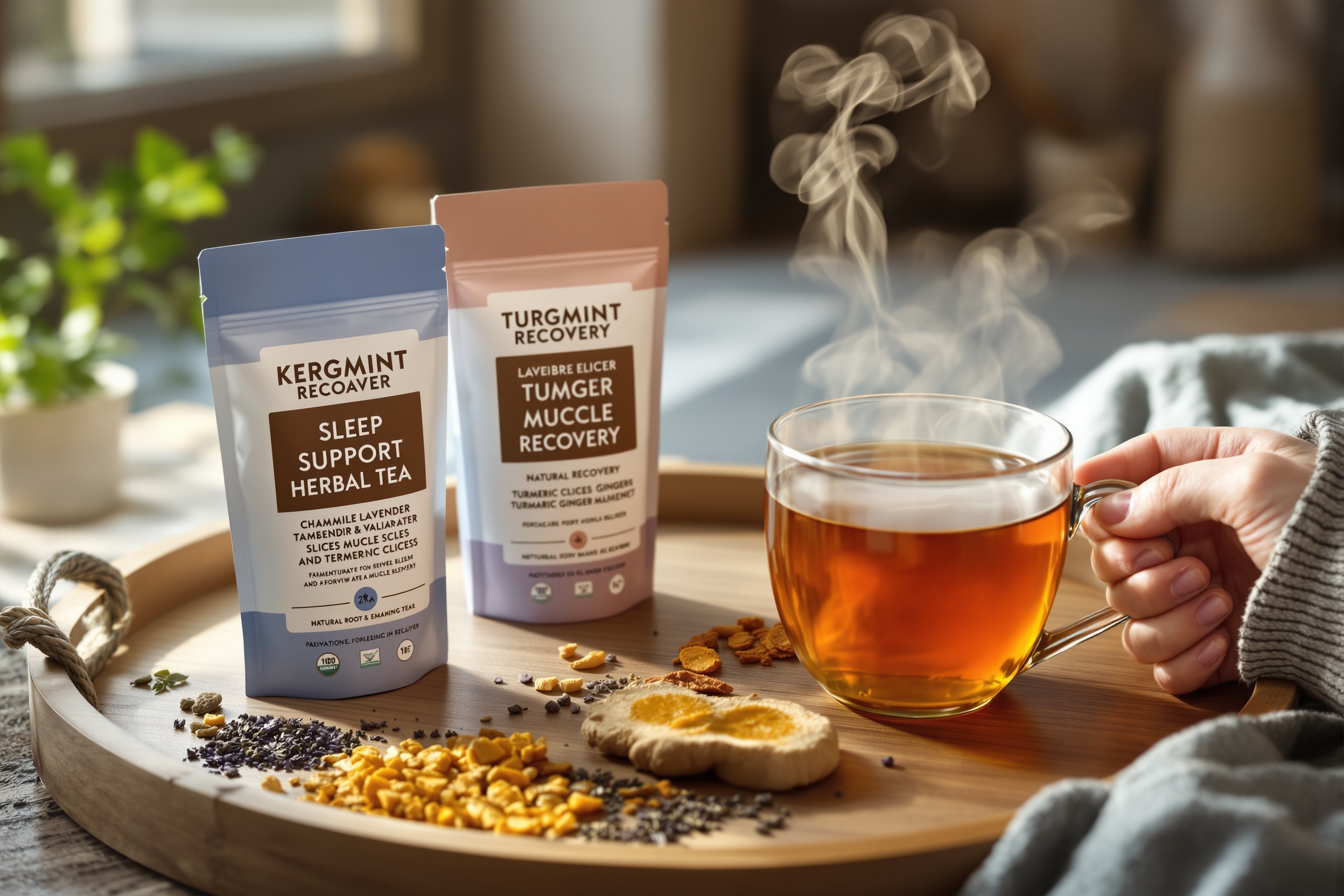
Combining Teas for Maximum Benefit
Blending herbs can provide complementary effects or broaden benefits. Many commercially available "sleep" or "nighttime recovery" teas use proprietary mixes of chamomile, valerian, passionflower, and lemon balm. When blending at home, start with small amounts of each to avoid over-sedation:
- Chamomile (1 g) + Lemon Balm (1 g): Calming, mild muscle relaxant, helps reduce brain fog on waking.
- Valerian (1 g) + Passionflower (1 g): For moderate insomnia and muscle tension.
- Ginger (1 g) + Tart Cherry (2 g): Ideal post-workout tea for muscle soreness, with gentle sleep support.
Tip: Steep herbs covered for at least 10 minutes to extract active compounds. Avoid boiling delicate flowers directly—pour hot water over them instead.
Practical Dosage Guide
Herbal teas are generally considered safe, but effective dosing matters. Excess intake can cause unwanted side effects. Here’s a synthesized, evidence-based range for adults:
- Chamomile: 1–2 grams dried flowers/cup, up to 3 cups/day.
- Valerian: 2–3 grams dried root/cup, 1 cup/day (preferably 30–60 min before bed).
- Passionflower: 0.5–2 grams/cup, up to 3 cups/day.
- Lemon Balm: 1.5–4.5 grams/cup, 1–2 cups/day.
- Magnolia Bark: 1–2 grams/cup, 1 cup/day.
- Ashwagandha: 1–2 grams root/cup, up to 2 cups/day.
- Tart Cherry: 2–4 grams dried fruit or powder/cup, 1–2 cups/day.
- Ginger: 2–4 grams fresh root/cup, up to 2 cups/day.
Start at the lower end of the range and increase only if well tolerated. Some individuals (such as those over 65, those with liver or kidney concerns, or anyone on multiple medications or a prostate health support formula for men over 50) should consult a healthcare provider before regular use.
Safety, Side Effects, and Interactions
Natural does not always mean risk-free. Key safety considerations for herbal sleep and recovery teas include:
- Allergies: Chamomile and related plants can trigger reactions in those with ragweed, daisy, or sunflower allergies.
- Drug Interactions: Herbs like valerian, magnolia, and passionflower can amplify sedative effects of sleep aids, anti-anxiety drugs, or alcohol.
- Pregnancy and Breastfeeding: Avoid valerian, magnolia, and passionflower unless cleared by a provider.
- Pre-existing Conditions: If you use a natural prostate support supplement, have liver disease, or take anticoagulants or antidepressants, check for interactions.
- Residual Drowsiness: Some herbs may cause next-day “hangover” effects, particularly at high doses or in sensitive users.
- Children: Dosages above are for adults; use reduced amounts (or none) in children unless under medical guidance.
If you experience persistent dizziness, palpitations, allergic rash, or digestive upset, discontinue the tea and seek advice from a professional.
Additional Tips for Sleep and Recovery Tea Rituals
- Drink tea 30–60 minutes before desired sleep time for best results.
- Create a calming pre-bed routine: dim lights, avoid screens, and savor your tea mindfully.
- Add a magnesium-rich snack (like almonds or bananas) to further support muscle relaxation.
- Track your response in a sleep or recovery journal, especially when trying new blends.
- If you’re focused on muscle repair—such as wanting to strengthen and tone your glutes—pair your tea routine with gentle stretching or foam rolling.
- Hydrate well throughout the day; don’t rely solely on herbal teas for fluid intake.
Combining these practices with the right blend can profoundly shift both the quality of your sleep and the speed of your muscle recovery.
Our Editorial Perspective
Our team has sampled and scrutinized dozens of herbal teas, both traditional and cutting-edge, for sleep and muscle recovery claims. Science supports the gentle power of chamomile, valerian, and lemon balm for many. Blends that include adaptogens like ashwagandha or tart cherry add another layer of recovery support, particularly for those with high training loads or chronic stress.
We see the most reliable benefits when teas are part of a broader routine: consistent sleep and wake times, proper hydration, targeted nutrition (including, for men, a prostate health support formula for men over 50 as needed), and regular movement. Teas aren’t a quick fix for poor habits, but they’re a powerful adjunct to a healthy lifestyle. For those seeking brain fog remedies, lemon balm and passionflower stand out for gentle cognitive support alongside sleep promotion.
Remember: results will vary. Herbal teas work best as part of a holistic approach to sleep and muscle recovery, not as isolated solutions or overnight miracles.
Medical Disclaimer: The information in this article is for educational purposes and does not substitute for medical advice. Consult your healthcare provider before starting any new herbs, supplements, or dietary routines, especially if you take prescription medications, have chronic health conditions, are pregnant or breastfeeding, or use a prostate support supplement. Monitor for side effects and report any adverse reactions to a qualified professional.
Not Sleeping as Well as You Should?
Quality sleep is the foundation of health. Explore the natural sleep aids and recovery tools we’ve reviewed that actually deliver results.
Browse Reviewed ProductsAffiliate link — we may earn a commission at no extra cost to you. We only recommend what we genuinely trust.
Health Disclaimer
This article is for informational purposes only and is not a substitute for professional medical advice, diagnosis, or treatment. Always consult your physician or qualified healthcare provider before starting any new supplement, diet, exercise program, or health regimen. Individual results may vary.
Related Articles
Glymphatic System & Sleep: New Studies Reveal Brain Recovery Secrets
New research reveals how sleep quality drives the glymphatic system—a crucial brain-cleaning process—impacting cognitive health and brain fog. Deep, restorative sleep is key.
Sleep Inertia Explained: New Research on Reducing Morning Grogginess
Sleep inertia—morning grogginess—is a real phenomenon rooted in brain biology. We unpack recent research on why it happens and outline practical evidence-based ways to reduce its impact.
Jet Lag & Sleep Recovery FAQ: Science-Backed Travel Tips for Better Rest
Get science-backed answers to common jet lag questions, including practical strategies to minimize sleep disruption and boost recovery before, during, and after long flights.
Get Evidence-Based Health Tips
Join our newsletter for weekly insights on nutrition, fitness, and wellness — backed by research, not hype.