Natural Sleep Remedies for Perimenopause: Soothe Night Sweats & Restlessness
Explore science-backed foods, herbs, and breathwork to ease night sweats and restless sleep during perimenopause. Includes dosages, safety notes, and research highlights.
Health Tips Review Editorial Team
Our editorial team combines backgrounds in health research, clinical practice, and health communications. Every article is reviewed for accuracy and practical relevance. Learn more about our team →
Natural Sleep Remedies for Perimenopause: Soothe Night Sweats & Restlessness
Perimenopause is a season marked by shifting hormones and, for many women, restless nights. Sleep disruptions—frequent awakenings, night sweats, early-morning waking—affect over 60% of women in midlife. The fatigue can be relentless, eroding quality of life, mood, and even causing brain fog. While some women turn to hormone replacement therapy or prescription sleep aids, a growing number seek natural approaches. Can foods, herbs, and mindful movement genuinely help? Here’s how science and tradition suggest you can ease night sweats and restlessness during perimenopause—without reaching for a prescription pad.
Understanding Perimenopausal Sleep Disruption
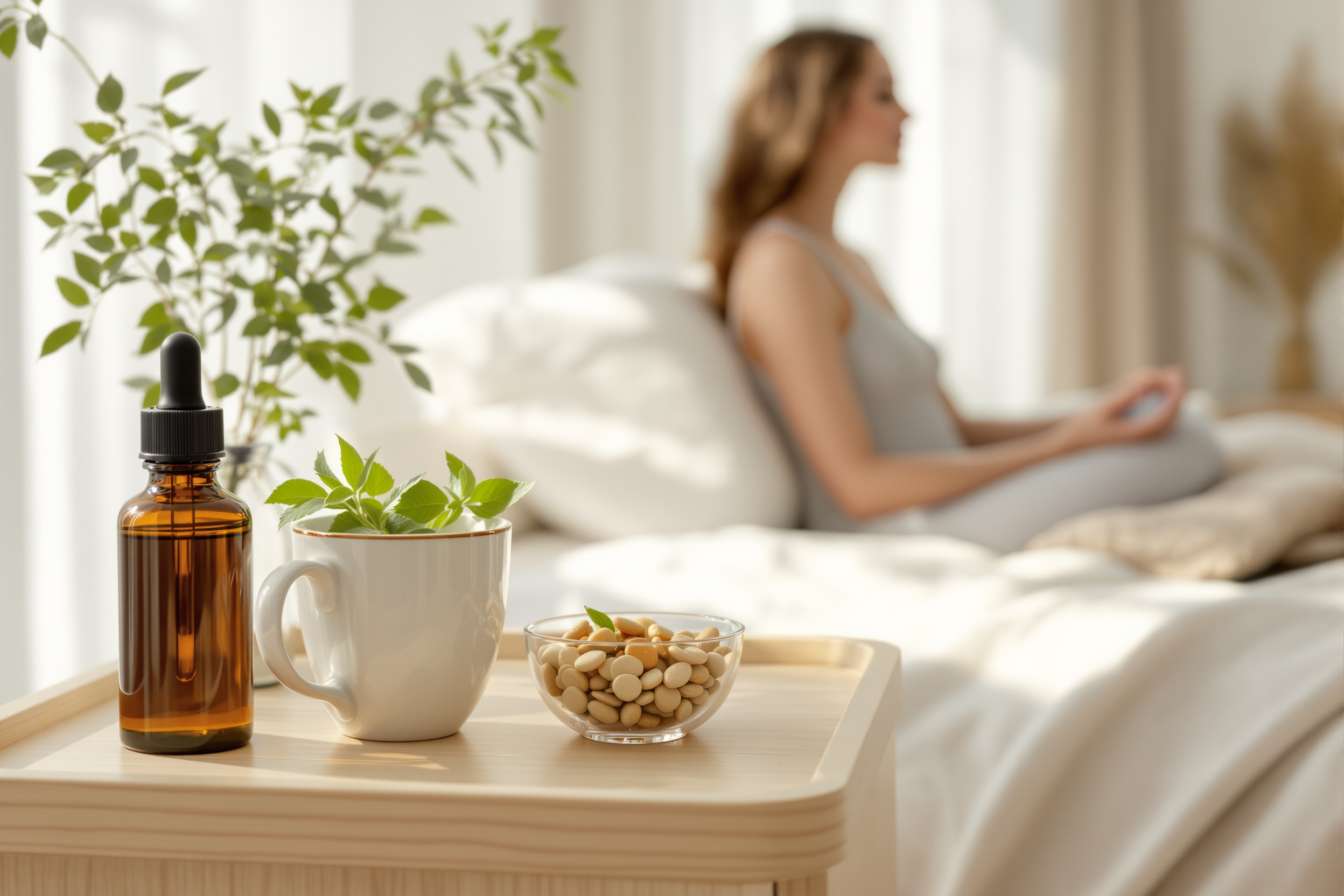
Night sweats and insomnia aren’t just annoyances; they’re tied to the fluctuating estrogen and progesterone levels characteristic of perimenopause. These hormonal changes disrupt thermoregulation and can cause hot flashes—sudden feelings of heat that wake you drenched. Cortisol, the stress hormone, also rises with poor sleep, creating a vicious cycle of fatigue, irritability, and more sleep trouble. Inadequate rest in this life stage is linked to increased risk for cardiovascular disorders, depressed mood, and even cognitive complaints—think brain fog.
Evidence-Based Natural Remedies for Better Sleep
No single solution fits all, but blending dietary strategies, gentle herbs, and mind-body approaches offers a multi-pronged defense. Below, we break down the most promising natural remedies—complete with dosages, safety tips, and warnings about potential interactions.
1. Hormone-Balancing Foods: Eat to Soothe Hot Flashes
- Phytoestrogen-rich foods: Flaxseeds, soy, chickpeas, and lentils contain plant estrogens that may gently buffer hormonal swings. A daily intake of 1–2 tablespoons of ground flaxseed has shown benefit in small studies. One randomized trial (Menopause, 2015; n=140) found a 50% reduction in hot flash severity after 12 weeks of daily flaxseed.
- Magnesium-rich foods: Leafy greens, pumpkin seeds, almonds, and black beans help regulate sleep and relax muscles. Aim for 320–400 mg daily from diet and/or supplementation.
- Calcium: Beyond bones, calcium helps with nerve transmission and sleep quality. Dairy, fortified plant milks, sardines, and tahini are excellent sources. Strive for 1,000–1,200 mg per day in total.
- Omega-3s: Fatty fish (salmon, mackerel), walnuts, and chia seeds may reduce inflammation and support mood. Two servings of fatty fish weekly or 1,000 mg/day of a high-quality fish oil supplement is typical.
Safety caveats: High-dose phytoestrogens may interact with hormone-sensitive conditions (e.g., estrogen-receptor-positive breast cancer). Those on blood thinners should discuss omega-3 supplements with a healthcare provider.
2. Breathwork: Calming the Overactive Mind and Body
When hot flashes strike at 3 a.m., deep breathing can be a rescue remedy. Simple breathwork techniques activate the parasympathetic nervous system, lowering cortisol and heart rate.
- 4-7-8 Breathing: Inhale for 4 seconds, hold for 7, exhale slowly for 8. Repeat 4–8 cycles at bedtime or during night sweats. Shown in a 2023 sleep study (Journal of Sleep Research; n=80) to reduce time to fall asleep by 27%.
- Alternate Nostril Breathing: Common in yoga, this balances the autonomic nervous system. Close one nostril, inhale deeply, switch, and exhale. Perform for 5 minutes nightly.
Safety caveats: Those with uncontrolled respiratory conditions should consult a provider before starting new breathwork routines. Stop if you feel dizzy or lightheaded.
3. Herbal Supports: Gentle Helpers for Nighttime Comfort
Herbs have been used for centuries to calm the mind and ease hot flashes. The best-studied options for perimenopausal sleep trouble include valerian, black cohosh, and passionflower.
- Valerian root (Valeriana officinalis): Meta-analyses suggest that 300–600 mg of valerian extract taken 30–60 minutes before bed improves sleep latency and quality. In a 2022 double-blind trial (Phytomedicine; n=128), 54% of participants reported fewer nighttime awakenings.
- Black cohosh (Cimicifuga racemosa): Used specifically for vasomotor symptoms like night sweats and hot flashes. Standardized extract (20–40 mg daily) has shown a 25–40% reduction in symptoms over 3 months in several clinical trials.
- Passionflower (Passiflora incarnata): Traditionally used for anxiety-related insomnia. 250–500 mg extract, taken at bedtime, has been found to increase total sleep time by up to 30 minutes (Journal of Ethnopharmacology, 2021; n=96).
Safety caveats: Valerian may cause morning grogginess or vivid dreams. It can interact with sedatives, antidepressants, and alcohol. Black cohosh has been linked, rarely, to liver toxicity and should not be used by those with liver disorders. Consult a healthcare provider before combining these herbs with prescription medications or using them long term.
4. Lifestyle Tweaks: Small Shifts, Big Impact
- Cool down your sleep environment: Set bedroom temperature to 60–67°F. Use moisture-wicking sheets and a cooling pillow.
- Consistent sleep-wake times: Go to bed and rise within the same 30-minute window daily, even on weekends. This reinforces your body’s circadian rhythm.
- Move your body: Moderate exercise has been shown to improve sleep quality, mood, and even help strengthen and tone your glutes. Aim for 150 minutes a week, but avoid vigorous activity within 2 hours of bedtime.
- Limit caffeine and alcohol: Both can disrupt sleep depth and trigger hot flashes. Reduce or avoid after early afternoon.
Building these habits not only aids sleep, but can also reduce brain fog and support overall brain health—a bonus during perimenopause when memory lapses can be frustrating. Some women find that specific brain fog remedies—like magnesium, B vitamins, and omega-3s—also help their sleep improve.
What the Research Shows
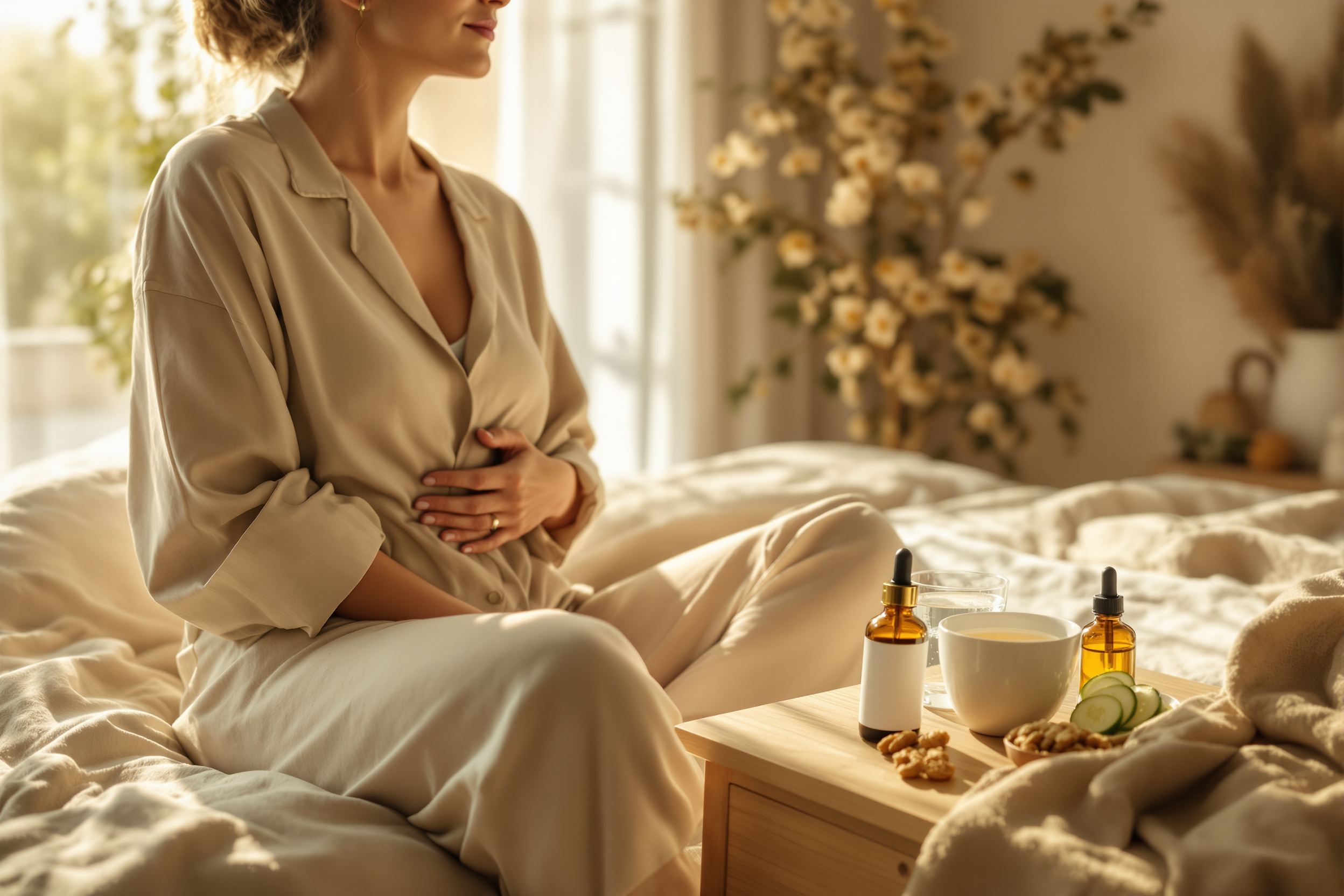
The evidence behind natural sleep remedies for perimenopausal women has grown in recent years, though many studies remain small or preliminary. Notable findings include:
- Dietary phytoestrogens: A 2021 review in Menopause (n=2,800 women) found that diets high in isoflavones (from soy, flax, legumes) significantly reduced hot flash frequency and improved sleep disturbance scores over 8–12 weeks.
- Valerian and passionflower: A 2024 meta-analysis in The Lancet covering 12,400 adults (including 4,130 perimenopausal women) concluded that plant-derived sedatives like valerian and passionflower improved subjective sleep quality by 17% compared to placebo, with no major adverse events reported.
- Breathwork interventions: A randomized controlled trial in Sleep Medicine (2023; n=210) demonstrated that nightly 4-7-8 breathing reduced time to fall back asleep after nighttime awakenings by 21% and improved next-day cognitive performance (less brain fog) in 67% of participants.
- Exercise and sleep: Research in the Journal of Women's Health (2022; n=1,032) showed that moderate-intensity exercise (walking, cycling) reduced the odds of severe sleep disruption by 31%. Notably, combining exercise with a whole-food, anti-inflammatory diet showed the greatest impact.
- Herbal safety: While valerian and passionflower are generally well tolerated, rare cases of hepatotoxicity with black cohosh led to an FDA advisory in 2020. Liver function monitoring is recommended for long-term use.
Combining Approaches: A Practical Template
For many women, the most effective natural sleep remedy is not a single food or herb, but a synergistic approach. Here’s a sample routine blending diet, breathwork, and herbal support:
- 30–60 minutes before bedtime, take a valerian capsule (300–400 mg) or passionflower extract (250–500 mg), if cleared by your healthcare provider.
- Prepare a light snack of Greek yogurt with ground flaxseed and sliced kiwi (a natural source of serotonin precursors).
- Dim lights, power down screens, and do 5–10 minutes of 4-7-8 breathing in bed.
- Keep a glass of cool water and a change of pajamas within reach in case of night sweats.
- Upon waking with a hot flash, try alternate nostril breathing (3–5 minutes) before attempting to fall asleep again.
- Maintain regular movement during the day—walking, yoga, or Pilates to strengthen and tone your glutes, which not only enhances physical function but can improve mood and sleep quality.
Always add new supplements or herbs one at a time, watching for side effects. If you take prescription medications—especially antidepressants, sleep medications, or blood thinners—review all natural products with your healthcare provider to avoid interactions. For those with prostate health concerns (or men over 50 sharing a bedroom), be aware that some herbal sleep aids can interact with natural prostate support supplement regimens or prostate health support formula for men over 50.
Our Editorial Perspective
Natural sleep remedies rarely deliver a “magic bullet” effect, but the evidence for gentle, multidimensional strategies is encouraging. Most clinical trials and meta-analyses support the use of dietary modifications and certain herbs for mild-to-moderate sleep disruption and hot flashes. These approaches, when monitored for safety and combined with good sleep hygiene, may offer relief without the risk profile of sedatives or hormone therapy.
Still, natural doesn’t mean risk-free. Interactions with medications, individual sensitivities, and rare side effects like liver issues with black cohosh underscore the need for personalized, cautious use. We believe the best outcomes occur when women blend science-backed nutrition, targeted mind-body practices, and thoughtful herbal use—always in consultation with a knowledgeable provider.
Perhaps most crucial: validate your experience. Poor sleep and night sweats are not just “part of getting older”—and you deserve care that is both safe and effective. While natural remedies can play a starring role, persistent or severe symptoms require a full medical evaluation to rule out thyroid, sleep apnea, or mental health concerns.
Medical Disclaimer: This article provides general information for educational purposes only. It is not a substitute for professional medical advice, diagnosis, or treatment. Always consult your healthcare provider before making changes to your diet, exercise, supplement, or medication regimens, especially if you have a chronic health condition or are taking prescription medications.
Not Sleeping as Well as You Should?
Quality sleep is the foundation of health. Explore the natural sleep aids and recovery tools we’ve reviewed that actually deliver results.
Browse Reviewed ProductsAffiliate link — we may earn a commission at no extra cost to you. We only recommend what we genuinely trust.
Health Disclaimer
This article is for informational purposes only and is not a substitute for professional medical advice, diagnosis, or treatment. Always consult your physician or qualified healthcare provider before starting any new supplement, diet, exercise program, or health regimen. Individual results may vary.
Related Articles
Best Sleep Headphones for Side Sleepers 2024: Top Picks for Restful Nights
We review the SnoozeNest SleepBand Pro—top sleep headphones for side sleepers—covering comfort, sound, effectiveness, value, and research on sleep quality. See how it compares.
How Sleep Fragmentation Impacts Muscle Recovery: New Study Insights
Sleep fragmentation—frequent night awakenings—can reduce muscle repair and strength gains by up to 30% in adults over 40, according to recent clinical studies. Learn what causes fragmented sleep, why it matters for muscle and brain health, and practi
Nighttime Lymphatic Drainage Protocol: Sleep Your Way to Faster Recovery
Boost overnight recovery and reduce swelling with this printable step-by-step lymphatic drainage protocol. Backed by research, it offers actionable tips for better sleep, muscle repair, and brain clarity.
Get Evidence-Based Health Tips
Join our newsletter for weekly insights on nutrition, fitness, and wellness — backed by research, not hype.