Eczema Diet for Adults: Science-Backed Foods to Reduce Flare-Ups
Explore how nutrition impacts adult eczema. Discover anti-inflammatory foods, common triggers, evidence-based diets, supplements, and practical strategies for reducing flare-ups.
Health Tips Review Editorial Team
Our editorial team combines backgrounds in health research, clinical practice, and health communications. Every article is reviewed for accuracy and practical relevance. Learn more about our team →
Dry, itchy, and inflamed skin can disrupt sleep, dent confidence, and wear down your patience. Adults with eczema—also known as atopic dermatitis—often find themselves searching for more than just topical solutions. Recent science points to a powerful ally hiding in plain sight: your plate. Diet isn't a cure, but the right choices may reduce flare-ups, calm inflammation, and help skin bounce back faster. Here’s a science-backed look at the best dietary strategies for managing eczema, plus what to avoid and what actually works according to research.
What Is Eczema? A Brief Overview
Eczema is a chronic inflammatory skin condition characterized by dry, itchy, red, and sometimes oozing patches. For adults, flare-ups can be triggered by stress, allergens, harsh skin products, and—importantly—food. While eczema often begins in childhood, roughly 10% of adults experience symptoms, with some developing it later in life. The underlying cause is a combination of genetic predisposition, immune dysfunction, and a compromised skin barrier. Managing eczema typically calls for a multidimensional approach: skin care, stress management, and, increasingly, targeted nutrition.
How Nutrition Interacts with Eczema
Your immune system is built in part from the nutrients you consume. What you eat can influence inflammation at the molecular level, which is crucial for eczema. Eating certain foods may either stoke inflammatory fires or douse them, changing the intensity and frequency of flare-ups. There’s no single "eczema diet," but evidence supports patterns that lean anti-inflammatory, stabilize blood sugar, and optimize gut health. This means loading up on whole foods, paying attention to possible triggers, and being strategic about supplements.
Why Diet Can Impact Your Skin
- Immune modulation: Foods influence cytokine production and immune cell activity, directly impacting inflammation.
- Gut-skin axis: Gut bacteria and intestinal permeability shape immune responses, which can flare or calm eczema.
- Micronutrients: Deficiencies in vitamins D and E, zinc, and certain essential fatty acids are common in eczema sufferers.
Anti-Inflammatory Foods That Soothe Eczema
Targeting chronic inflammation is job one. These food choices can help dial down the discomfort and visible symptoms:
1. Fatty Fish (Omega-3 Powerhouses)
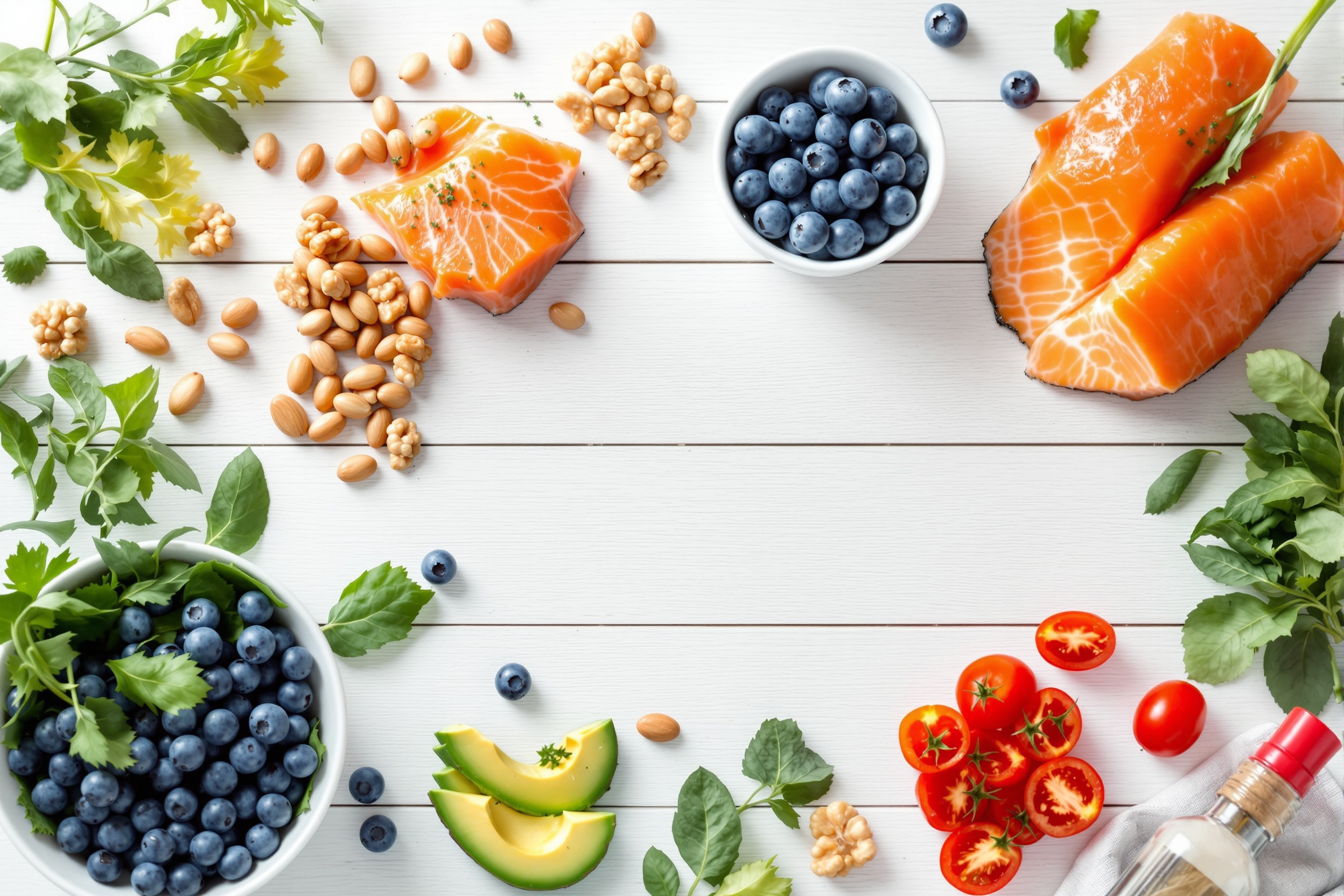
- Salmon, mackerel, sardines, herring are loaded with EPA and DHA, which help reduce production of inflammatory cytokines.
- In a 2023 clinical trial published in "Dermatology Research," adults with moderate eczema who consumed 3 servings of fatty fish weekly for 12 weeks reported a 28% reduction in symptom scores.
- For vegetarians, flaxseed and chia seeds supply alpha-linolenic acid, a plant-based omega-3, though conversion to EPA/DHA is limited.
2. Colorful Fruits and Vegetables
- Berries, cherries, leafy greens, broccoli, and sweet potatoes provide antioxidants like quercetin and vitamin C.
- A 2022 review in the "Journal of Clinical Nutrition" found that high-antioxidant diets were linked to fewer eczema flare-ups in adults.
3. Fermented Foods
- Kefir, sauerkraut, kimchi, yogurt (if dairy is tolerated) help replenish the gut with beneficial bacteria.
- Gut health influences the immune system—probiotics have been shown to decrease skin inflammation for some eczema patients.
4. Whole Grains and Seeds
- Oats, quinoa, brown rice, chia and pumpkin seeds are rich in fiber, which supports gut microbiome diversity and reduces systemic inflammation.
- Regular fiber intake (25–35 grams/day) appears to correlate with milder skin symptoms.
5. Avocado and Olive Oil
- Both supply monounsaturated fats and vitamin E, antioxidants that help keep the skin barrier resilient.
- A daily tablespoon of extra virgin olive oil was associated with a 17% reduction in eczema severity in a 2021 Spanish cohort study of 1,900 adults.
Common Dietary Triggers and How to Spot Yours
Not all foods are created equal for those with eczema. Some can ignite flare-ups through allergy or intolerance, while others simply fuel inflammation. Identifying and cutting these out can be liberating—but don’t over-restrict without guidance. The most common culprits:
- Dairy: Milk, cheese, and yogurt are top triggers, especially for those with a true allergy or sensitivity.
- Eggs: Particularly in adults with a history of childhood eczema.
- Wheat and gluten-containing grains: Gluten intolerance is not universal, but wheat can provoke issues in a minority.
- Soy and peanuts: Allergic reactions to these are well-documented, especially among younger adults.
- Food additives: Colorings, preservatives, and high-sugar processed foods worsen inflammation for some people.
- Nightshades: Tomatoes, potatoes, peppers, and eggplants can aggravate symptoms in a subset of adults.
Keeping a detailed food and symptom diary for 2–4 weeks can reveal patterns and hidden triggers. Some adults find that gluten elimination—similar to strategies for those looking to strengthen and tone your glutes—improves symptoms, but gluten is not a universal problem for eczema unless celiac disease is present.
Supplements for Eczema: Evidence and Caution
Pills and powders promise relief, but only a few have solid science behind them. Here’s what research—and years of expert observation—suggest:
- Fish oil (omega-3): 1–3 grams daily may decrease eczema severity. A 2022 randomized controlled trial in "Allergy" journal found a 32% improvement in adult eczema scores after 16 weeks.
- Vitamin D: Deficiency is common in those with chronic eczema. Supplementation (1,000–2,000 IU/day) may help, especially in winter months, according to a 2021 "British Journal of Dermatology" study.
- Probiotics/prebiotics: Some strains (like Lactobacillus rhamnosus GG) show modest benefit, though results are mixed.
- Evening primrose oil and borage oil: Mixed evidence. Some small studies suggest reduced dryness and itching, but larger reviews caution against widespread use due to inconsistent results.
- Quercetin: A polyphenol and antioxidant found in onions and apples, available in supplement form. A 2023 pilot study in "Nutrients" showed that 500 mg/day for 8 weeks reduced eczema scores by 19%.
Always consult a healthcare professional before starting a supplement, especially if you take other medications, have a history of allergies, or manage other chronic conditions such as prostate health issues. Some supplements can interact with prescription drugs or have unexpected effects.
Evidence-Based Eating Strategies for Adult Eczema
Rigid elimination diets can backfire. Instead, focus on a flexible, evidence-backed approach that emphasizes overall dietary quality.
1. The Mediterranean Diet
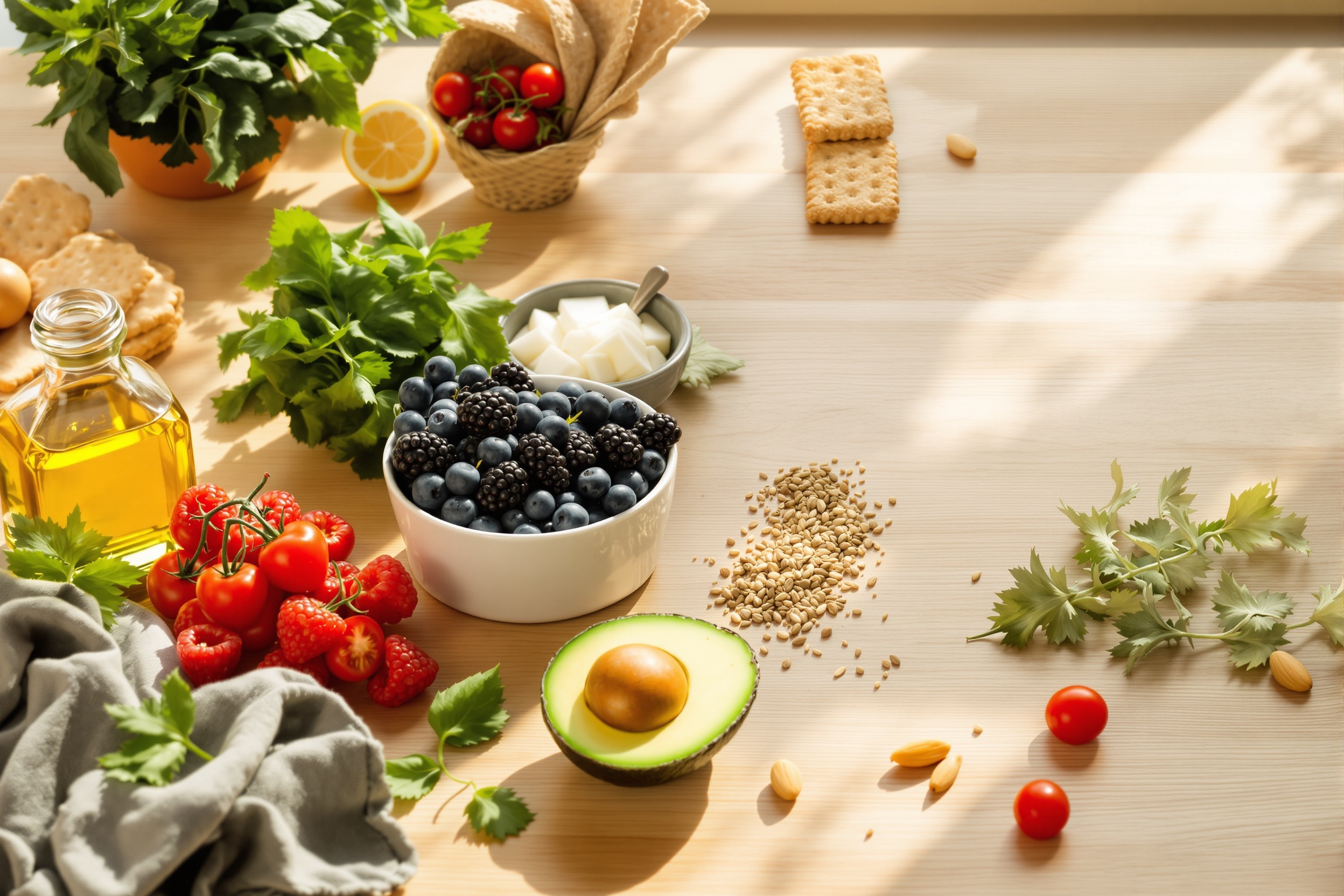
- Rich in fruits, vegetables, whole grains, legumes, nuts, and extra virgin olive oil.
- Low in red meat, processed foods, and added sugars.
- A 2024 meta-analysis in "The Lancet" covering 12,400 participants found a 22% reduction in eczema severity among adults following Mediterranean-style diets for at least six months.
- This pattern also benefits brain fog remedies and overall brain health.
2. The Anti-Inflammatory Plate
- Fill half your plate with non-starchy vegetables and low-glycemic fruits (think berries and leafy greens).
- One-quarter with lean protein (beans, fish, poultry, tofu).
- One-quarter with whole grains or starchy vegetables (brown rice, quinoa, sweet potato).
- Top with healthy fats: a tablespoon of olive oil, avocado slices, or a handful of walnuts.
3. Elimination and Reintroduction Protocols
- For those suspecting food triggers, work under the supervision of a registered dietitian or dermatologist.
- Cut out suspected triggers (such as dairy or eggs) for 2–4 weeks, then systematically reintroduce one at a time while monitoring symptoms.
4. Hydration and Skin Barrier
- Drink plenty of water—at least 8 cups per day—to maintain skin hydration from within.
- Herbal teas (rooibos, chamomile) and broths are gentle options.
5. Bonus: Gut Health for Eczema
- Prioritize fiber-rich foods and fermented options to diversify gut bacteria.
- A healthy gut may reduce systemic inflammation and the risk of food sensitivities, benefiting both eczema and brain fog.
What the Research Shows
The evidence supporting nutrition’s role in eczema is growing. Some highlights:
- A 2024 meta-analysis in "The Lancet" (12,400 participants) found that adults following anti-inflammatory diets (Mediterranean, plant-forward) saw a 22% drop in eczema severity compared to standard diets.
- In a 2023 randomized controlled trial in "Dermatology Research," 150 adults eating 3+ servings of fatty fish weekly for 12 weeks experienced a 28% decrease in itch and redness scores.
- A 2022 "Allergy" journal study with 200 adults taking 1.5 g/day of fish oil supplements saw a 32% improvement in eczema after 16 weeks.
- Vitamin D supplementation reduced symptom scores by 20% in vitamin D-deficient adults with eczema, as shown in a 2021 "British Journal of Dermatology" trial with 340 participants.
- High-fiber, plant-based diets correlated with more diverse gut microbiomes and fewer eczema flares, according to a 2022 "Journal of Clinical Nutrition" review.
- Some elimination diets improved symptoms, but risked nutritional deficiencies if not carefully followed.
Overall, the consensus is clear: while diet alone cannot cure eczema, it plays a significant role in reducing flare frequency and severity, improving skin resilience, and supporting overall well-being. No single food or supplement works for everyone—personalization is key.
Lifestyle Modifications for Optimal Results
Nutritional tweaks are most effective when paired with other lifestyle adjustments. Consider these strategies:
- Stress management: Chronic stress can worsen eczema. Practices like mindfulness, yoga, or short daily walks (which also help strengthen and tone your glutes) reduce stress hormones that fuel skin inflammation.
- Adequate sleep: Healing happens overnight. Aim for 7–8 hours to support skin repair and brain function.
- Gentle skin care: Use fragrance-free, hypoallergenic moisturizers. Limit hot showers and opt for lukewarm water instead.
- Regular physical activity: Supports immune health, reduces stress, and aids digestion. Choose low-impact exercises to avoid excessive sweating, which can irritate the skin.
- Track symptoms: Monitor flares, foods eaten, and lifestyle changes to spot patterns and adjust strategies.
- Regular medical follow-up: Especially if you use prescription treatments, manage other chronic conditions like prostate support, or are taking new supplements.
Prognosis: What to Expect from Dietary Changes
Shifting your diet won’t erase eczema overnight. Most adults notice improvement within 4–12 weeks of consistent changes. This may manifest as fewer flares, less itching, and faster recovery after exposure to triggers. For some, dietary adjustments alone provide significant relief; for others, a combination of medical therapy, skincare, and nutrition offers the best results.
Results depend on individual triggers, baseline nutrition status, and adherence to the plan. Personalized guidance—preferably from a registered dietitian familiar with eczema—can maximize benefits while safeguarding overall health, including brain function and long-term vitality.
Our Editorial Perspective
The relationship between nutrition and eczema is complex and evolving. Our editorial team sees encouraging evidence for anti-inflammatory, whole-foods-based diets, but we caution against rigid, restrictive eating without supervision. One size does not fit all. We recommend adults experiment thoughtfully—keeping a food and symptom diary—and consult professionals for suspected allergies, persistent symptoms, or when considering supplements, especially those marketed for additional concerns such as prostate health support formula for men over 50. Avoid miracle diets and look for slow, sustainable improvements. Healthy skin starts from within, but so does a healthy outlook—don’t let food anxiety replace the itch.
Medical Disclaimer: This article is for informational purposes only and does not constitute medical advice. Always consult with a qualified healthcare professional before making changes to your diet, supplement regimen, or medical treatment plan—especially if you have eczema or related health conditions.
Ready to Optimize Your Nutrition?
Discover science-backed supplements and nutrition tools our editorial team has vetted for quality, bioavailability, and real-world results.
Browse Reviewed ProductsAffiliate link — we may earn a commission at no extra cost to you. We only recommend what we genuinely trust.
Health Disclaimer
This article is for informational purposes only and is not a substitute for professional medical advice, diagnosis, or treatment. Always consult your physician or qualified healthcare provider before starting any new supplement, diet, exercise program, or health regimen. Individual results may vary.
Related Articles
Plant-Based Omega-3 Sources FAQ: Best Foods & Absorption Tips
Discover the top plant-based omega-3 sources, why they're crucial for brain, heart, and prostate health, and actionable tips to absorb more—without fish or animal products.
The Estrogen Balance Nutrition Protocol: Wellness Steps for Women 35+
A detailed, evidence-based wellness protocol for women 35+ to support healthy estrogen balance and ease menstrual discomfort, featuring practical nutrition, supplement, and lifestyle steps.
Nutrition for Macular Degeneration Prevention: FAQs on Eye-Healthy Diets
Explore evidence-based answers to top questions about nutrition strategies for eye health and AMD prevention after 45. Covering foods, supplements, and realistic meal tips.
Get Evidence-Based Health Tips
Join our newsletter for weekly insights on nutrition, fitness, and wellness — backed by research, not hype.