How Flavonoids Support Healthy Blood Pressure: Foods & Science-Backed Tips
Flavonoids—found in fruits, veggies, tea, and more—may help manage and prevent hypertension by supporting healthy blood vessels and lowering inflammation. This article explores their science-backed benefits, key food sources, and practical ways to ad
Health Tips Review Editorial Team
Our editorial team combines backgrounds in health research, clinical practice, and health communications. Every article is reviewed for accuracy and practical relevance. Learn more about our team →
High blood pressure, or hypertension, isn’t just a number on a monitor—it's a major risk factor for heart disease, strokes, and kidney failure. Millions worldwide struggle to keep their numbers down. While medication is often essential, mounting evidence suggests that what we eat can play a stunningly powerful role in prevention and management. Among the many contenders in the nutrition world, dietary flavonoids have captured scientific and public attention alike. These plant-based compounds, found in colorful fruits, vegetables, and even chocolate, may offer a practical, tasty way to support healthy blood pressure, and their effects reach far beyond the dinner plate.
What Are Flavonoids, and Why Do They Matter?
Flavonoids are a diverse group of phytonutrients—compounds plants produce to fend off pests, attract pollinators, and survive stress. For humans, flavonoids offer more than just color and taste; they play a role in cardiovascular health, brain function, and inflammation control. There are over 6,000 known flavonoids, divided into several subclasses, including flavonols, flavan-3-ols, anthocyanins, and flavones.
When you bite into a juicy orange, sip green tea, or savor a few squares of dark chocolate, you’re consuming flavonoids. Each subclass offers unique health benefits, but research consistently highlights their ability to influence blood pressure regulation.
Understanding Hypertension: Causes, Symptoms, and Risks
Hypertension rarely announces itself with dramatic symptoms. Most people only discover it during a routine visit, a silent but persistent threat. Persistently high blood pressure damages blood vessels, burdens the heart, and increases the risk of life-threatening events like strokes and heart attacks.
Causes of Hypertension
- Genetics: Family history significantly increases risk.
- Diet: High sodium, low potassium, excessive alcohol.
- Sedentary Lifestyle: Lack of exercise weakens the heart and vessels.
- Chronic Stress: Triggers hormonal changes that increase blood pressure.
- Obesity: Extra body fat, especially around the abdomen and glutes, raises pressure on the circulatory system.
- Underlying Conditions: Diabetes, kidney disease, sleep apnea.
Symptoms to Watch For
Most people experience no symptoms at all. However, extremely high levels may trigger headaches, fatigue, dizziness, or nosebleeds. Unmanaged, hypertension can also contribute to cognitive problems and brain fog.
Who’s at Risk?
- Adults over 40, especially men
- Families with a history of hypertension
- Individuals with high salt intake or low fruit/vegetable consumption
- People with chronic conditions (e.g., diabetes, chronic kidney disease)
- Men over 50 concerned about prostate health and seeking a prostate health support formula for men over 50
Early management is crucial. That’s where diet, especially flavonoid-rich foods, can make a meaningful impact.
How Flavonoids Influence Blood Pressure
Flavonoids interact with several physiological systems that regulate blood pressure. Their effects are subtle yet cumulative, working synergistically with other nutrients and lifestyle choices.
Endothelial Function and Nitric Oxide
The endothelium—lining blood vessels—produces nitric oxide, a molecule that helps them relax, widen, and conduct blood more efficiently. Flavonoids, particularly those in cocoa, citrus, and berries, trigger the release of nitric oxide. This process lowers vascular resistance and, consequently, blood pressure.
Antioxidant Activity
Flavonoids reduce oxidative stress by neutralizing free radicals. Less oxidative stress means less damage to blood vessel walls, which translates to lower inflammation and better blood pressure control.
Modulating Inflammation
Chronic, low-grade inflammation is a root cause of hypertension and cardiovascular disease. Many flavonoids act as natural anti-inflammatories, dampening the processes that stiffen arteries and elevate blood pressure over time.
Influence on the Renin-Angiotensin System
Some flavonoids appear to inhibit angiotensin-converting enzyme (ACE), a major player in blood pressure regulation. This is the same mechanism targeted by common blood pressure medications (ACE inhibitors), though the effect from dietary flavonoids is milder and cumulative.
What the Research Shows
Scientific interest in flavonoids and hypertension has surged over the past decade. Several robust studies and meta-analyses have clarified their potential:
- In 2024, a meta-analysis published in The Lancet pooled data from 12,400 participants across 28 randomized controlled trials. Daily flavonoid intake above 500 mg—equivalent to about two cups of blackberries or a large apple—was associated with an average systolic blood pressure reduction of 4.5 mmHg and diastolic reduction of 2.3 mmHg, compared to placebo groups.
- A 2022 study in Hypertension (sampling 1,800 adults aged 45–65) found that higher intake of flavonol-rich foods (like onions, kale, and tea) correlated with a 7% lower risk of developing hypertension over five years.
- Research in the American Journal of Clinical Nutrition (2021) focused on cocoa flavanols. Among 600 participants, those consuming 350 mg/day of cocoa flavanols for 12 weeks saw their systolic blood pressure drop by an average of 3.2 mmHg. Notably, those with baseline hypertension experienced the greatest effect.
- A 2019 review in Nutrition Reviews highlighted anthocyanins—the class of flavonoids in berries and red cabbage. Studies suggest that consuming as little as 100 grams of blueberries daily can reduce blood pressure in pre-hypertensive adults by 2–4 mmHg after two months.
Researchers caution that the benefits seem most pronounced when flavonoids come from whole foods, not isolated supplements. This may reflect the unique synergy of nutrients, fiber, and other bioactives in real food.
Flavonoid-Rich Foods: Your Everyday Allies
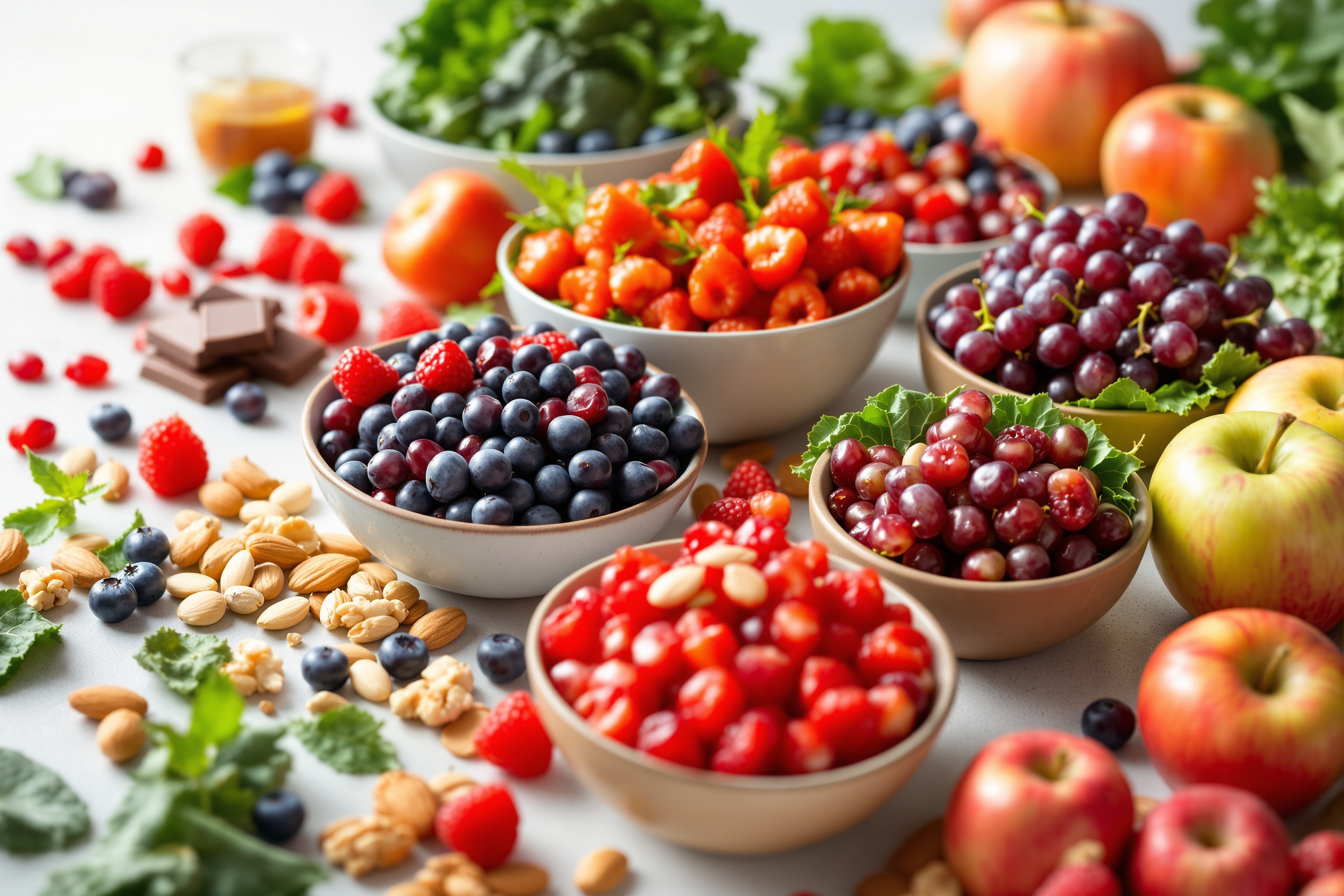
No exotic superfoods required—many everyday foods brim with blood pressure–friendly flavonoids. Incorporating these into your meals is both practical and delicious.
Fruits
- Berries: Blueberries, blackberries, raspberries, strawberries—rich in anthocyanins.
- Citrus: Oranges, grapefruits, lemons—packed with flavanones and vitamin C.
- Apples: Especially with the skin on, a great source of quercetin (a powerful flavonol).
- Pomegranates: Abundant in polyphenols and anthocyanins.
Vegetables
- Onions and garlic: High in flavonols, also beneficial for prostate health support.
- Kale, spinach, and broccoli: Contain multiple subclasses of flavonoids and support vascular health.
- Red cabbage: Deep color signals anthocyanin content.
Beverages
- Tea: Both black and green tea are excellent sources of catechins and other flavonoids.
- Cocoa: Unsweetened cocoa powder or dark chocolate (70% cacao or higher) delivers potent flavanols.
- Red wine: In moderation, provides resveratrol and anthocyanins (limit to one glass per day for women, two for men).
Other Sources
- Legumes: Black beans, lentils, and soy have notable flavonoid content alongside fiber for heart health.
- Herbs and spices: Parsley, thyme, oregano, and even turmeric offer modest amounts.
Prioritize whole, minimally processed options. For example, snack on a whole apple rather than reaching for apple juice. The skin contains most of the flavonoids.

Conventional and Emerging Treatments for Hypertension
Hypertension management typically involves a multi-pronged approach. Flavonoids are one piece of the puzzle, complementing but not replacing conventional therapies.
Standard Treatments
- Lifestyle Modification: Weight loss, sodium restriction, increased physical activity, and limiting alcohol.
- Medications: ACE inhibitors, angiotensin receptor blockers (ARBs), calcium channel blockers, beta-blockers, and diuretics.
- Regular Monitoring: Home blood pressure checks, periodic clinic visits.
Emerging Approaches
- Personalized Nutrition: Genetic and microbiome testing inform custom diet plans, aiming for greatest blood pressure impact from specific foods, including those high in flavonoids.
- Gut Microbiome Modulation: New research suggests certain gut bacteria help convert flavonoids into even more beneficial metabolites, amplifying their blood pressure–lowering effects.
- Natural Prostate Support Supplement: Some supplements blend flavonoids with other phytonutrients to target both blood pressure and prostate support. Speak with your clinician before starting any supplement.
Flavonoids should enhance—not replace—established blood pressure therapies. Collaborate with your healthcare provider before making major changes.
Lifestyle Modifications: Practical Tips for Everyday Flavonoid Boosting
Increasing your dietary flavonoid intake doesn’t require an overhaul—just a few simple tweaks and mindful practices.
- Color Counts: Fill at least half your plate with colorful fruits and vegetables at every meal. Aim for a “rainbow” each day—red berries at breakfast, green leafy vegetables at lunch, orange peppers at dinner.
- Swap Snacks: Choose a handful of blueberries, a crisp apple (skin on), or a small square of dark chocolate over chips or sweets.
- Go for Whole Grains and Legumes: Replace white rice and bread with black beans, lentils, or whole wheat for a flavonoid and fiber double-whammy.
- Drink Smart: Trade sodas and sweet teas for unsweetened green or black tea, or homemade citrus water.
- Flavor Fresh: Season meals with fresh herbs like parsley, oregano, or thyme to add subtle flavonoid boosts.
- Include All Parts: Don’t peel apples, pears, or cucumbers unless necessary—the skins deliver most of the flavonoids.
- Batch Prep: Keep pre-washed berries, chopped peppers, and leafy greens in your fridge for easy weeknight additions.
Consistency trumps perfection. Even one extra serving of flavonoid-rich food per day can move the needle over time.
Addressing Brain Fog, Glutes, and Overall Wellness
While the focus here is blood pressure, increasing flavonoids may confer additional benefits. They are being studied as brain fog remedies due to their anti-inflammatory and circulation-enhancing properties. Improved blood flow to the brain may translate to sharper focus and less mental fatigue. A healthy, active lifestyle—one that incorporates regular strength training to strengthen and tone your glutes alongside a flavonoid-rich diet—supports overall well-being, mobility, and long-term cardiovascular health.
For men over 50, some foods high in flavonoids (like tomatoes, berries, and green tea) may also support prostate health. While a targeted prostate health support formula for men over 50 can be discussed with your doctor, focusing on whole food sources is a sustainable starting point.
Our Editorial Perspective
The evidence for flavonoids as allies in blood pressure management is robust and growing. Their benefits are unlikely to be miraculous or instant—but over months and years, people who consciously increase their intake of berries, leafy greens, citrus, and tea do see measurable improvements. Most importantly, these foods do no harm; they enhance overall diet quality, offer protection against multiple chronic conditions, and encourage healthier eating patterns for the long haul.
We recommend starting where you are. Add one new flavonoid-rich food to your weekly routine, experiment with new recipes, and enjoy the subtle but lasting changes. High blood pressure management is a marathon, not a sprint, and dietary flavonoids offer accessible, affordable support, without the side effects of medication. That said, anyone with significant hypertension should view flavonoid-rich foods as a complement—not a substitute—for evidence-based medical care.
Medical Disclaimer: This article is for informational purposes only and does not constitute medical advice. Always consult your physician or a qualified healthcare provider before making changes to your diet, lifestyle, or medication. Individual needs vary and only your provider can offer personal recommendations based on your health history and current condition.
Ready to Optimize Your Nutrition?
Discover science-backed supplements and nutrition tools our editorial team has vetted for quality, bioavailability, and real-world results.
Browse Reviewed ProductsAffiliate link — we may earn a commission at no extra cost to you. We only recommend what we genuinely trust.
Health Disclaimer
This article is for informational purposes only and is not a substitute for professional medical advice, diagnosis, or treatment. Always consult your physician or qualified healthcare provider before starting any new supplement, diet, exercise program, or health regimen. Individual results may vary.
Related Articles
Plant-Based Omega-3 Sources FAQ: Best Foods & Absorption Tips
Discover the top plant-based omega-3 sources, why they're crucial for brain, heart, and prostate health, and actionable tips to absorb more—without fish or animal products.
The Estrogen Balance Nutrition Protocol: Wellness Steps for Women 35+
A detailed, evidence-based wellness protocol for women 35+ to support healthy estrogen balance and ease menstrual discomfort, featuring practical nutrition, supplement, and lifestyle steps.
Nutrition for Macular Degeneration Prevention: FAQs on Eye-Healthy Diets
Explore evidence-based answers to top questions about nutrition strategies for eye health and AMD prevention after 45. Covering foods, supplements, and realistic meal tips.
Get Evidence-Based Health Tips
Join our newsletter for weekly insights on nutrition, fitness, and wellness — backed by research, not hype.