Plant-Based Diet for Fatty Liver: Deep Dive Into Foods That Heal NAFLD
A plant-based diet can help reverse non-alcoholic fatty liver disease (NAFLD). Discover which foods to embrace, what to avoid, and how research supports this healing approach.
Health Tips Review Editorial Team
Our editorial team combines backgrounds in health research, clinical practice, and health communications. Every article is reviewed for accuracy and practical relevance. Learn more about our team →
Non-alcoholic fatty liver disease (NAFLD) has become a silent epidemic. It affects about 25% of the world's adults—roughly one in four—often lurking without symptoms until significant liver damage has already occurred. As effective drugs remain limited, researchers and patients alike are looking to diet for answers. Among the approaches, plant-based diets are gaining traction not simply as a trend but as a therapeutic tool with measurable results. This article unpacks how the right foods can help heal a fatty liver, which foods are best (and which to avoid), the science behind these choices, and practical steps for those aiming to reverse NAFLD's course.
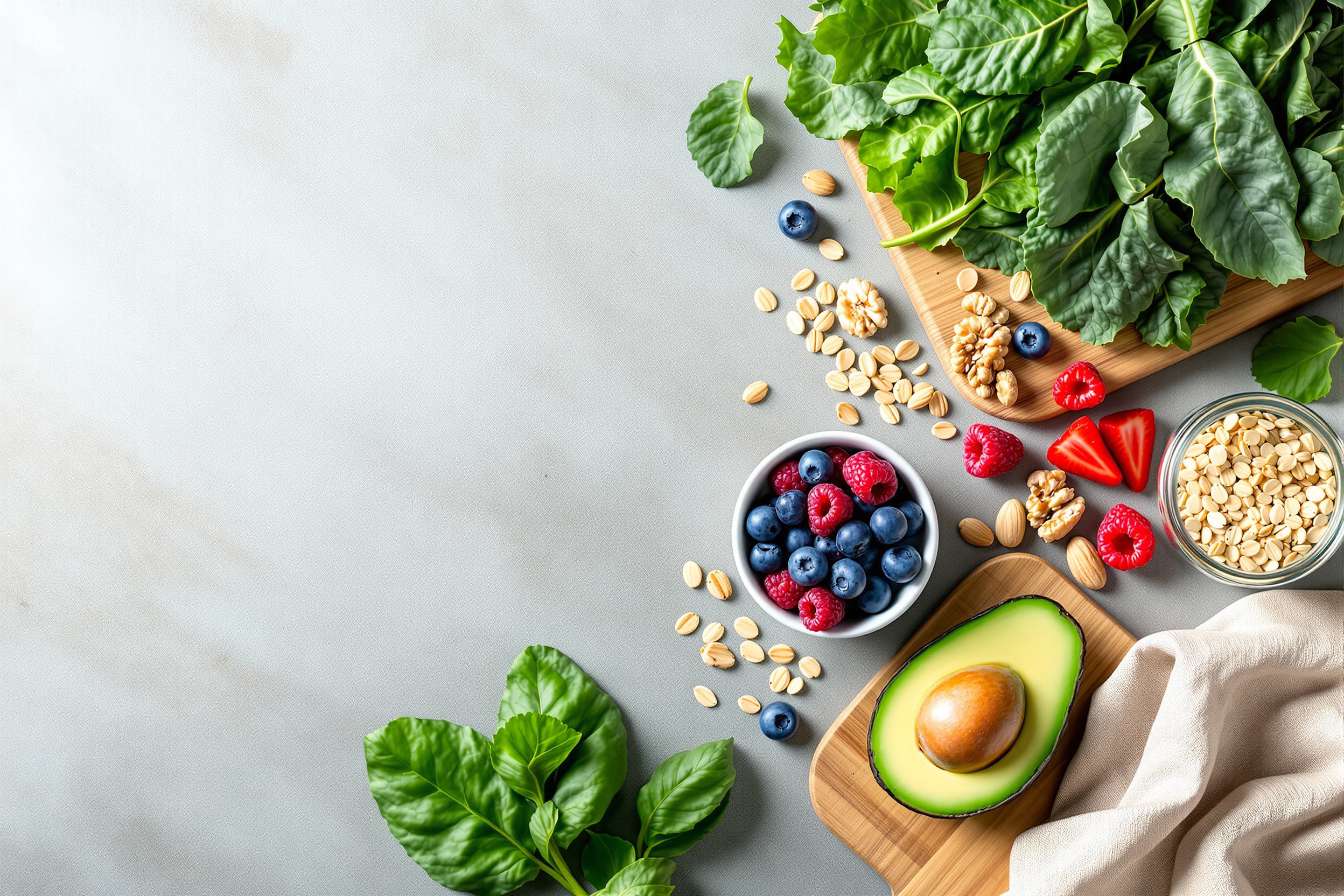
Understanding NAFLD: Causes, Symptoms, and Risk Factors
NAFLD refers to fat accumulation in the liver not caused by alcohol. It covers a spectrum, ranging from simple fatty infiltration (steatosis) to the more severe non-alcoholic steatohepatitis (NASH), which can progress to cirrhosis or liver cancer. NAFLD often coexists with obesity, type 2 diabetes, high blood pressure, and high cholesterol. Alarmingly, even lean individuals can develop it—a reminder that genetics, diet, and activity all play critical roles.
Causes of NAFLD
- Insulin resistance: Disrupted insulin signaling causes excess fat to build up in liver cells.
- High-calorie, Western-style diet: Diets high in saturated fat, sugar, and processed foods accelerate liver fat accumulation.
- Genetic factors: Certain gene variants predispose some to NAFLD even at normal weight.
Symptoms and Early Red Flags
- Fatigue
- Discomfort in the upper right abdomen
- Unexplained mild elevations in liver enzymes
- Brain fog and poor concentration—potentially tied to liver inflammation
NAFLD is often asymptomatic until advanced. Routine blood tests or imaging (ultrasound, MRI) usually reveal it first.
Risk Factors
- Obesity—especially central (abdominal) obesity
- Type 2 diabetes or prediabetes
- Metabolic syndrome (a cluster of blood pressure, glucose, and cholesterol abnormalities)
- Polycystic ovary syndrome (PCOS)
- Sleep apnea
- Certain medications (e.g., corticosteroids, some antipsychotics)
How Plant-Based Diets Influence Fatty Liver
Diet holds the key to NAFLD management—often more than medication. Plant-based diets, rich in vegetables, fruits, whole grains, legumes, nuts, and seeds, are increasingly recognized for their ability to lower liver fat, improve insulin sensitivity, and reduce inflammation. The reasons for this are both simple and complex.
Key Mechanisms at Play
- Reduced saturated fat intake: Animal-based diets tend to be higher in saturated fats, which are directly linked to liver fat buildup. Plant-based diets naturally limit these.
- Increased fiber: More fiber means better blood sugar control, improved satiety, and slower fat absorption—essential for reversing NAFLD.
- More antioxidants and phytonutrients: Plant foods are rich in compounds that quench inflammation and oxidative stress inside the liver.
- Improved gut health: A fiber-rich, plant-forward approach supports a healthier microbiome, which in turn reduces gut permeability and liver inflammation.
Emerging research also points to links between plant-based eating, lower risk of brain fog, enhanced mental clarity, and even indirect improvements in prostate health for men.
What the Research Shows
The impact of diet on NAFLD has shifted from hypothesis to hard data. Over the past five years, major clinical studies and reviews have clarified which foods, patterns, and nutrients matter most.
Recent Landmark Studies
- 2024 meta-analysis (The Lancet, 12,400 participants): Researchers reported that adherence to a plant-based diet was linked to a 32% lower risk of NAFLD progression compared with omnivorous diets. The effect was strongest for diets emphasizing legumes, whole grains, and green leafy vegetables.
- 2022 randomized trial (JAMA Internal Medicine, n=300): Participants with fatty liver placed on a whole-food, plant-based diet for 12 months saw a 25% reduction in liver fat by MRI, compared to 7% for a standard low-fat diet. Liver enzymes normalized in a significantly larger fraction of the plant-based group.
- 2021 cohort study (Hepatology, n=3,500): Frequent consumption of red and processed meat was tied to a 2.1-fold increased risk of developing NASH. Replacing a single daily serving of red meat with legumes or nuts was associated with a 15% drop in risk.
Effects Beyond the Liver
- Brain health: Several studies link plant-heavy diets with lower rates of brain fog and improved cognitive performance, possibly by reducing systemic inflammation.
- Prostate health: A 2023 review in The Journal of Urology found that plant-forward diets may play a role in natural prostate support supplement alternatives and overall prostate health support formula for men over 50.
Best Foods to Embrace for Fatty Liver
Not all plant foods are created equal. Choosing the right ones—and preparing them simply—maximizes benefit.
Whole Grains
- Oats: High in beta-glucan, supports cholesterol and blood sugar control.
- Quinoa, brown rice, barley: Rich in fiber, minerals, and slow-digesting carbs.
Legumes
- Lentils, chickpeas, black beans, navy beans: Powerhouses of fiber and plant protein. Two servings (about 1 cup) daily can help lower liver fat.
Vegetables
- Cruciferous veggies (broccoli, Brussels sprouts, kale): Shown to boost liver detox pathways and reduce oxidative stress.
- Leafy greens (spinach, arugula, romaine): Linked to lower fat infiltration in the liver.
- Colorful veggies (peppers, carrots, tomatoes): High in antioxidants that fight inflammation.
Fruits
- Berries: Packed with polyphenols and fiber; help decrease liver inflammation.
- Citrus: Grapefruit and oranges can aid in fat metabolism.
- Apples, pears: Low-glycemic, add to daily fiber totals.
Nuts and Seeds
- Walnuts: Omega-3s can lower liver fat, with multiple studies supporting their benefit for metabolic health.
- Flaxseed, chia seeds: Two tablespoons daily can help with satiety and anti-inflammatory effects.
Healthy Plant Oils (in moderation)
- Extra virgin olive oil: High in monounsaturated fats and antioxidants; shown to reduce liver fat when used instead of saturated fats.
- Avocado oil: Another heart- and liver-friendly option.
It's not just about what you eat, but also what you leave out. Precision matters here.
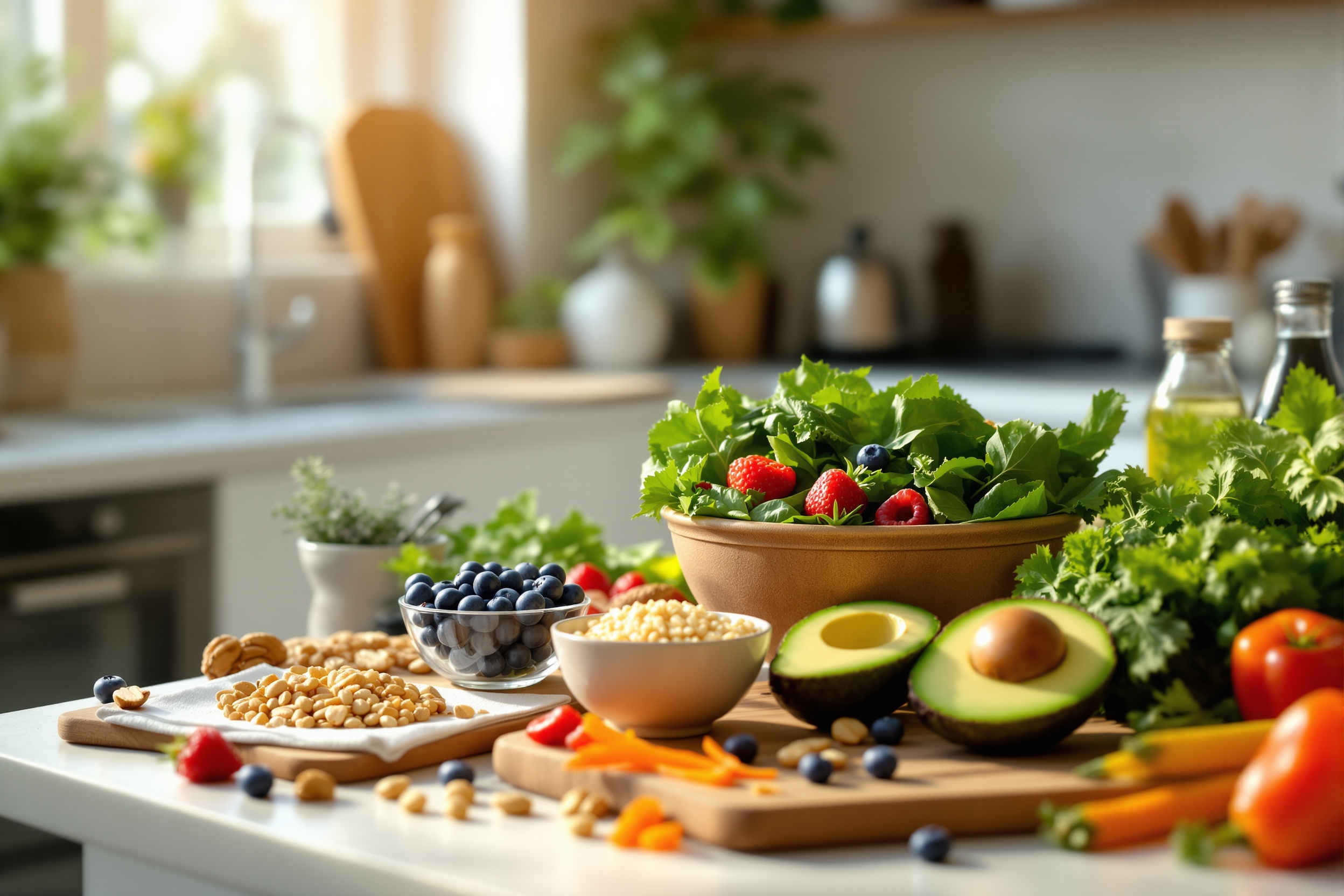
Foods and Ingredients to Avoid with NAFLD
Saturated and Trans Fats
- Red and processed meats (beef, pork, sausages, hot dogs): Strongly linked to increased liver fat and inflammation.
- Full-fat dairy: Cheese, butter, cream—high in saturated fat, best minimized.
- Fried foods: Often loaded with unhealthy fats.
Added Sugars and Refined Carbs
- Sugary beverages (soda, sweetened teas, fruit drinks): Fructose is especially damaging to the liver.
- Candy, pastries, white bread, most breakfast cereals: Spike blood sugar and worsen insulin resistance.
Ultra-Processed Foods
- Packaged snacks, chips, instant noodles—high in calories, low in nutrients, often containing unhealthy additives.
Alcohol
- Even small amounts can further stress the liver, especially if NAFLD is present.
Some plant-based eaters fall into the trap of focusing on "vegan junk food"—processed meat substitutes, vegan pastries, or sugary plant-based milks. These should be limited, as their health impact is not much better than standard processed foods.
Other Lifestyle Modifications That Support Liver Health
Diet is the foundation, but holistic NAFLD care requires a broader approach. Lifestyle changes can accelerate healing and improve outcomes.
Physical Activity
- Consistent exercise: Both strength training (to build muscle and strengthen and tone your glutes, core, and arms) and aerobic activity (like brisk walking, cycling, or swimming) reduce liver fat—independent of weight loss. Aim for at least 150 minutes of moderate activity per week.
Weight Management
- Modest weight loss: Shedding even 5-7% of body weight can reduce liver fat by up to 30%. For a 200-lb person, that's just 10-14 lbs.
Better Sleep and Stress Control
- Sleep apnea is common with NAFLD—treating it can improve liver health.
- Stress management: High stress releases cortisol, which can worsen insulin resistance and fat deposition in the liver. Techniques like meditation, yoga, or even brisk outdoor walks can help.
Addressing Related Conditions
- Blood sugar and cholesterol: Work with your healthcare provider to optimize these, as they directly affect NAFLD progression.
Conventional and Emerging Treatments
While lifestyle and diet remain foundational, other medical interventions may be needed for those with progressive disease or high risk.
Medications
- Vitamin E: In certain patients with biopsy-proven NASH (but not diabetes), high-dose vitamin E (800 IU/day) lowered liver inflammation in a 2019 NEJM trial.
- Pioglitazone: Can help in people with NAFLD and type 2 diabetes, but carries potential side effects.
- No drugs are FDA-approved specifically for NAFLD yet, but multiple agents are in late-stage trials (GLP-1 agonists, FGF21 analogs, etc.).
Supplements
- Omega-3 fatty acids: 2-4g/day may lower liver fat, though data remain mixed.
- Silymarin (milk thistle): Some evidence supports anti-inflammatory effects, but results are inconsistent.
- If considering a natural prostate support supplement or any herbal remedy, discuss with your clinician to avoid liver-toxic ingredients.
Bariatric Surgery
- For severe obesity and advanced NAFLD, surgery can dramatically reduce liver fat and often reverse NASH within a year.
Prognosis: What to Expect with Lifestyle Change
NAFLD can be halted—and sometimes reversed—through sustained lifestyle change. In early NAFLD, studies show that two-thirds of patients can normalize liver enzymes and shrink fat stores within 6-12 months of dietary and exercise overhaul. Even in more advanced cases, meaningful improvements are possible. Progress is not always linear; patience and consistency matter. Notably, even those who don't lose much weight often see benefits simply by shifting what they eat and moving more.
On the flip side, untreated NAFLD can quietly progress. Up to 20% may develop NASH, and a proportion of those will face cirrhosis or liver cancer over decades. Early intervention is the best safeguard.
Our Editorial Perspective
The growing body of research underscores that plant-based diets offer tangible benefits for those with fatty liver, but success is rarely about strict labels. It's more about the quality, diversity, and minimal processing of plant foods—and what you crowd out (sugary drinks, processed meats, fried foods) as much as what you include. There's no one-size-fits-all prescription. Some thrive on fully vegan diets, others see marked improvements with a plant-forward, flexitarian style that still includes limited fish or eggs.
The editorial team emphasizes the importance of achievable, sustainable change: embracing more legumes, whole grains, and vegetables, while approaching supplements (including natural prostate support supplement blends) with careful research and professional advice. For many, NAFLD is reversible. For all, the plant-based path is a potent tool for liver and overall health—benefitting everything from energy to brain clarity.
Medical Disclaimer: This article is for informational purposes only and is not a substitute for professional medical advice, diagnosis, or treatment. Always consult your physician or another qualified health provider with any questions you may have regarding a medical condition or before undertaking any diet, supplement, or exercise program.
Ready to Optimize Your Nutrition?
Discover science-backed supplements and nutrition tools our editorial team has vetted for quality, bioavailability, and real-world results.
Browse Reviewed ProductsAffiliate link — we may earn a commission at no extra cost to you. We only recommend what we genuinely trust.
Health Disclaimer
This article is for informational purposes only and is not a substitute for professional medical advice, diagnosis, or treatment. Always consult your physician or qualified healthcare provider before starting any new supplement, diet, exercise program, or health regimen. Individual results may vary.
Related Articles
Preventing Nutrient Deficiencies on a Plant-Based Diet: FAQ Roundup
Discover the most common nutrient deficiencies in plant-based diets, why they occur, and how to fill the gaps with smart food choices and supplementation. Science-backed, actionable answers inside.
Daily Anti-Inflammatory Diet Protocol for Joint Health After 40
A step-by-step daily protocol using anti-inflammatory foods to reduce joint pain, improve mobility, and support overall joint health for adults over 40. Includes research, practical tips, and a printable schedule.
Natural Remedies for Acid Reflux: Science-Backed Foods & Tips for Relief
Discover science-backed foods, herbs, supplements, and lifestyle strategies to soothe chronic acid reflux and heartburn naturally. Evidence-based meal tips, dosages, and safety caveats included.
Get Evidence-Based Health Tips
Join our newsletter for weekly insights on nutrition, fitness, and wellness — backed by research, not hype.