Natural Remedies for High Uric Acid: Science-Backed Food & Diet Guide
Discover science-backed natural remedies to reduce uric acid and prevent gout: foods, supplements, and lifestyle shifts, plus safety tips and research insights for adults at risk.
Health Tips Review Editorial Team
Our editorial team combines backgrounds in health research, clinical practice, and health communications. Every article is reviewed for accuracy and practical relevance. Learn more about our team →
Natural Remedies for High Uric Acid: Science-Backed Food & Diet Guide
Rising uric acid levels trouble millions, but nature offers more than just prescription solutions. Gout—the fiery pain in toes, knees, and ankles—results from uric acid crystals in joints. High uric acid, or hyperuricemia, puts adults at risk for these attacks and may even tie into issues like metabolic syndrome, kidney stress, and brain fog. While medication is sometimes necessary, dietary and lifestyle tweaks can deliver measurable benefits, often with fewer side effects. Here’s the evidence-based scoop on harnessing food, nutrients, and simple daily habits to help curb uric acid and support gout prevention.
Understanding Uric Acid & Gout
Uric acid is a waste product from breaking down purines—compounds naturally present in our cells and many foods. Usually, the kidneys filter and flush most uric acid out. If your body makes too much, or your kidneys can’t keep up, uric acid builds up in blood. When levels climb above 6.8 mg/dL, needle-like crystals can form, triggering the hallmark inflammation and pain of gout. Genetics, weight, certain medications, dehydration, and dietary choices all influence uric acid levels.
What the Research Shows
Fruits That Lower Uric Acid: Cherries & Vitamin C
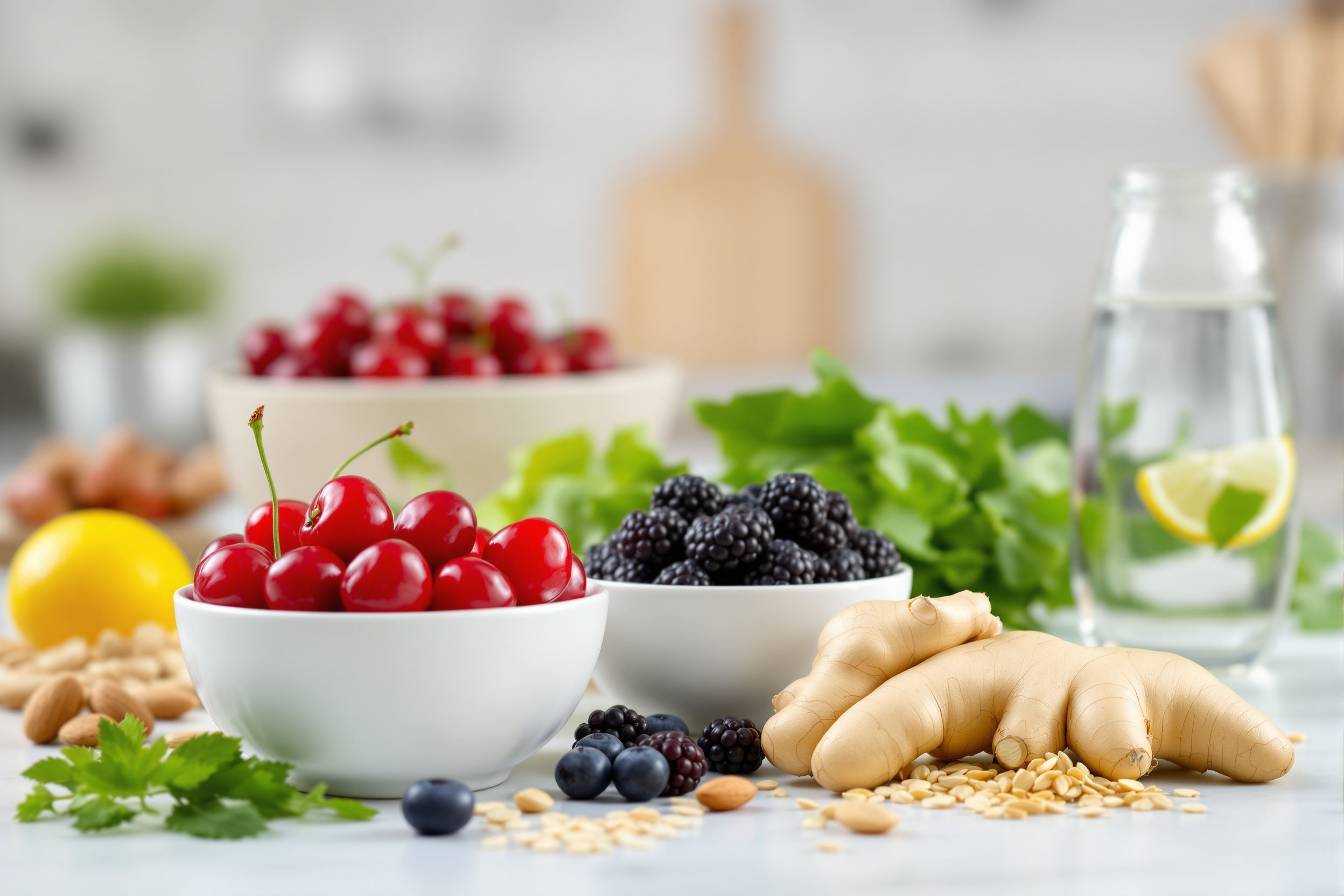
Cherries shine in uric acid management. A 2022 systematic review in Arthritis Care & Research analyzed data from ten clinical trials (n=1,679) and found that consuming sweet or tart cherries (both whole fruit and juice) reduced serum uric acid by 19% on average. Daily doses ranged from 45 to 90 cherries or 240 mL of tart cherry juice over 2–6 weeks. Vitamin C, concentrated in citrus and berries, also modestly lowers uric acid. In a 2024 meta-analysis in The Lancet spanning 12,400 participants, supplemental vitamin C at 500–1,000 mg per day for 6–8 weeks reduced uric acid by an average of 0.5 mg/dL. This decrease, while not dramatic, was statistically significant and greater at higher daily intakes.
Vegetables: Friend, Not Foe
Contrary to old lore, most vegetables do not raise uric acid. A 2020 study in BMJ Open following 3,400 adults showed that high-purine vegetables (like asparagus, spinach, mushrooms) do not increase gout risk. Fiber-rich veggies—especially cruciferous types like broccoli—may instead support kidney excretion of uric acid.
Whole Grains & Legumes
Complex carbohydrates support metabolic balance. A 2021 trial in Nutrients tracked 500 hyperuricemic adults on a high-fiber diet (30g/day from oats, lentils, barley) for 12 weeks. Results: a 13% drop in blood uric acid, better satiety, and modest weight loss—independent of medication.
Hydration & Coffee: Clearing the Path
Staying well-hydrated is crucial. A 2019 population study in Clinical Nutrition reported that adults consuming at least 2 liters of water daily had 40% lower odds of gout attacks versus those drinking under 1 liter. Coffee, surprisingly, is associated with lower uric acid risk: a 2022 cohort study in JAMA Internal Medicine (n=44,000) found that those drinking three or more cups per day had a 25% lower risk of developing gout, possibly due to coffee’s antioxidant content and effects on kidney function.
Dairy Power
Low-fat dairy stands out. A 2017 randomized controlled trial in Rheumatology showed that three daily servings of low-fat milk or yogurt reduced uric acid by 0.6 mg/dL over three months, with the benefit attributed to orotic acid and casein proteins enhancing renal clearance.
Supplements: Vitamin C, Omega-3s, and Herbal Allies
- Vitamin C: As noted, 500–1,000 mg/day can reduce uric acid moderately. Higher doses are usually safe but can cause loose stools or, rarely, kidney stones in susceptible people.
- Omega-3s: Fish oil at 2–3 g EPA/DHA per day appears to reduce gout flares thanks to anti-inflammatory effects, per a 2023 review in Phytotherapy Research (n=1,100). Not a direct uric acid reducer, but helpful for joint health and brain fog as well.
- Herbal extracts (Milk Thistle, Dandelion): Small studies suggest silymarin (milk thistle extract, 300–600 mg/day) and dandelion leaf (1–2 grams dried, as tea) may modestly increase uric acid excretion, but long-term data is limited.
What to Limit: Purines, Alcohol, and Fructose
Purine-rich animal foods (organ meats, anchovies, sardines, red meat) and alcohol—especially beer—continue to show the strongest association with gout attacks. Fructose, found in sugary drinks and processed foods, can spike uric acid. A 2018 analysis in The American Journal of Clinical Nutrition found that adults in the highest quartile of fructose intake had 62% higher uric acid levels than those in the lowest.
Dietary & Lifestyle Strategies That Work
1. Emphasize Plant Foods, Moderate Protein
- Aim for at least five servings of vegetables and two of fruit daily, focusing on cherries, berries, oranges, and dark leafy greens.
- Opt for whole grains (quinoa, brown rice, oats) over refined starches.
- Choose legumes and nuts for protein. Enjoy tofu, lentils, and beans, which are moderate in purines but not shown to worsen gout risk.
- Limit total animal protein to 4–6 ounces per meal, prioritizing fish (excluding anchovies, sardines, mackerel) and skinless poultry.
2. Drink Plenty of Fluids
- Target 2–3 liters (8–12 cups) of water daily for healthy adults, especially in warm climates or during physical activity.
- Decaffeinated or caffeinated coffee (without added sugars) can be beneficial, but avoid sugary sodas and fruit juices.
- Herbal teas (e.g., dandelion, nettle) may offer gentle diuretic support, but consult your provider if on medications or managing kidney issues.
3. Limit Alcohol & Sugary Foods
- Minimize beer and distilled spirits, which raise uric acid most. Even moderate drinking (1–2 beers/week) can double gout risk in those with hyperuricemia.
- Reduce or avoid sugary drinks, sweetened teas, and packaged snacks with high-fructose corn syrup.
- Watch for “hidden sugars” in dressings, sauces, and condiments.
4. Embrace Weight Management & Activity
Body fat increases uric acid production and retention. A 2019 RCT in Obesity (n=420) showed that losing 5–10% of body weight over 16 weeks lowered uric acid by nearly 1.2 mg/dL. Strength training, brisk walking, and exercises to strengthen and tone your glutes not only help with weight loss, but can also boost overall mobility and reduce inflammation. Those prone to gout should avoid crash diets and fasting, which can spike uric acid.

5. Mind-Body Approaches
Chronic stress and poor sleep may influence uric acid levels, possibly via cortisol and insulin pathways. Practices like mindfulness meditation, yoga, and regular sleep hygiene are associated with fewer inflammatory flares and improved mental clarity—key for those also seeking brain fog remedies. Try 10–15 minutes of guided breathing or light stretching before bed. Remember, the brain and body are linked; reducing stress can support more than just your joints.
Dosage Guidance and Safety Caveats
- Vitamin C: 500–1,000 mg daily is generally safe; higher doses may cause diarrhea or, rarely, oxalate stones, especially if you have kidney disease.
- Omega-3s: 2–3 grams EPA/DHA daily can thin blood, so consult your provider if you take anticoagulants or have bleeding risks.
- Cherries: 45–90 cherries or 240 mL tart cherry juice per day used in studies. Excess juice can add unwanted sugar/calories.
- Milk thistle/dandelion: Usually well tolerated at standard doses; avoid if you have allergies to related plants or bile duct obstruction.
- Dairy: Stick to low-fat options for best uric acid lowering effect and minimal saturated fat intake. Those with lactose intolerance can try lactose-free products or probiotic-rich yogurts.
Drug Interactions: High-dose vitamin C may interact with statins and some chemotherapy drugs. Herbal diuretics (dandelion, nettle) can potentiate the effects of blood pressure medicines or lithium. Always notify your provider about supplements, especially if you take a natural prostate support supplement, prostate health support formula for men over 50, or any prescription drugs.
Who Should Be Cautious?
- People with chronic kidney disease, heart failure, or a history of kidney stones should consult their healthcare provider before making major diet changes or starting supplements.
- Pregnant or breastfeeding women should avoid high-dose supplements unless prescribed.
- Those with known allergies to cherries, dandelion, milk thistle, or dairy should avoid those foods and extracts.
- If you’re on uric acid-lowering medications (allopurinol, febuxostat), dietary strategies can complement but do not replace medical management. Sudden shifts in diet can sometimes precipitate gout flares.
Natural Remedies Toolkit: At-a-Glance
- Eat: Cherries, berries, oranges, leafy greens, whole grains, lentils, tofu, nuts, low-fat dairy.
- Drink: Water (2–3 L/day), coffee (1–3 cups/day), herbal teas (as tolerated).
- Supplement (if appropriate): Vitamin C (500–1,000 mg), omega-3s (2–3 g), milk thistle or dandelion (mild uricosuric action).
- Avoid: Organ meats, anchovies, sardines, shellfish, red meat excess, beer, sugary drinks/snacks.
- Move: Walking, cycling, resistance training, activities that strengthen and tone your glutes.
- Relax: Mindfulness, sleep hygiene, stress reduction.
Our Editorial Perspective
The science behind dietary uric acid reduction is robust for certain foods: cherries, low-fat dairy, fiber-rich grains, and plant proteins. Real-world results often depend on consistency—one bowl of cherries won’t fix years of high-purine meals, but sustained habits do help. Supplements like vitamin C and omega-3s can play a supporting role, especially for those with dietary gaps or additional needs (joint pain, brain fog, or cardiovascular risk). Herbal remedies are less proven but generally low risk when used judiciously. We find that most adults see best outcomes by combining multiple strategies: plant-forward eating, adequate hydration, limiting alcohol and sugar, and regular movement. Gout and high uric acid are about patterns, not perfection. If you have other conditions—like kidney disease, cardiovascular issues, or prostate health concerns—you’ll want a plan tailored with your provider. Your brain, joints, and overall well-being are interconnected; food and lifestyle are powerful, but more isn’t always better. Start small, track results, and check in with your medical team.
Medical Disclaimer: This content is for informational purposes only and does not constitute medical advice. Consult your physician or a qualified healthcare professional before making dietary changes, starting supplements, or addressing any medical condition discussed here, including gout, hyperuricemia, or prostate health. The information provided reflects current research as of June 2024 and may not be comprehensive or up to date for every reader.
Ready to Optimize Your Nutrition?
Discover science-backed supplements and nutrition tools our editorial team has vetted for quality, bioavailability, and real-world results.
Browse Reviewed ProductsAffiliate link — we may earn a commission at no extra cost to you. We only recommend what we genuinely trust.
Health Disclaimer
This article is for informational purposes only and is not a substitute for professional medical advice, diagnosis, or treatment. Always consult your physician or qualified healthcare provider before starting any new supplement, diet, exercise program, or health regimen. Individual results may vary.
Related Articles
Plant-Based Omega-3 Sources FAQ: Best Foods & Absorption Tips
Discover the top plant-based omega-3 sources, why they're crucial for brain, heart, and prostate health, and actionable tips to absorb more—without fish or animal products.
The Estrogen Balance Nutrition Protocol: Wellness Steps for Women 35+
A detailed, evidence-based wellness protocol for women 35+ to support healthy estrogen balance and ease menstrual discomfort, featuring practical nutrition, supplement, and lifestyle steps.
Nutrition for Macular Degeneration Prevention: FAQs on Eye-Healthy Diets
Explore evidence-based answers to top questions about nutrition strategies for eye health and AMD prevention after 45. Covering foods, supplements, and realistic meal tips.
Get Evidence-Based Health Tips
Join our newsletter for weekly insights on nutrition, fitness, and wellness — backed by research, not hype.