Natural Gut Soothers: Gentle Remedies to Restore Digestive Harmony
Struggling with digestive discomfort, bloating, or gut irritation? Discover research-backed, natural approaches for soothing your gut, restoring comfort, and supporting your overall well-being—without harsh interventions.
This article may contain affiliate links. We earn a small commission if you make a purchase — at no extra cost to you. Full disclosure
Health Tips Review Editorial Team
Our editorial team combines backgrounds in health research, clinical practice, and health communications. Every article is reviewed for accuracy and practical relevance. Learn more about our team →
Why Gut Health Matters More Than Ever
Modern life can be tough on the digestive system. From ultra-processed foods to constant stress, our guts often pay the price. I've noticed that people are increasingly curious about natural ways to soothe discomfort—from bloating and cramping to a general sense of heaviness after meals. A balanced gut does far more than prevent an upset stomach, too. Optimizing gut health lays a foundation for strong immunity, balanced metabolism, clear memory, and even emotional well-being. Researchers from a 2021 analysis in Frontiers in Immunology pointed out significant links between a thriving gut microbiome and sharper brain function as well as better mood regulation. That says something!
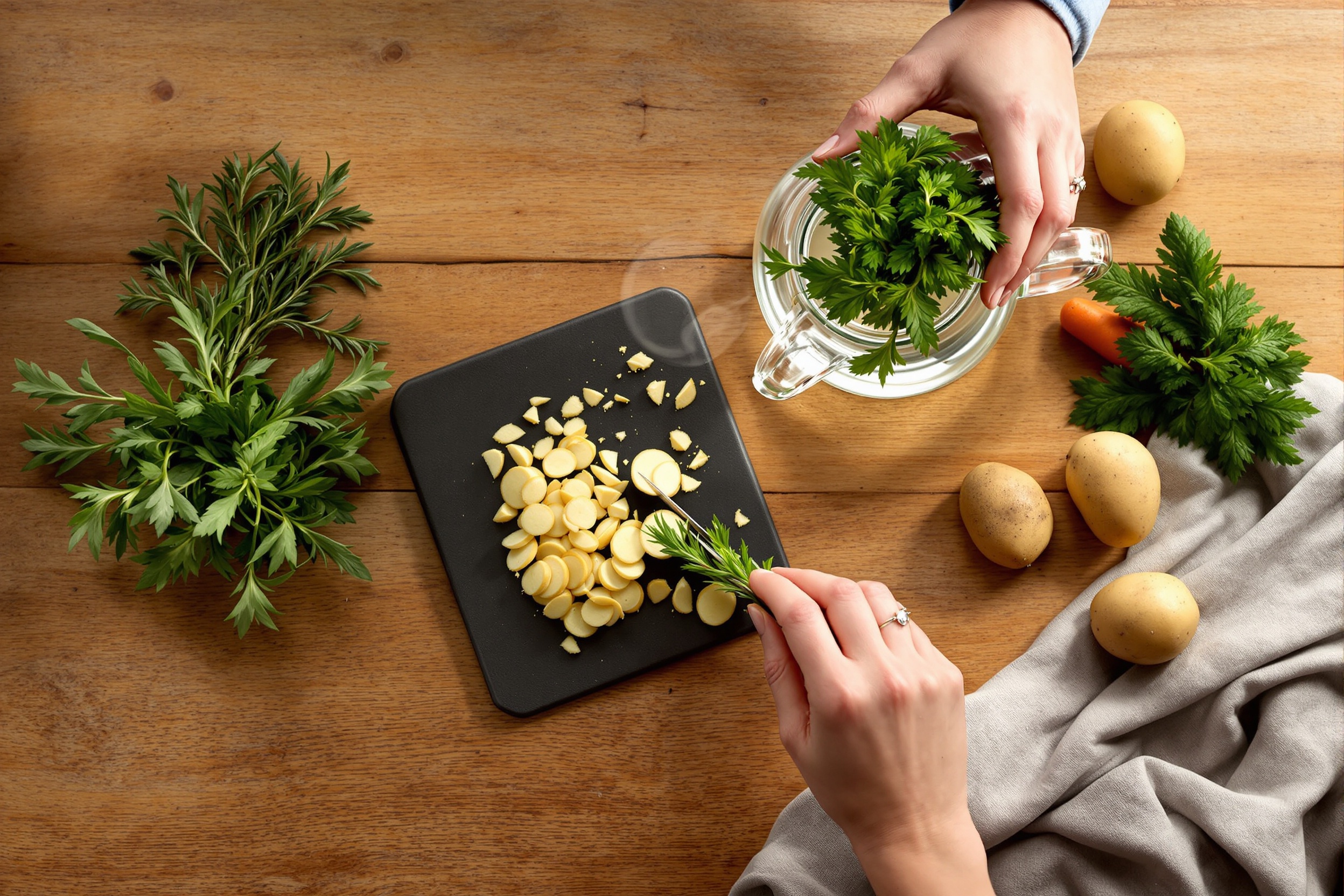
Herbal & Plant-Based Gut Soothers
1. Ginger: The Classic Digestive Hero
Few herbs are as trusted—or as well-studied—as ginger. For centuries, it’s been used to calm nausea, settle an uneasy stomach, and even reduce bloating. In a 2023 clinical trial, ginger supplementation was found to improve gastric emptying and significantly lessen discomfort in people with mild indigestion. Whether taken as a tea, chewed raw, or added to meals, ginger is a safe and gentle first line of defense.
2. Peppermint: Cooling Relief for Cramps and Bloating
Peppermint oil has a well-earned reputation for relieving symptoms of irritable bowel syndrome. In fact, a 2022 review in the World Journal of Gastroenterology concluded that peppermint oil capsules noticeably decreased abdominal pain, gas, and frequency of bowel issues. Sipping on plain peppermint tea or using enteric-coated capsules under medical guidance can soothe those pesky lower abdominal cramps. Just remember: peppermint isn’t always ideal for people dealing with acid reflux.
3. Licorice Root (DGL): Soothing the Sensitive Gut Lining
Deglycyrrhizinated licorice (DGL) is a safer way to reap the benefits of this classic herb without raising blood pressure. DGL may coat and calm the stomach lining, making it a gentle solution for heartburn or mild inflammation. Anecdotally, several readers have told me that chewing DGL tablets before meals helped with episodes of gastritis or chronic indigestion.
Probiotics, Prebiotics & Gut Microbiome Balance
Probiotics: Rebuilding the Good Guy Army
Modern research continues to show that a diverse microbiome isn’t just important—it’s central to resilient gut health. Probiotic supplements or probiotic-rich foods can help restore friendly bacteria populations. A 2023 study in the Journal of Nutrition found that regular intake of specific probiotic strains reduced both bloating and post-meal discomfort in adults with sensitive digestive tracts. Think about classics like yogurt, kefir, kimchi, and even some cottage cheeses for a gentle daily boost.
Prebiotics: Feeding Your Gut’s Best Defenders
While probiotics add helpful bacteria, prebiotics feed the ones already in your system. I’ve found that people often overlook these naturally occurring fibers found in foods like garlic, onions, leeks, asparagus, and bananas. Boosting prebiotics may help with constipation, sluggish digestion, and gut inflammation over time.

Everyday Lifestyle Tweaks for a Happier Gut
Mindful Eating: Slow Down, Tune In
It sounds basic, but slowing meals down really can work wonders for digestion. Eating more slowly allows time for message signals between your gut and brain to be recognized, which can minimize overeating, indigestion, and even brain fog after large meals. I often recommend at least 20 minutes per meal and chewing thoroughly—your gut (and your mind) will thank you for it.
Movement & Gentle Exercise
Surprisingly, even light activities like walking after a meal can get sluggish digestion moving again. A short stroll encourages the flow of digestive enzymes, which in turn supports better nutrient absorption and a happier microbiome. If you're aiming to strengthen and tone your glutes, routines that involve hip bridges, lunges, and squats can also stimulate the lower abdomen and promote regular bowel movements. Gut support and glute gains can go hand in hand!
Managing Stress For Gut Health
Chronic stress is notorious for kicking digestion off track. Stress hormones can hinder stomach acid production and cause bouts of cramping, too. Regular stress management—whether it’s breathwork, meditation, evening walks, or even using the best natural sleep supplement for deep sleep—is often key to both healthier digestion and a clearer, more resilient brain. In my practice, I’ve seen deep sleep tools reduce both digestive flare-ups and overall brain fog.
Targeting Common Gut Complaints, Naturally
Bloating & Gas
For many, bloating feels like a daily nuisance. Several approaches can help, including sipping herbal teas (ginger, fennel, or peppermint), increasing soluble fiber cautiously, and staying hydrated. Remember, it's best to add fibers gradually, as sudden changes may worsen symptoms temporarily. If you’re experiencing stubborn bloating along with low energy or brain fog, it may be worth supporting your metabolism with a healthy, varied diet or talking to your doctor about the best metabolism booster for women over 40.
Irregularity & Constipation
Constipation can make your gut feel stagnant, but certain natural options can provide gentle support. Prunes and kiwis are surprisingly effective (a 2022 clinical trial found kiwis outperformed psyllium husk for regularity). Staying active, increasing magnesium-rich foods like spinach, and drinking enough water can reduce straining. Prebiotic fibers also help over the long haul.
Gut-Brain Connection: Clearing "Brain Fog" and Lifting Mood
Digestive sluggishness, inflammation, and microbiome imbalances can all impact mental clarity. If forgetfulness or sluggish thinking persists, look for natural brain fog remedies. These might include fermented foods, omega-3-rich fish, and the best brain supplement for focus and mental clarity. In some cases, gut issues may signal food sensitivities, blood sugar swings, or micronutrient deficits—worth investigating with your care team if symptoms don’t resolve.
Men’s & Women’s Health: Gut Care with a Purpose
Prostate & Men’s Health
Emerging research notes the surprising role of gut health in overall men’s wellness—including prostate health. A 2022 analysis from the International Journal of Urology pointed to links between gut microbiota diversity and lower risk for chronic prostate inflammation. Focusing on a varied plant-rich diet and considering a natural prostate support supplement or a prostate health support formula for men over 50 may offer dual benefits, supporting both gut relief and long-term male health.
Metabolism & Women’s Wellness
Women, especially those over 40, may notice shifts in gut motility and metabolism tied to hormones. I've found that balancing fiber intake, prioritizing regular movement, and occasionally utilizing the best metabolism booster for women over 40 can smooth out digestive hiccups while providing gentle metabolic support. Those metabolic tweaks may even help with persistent fatigue or brain fog.
When to Seek Extra Support
If natural strategies aren’t working—or if you’re dealing with severe or persistent symptoms—always check in with your healthcare provider. Sudden weight loss, blood in your stool, ongoing vomiting, or severe pain are red flags that require medical evaluation. For most mild-to-moderate digestive trouble, though, nature offers a wealth of relief. Tuning into gentle, time-honored remedies not only eases symptoms but supports your whole body, from brain to glutes.
Simple Summary: Listen to Your Gut
Our guts are complex—but they respond beautifully to thoughtful care. It may take some trial and error, but with the right herbs, microbiome nutrients, and mindful habits, better digestion can absolutely be within reach. Over my years in wellness writing, I’ve seen these small, natural steps add up to transformative change, not just for gut health but for overall clarity, memory, and vitality.
- Start with dietary tweaks and herbal soothers like ginger or peppermint
- Support your microbiome naturally via probiotics and prebiotics
- Move your body and practice mindful eating—your gut will thank you
- Consider natural support formulas if you have specific men's or women’s health goals
- Always consult your provider for complex or persistent symptoms
Disclosure: Some links in this article are affiliate links. If you purchase through these links, we may earn a small commission at no extra cost to you. We only recommend products we genuinely believe in.
Ready to Optimize Your Nutrition?
Discover science-backed supplements and nutrition tools our editorial team has vetted for quality, bioavailability, and real-world results.
Browse Reviewed ProductsAffiliate link — we may earn a commission at no extra cost to you. We only recommend what we genuinely trust.
Health Disclaimer
This article is for informational purposes only and is not a substitute for professional medical advice, diagnosis, or treatment. Always consult your physician or qualified healthcare provider before starting any new supplement, diet, exercise program, or health regimen. Individual results may vary.
Related Articles
Plant-Based Omega-3 Sources FAQ: Best Foods & Absorption Tips
Discover the top plant-based omega-3 sources, why they're crucial for brain, heart, and prostate health, and actionable tips to absorb more—without fish or animal products.
The Estrogen Balance Nutrition Protocol: Wellness Steps for Women 35+
A detailed, evidence-based wellness protocol for women 35+ to support healthy estrogen balance and ease menstrual discomfort, featuring practical nutrition, supplement, and lifestyle steps.
Nutrition for Macular Degeneration Prevention: FAQs on Eye-Healthy Diets
Explore evidence-based answers to top questions about nutrition strategies for eye health and AMD prevention after 45. Covering foods, supplements, and realistic meal tips.
Get Evidence-Based Health Tips
Join our newsletter for weekly insights on nutrition, fitness, and wellness — backed by research, not hype.