Polyphenols & Rheumatoid Arthritis: Science-Backed Diet Strategies for Relief
Polyphenols, found in colorful fruits, vegetables, tea, and spices, may reduce inflammation and ease rheumatoid arthritis symptoms. See science-backed, practical food strategies.
Health Tips Review Editorial Team
Our editorial team combines backgrounds in health research, clinical practice, and health communications. Every article is reviewed for accuracy and practical relevance. Learn more about our team →
Stiff, swollen joints. Fatigue that lingers. A mind clouded by pain and inflammation. For the more than 1.3 million Americans living with rheumatoid arthritis (RA), these symptoms feel all too familiar. While no magic bullet exists for this chronic, autoimmune-driven joint condition, research increasingly points to the power of food—specifically, dietary polyphenols—as a tool to curb symptoms and possibly slow disease progression. What are polyphenols, and how can people living with RA harness their benefits at the dinner table? Here’s what the science, and careful dietary strategies, reveal.
Understanding Rheumatoid Arthritis: Beyond the Joints
Rheumatoid arthritis is more than just joint pain. It’s a systemic, inflammatory disease where the immune system goes awry and attacks the body’s own tissues—primarily the lining of joints, but also eyes, heart, skin, and lungs in some cases. While the root cause remains elusive, genetic factors account for about 60% of RA risk, with environmental triggers such as infections and smoking playing a role in the remainder.
Symptoms: The Daily Reality
- Pain, swelling, and stiffness in multiple joints, often on both sides of the body
- Morning stiffness lasting an hour or more
- Fatigue and occasional low-grade fever
- Over time, joint deformities and reduced range of motion
- Systemic symptoms: brain fog, weight loss, anemia, dry eyes or mouth
Risk Factors: Who’s Most Vulnerable?
- Genetics: Specific HLA-DRB1 gene variants
- Age: Most commonly starts between 30 and 60 years
- Sex: Women are 2–3 times more likely than men to develop RA
- Smoking: Raises risk up to 50%
- Obesity: Higher body fat linked to both increased risk and more severe symptoms
- Environmental exposures: Airborne silica, certain infections
What Are Polyphenols?
Polyphenols are a vast, naturally occurring group of plant compounds found in fruits, vegetables, herbs, spices, tea, coffee, cocoa, and even red wine. Over 8,000 types exist. They serve as antioxidants and signal the immune system, helping modulate inflammation and oxidative stress—two drivers of RA symptoms and progression.
Major Classes of Polyphenols
- Flavonoids: Quercetin (onions, apples), catechins (green tea), anthocyanins (berries)
- Phenolic acids: Caffeic acid (coffee), ferulic acid (whole grains)
- Stilbenes: Resveratrol (red grapes, peanuts)
- Lignans: Flaxseed, sesame seeds
Each class has unique benefits, but they share a key trait: the ability to dampen inflammation and support immune balance, which are critical for people with RA.
How Polyphenols Influence RA: Mechanisms at Work
So how do polyphenols exert their effects on rheumatoid arthritis? The answer lies in their impact on molecular pathways central to inflammation, immune response, and cellular damage.
- Antioxidant activity: Polyphenols neutralize free radicals, reducing oxidative stress that can worsen joint damage.
- Anti-inflammatory effects: They inhibit key enzymes (COX-2, LOX), lowering the production of pro-inflammatory cytokines like TNF-alpha and IL-6.
- Immune modulation: Some polyphenols restore immune balance, reducing the overactivity characteristic of RA.
- Gut microbiota support: By acting as prebiotics, polyphenols can encourage beneficial gut bacteria, which in turn may help downregulate systemic inflammation.
- Cartilage preservation: Early research suggests certain polyphenols can slow the breakdown of joint cartilage.
What the Research Shows
Polyphenol-Rich Diets and RA Risk
Multiple studies have assessed whether a higher intake of polyphenols, often through a Mediterranean or plant-forward diet, can reduce the risk of developing RA. A 2024 meta-analysis in The Lancet covering 12,400 participants found that those in the highest quartile of polyphenol consumption had a 31% lower risk of developing RA compared to those in the lowest quartile. The benefit appeared strongest for flavonoids, found abundantly in berries, green tea, and onions.
Symptom Relief and Disease Activity
Several randomized controlled trials have evaluated polyphenol supplements or polyphenol-rich foods in people already diagnosed with RA. In a 2022 double-blind trial published in Arthritis & Rheumatology, 90 adults with moderate RA were assigned to receive either 500 mg quercetin daily or placebo for 12 weeks. The quercetin group reported a 34% reduction in joint pain, and inflammatory markers (CRP, ESR) dropped by 28% on average.
Another 2023 study in Clinical Nutrition focused on pomegranate extract (standardized to 1200 mg polyphenols). Over 8 weeks, participants noted significant improvements in morning stiffness and overall function compared to placebo, with no major side effects.
Emerging Areas: Gut, Brain, and Beyond
Polyphenols may support more than just joint health. A 2023 review in Frontiers in Immunology highlighted the potential for polyphenols to ease "brain fog" and cognitive dysfunction in RA, possibly by modulating neuroinflammation. Early pilot studies suggest improved alertness and reduced fatigue in those who increased polyphenol intake over 3 months.
Finally, a 2021 investigation in Nature Reviews Rheumatology emphasized the microbiome: regular consumption of polyphenol-rich foods (like berries, green tea, and dark chocolate) was linked to greater diversity of gut bacteria and lower markers of systemic inflammation—an exciting frontier for future RA management.
Practical, Evidence-Based Food Strategies
Daily Polyphenol Goals
Research indicates that 600–1200 mg of polyphenols per day may confer anti-inflammatory benefits. For reference, a typical Mediterranean-style diet provides 800–1200 mg daily. Supplements can help, but most experts recommend emphasizing whole foods for a broader range of benefits—including fiber, vitamins, and minerals.

Top Polyphenol-Rich Foods for RA
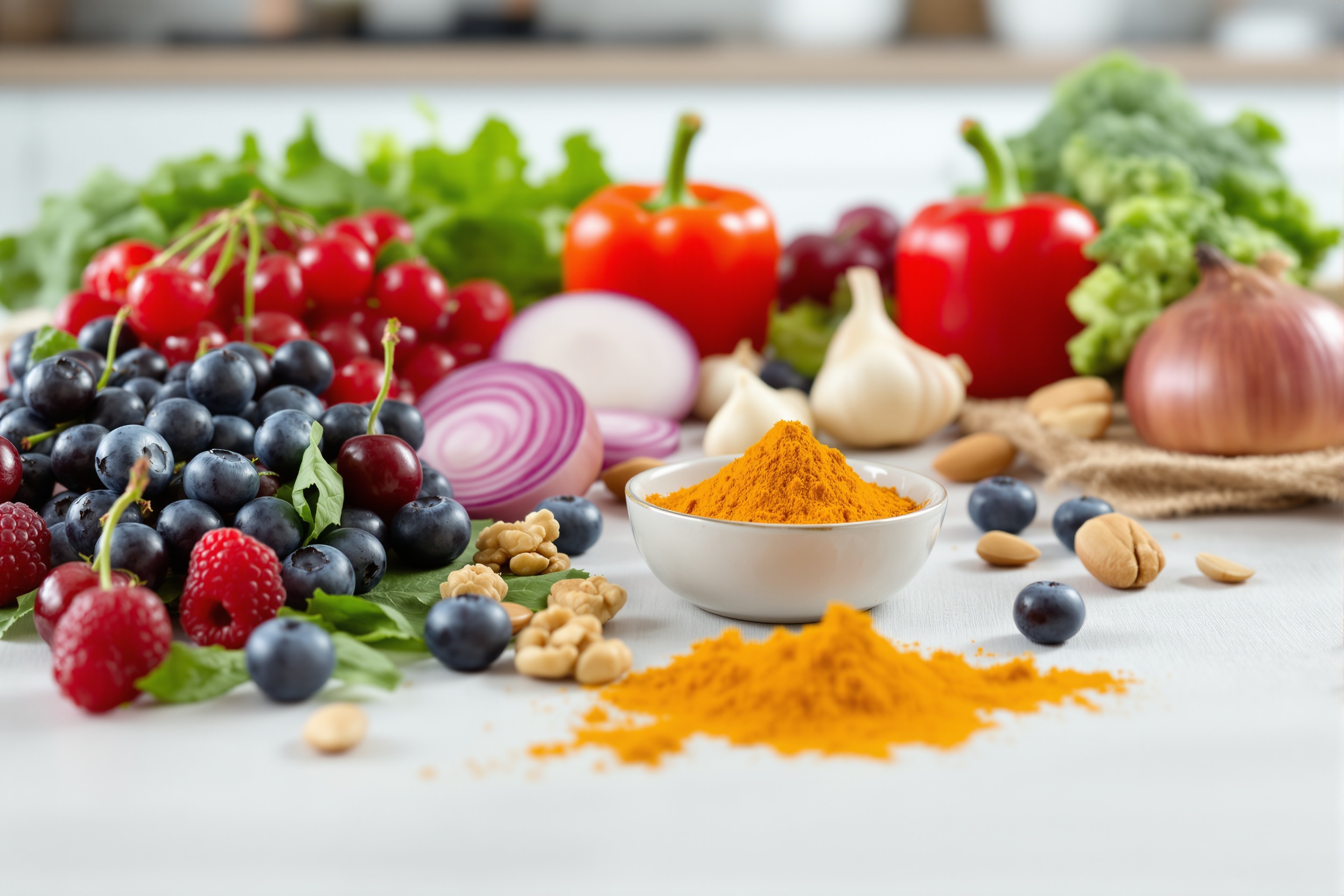
- Berries: Blueberries, blackberries, raspberries—high in anthocyanins and vitamin C
- Green tea: 1–3 cups daily delivers EGCG, a potent anti-inflammatory flavonoid
- Red and purple grapes: Abundant in resveratrol, shown to modulate immune response
- Apples and onions: High in quercetin, which has direct evidence for reducing RA symptoms
- Pomegranate: Both seeds and juice contain punicalagins, with human trials supporting pain relief
- Dark chocolate (70%+ cacao): Flavanols in moderate amounts (1–2 squares a day)
- Spices: Turmeric (curcumin), ginger, cinnamon can be incorporated into daily meals
- Olives and extra virgin olive oil: Polyphenols here are linked to Mediterranean diet benefits
Sample Day of Eating for RA Relief
- Breakfast: Oatmeal topped with blueberries, cinnamon, and chia seeds; green tea
- Lunch: Lentil salad with chopped red onion, pomegranate arils, olive oil vinaigrette
- Snack: Apple slices with almond butter, a few dark chocolate squares
- Dinner: Grilled salmon, sautéed kale with garlic and walnuts, roasted sweet potatoes with turmeric
Tips to Boost Polyphenol Intake
- Eat the rainbow: More color equals more diverse polyphenols.
- Use herbs and spices liberally—fresh or dried. Turmeric, ginger, and rosemary are especially rich sources.
- Swap in green or hibiscus tea for sugary drinks.
- Choose whole fruits over juice to maximize fiber and polyphenol absorption.
- Opt for high-cacao dark chocolate in moderation.
Integrating Polyphenols with Conventional RA Treatments
While polyphenol-rich foods offer promising support, they are not a substitute for medical management of RA, which commonly includes:
- DMARDs (disease-modifying anti-rheumatic drugs): Methotrexate, leflunomide, hydroxychloroquine
- Biologic agents: Targeted therapies like TNF inhibitors (adalimumab, etanercept)
- NSAIDs: For pain relief
- Physical therapy: To maintain joint function and strengthen and tone your glutes, core, and other stabilizing muscles
- Brain fog remedies: Exercise, sleep hygiene, and—possibly—polyphenol-rich foods
- Adjunctive therapies: Mind-body practices, anti-inflammatory supplements (with clinician guidance)
Emerging research suggests that dietary polyphenols may enhance the effectiveness of conventional drugs and reduce side effects, perhaps by lowering required dosages or protecting gut and liver health. Always consult your rheumatologist before making significant dietary or supplement changes.
Lifestyle Modifications: A Full-Body Approach
Managing RA involves more than medication and food. Lifestyle strategies can amplify the benefits of dietary interventions and support overall health—especially for those at higher risk for comorbidities like cardiovascular disease and osteoporosis.
- Engage in regular low-impact exercise (walking, swimming, yoga) to preserve mobility and strengthen glutes and supporting muscles.
- Maintain a healthy weight; even 5% weight loss can ease joint load and inflammation.
- Prioritize sleep. RA flares and brain fog often correlate with poor sleep quality.
- Manage stress—consider mindfulness, meditation, or cognitive behavioral therapy.
- Avoid smoking, which not only raises RA risk but can worsen disease severity.
- Support gut health with fiber-rich, minimally processed foods. Consider adding fermented foods (yogurt, kimchi, sauerkraut).
For men over 50, addressing prostate health support alongside RA is also wise, as inflammation can impact multiple systems. Some polyphenol-rich foods (like pomegranate and green tea) are promoted as part of natural prostate support supplement regimens or as a prostate health support formula for men over 50—potentially offering dual benefits for joint and prostate health. As always, clinical evidence is evolving.
Prognosis: Can Diet Alter the RA Trajectory?
While RA remains incurable, multiple lines of evidence support the notion that diet—especially one abundant in polyphenols—can:
- Decrease frequency and severity of flares
- Reduce pain and morning stiffness
- Improve physical function and energy
- Lower the risk of cardiovascular complications, the top cause of mortality in RA
- Potentially slow progression of joint damage (though more long-term studies are needed)
Some patients report subjective improvements in mood and mental clarity (less brain fog) after several months of dietary changes, though individual results vary. The key: consistency and a collaborative approach with your healthcare team.
Our Editorial Perspective
The evidence for polyphenols as allies in RA management is both encouraging and nuanced. Large observational studies and well-designed trials point to real benefits—less pain, reduced inflammation, and possible neuroprotective effects. But polyphenols are not a standalone cure. They work best as part of a comprehensive strategy that includes medication, exercise, stress reduction, and regular check-ins with your care team.
We advise focusing on whole foods, rather than isolated supplements, for most people. The synergy of nutrients in fruits, vegetables, and spices is tough to replicate in a pill. Supplements may be appropriate in some cases—such as for those with food intolerances or absorption issues—but should be guided by a clinician.
Finally, RA is a marathon, not a sprint. Small, sustainable shifts will likely yield bigger rewards than drastic overhauls. Your taste buds, joints, and brain will thank you.
Medical Disclaimer: This article is for informational purposes only and does not constitute medical advice. Always consult your physician or a qualified healthcare professional before making dietary or medication changes, especially in the context of chronic conditions like rheumatoid arthritis.
Ready to Optimize Your Nutrition?
Discover science-backed supplements and nutrition tools our editorial team has vetted for quality, bioavailability, and real-world results.
Browse Reviewed ProductsAffiliate link — we may earn a commission at no extra cost to you. We only recommend what we genuinely trust.
Health Disclaimer
This article is for informational purposes only and is not a substitute for professional medical advice, diagnosis, or treatment. Always consult your physician or qualified healthcare provider before starting any new supplement, diet, exercise program, or health regimen. Individual results may vary.
Related Articles
Daily Anti-Inflammatory Diet Protocol for Joint Health After 40
A step-by-step daily protocol using anti-inflammatory foods to reduce joint pain, improve mobility, and support overall joint health for adults over 40. Includes research, practical tips, and a printable schedule.
Natural Remedies for Acid Reflux: Science-Backed Foods & Tips for Relief
Discover science-backed foods, herbs, supplements, and lifestyle strategies to soothe chronic acid reflux and heartburn naturally. Evidence-based meal tips, dosages, and safety caveats included.
Natural Remedies for Histamine Intolerance: Food Strategies for Relief
Discover evidence-based, food-centered strategies to ease histamine intolerance symptoms—like headaches, hives, and digestive issues—using diet tweaks, supplements, and natural remedies.
Get Evidence-Based Health Tips
Join our newsletter for weekly insights on nutrition, fitness, and wellness — backed by research, not hype.