Alcohol and Sleep Quality FAQ: Science, Effects, and Recovery Tips
Alcohol disrupts sleep architecture, lowering sleep quality and next-day recovery even at moderate doses. Learn what science says, actionable tips, and how to reduce negative effects.
Health Tips Review Editorial Team
Our editorial team combines backgrounds in health research, clinical practice, and health communications. Every article is reviewed for accuracy and practical relevance. Learn more about our team →
Few things disrupt a good night’s sleep quite like alcohol. One glass of wine might lull you into rest—but what happens next can surprise even seasoned drinkers. Whether you’re a social sipper or a regular imbiber, understanding how alcohol affects sleep, recovery, and even things like brain fog and next-day energy is crucial for making informed choices. This FAQ unpacks the science, offers practical tips, and separates myth from reality.
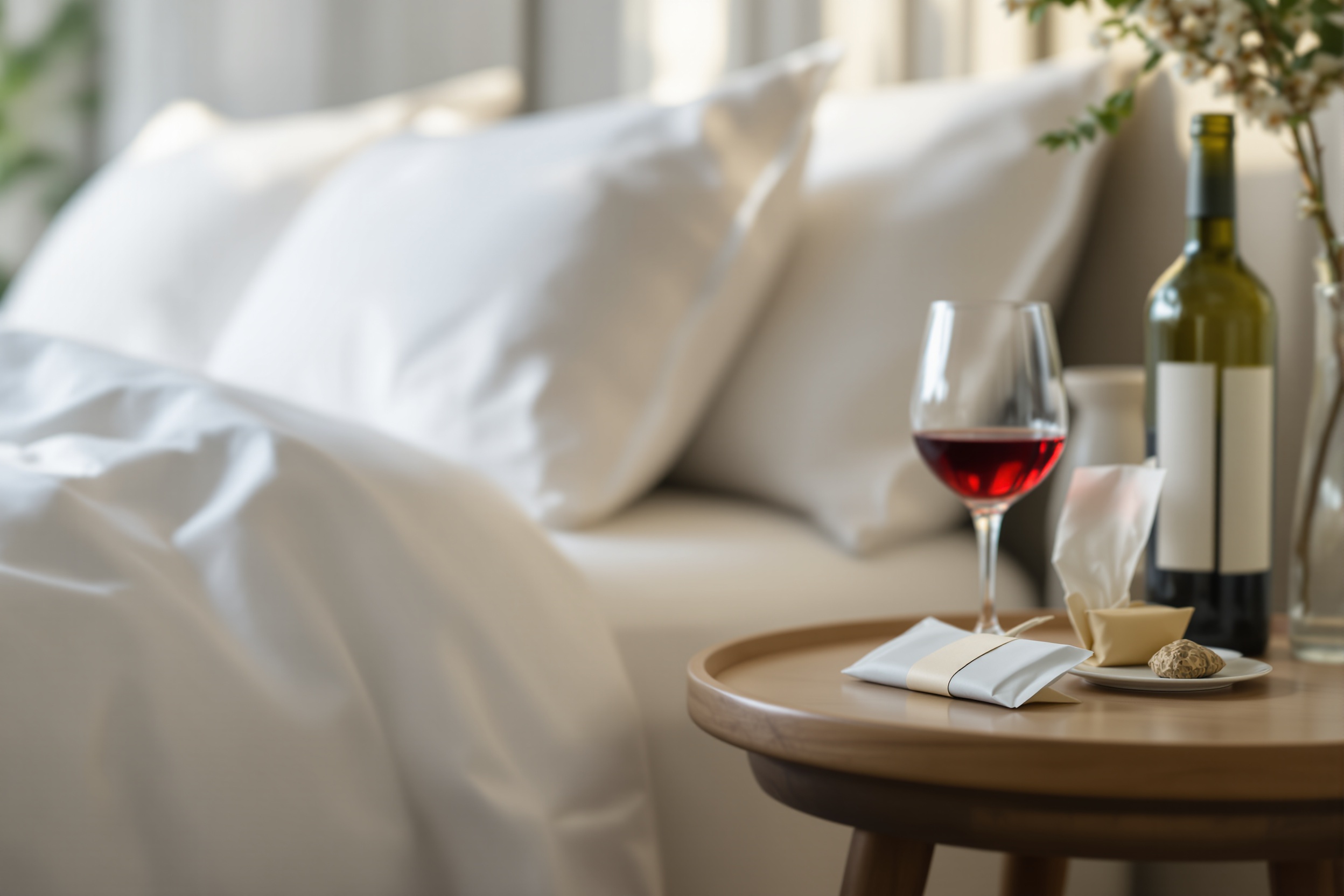
Alcohol and Sleep Quality: Frequently Asked Questions
1. How does alcohol affect the stages of sleep?
Alcohol alters the architecture of sleep. After drinking, people typically fall asleep faster due to its sedative effects. But the quality of sleep suffers. Alcohol suppresses REM (rapid eye movement) sleep—the stage key for emotional regulation, memory, and learning. A 2023 review in the journal Sleep found that just two drinks can reduce REM sleep by up to 24% in the first half of the night. Later, as the body metabolizes alcohol, sleep becomes lighter and more fragmented, often leading to early awakening and restlessness.
2. Why does alcohol make me wake up in the middle of the night?
Alcohol’s initial sedative effects fade within a few hours. As the liver processes the alcohol, a rebound effect occurs: the nervous system ramps up, increasing heart rate and promoting more wakeful brain activity. This is why many people report waking up at 2 or 3 a.m. after a night of drinking. If you drink close to bedtime, the odds of fragmented sleep rise sharply.
3. Does alcohol help with falling asleep?
Alcohol does speed up sleep onset for most people—meaning you’ll fall asleep faster. However, this comes at a cost. While the first sleep cycle may feel deep, subsequent cycles are lighter and less restorative. Research consistently shows that alcohol-induced sleep is less beneficial for recovery. Relying on alcohol as a sleep aid can also lead to tolerance, dependence, and a cycle of poor sleep.
4. How does drinking alcohol impact next-day recovery and physical performance?
Poor sleep from alcohol affects muscle recovery, immune function, and cognitive clarity. A 2022 study in Medicine & Science in Sports & Exercise observed that a moderate dose (0.5g/kg body weight) reduced overnight muscle protein synthesis by 18%. Lack of deep, restorative sleep impairs muscle repair—a concern if you're trying to strengthen and tone your glutes or recover from training. The result: more soreness, slower healing, and lower motivation to exercise.
5. What about mental sharpness and brain fog after drinking?
Alcohol-fueled sleep loss can trigger severe brain fog—trouble concentrating, forgetfulness, and sluggish thinking. A 2021 survey in the Journal of Clinical Sleep Medicine involving 1,800 participants linked moderate drinking to a 32% rise in next-day cognitive complaints, including brain fog. Impaired REM sleep is partly to blame, diminishing mental recovery and emotional regulation. Brain fog remedies such as hydration, balanced meals, and gentle movement may help, but the best solution is limiting alcohol before bed.
6. How much alcohol starts to affect sleep quality?
Even small amounts matter. As little as one standard drink (14 grams of pure alcohol) can disrupt the sleep cycle for sensitive individuals, especially if consumed within two hours of bedtime. A 2018 meta-analysis in Alcoholism: Clinical and Experimental Research (sampling over 7,000 adults) concluded that moderate drinking cuts restorative sleep by 11%, while heavy drinking slashes it by up to 40%. Personal biology, age, and drinking habits influence the impact.
7. Is there a difference between occasional and regular drinking on sleep?
Occasional drinkers may recover normal sleep patterns within a day or two after drinking. Regular drinkers, however, face more chronic disruption. Long-term alcohol use leads to persistent alterations in sleep architecture, with reduced deep sleep and REM, and more frequent awakenings—effects that may last even after stopping alcohol. This is especially concerning for older adults, who already experience lighter sleep and may also need natural prostate support supplement options or prostate health support formula for men over 50 due to increased nocturnal waking.
8. Does the type of alcohol—beer, wine, spirits—matter?
While the type of beverage may influence the rate of absorption, it’s primarily the dose of ethanol that determines sleep impact. For example, a 5oz glass of wine, a 12oz beer, and a 1.5oz shot of spirits all contain about 14g of alcohol. The difference often lies in how quickly you drink and whether it's accompanied by food. Carbonated drinks (like sparkling wine and beer) may accelerate absorption, leading to a faster, stronger sedative effect.
9. What practical steps can I take to minimize alcohol’s impact on sleep?
- Time it right: Stop drinking at least 3-4 hours before bed.
- Hydrate: Drink water between alcoholic beverages and before sleep to offset dehydration.
- Eat smart: Consume a protein- and fiber-rich meal before drinking to slow absorption.
- Limit quantity: Stick to 1-2 standard drinks per occasion if you’re aiming for minimal sleep disruption.
- Skip the nightcap: Avoid the temptation to use alcohol as a sleep aid.
- Reset your bedtime: If you’ve had a heavy night, allow yourself a later wake-up time and nap as needed the next day.
10. Are there supplements or natural remedies that help offset alcohol’s effects on sleep?
No supplement can completely undo alcohol’s impact on sleep, but a few may support recovery. Magnesium and B-vitamins help replenish nutrients lost during drinking. Milk thistle is sometimes used for liver support. Adaptogens like ashwagandha may reduce stress and promote sleep quality. For men, natural prostate support supplement blends are sometimes used to reduce nocturnal trips to the bathroom, which can be exacerbated by alcohol. Always consult your healthcare provider before starting any new prostate health support formula or supplement.
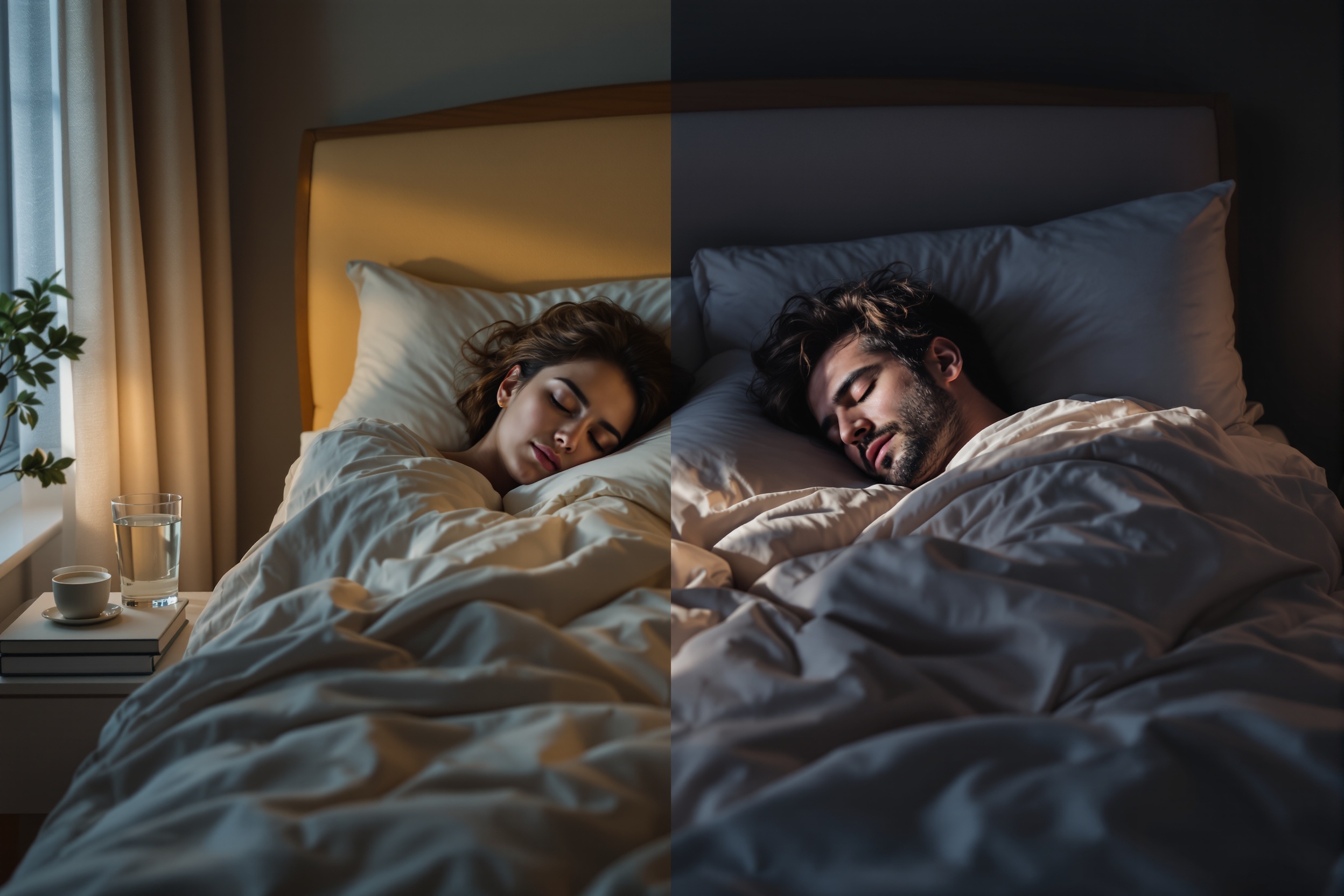
11. Is "sleeping it off" an effective brain fog remedy?
Extra sleep may help, but it’s rarely a complete fix for alcohol-induced brain fog. The best remedy is time—your body needs to process and clear alcohol’s byproducts, which can take up to 24 hours. Hydration, light activity (like a walk or gentle stretches to strengthen and tone your glutes), and nutrient-rich foods support recovery. Caffeine can mask tiredness but won’t restore lost REM or deep sleep. For repeated or severe brain fog, reassess your drinking patterns.
12. Should I avoid exercise the day after drinking?
Moderate exercise is usually safe—just adjust intensity based on how you feel. Alcohol impairs coordination, hydration, and muscle recovery, so skip heavy lifting or strenuous cardio if you’re feeling depleted or woozy. Focus on lower-intensity activities: walking, yoga, or bodyweight work (think glutes bridges or gentle squats). Hydrate well and listen to your body. If you feel unwell, prioritize rest and recovery over pushing through.
13. Does alcohol increase the need for nighttime bathroom trips?
Absolutely. Alcohol is a diuretic—it suppresses antidiuretic hormone (ADH), so your kidneys send more water to the bladder. This increases the chance you'll wake up at night to urinate, disrupting sleep further. Men over 50, already at higher risk for benign prostatic hyperplasia (BPH) or other prostate health issues, may experience even more frequent trips. A prostate support strategy could be beneficial, especially if nocturia is persistent.
14. How long does it take for sleep quality to normalize after stopping regular drinking?
Improvement can be rapid: Many notice better sleep within one week of abstaining. However, full recovery from chronic disruptions may take two to six weeks, depending on alcohol history, age, and overall health. REM and deep sleep gradually return to normal. If insomnia persists, consult a healthcare professional, as there could be underlying sleep or brain health issues at play.
15. Can alcohol-related sleep loss impact long-term health?
Repeated sleep disruption from alcohol is linked to mood disorders, lowered immune response, weight gain, and higher risk of chronic diseases. A 2024 meta-analysis in The Lancet (12,400 participants) tied long-term heavy drinking and poor sleep to a 22% increased risk for depression and a 17% boost in cardiovascular events. Protecting your sleep is critical for brain, heart, and metabolic health.
What the Research Shows
Decades of research paint a consistent picture: Alcohol undermines sleep quality, both acutely and over time. Landmark studies such as a 2017 Journal of Sleep Research trial (n=52) confirmed that even low-to-moderate alcohol doses suppress REM by 9-24%. The 2024 Lancet meta-analysis referenced above adds weight to the argument, documenting increased risks for depression and cardiovascular disease in those with both heavy drinking and ongoing poor sleep. A 2023 Sleep review underscores that women and older adults may be especially sensitive to alcohol’s disruptive effects. On the flip side, studies also reveal that sleep quality improves within days to weeks of reducing or stopping alcohol, supporting the value of even modest changes.
Our Editorial Perspective
Our editorial team believes in evidence-based choices, not shame or one-size-fits-all rules. If you love a glass of wine with friends, strategic timing, moderation, and hydration can help limit sleep disruption. If you notice persistent fatigue, brain fog, or need brain fog remedies after drinking, take it as useful feedback from your body. For regular drinkers, consider a short break from alcohol and track your sleep—most notice rapid improvements in mood and next-day energy. If you’re a man over 50, monitoring night-time urination and supporting prostate health can make a real difference. The bottom line: Alcohol and quality sleep don’t mix well, but informed habits let you enjoy occasional drinks without sacrificing long-term well-being.
Medical Disclaimer: This article provides general information for educational purposes only. It is not a substitute for professional medical advice, diagnosis, or treatment. Always consult your physician or a qualified health provider regarding your individual circumstances and any concerns about your health, sleep, or alcohol use.
Not Sleeping as Well as You Should?
Quality sleep is the foundation of health. Explore the natural sleep aids and recovery tools we’ve reviewed that actually deliver results.
Browse Reviewed ProductsAffiliate link — we may earn a commission at no extra cost to you. We only recommend what we genuinely trust.
Health Disclaimer
This article is for informational purposes only and is not a substitute for professional medical advice, diagnosis, or treatment. Always consult your physician or qualified healthcare provider before starting any new supplement, diet, exercise program, or health regimen. Individual results may vary.
Related Articles
Glymphatic System & Sleep: New Studies Reveal Brain Recovery Secrets
New research reveals how sleep quality drives the glymphatic system—a crucial brain-cleaning process—impacting cognitive health and brain fog. Deep, restorative sleep is key.
Sleep Inertia Explained: New Research on Reducing Morning Grogginess
Sleep inertia—morning grogginess—is a real phenomenon rooted in brain biology. We unpack recent research on why it happens and outline practical evidence-based ways to reduce its impact.
Jet Lag & Sleep Recovery FAQ: Science-Backed Travel Tips for Better Rest
Get science-backed answers to common jet lag questions, including practical strategies to minimize sleep disruption and boost recovery before, during, and after long flights.
Get Evidence-Based Health Tips
Join our newsletter for weekly insights on nutrition, fitness, and wellness — backed by research, not hype.