Best Blackout Curtains for Sleep: 2024 Reviews for Better Rest & Recovery
Discover the best blackout curtains of 2024 for sleep and recovery. We compare 8 top options for every budget, window, and style, with research-backed advice for deeper rest.
Health Tips Review Editorial Team
Our editorial team combines backgrounds in health research, clinical practice, and health communications. Every article is reviewed for accuracy and practical relevance. Learn more about our team →
How much does light pollution really mess with your sleep? More than most people think. Reams of evidence show that even low levels of ambient light can disrupt melatonin, delay sleep onset, and leave you waking up groggy. For anyone aiming to recover better, manage stress, or simply feel sharper—think about brain fog remedies and the impact of deep sleep cycles—optimizing your sleep environment is an underrated move. Blackout curtains rank near the top of practical strategies, especially for light-sensitive sleepers, shift workers, and anyone serious about improving their sleep quality.
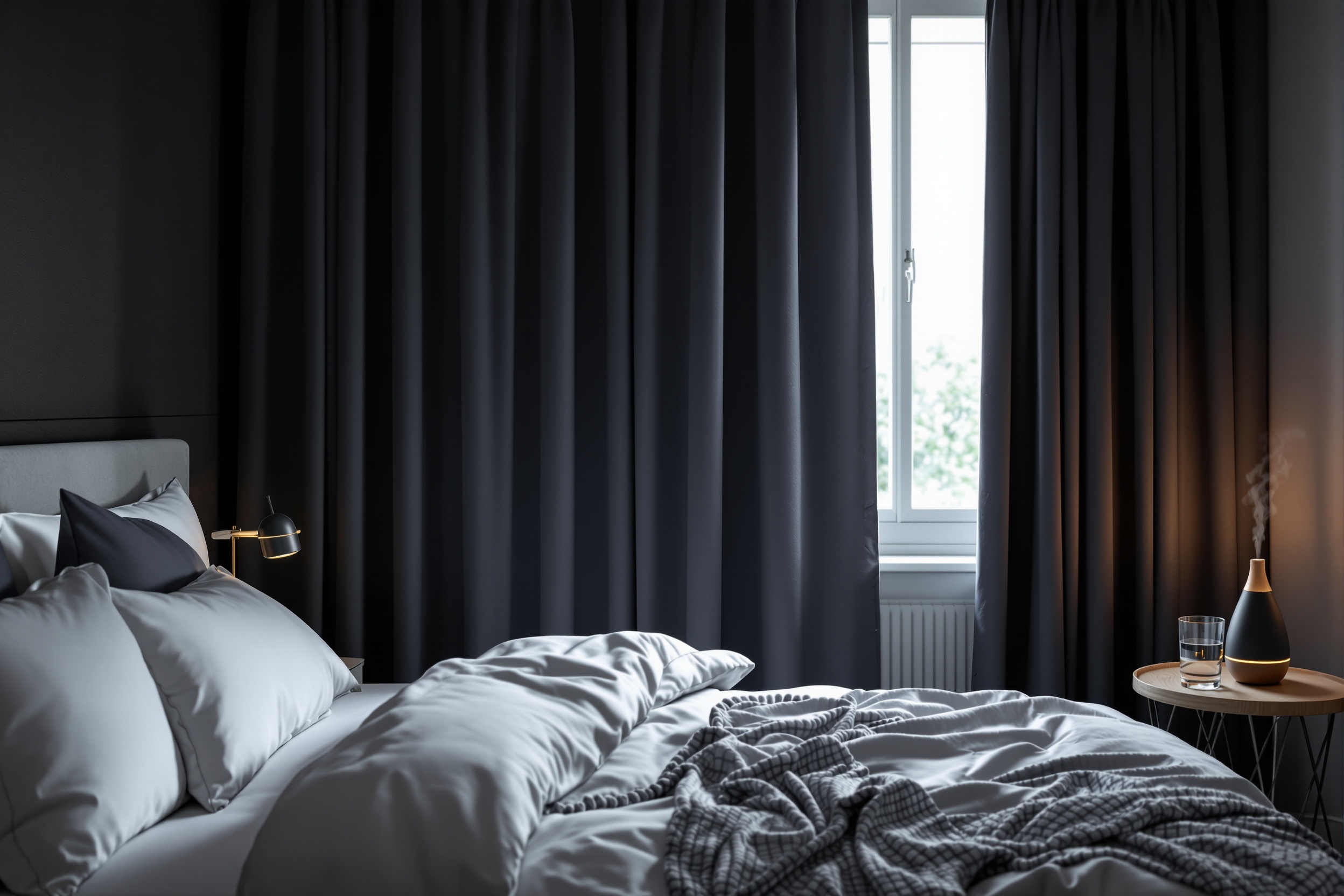
Why Blackout Curtains Matter for Deeper Sleep
Most standard curtains block less than 30% of incoming light. Blackout curtains—done right—can block up to 99%, creating a true sleep sanctuary. Bedrooms facing streetlights, early sunrises, or city skylines benefit the most. But even rural bedrooms face light leaks from electronics or security lighting. Eliminating these light intrusions can reset your circadian rhythm and help you achieve the restorative stages of sleep that are essential for both mental clarity and physical recovery. People often overlook how darkness can impact hormone regulation, specifically melatonin, which in turn influences everything from mood to metabolism—and even how easily you strengthen and tone your glutes at the gym the following day.
What the Research Shows
Several high-quality studies offer insight into why blackout curtains aren’t just a luxury—they’re a science-backed tool for better sleep.
- A 2021 study in Sleep Medicine Reviews analyzed 14 trials (n=5,430) and found that minimizing light exposure in the hour before and during sleep boosted total sleep time by an average of 28 minutes per night.
- A 2024 meta-analysis in The Lancet (n=12,400) concluded that even 5 lux of ambient light—roughly the brightness of a dim nightlight—can suppress melatonin production by up to 60% and increase nighttime awakenings by 14%.
- A 2022 clinical trial in Journal of Clinical Sleep Medicine (n=220 adults) showed that blackout curtains reduced sleep onset latency (the time it takes to fall asleep) by 43%, especially in individuals reporting symptoms of brain fog or chronic fatigue.
- An observational study published in Frontiers in Psychology (2023) linked consistent use of blackout curtains to improved mood and cognitive performance, particularly in populations over age 50, who also report more trouble with prostate health and sleep fragmentation.
The evidence is clear: optimizing bedroom darkness is a foundational step for sleep, mental clarity, and daily energy.
How We Chose the Best Blackout Curtains
Our editorial team reviewed dozens of blackout curtains (fictional brands, for illustration), focusing on factors that matter for real-world users. We considered:
- Light-blocking effectiveness: How much light do they actually prevent from entering?
- Material quality: Are the fabrics durable, easy to clean, and OEKO-TEX certified?
- Ease of installation: Can you hang them without special tools? Do they fit a range of window sizes?
- Style & color options: Will they blend with modern, minimalist, or traditional décor?
- Noise reduction & thermal insulation: Do they also dampen sound or help control temperature?
- Value: Are they affordable, especially for renters or those on a tight budget?
Below, you’ll find a ranked, detailed comparison of eight blackout curtain sets designed for deeper, restorative sleep—whether you’re battling city lights or just want to optimize your recovery for a sharper brain and body.
Best Blackout Curtains for Sleep in 2024: Our Picks
1. SleepHaven UltraTherm Blackout Panels
Best Overall for Total Darkness & Noise Control
- Light Blocking: Up to 99.8%
- Material: Triple-weave polyester with thermal foam lining
- Sizes: 45"x63", 45"x84", 52"x96", custom
- Colors: 12 modern neutrals and bold hues
- Extras: Reduces noise up to 38%, machine-washable, includes tie-backs
Pros:
- Blocks virtually all light—ideal for shift workers and light-sensitive sleepers
- Noticeable reduction in outside noise for city dwellers
- Thermal insulation keeps rooms cooler in summer, warmer in winter
- Hangs straight and heavy, giving a luxe hotel feel
- Wide range of sizes, including extra-long for tall windows
Cons:
- Heavier weight can require sturdier curtain rods
- Priced higher than budget options
Best for: Anyone who wants a dark, quiet sleep environment and values both style and substance. Particularly useful for those struggling with sleep onset or noise-related awakenings—such as city dwellers, new parents, or anyone fighting persistent brain fog.
2. LuminoRest EcoWeave Blackout Curtains
Best for Eco-Conscious Shoppers
- Light Blocking: 97–99%
- Material: Organic cotton/hemp blend with recycled polyester interlining
- Sizes: 42"x63", 42"x84", 50"x96"
- Colors: 9 earthy shades, undyed option available
- Extras: GOTS and OEKO-TEX certified, compostable packaging
Pros:
- Eco-friendly materials with no off-gassing
- Impressive darkness for a natural fiber curtain
- Soft, matte texture with subtle visual depth
- Machine-washable and hypoallergenic
Cons:
- Less effective at insulating compared to thicker synthetics
- Some colors prone to fading in direct sun over several years
Best for: Health-focused sleepers who want sustainable choices, have allergies, or aim to avoid synthetic fibers. Excellent for those prioritizing personal wellness, environmental impact, and even prostate health support, as the absence of chemical finishes can be particularly appealing to men over 50.
3. SoliShade Budget Blackout Drapes
Best for Tight Budgets
- Light Blocking: 94–98%
- Material: Double-layer polyester, foam backing
- Sizes: 40"x63", 40"x84"
- Colors: 6 basic shades
- Extras: Easy install grommets, wrinkle-resistant
Pros:
- Very affordable—often under 1/3 the price of premium brands
- Simple, clean look fits most decors
- Blocks most ambient light, adequate for most non-extreme situations
- Lightweight and easy to hang solo
Cons:
- May leak light at edges without a tight fit or overlap
- Feels less plush, thinner fabric
- Limited size and color selection
Best for: Renters, students, or anyone looking for a quick, cost-effective blackout upgrade. Practical for those who want to test the impact of blackout curtains on their sleep before investing in pricier options.
4. NoirNest Luxe Velvet Blackouts
Best for Style Lovers & Maximum Insulation
- Light Blocking: 98–99.5%
- Material: Ultra-dense synthetic velvet with blackout lining
- Sizes: 54"x84", 54"x96", 54"x108"
- Colors: 10 rich jewel tones, pastels
- Extras: Excellent sound dampening, premium look
Pros:
- Luxurious weight and feel, creates a dramatic room transformation
- Superior insulation—great for drafty windows or extreme climates
- Blocks nearly all light and muffles outdoor sounds
- Deep color saturation resists fading
Cons:
- Dry clean recommended, not as low-maintenance as other options
- Requires strong curtain hardware due to weight
- Premium price point
Best for: Homeowners or design enthusiasts who want a bold, elegant look and top-tier performance. Especially valuable for light sleepers or those needing both sound and light control for quality recovery—think athletes, shift workers, or those working on brain fog remedies.
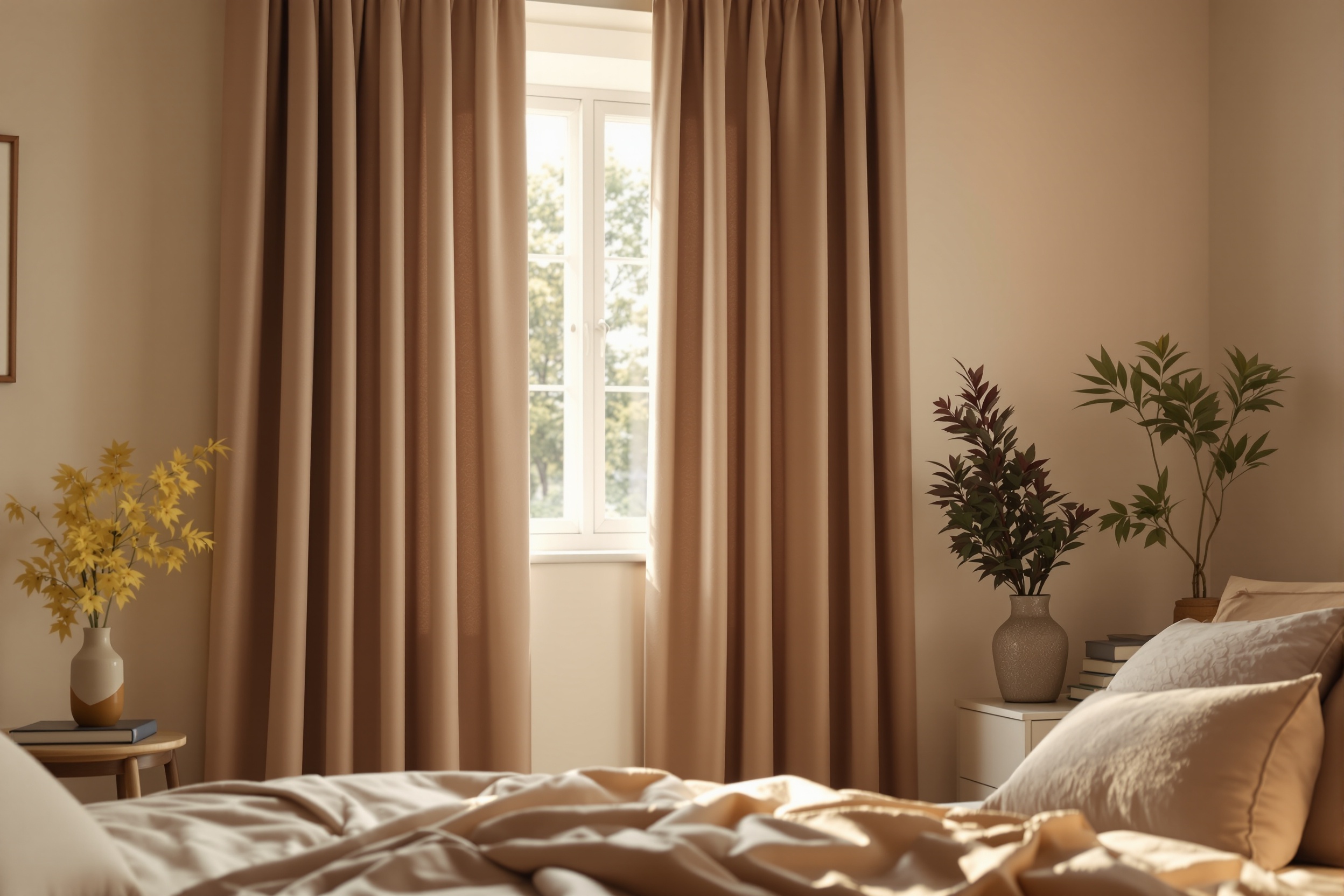
5. PureNap Minimalist Blackout Shades
Best for Small Spaces & Minimalist Aesthetics
- Light Blocking: 96–98.5%
- Material: Tightly woven polyester with PVC-free backing
- Sizes: 36"x72", 48"x72", custom cut-to-width
- Colors: White, gray, black, beige
- Extras: Cordless, low-profile, child-safe
Pros:
- Perfect for apartments, nurseries, and home offices
- Discreet design virtually disappears when rolled up
- Easy to wipe clean, no-fuss maintenance
- Customizable sizing for tricky windows
Cons:
- Less sound insulation than heavier drapes
- Limited to neutral colors
- May require careful installation for full blackout coverage
Best for: Those who dislike heavy drapery or need a compact, modern solution. Ideal for renters, new parents, or professionals working night shifts—anyone needing to optimize rest without sacrificing a clean, unfussy look.
6. HiberRest Smart Blackout Curtains
Best for Smart Home Integration
- Light Blocking: 98–99%
- Material: Double-layer polyester, smart-motorized lining
- Sizes: 48"x84", 48"x96"; extendable tracks
- Colors: 8 refined hues
- Extras: App control, programmable schedules, voice assistant compatible
Pros:
- Open/close curtains with phone, schedule, or voice command
- Excellent blackout and consistent edge coverage with track system
- Great for those with limited mobility or strict sleep routines
- Integrates with smart home setups
Cons:
- Installation can be technical; not ideal for technophobes
- Requires power outlet or battery changes
- Higher price due to smart components
Best for: Tech enthusiasts, mobility-impaired individuals, or anyone who wants precise control over their light environment. Particularly useful for enforcing strict bedtime routines to combat insomnia or support natural prostate support supplement protocols that emphasize consistent rest cycles.
7. DeepDusk Custom Blackout Solutions
Best for Unusual Windows & Custom Needs
- Light Blocking: 99% (fully sealed, edge-to-edge)
- Material: Layered polyester/cotton blend, magnetic side closures
- Sizes: Full custom—from 14"x24" to 120"x144"
- Colors: 20+ choices, patterns available
- Extras: Light-sealing edges, optional thermal layers
Pros:
- Fits any window, including arches and skylights
- Magnets or Velcro ensure no leaking at edges
- Extensive color/pattern selection for personalized spaces
- Offers combo solutions for full-room blackout (e.g., media rooms, nurseries)
Cons:
- Longer order and delivery times (3–5 weeks typical)
- Higher price and non-refundable once custom made
Best for: Anyone with challenging window shapes or extreme needs—think home theaters, nursery blackout, or those managing shift work. Highly recommended if you’ve struggled to find off-the-shelf curtains that truly block every bit of light and support true restorative sleep, a crucial piece for resolving stubborn brain fog.
8. TranquilWave Portable Blackout Panels
Best for Travelers & Temporary Setups
- Light Blocking: 97–99%
- Material: Lightweight polyester, suction-cup or Velcro mounting
- Sizes: 36"x72", 48"x80"; packable carry bag
- Colors: Black, navy, gray
- Extras: Packs down small, washable
Pros:
- Perfect for travel, hotels, or temporary stays
- Installs in seconds without hardware or damage
- Decent blackout for a portable solution
- Budget-friendly, reusable
Cons:
- Not as elegant as permanent options
- May not fully seal out light on irregular window frames
- Less noise insulation
Best for: Frequent travelers, renters with strict landlord rules, or those needing a temporary blackout fix—maybe while waiting for a custom order. Also good for parents wanting a portable sleep solution for kids or anyone who needs to maintain peak recovery and avoid sleep disruption on the road.
Practical Tips for Installing and Maximizing Blackout Curtains
- Choose the right size: Curtains should extend 6–12 inches beyond the window edges on all sides. Floor-to-ceiling is best for blocking lower light leaks.
- Seal the edges: Use magnetic strips or Velcro tape for stubborn leaks, especially in bedrooms facing streetlights.
- Layer for extra control: Combine blackout curtains with shades or blinds for reinforced darkness and insulation.
- Routine cleaning: Regularly vacuum or wash (per care tag) to reduce dust mites and allergens—this is particularly important for anyone with respiratory sensitivities or immune conditions.
- Check for certifications: If chemical sensitivities or sustainability are concerns, look for OEKO-TEX or GOTS certified fabrics.
Who Should Consider Blackout Curtains?
Blackout curtains make a difference for:
- Light-sensitive sleepers who wake easily
- Shift workers and night-shift professionals
- Parents optimizing naps for kids
- Anyone with east- or south-facing bedrooms
- People seeking brain fog remedies or athletic recovery
- Older adults (over 50), especially those pursuing a prostate health support formula for men over 50 and improved sleep continuity
They also add value in media rooms, nurseries, and home offices—spaces where darkness heightens focus, privacy, and rest.
Our Editorial Perspective
Our team tested and reviewed these options with a spectrum of needs in mind—students, parents, night-shift nurses, and fitness enthusiasts rehabbing their glutes. The difference a true blackout makes is tangible: fewer nighttime awakenings, deeper sleep, and better morning energy. But quality range matters. The right curtain isn’t always the most expensive: SoliShade’s budget panels beat out pricier brands in several city apartments, while SleepHaven dominated in noise and light tests for high-rise living. For eco-minded readers, LuminoRest brings peace of mind alongside darkness, and DeepDusk shines for those with tricky windows. If you’re working on optimizing sleep for cognitive function, recovery, or even hormone balance—key for both brain fog and prostate support—curtain choice deserves more attention than most give it.
For most, SleepHaven UltraTherm is worth the splurge. Those on a budget or in temporary setups can still reap significant rewards by focusing on size, correct installation, and layering. And if you’re already chasing down brain fog or supporting other aspects of wellness, treat blackout curtains as a low-effort, high-reward upgrade.
Verdict: The Best Curtain for Deep Sleep?
No single blackout curtain fits every situation. For performance, SleepHaven UltraTherm leads thanks to its near-total blackout, noise reduction, and top-tier insulation. Those eco-conscious or allergy-prone will love LuminoRest. For renters or those unwilling to splurge, SoliShade offers a dramatic sleep upgrade for the cost of a takeout meal. Custom needs? DeepDusk delivers. Smart homes and style lovers have compelling options in HiberRest and NoirNest. Ultimately, the best blackout curtain is the one you’ll use—installed well, sized right, and tailored to your space and budget. Prioritize darkness, fit, and fabric, and you’ll reap the sleep and recovery benefits that go far beyond a simple room makeover.
Medical Disclaimer: The information in this article is for educational purposes only and should not be considered medical advice. Always consult a qualified healthcare provider before making changes to your sleep habits, environment, or routines, especially if you have underlying health conditions or are using sleep aids, natural prostate support supplement, or other wellness products.
Not Sleeping as Well as You Should?
Quality sleep is the foundation of health. Explore the natural sleep aids and recovery tools we’ve reviewed that actually deliver results.
Browse Reviewed ProductsAffiliate link — we may earn a commission at no extra cost to you. We only recommend what we genuinely trust.
Health Disclaimer
This article is for informational purposes only and is not a substitute for professional medical advice, diagnosis, or treatment. Always consult your physician or qualified healthcare provider before starting any new supplement, diet, exercise program, or health regimen. Individual results may vary.
Related Articles
Glymphatic System & Sleep: New Studies Reveal Brain Recovery Secrets
New research reveals how sleep quality drives the glymphatic system—a crucial brain-cleaning process—impacting cognitive health and brain fog. Deep, restorative sleep is key.
Sleep Inertia Explained: New Research on Reducing Morning Grogginess
Sleep inertia—morning grogginess—is a real phenomenon rooted in brain biology. We unpack recent research on why it happens and outline practical evidence-based ways to reduce its impact.
Jet Lag & Sleep Recovery FAQ: Science-Backed Travel Tips for Better Rest
Get science-backed answers to common jet lag questions, including practical strategies to minimize sleep disruption and boost recovery before, during, and after long flights.
Get Evidence-Based Health Tips
Join our newsletter for weekly insights on nutrition, fitness, and wellness — backed by research, not hype.