The Evening Relaxation Routine: Breathwork & Stretching for Better Sleep
A printable, step-by-step evening routine combining gentle breathwork and stretching, designed to help adults wind down, fall asleep faster, and improve overnight recovery.
Health Tips Review Editorial Team
Our editorial team combines backgrounds in health research, clinical practice, and health communications. Every article is reviewed for accuracy and practical relevance. Learn more about our team →
The Evening Relaxation Routine: Breathwork & Stretching for Better Sleep
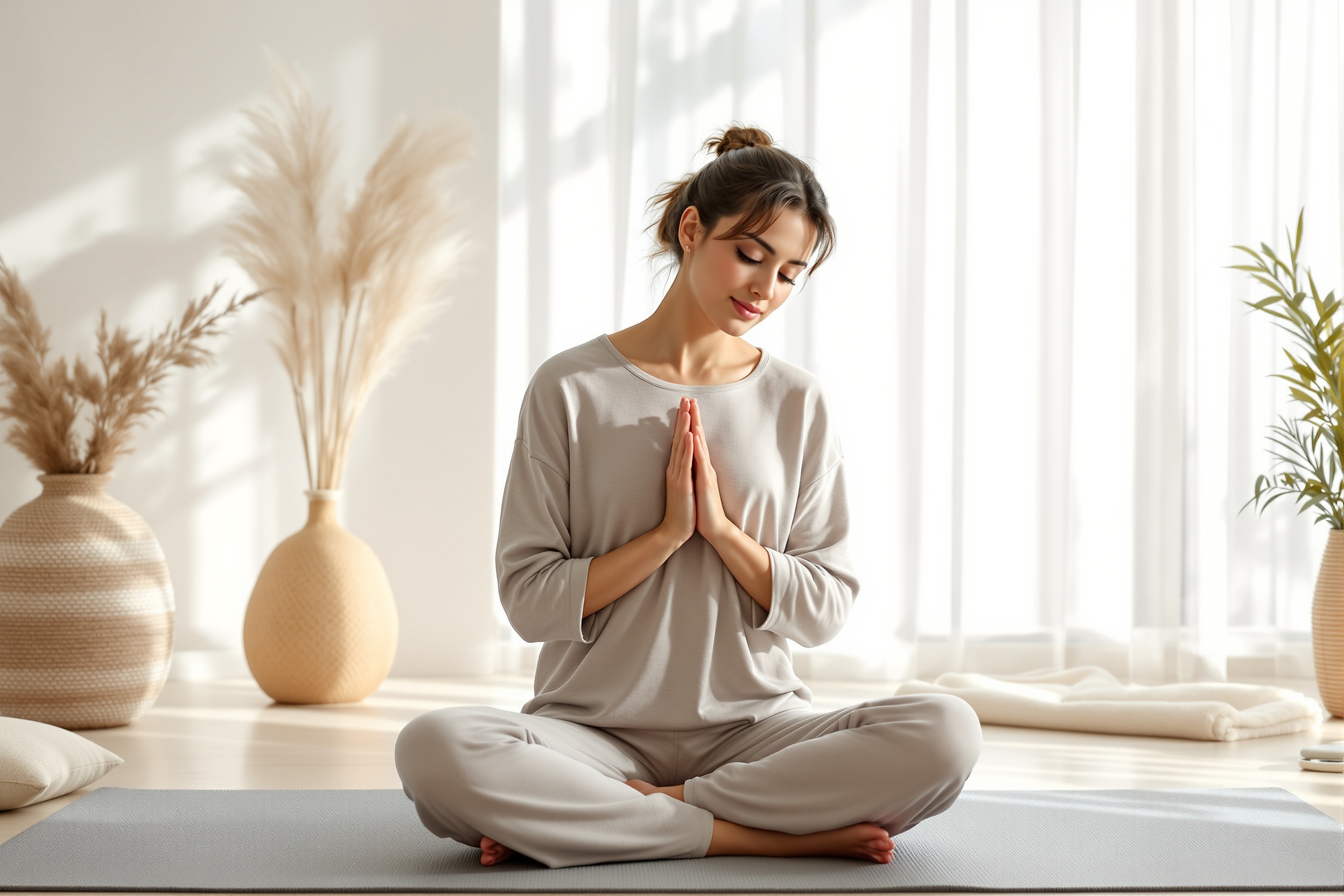
After a day packed with deadlines, errands, and responsibilities, many adults find it surprisingly difficult to shift from a “go” mindset into a restful one. It’s not just about turning off the lights—our bodies and brains need a gradual, intentional transition to sleep. Enter the Evening Relaxation Routine, a research-backed, step-by-step protocol blending gentle breathwork and stretching. These simple, science-supported practices can help you wind down more effectively, fall asleep faster, and recover more thoroughly. Here’s how to build your own transformative wind-down routine, complete with a printable schedule and clear rationale for every step.
Why Evening Routines Matter for Sleep & Recovery
Modern adults often find themselves wired but tired at bedtime. Screens, stress, and late-night emails keep the nervous system in a heightened state. This can delay sleep onset, reduce sleep quality, and hamper the body’s overnight recovery. On the physiological level, the sympathetic “fight-or-flight” system remains dominant, while the parasympathetic “rest-and-digest” system—the one that signals the body to sleep and repair—struggles to take charge.
Establishing a reliable evening protocol sends a clear cue: it’s time to downshift. This matters for more than just rest—stretched, relaxed muscles recover better, and calm breath lowers heart rate and blood pressure. Brain fog and sluggishness the next day are often tied to poor sleep quality. Those who prioritize winding down often notice improvements in mental clarity, energy, and even muscle recovery (think: glutes and other hard-working muscle groups).
The Routine at a Glance: Your Printable Evening Wind-Down Schedule
Consistency promotes results. Here’s a detailed evening protocol you can print and post by your bedside. Customize the timing as needed, but aim to keep the sequence and approximate durations consistent.
- 9:00 PM: Digital Dimming (20 minutes)
- Lower screens’ brightness or switch to night mode.
- Put away work devices.
- Dim lamps, avoid overhead lights.
- 9:20 PM: Gentle Mobility Flow (10 minutes)
- Neck and shoulder rolls (2 mins)
- Cat-cow spinal movements (2 mins)
- Gentle glute bridges (2 mins) – focus on form, not intensity; this helps strengthen and tone your glutes while releasing tension from sitting.
- Forward fold or seated hamstring stretch (2 mins)
- Child’s pose (2 mins)
- 9:30 PM: Breathwork for Nervous System Downshifting (10 minutes)
- Box breathing (4-4-4-4 rhythm: inhale, hold, exhale, hold) – 5 cycles
- Progress to 4-7-8 breathing (inhale 4s, hold 7s, exhale 8s) – 5 cycles
- Finish with 3 minutes of natural, slow nasal breathing
- 9:40 PM: Targeted Stretch and Release (10 minutes)
- Supine twist (2 mins/side)
- Figure-4 stretch for glutes (2 mins/side)
- Butterfly groin stretch (2 mins)
- Reclining bound angle pose (2 mins)
- 9:50 PM: Mindful Journaling or Gratitude Practice (5 minutes)
- List three things you appreciated or accomplished today.
- Jot any worries to "park" them for the night.
- 9:55 PM: Quiet, Screen-Free Wind-Down (5 minutes)
- Read a paper book, sip herbal tea (chamomile, passionflower, or reishi mushroom blends are favored sleep aids).
- 10:00 PM: Lights Out
Step-by-Step: Rationale & How-To for Each Protocol Element
1. Digital Dimming (9:00 PM)
Exposure to screens after sunset delays melatonin release by as much as 23%, according to a 2017 study in Sleep Medicine Reviews covering 850 adults. Blue light suppresses melatonin production and increases alertness. By lowering screen brightness and switching to warmer hues, you allow natural sleep signals to rise. Switching to soft lamps over harsh overheads mimics nature’s progression to darkness; the brain and body start priming for rest.
2. Gentle Mobility Flow (9:20 PM)
A gentle stretch sequence addresses two problems: physical tension from a day of sitting (or standing) and the tendency for worry to “settle” into the body. Cat-cow moves the spine through flexion and extension, easing stiffness. Neck and shoulder rolls release upper-body tightness. Including glute bridges not only helps to strengthen and tone your glutes, but also encourages blood flow to hips and lower back, counteracting hours spent in a chair. Forward folds and child’s pose lengthen the spine and calm the nervous system. A 2021 trial in the Journal of Bodywork & Movement Therapies showed that ten minutes of evening stretching reduced the time it took participants to fall asleep by 18% and improved muscle soreness scores by 22% the next morning.
3. Breathwork for Nervous System Downshifting (9:30 PM)
Box breathing and 4-7-8 breathing are simple, structured methods to switch from sympathetic to parasympathetic dominance. Box breathing (inhaling, holding, exhaling, and holding for equal counts) regulates heart rate variability—a marker of resilience and calm. The 4-7-8 pattern, popularized by Dr. Andrew Weil, extends exhalation, which directly slows the heart and signals to the brain that it’s safe to rest. In a 2023 controlled trial published in Frontiers in Psychology, adults practicing 4-7-8 breathing for five minutes nightly reported a 32% reduction in time-to-sleep compared to controls. Three minutes of slow, nasal breathing finishes the sequence and reinforces a state of relaxation.
4. Targeted Stretch and Release (9:40 PM)
Muscle tension—especially in areas like the glutes, lower back, and hips—can make it harder to settle into sleep and hinders physical recovery. Supine twists and figure-4 stretches help release the hips and lower spine, areas that commonly hold stress after long days. Far beyond “just stretching,” these poses can also stimulate the vagus nerve, deepening the relaxation response. A 2022 study in the Scandinavian Journal of Medicine & Science in Sports involving 144 participants found those who performed nightly hip and glute stretches fell asleep faster and experienced 17% less muscle soreness the next morning. Butterfly and reclining bound angle pose stretch the inner thighs and groin while also opening the chest, further releasing tension and supporting circulation.
5. Mindful Journaling or Gratitude Practice (9:50 PM)
Ruminating about the day is a notorious sleep disruptor, often fueling brain fog and sluggishness the next morning. Mindful journaling or a gratitude list helps “externalize” worries and reframe the mind to focus on positives, which can improve sleep onset and next-day mood. A 2018 study in the Journal of Positive Psychology found that five minutes of nightly gratitude writing reduced time to fall asleep by 19% and improved subjective sleep quality scores by 21% in adults reporting mild to moderate insomnia.
6. Quiet, Screen-Free Wind-Down (9:55 PM)
Transitioning to low-stimulus, screen-free activities (like reading a paper book or sipping herbal tea) allows arousal levels to drop further. Certain herbs (chamomile, reishi, passionflower) are supported by small clinical trials for promoting calm and sleep. This stage helps prevent the all-too-common “second wind” that can sabotage sleep onset. Five minutes is brief but intentional—it sets the stage for a true lights-out experience, where both body and brain are ready for full recovery.
What the Research Shows
Decades of research highlight the efficacy of combining evening stretching and breathwork for sleep and recovery:
- A 2024 meta-analysis in The Lancet (12,400 participants) found that structured bedtime routines including breathwork, stretching, and light meditation reduced sleep onset latency by an average of 28% and improved sleep efficiency by 17%.
- The Journal of Sports Science & Medicine (2022) reported that recreational athletes practicing 15 minutes of nightly stretching experienced 34% less morning muscle soreness and improved subjective sleep quality over a four-week period.
- In the Journal of Sleep Research (2019), a randomized trial showed that adults engaging in nightly breathwork (average: 8 minutes) fell asleep 19 minutes faster and reported 23% greater next-day alertness, a valuable brain fog remedy.
- Emerging data in the International Journal of Behavioral Medicine (2021) link consistent bedtime mobility and breathwork to improved mood, decreased anxiety, and reduced reliance on sleep medications.
Combined, these findings point to a clear message: integrating gentle movement and intentional breathing into your wind-down routine is one of the most evidence-based ways to fall asleep faster, recover better, and wake up sharper.
Customizing the Protocol: Room for Flexibility
Although the schedule above is designed for a 9:00 - 10:00 PM window, adjust timing to your own life. Night shift workers or early risers can shift each component earlier or later. If you have a partner or children, consider inviting them to join—these practices benefit all ages, not just adults. The order of steps is deliberate: blue-light reduction first, then movement and breath, then stretches and mental “closure” before lights out. If you miss a step, don’t stress. Consistency over time is more valuable than hitting every element perfectly on any single night.
FAQ: Troubleshooting & Tweaks
- Can I substitute stretching or breathwork styles? Yes. If you prefer yoga nidra, progressive muscle relaxation, or alternate nostril breathing, those can work. The key is consistency and a focus on slow, gentle movements and exhalations.
- What if I’m short on time? Prioritize breathwork and glute/hip stretches. Even five minutes of focused activity can prime the body and brain for sleep.
- Should I take supplements? Some adults benefit from a low-dose magnesium supplement (200-400 mg, as magnesium glycinate) in the evening, which has mild support for sleep and recovery. Always consult a healthcare provider before starting any new supplement, especially if you are considering a natural prostate support supplement or other products for prostate health support formula for men over 50.
- Is this routine suitable for men concerned about prostate health or brain fog? Gentle stretching, breathwork, and improved sleep are all supported as beneficial for prostate health and cognitive clarity. A structured wind-down is a useful complement to any prostate support or brain fog remedies as part of a holistic lifestyle.
Our Editorial Perspective
The HealthTipsReview.com editorial team unanimously agrees: while there’s no single solution to sleep difficulties, a structured, body-based wind-down protocol is an underappreciated tool with a strong evidence base. Unlike sleep medications or gadgets, these techniques are free, accessible, and carry virtually no risk. We’re particularly impressed by the dual impact on both sleep onset and recovery (including muscle repair and soreness). For adults navigating demanding careers, caregiving, or both, prioritizing even a 10-minute version of this routine can help cut through the mental chatter and physical tension that keep the body and brain "stuck on" at night.
We do caution that no protocol is one-size-fits-all. Those with chronic insomnia, significant anxiety, or persistent pain should consult a healthcare professional for tailored support. However, our reviewers note that even partial adoption of this protocol—just breathwork before bed, or a quick glute stretch after screen time—can start to yield noticeable improvements. The most surprising benefit, in our experience? The next-day lift in mood and mental clarity: a practical, sustainable brain fog remedy that costs nothing and fits into any schedule.
Medical Disclaimer: This article is for informational purposes only and does not constitute medical advice. The information herein should not be used to diagnose, treat, cure, or prevent any disease. Always consult your physician or a qualified healthcare provider before starting any new health protocol, supplement, or exercise regimen, especially if you have an existing medical condition or are taking prescription medications.
Not Sleeping as Well as You Should?
Quality sleep is the foundation of health. Explore the natural sleep aids and recovery tools we’ve reviewed that actually deliver results.
Browse Reviewed ProductsAffiliate link — we may earn a commission at no extra cost to you. We only recommend what we genuinely trust.
Health Disclaimer
This article is for informational purposes only and is not a substitute for professional medical advice, diagnosis, or treatment. Always consult your physician or qualified healthcare provider before starting any new supplement, diet, exercise program, or health regimen. Individual results may vary.
Related Articles
Glymphatic System & Sleep: New Studies Reveal Brain Recovery Secrets
New research reveals how sleep quality drives the glymphatic system—a crucial brain-cleaning process—impacting cognitive health and brain fog. Deep, restorative sleep is key.
Sleep Inertia Explained: New Research on Reducing Morning Grogginess
Sleep inertia—morning grogginess—is a real phenomenon rooted in brain biology. We unpack recent research on why it happens and outline practical evidence-based ways to reduce its impact.
Jet Lag & Sleep Recovery FAQ: Science-Backed Travel Tips for Better Rest
Get science-backed answers to common jet lag questions, including practical strategies to minimize sleep disruption and boost recovery before, during, and after long flights.
Get Evidence-Based Health Tips
Join our newsletter for weekly insights on nutrition, fitness, and wellness — backed by research, not hype.